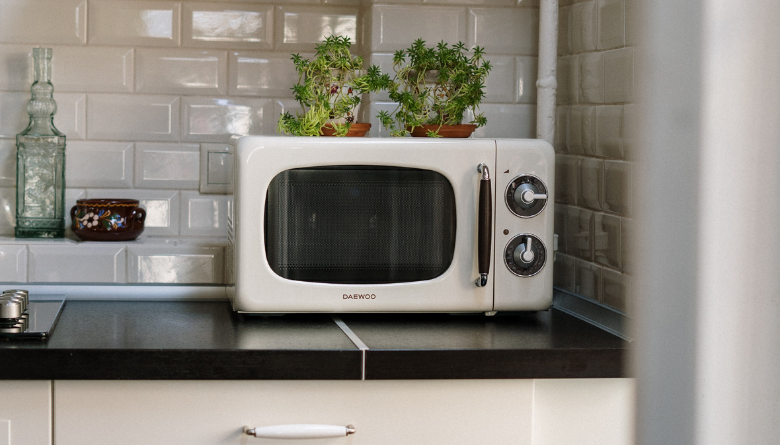
6 types of food that you shouldn’t reheat in the microwave
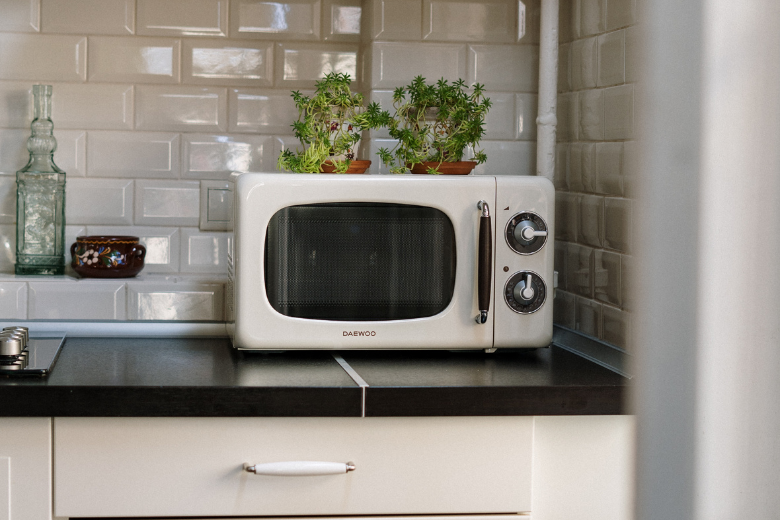
Reheating these types of food could make you sick
It feels like a complete waste to throw out a whole serving of food when you are stuffed and can’t eat anymore. Usually we would save leftovers in our fridge to reheat them again the next day. But it turns out that reheating certain foods could actually make you sick.
Rice
All of these will probably be surprising to you but the one that surprised us the most, is that you should not reheat leftover rice. When you heat it up in the microwave, a bacteria called Bacillus cereus can contaminate the rice. This can lead to food poisoning when you consume your food.
If you really need to reheat your leftover rice, make sure you reheat all of the rice evenly. Your microwave unfortunately isn’t the best appliance for reheating your food evenly. That is why it is recommended to stir the food after a few minutes of microwaving it. By stirring your rice while you’re reheating it, you make sure all parts of the food become the same temperature. That will kill the Bacillus cereus bacteria and will prevent you from getting sick.
Do make sure you have stored your rice in the fridge right after cooking it the first time. If you leave rice out over night or let it sit on the counter for too long, the spores of the Bacillus cereus nestle in your food and those spores are heat resistant. That means that reheating your rice evenly won’t do you any good and you’ll still get sick from eating the rice either way.
Mushrooms
Another type of food that you might want to throw out after cooking it once, is mushroom. Mushrooms contain a lot of water and protein which causes them to spoil quickly if not stored properly. If you want to save them in the fridge, you’d have to keep them in a bowl of water and reheat them at a temperature of 70 degrees Celsius (158 degrees Fahrenheit). Just know that reheating mushrooms can result in an upset stomach later!
Potato
To be fair, you could theoretically reheat potatoes without any issues. But the important thing with reheating potatoes, is that you can only do it if you took proper care of the potatoes after cooking them. If you let your potatoes cool down to room temperature, a bacteria that causes botulism can grow in your food. And reheating them won’t save you in this case. So it is only save to reheat them if you have placed your potatoes in the fridge right after cooking them.
Eggs
This one provides a problem for some people: a lot of dishes contain eggs. If you reheat eggs or a dish that has eggs in it, it could cause some serious health issues. This especially gets tricky with things like casserole, quiche and other egg dishes. Because egg or egg dishes should never be out of the fridge for longer than an hour. That means that your leftover casserole or the scrambled eggs you had for breakfast can not be reheated if they have already been out of the fridge for an hour. Leaving eggs or egg dishes out of the fridge will cause salmonella to multiply, increasing the risk of food poisoning.

Seafood
Seafood is another food that should not be reheated. This is because seafood is perishable and spoils quickly. If you do attempt to reheat seafood, it will result in a loss of flavor and texture. In addition, seafood contains high levels of amino acids and proteins, which can cause the food to spoil quickly and result in food poisoning.
Pasta
Pasta is another food that should not be reheated. When you reheat pasta, it can become rubbery and lose its texture. Additionally, if the pasta was cooked with sauce, the sauce can separate and become watery when reheated. To avoid these issues, it’s best to store pasta in the fridge and consume it within a few days. If you do need to reheat pasta, it’s best to do so in a saucepan with a bit of water, which will help maintain the texture of the pasta.
Soups and Stews
Soups and stews are often leftovers that people attempt to reheat, but it’s not always a good idea. If these dishes are not reheated properly, they can result in food poisoning. When reheating soups and stews, make sure that you heat them thoroughly and bring them to a rolling boil. This will help to kill off any bacteria that may have formed during storage. It’s also important to store soups and stews in an airtight container in the fridge to slow down the growth of bacteria.
Bread
Bread is another food that should not be reheated. When bread is reheated, it can become dry and lose its texture. Instead of reheating bread, try toasting it or microwaving it for a few seconds. If you need to store bread, keep it in a bread box or a sealed plastic bag to prevent it from becoming stale. Storing bread in the fridge will also cause it to dry out, so it’s best to store it in a cool, dry place.
Other foods that should not be reheated are: chicken and leafy greens like lettuce and spinach. And if you have been eating at a buffet restaurant, you should not bring home any leftovers. All of the buffet dishes will have been sitting at room temperature, causing bacteria to grow and multiply fast. Reheating this food might not kill all the bacteria and in this case it is better to be safe than sorry!
In conclusion, it’s important to be mindful of what foods you reheat. While reheating food can be convenient, it can also result in food poisoning if not done properly. To avoid health issues, make sure you store leftovers in the fridge and reheat them thoroughly. If in doubt, it’s always better to err on the side of caution and not reheat certain foods, especially those that are perishable or contain proteins and amino acids.
Also read: This is how to get your microwave oven squeaky clean within mere minutes
Source: Margriet, Insider, BBC | Image: Pexels
Source: https://www.tips-and-tricks.co/food/6-types-of-food-that-you-shouldnt-reheat-in-the-microwave2/