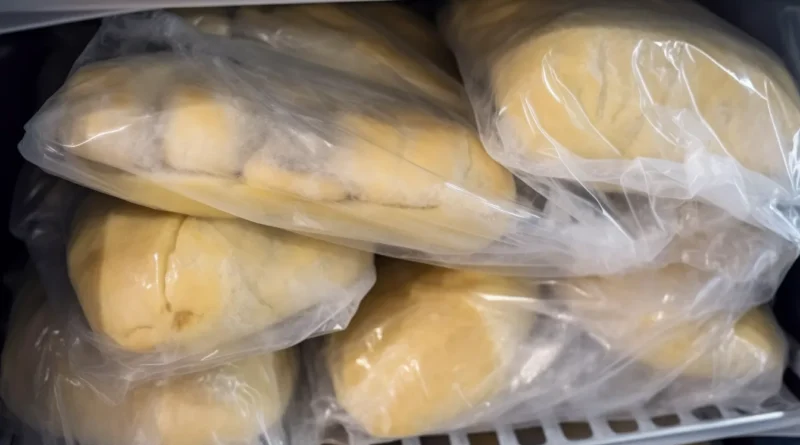
Frozen Bread? You Should Definitely Pay Attention to This!
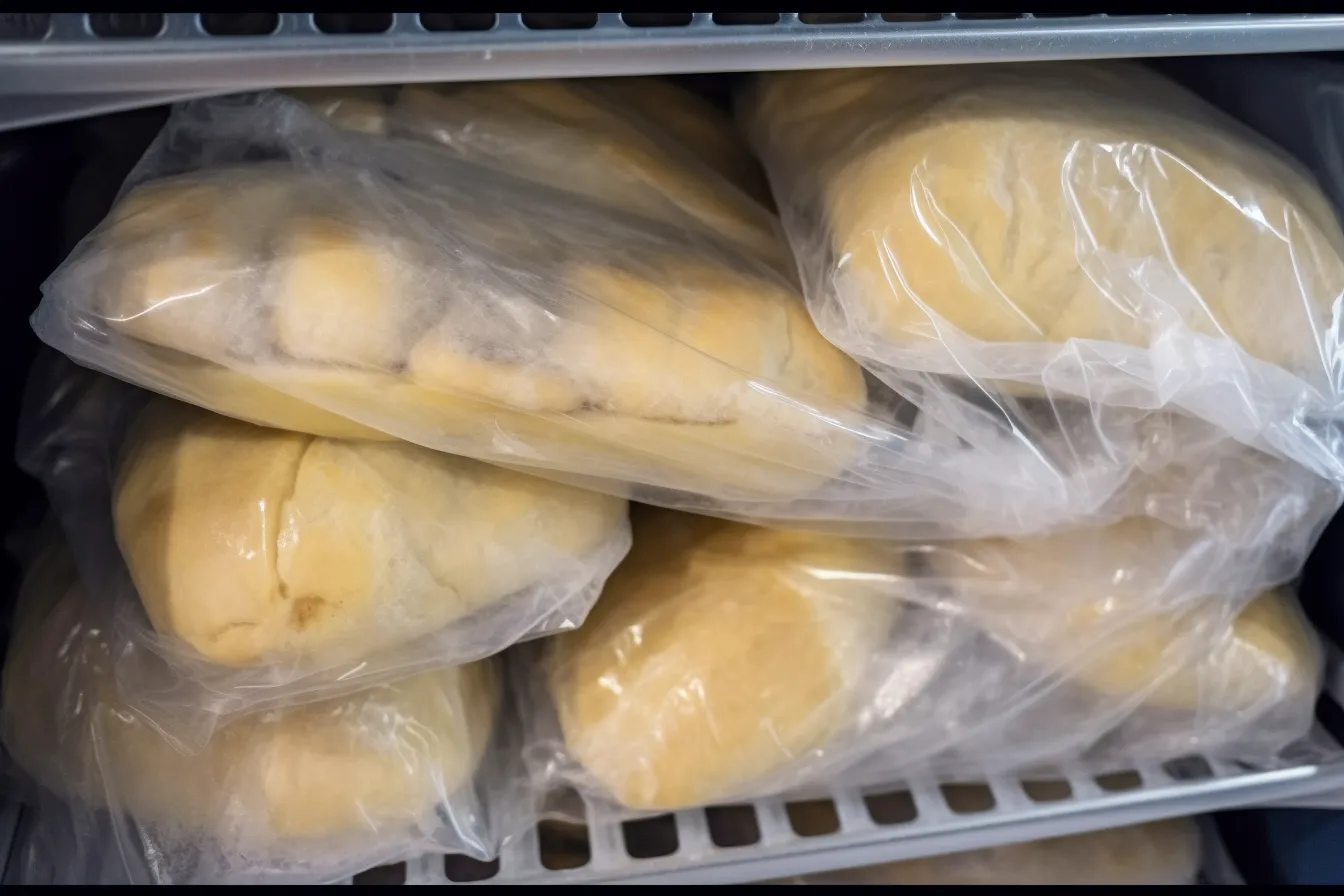
How to Make the Most Out of Your Frozen Bread
Frozen bread is a lifesaver in the kitchen, a solution for when you’ve bought too much or are heading out of town and don’t want your precious loaves to go to waste. But freezing bread isn’t just about tossing it in the freezer and forgetting about it. There’s an art to it, a science that ensures your bread remains fresh, tasty, and free from those pesky ice crystals. If you want to unlock the secrets to perfectly frozen bread, you’ve come to the right place.
Preserving Freshness
The key to exceptional frozen bread lies in the way you handle it before it meets the icy depths of your freezer. No matter if you’ve just bought a new loaf or have leftover slices, the first rule is to eliminate all trapped air. For unopened packages, freezing is a breeze – just pop the whole thing in the freezer. But what if you’ve opened the bag? The trick here is to wrap your bread in cling film before returning it to its original packaging. This double-layered protection ensures your bread stays fresh, avoiding the formation of ice crystals that can compromise its texture and taste.
Curious to perfect the art of freezing and thawing bread? Click to the next page and unveil the secrets of timing and defrosting techniques.
Page 1 of 2
Timing Is Everything
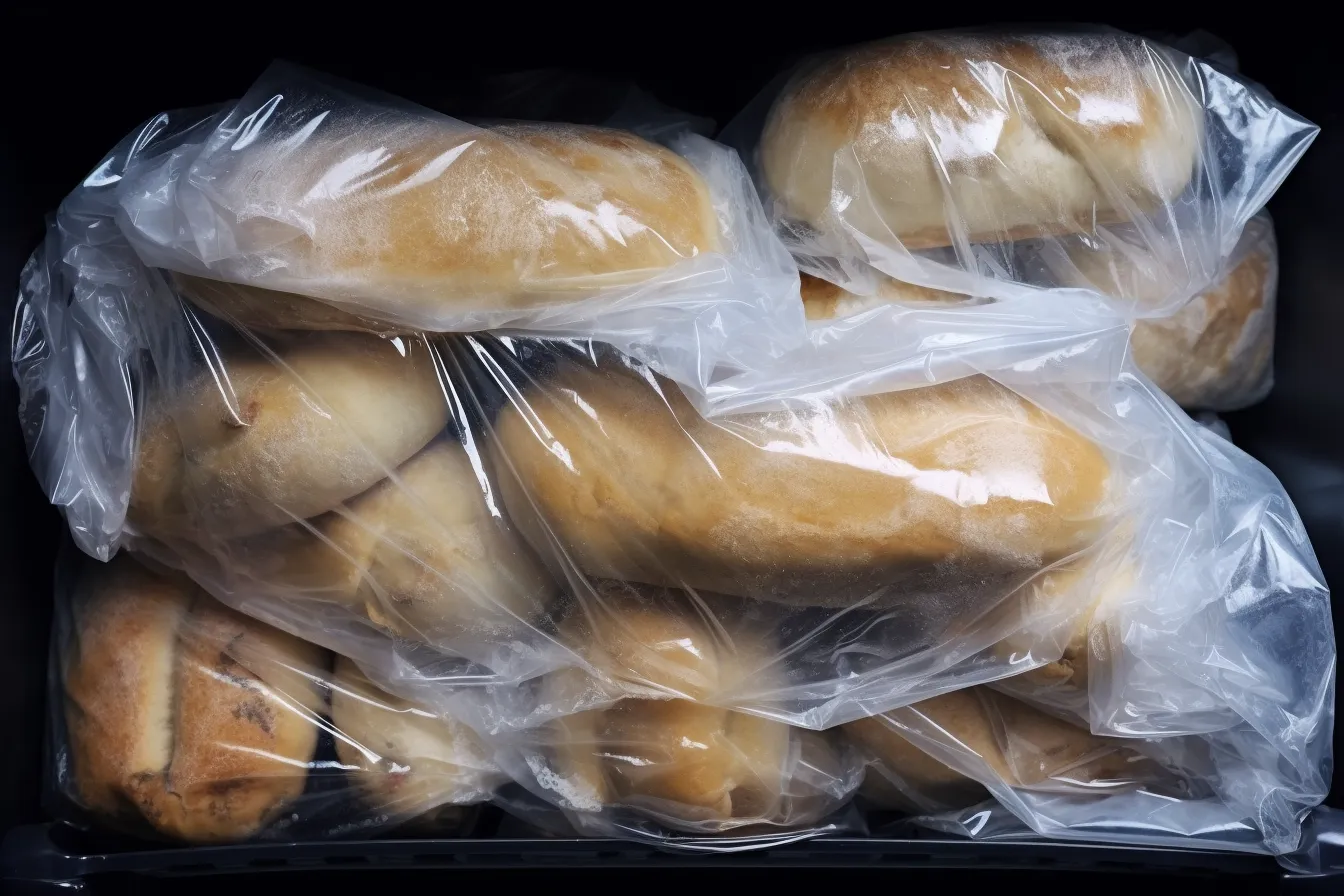
Remember, time is of the essence. The longer you wait before freezing, the less appetizing your bread will be when it emerges from its frosty hibernation. Don’t delay – get that loaf into the freezer as soon as possible after purchase. While it’s true that bread won’t spoil in the freezer, its flavor and texture will suffer if left for extended periods. Freezer burn, the bane of frozen food, can also afflict your bread if it’s exposed to air due to packaging leaks or temperature fluctuations.
The Art of Defrosting
So, your bread has been frozen, and now you’re ready to enjoy it once more. How should you bring it back to life? There are two excellent methods: either gently warm it in your oven at 180 degrees for 10-15 minutes, followed by a thorough cooling period of 30 minutes, or let it thaw naturally on your cutting board. However, when opting for the latter, be cautious – keep the bread in its packaging to prevent it from drying out. A word of warning: never refreeze bread that has been thawed. Once it has reached its frosty state, it’s best enjoyed promptly.
Now that you’re armed with the knowledge of how to handle frozen bread like a pro, your kitchen adventures can reach new heights. So, embrace the art of freezing, and never let a precious slice go to waste again.
Want to delve deeper into the world of frozen bread? Watch this video, ‘Something Great Happens When You Freeze Your BREAD!’ from Dr. Mandell, to gain valuable insights and expert tips on making the most out of your frozen loaves!
Image: Midjourney
Page 2 of 2