
Here’s What Really Goes Down in Your Body After 30 Days of Daily Ginger Consumption! Prepare to Be Amazed

We didn’t know ginger is so healthy
We all know that fruit and vegetables are really good for us. It is known that we should eat colored food several times a day, but did you know that certain spices also have many health benefits? Take ginger, for example. When you eat ginger every day, a lot of good things happen to your body.
Ginger
Ginger is a spice with a very strong taste. Ginger is not only very tasty, but also has a lot of good qualities. Ginger contains gingerol, shogaol, zingiberene and a whole range of vitamins and minerals. It is therefore not surprising that ginger has a long medicinal history. Centuries ago, ginger was used to cure all kinds of ailments. In addition, eating ginger regularly also helps to keep your body healthy.
Good qualities
Ginger contains gingerol, a bio-active substance that helps to reduce symptoms such as nausea and vomiting. This substance also helps to reduce swollen joints. Ginger also contains shoagol, a substance with an analgesic effect that also helps against cancer and heart disease. Zingiberene in ginger is particularly good for digestion. But not only this: ginger also has an anti-diabetic effect and improves brain function and the immune system.
Wondering what happens to your body when you eat ginger every day for a month? Read more on the next page.
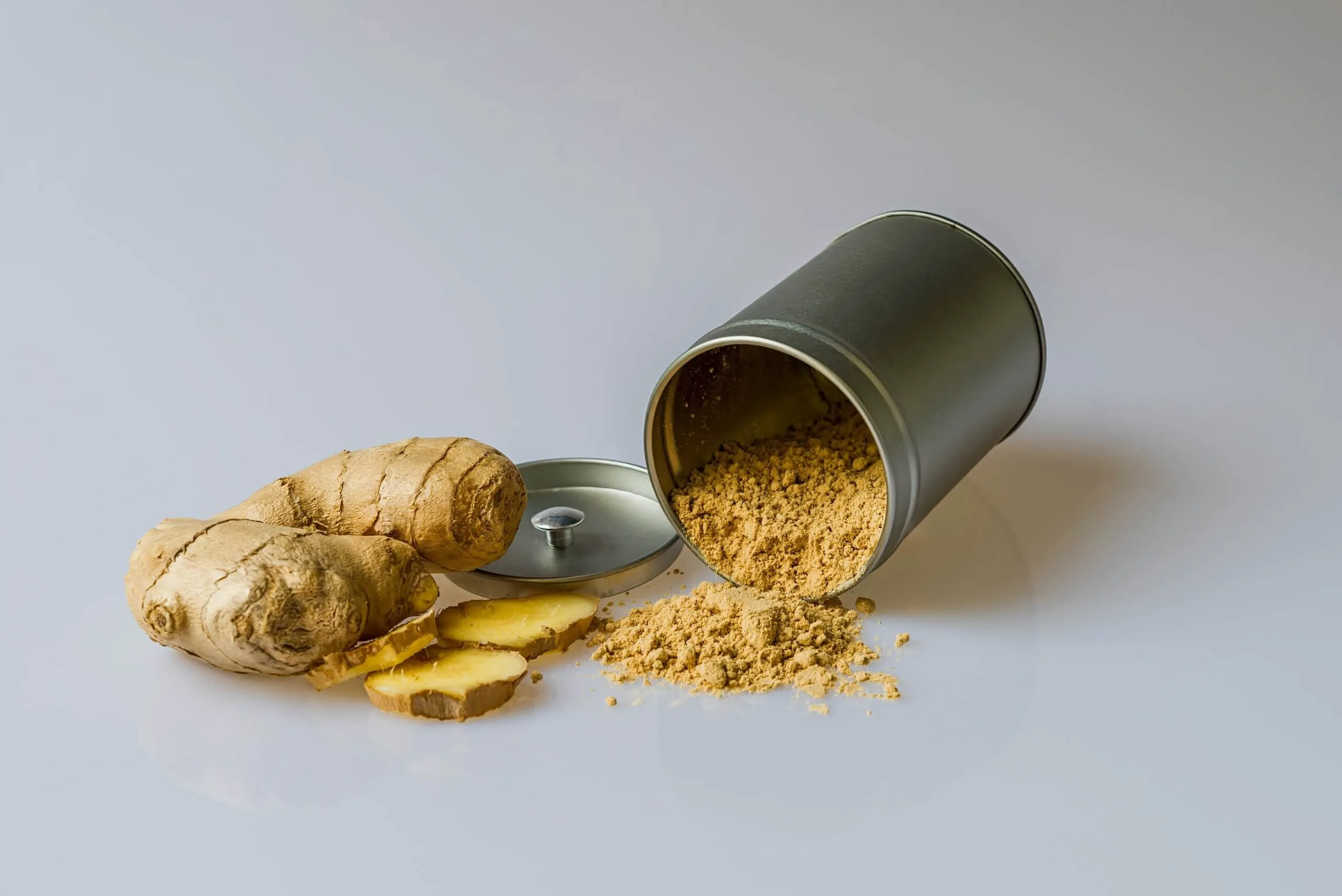
Ginger every day
Are you planning to eat ginger every day for a month? Then we will not stop you! Eating ginger daily has many health benefits. Side note: you do not have to nibble on a piece of ginger every day. Cut a large piece – about 1.5 centimeters – into small pieces and mix it with your smoothie, tea or Asian dish. Wondering what this does to your body? We will explain it to you.
“Want to know more? On the next page, we’ve listed seven things it does to your body. Read more on the next page.”

Anti-inflammatory: Inflammation in the body is reduced faster. This is due to the anti-inflammatory effect of ginger. Ginger’s remarkable anti-inflammatory properties make it a valuable addition to a holistic approach to health and wellness. Inflammation is the body’s natural response to injury or infection, but chronic inflammation can contribute to various health issues. Ginger has been recognized for its ability to mitigate inflammation, offering a natural and accessible remedy for those seeking to support their overall well-being.
The active compounds in ginger, such as gingerol, have potent anti-inflammatory effects. These compounds work by inhibiting inflammatory pathways and reducing the production of pro-inflammatory molecules in the body. As a result, regular consumption of ginger can contribute to the management of inflammation, potentially providing relief for conditions influenced by chronic inflammation, such as arthritis or inflammatory bowel diseases.
Moreover, ginger’s anti-inflammatory properties extend beyond just alleviating specific conditions. They play a crucial role in promoting overall health by potentially reducing the risk of chronic diseases associated with inflammation, including cardiovascular diseases and certain types of cancer.
Incorporating ginger into your diet can be done in various ways, such as adding fresh ginger to meals, preparing ginger tea, or taking ginger supplements. This versatile spice not only enhances the flavor of dishes but also offers a natural and holistic approach to inflammation management.
It’s important to note that while ginger can be a beneficial part of a health-conscious lifestyle, individual responses may vary. It’s advisable to consult with a healthcare professional, especially if you have existing health conditions or are taking medications, to ensure that ginger is a suitable addition to your wellness routine.

Nausea disappears: are you often nauseous in the morning? We bet that eating ginger every day will help you! By eating ginger daily, the nausea will soon subside. Tip: Especially pregnant women and people undergoing chemotherapy can benefit from this.
Ginger’s effectiveness in alleviating nausea, particularly in the morning, can be a game-changer for those grappling with this discomfort. The soothing properties of ginger can calm an upset stomach and reduce the sensations of nausea. For pregnant women experiencing morning sickness or individuals undergoing chemotherapy, incorporating ginger into their daily routine may provide much-needed relief.
Pregnancy-related nausea, commonly known as morning sickness, is a prevalent challenge for many expectant mothers. Ginger has been a go-to remedy for generations, offering a natural and safe option to help ease queasiness during pregnancy. Its gentle yet potent anti-nausea effects make it a popular choice for those seeking a holistic approach to managing this common symptom.
Similarly, individuals undergoing chemotherapy often grapple with nausea as a side effect of treatment. Ginger’s ability to alleviate nausea has been recognized in clinical studies, making it a supportive option for those navigating the challenges of chemotherapy-induced sickness. Its natural properties make it an appealing choice for individuals who prefer complementary and alternative therapies alongside conventional medical treatments.
To incorporate ginger into your daily routine, consider adding fresh ginger to your meals, preparing ginger tea, or taking ginger supplements. However, it’s essential to consult with a healthcare professional, especially if you are pregnant, undergoing medical treatments, or have pre-existing health conditions. They can provide personalized advice on the appropriate dosage and form of ginger consumption based on individual health needs.

Reduction of muscle pain: Do you have muscle pain or pain in the limbs? Eating ginger can have a good influence on this. Consuming ginger daily will gradually ease the pain. For individuals grappling with muscle pain or discomfort in the limbs, incorporating ginger into their daily routine may offer a natural and holistic approach to finding relief. Ginger’s potential to alleviate muscle pain is rooted in its anti-inflammatory and antioxidant properties, which work synergistically to address the underlying causes of discomfort.
Muscle pain can arise from various factors, including exercise-induced inflammation, overexertion, or conditions such as fibromyalgia. The active compounds in ginger, particularly gingerol, have been studied for their ability to reduce inflammation and oxidative stress, contributing to the easing of muscle pain.
Regular consumption of ginger is thought to have a positive influence on muscle pain over time. Whether added to meals, brewed into tea, or taken in supplement form, ginger’s anti-inflammatory effects may help soothe sore muscles and improve overall mobility.
Moreover, ginger’s potential to improve circulation may play a role in muscle pain relief. By enhancing blood flow to affected areas, ginger may contribute to the delivery of oxygen and nutrients to muscles, promoting faster recovery and reducing discomfort.
While ginger is a promising natural remedy, it’s essential to approach its use as part of a comprehensive wellness strategy. Individuals experiencing persistent or severe muscle pain should consult with a healthcare professional to determine the underlying cause and receive appropriate guidance on incorporating ginger into their regimen.
Incorporating ginger into a well-balanced diet, combined with regular exercise and other healthy lifestyle practices, can contribute to an overall reduction in muscle pain and support the body’s natural healing processes.

Promotes bowel movements: Eating ginger on a daily basis does a lot of good for your bowel movements. Do you regularly suffer from constipation? Then this might help you. For those seeking a natural solution to address digestive issues, ginger emerges as a potential ally in promoting regular bowel movements. Incorporating ginger into your daily diet may provide relief, especially if you are grappling with constipation, a common condition that can be both uncomfortable and disruptive to daily life.
Ginger’s digestive benefits are attributed to its ability to stimulate the digestive tract and promote the smooth movement of food through the intestines. This, in turn, can help alleviate constipation by encouraging more regular and efficient bowel movements. The active compounds in ginger, such as gingerol, play a role in enhancing gastrointestinal motility and supporting overall digestive health.
Consuming ginger regularly can be done in various forms, such as adding grated ginger to meals, brewing ginger tea, or taking ginger supplements. The warming and soothing properties of ginger are believed to contribute to its positive effects on the digestive system.
It’s important to note that while ginger can be a helpful addition to a diet aimed at promoting healthy digestion, individual responses may vary. If you experience persistent or severe digestive issues, including constipation, it’s advisable to consult with a healthcare professional to rule out underlying medical conditions and receive personalized advice on incorporating ginger into your routine.
In addition to including ginger in your diet, staying hydrated, consuming fiber-rich foods, and maintaining a physically active lifestyle can also contribute to overall digestive well-being. By addressing these aspects collectively, individuals may find relief from constipation and enjoy improved digestive comfort.

Menstrual pain: Are you in constant pain during this time of the month? Then eating ginger daily may help you. The spice is similar to taking pain medications, which can help relieve acute abdominal pain. For many women, the menstrual cycle can bring along discomfort and pain, commonly in the form of abdominal cramps. If you find yourself in constant pain during this time of the month, incorporating ginger into your daily routine may offer a natural and soothing remedy. The unique properties of ginger make it akin to traditional pain medications, providing a potential alternative for relieving acute abdominal pain associated with menstruation.
Ginger’s effectiveness in alleviating menstrual pain lies in its anti-inflammatory and muscle-relaxant properties. The active compounds in ginger, particularly gingerol, work to reduce inflammation and inhibit the production of prostaglandins, which are chemicals that play a role in triggering pain and muscle contractions.
By incorporating ginger into your daily diet, whether through meals, teas, or supplements, you may experience a gradual reduction in the intensity of menstrual pain. Some studies suggest that ginger’s pain-relieving effects are comparable to non-steroidal anti-inflammatory drugs (NSAIDs), commonly used for managing menstrual cramps.
Moreover, ginger’s ability to improve blood circulation may contribute to overall comfort during menstruation by promoting better oxygen and nutrient delivery to the pelvic region.
It’s important to approach the use of ginger as a complementary strategy for managing menstrual pain, and individual responses may vary. If you have specific health concerns or are on medication, consulting with a healthcare professional is advisable before incorporating ginger into your routine.
In addition to ginger, adopting other lifestyle practices such as regular exercise, maintaining a balanced diet, and managing stress can contribute to better menstrual health and overall well-being during your menstrual cycle.

Lowers cholesterol: Eating ginger every day for a month can help lower “bad” cholesterol in the body. The amount of triglycerides in the blood is reduced by the substances in ginger. Embracing the daily consumption of ginger can extend its benefits to cardiovascular health, particularly in the realm of managing cholesterol levels. Over the course of a month, integrating ginger into your diet may contribute to a reduction in “bad” cholesterol, also known as low-density lipoprotein (LDL), offering a natural approach to supporting heart health.
The active compounds in ginger, including gingerol and other antioxidants, are believed to play a role in lowering cholesterol levels. Research suggests that these compounds may help regulate lipid metabolism and inhibit the synthesis of cholesterol in the liver, contributing to a decrease in LDL cholesterol.
Additionally, ginger has shown promise in reducing triglyceride levels in the blood. Elevated triglycerides are associated with an increased risk of heart disease, and by incorporating ginger into your daily routine, you may experience a positive impact on these blood lipid levels.
It’s important to note that while ginger can be a valuable addition to a heart-healthy lifestyle, individual responses to dietary changes may vary. As such, consulting with a healthcare professional before making significant alterations to your diet, especially if you have existing health conditions or are taking medication, is advisable.
To integrate ginger into your daily routine, consider adding it to meals, preparing ginger-infused beverages, or exploring ginger supplements. Coupled with a balanced diet, regular exercise, and other heart-healthy practices, the potential cholesterol-lowering effects of ginger can contribute to a comprehensive approach to cardiovascular well-being.

Boosts the Immune System: The anti-inflammatory properties in ginger strengthens the immune system. Have you already been affected by a cold or virus? Then ginger can help you recover faster. Ginger’s immune-boosting properties make it a versatile and valuable ally in supporting the body’s defense mechanisms against infections, viruses, and the common cold. The anti-inflammatory components in ginger, particularly gingerol, contribute to the overall strengthening of the immune system.
The immune system is a complex network of cells, tissues, and organs working in harmony to defend the body against pathogens. Ginger’s anti-inflammatory effects play a crucial role in modulating immune responses, helping to regulate the immune system’s activity and enhance its ability to fight off infections.
When you’re already under the weather due to a cold or virus, incorporating ginger into your diet can provide additional support for a faster recovery. Ginger’s soothing properties can help alleviate symptoms such as sore throat, congestion, and nausea, providing comfort during times of illness.
Ginger can be consumed in various forms, from adding it to soups and teas to creating ginger-infused beverages. Its natural warmth and potent bioactive compounds may not only provide relief from immediate symptoms but also contribute to an overall immune system boost.
It’s important to note that while ginger can be a beneficial component of immune support, it is not a substitute for other healthy habits. A well-rounded approach to immune health includes maintaining a balanced diet, staying hydrated, getting adequate sleep, exercising regularly, and practicing good hygiene.
As with any dietary changes, it’s advisable to consult with a healthcare professional, especially if you have underlying health conditions or are taking medications, to ensure that incorporating ginger aligns with your individual health needs.
Source: Soo Wellness | Image: Pixnio
Read also: Siamese twins going viral after they shared this shocking news