
Plant Pineapples All Over Your Garden: Look What Happens a Week Later!
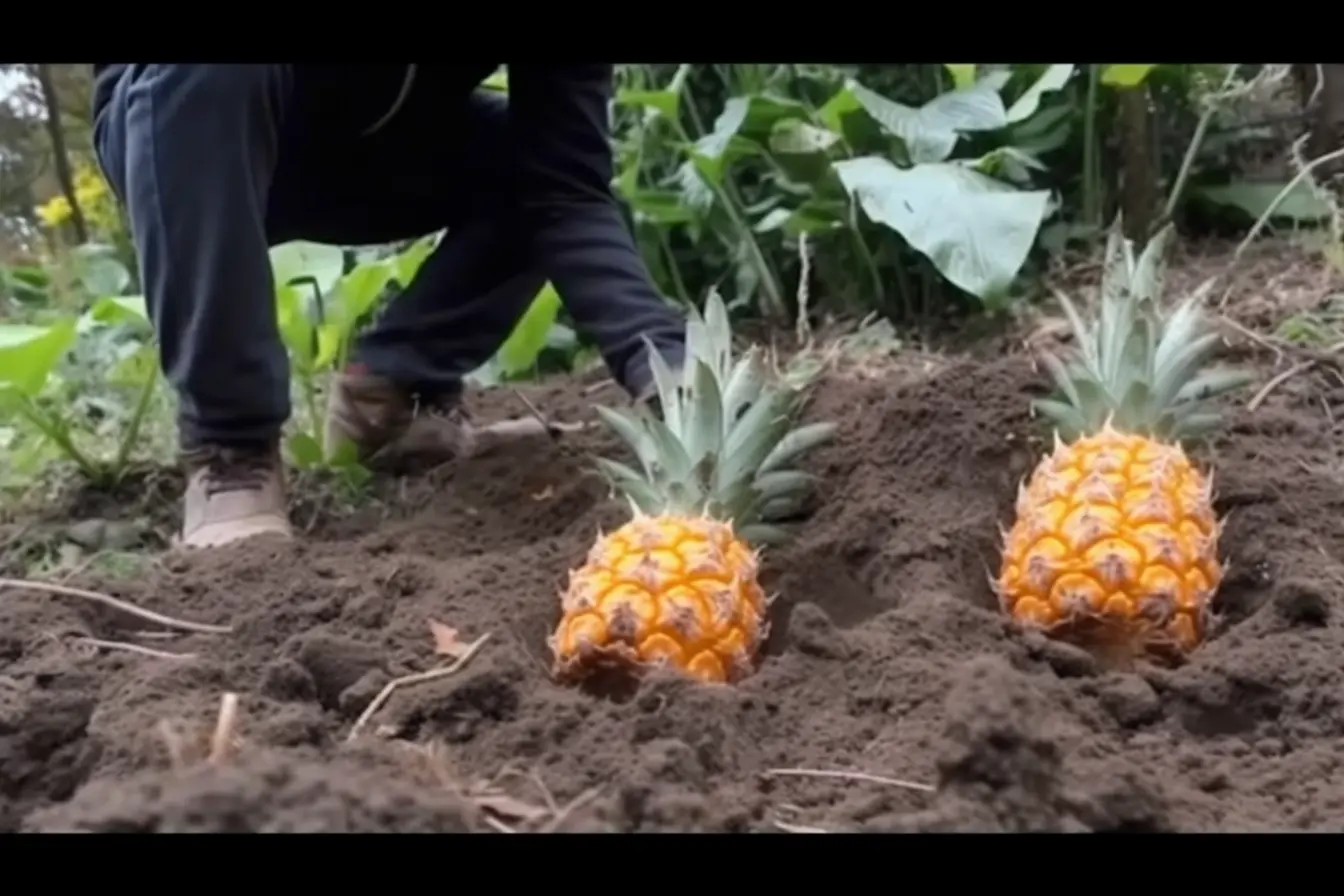
When you think of pineapples, your mind likely jumps to a refreshing summer treat—sweet, tangy, and bursting with tropical flavor. Whether blended into smoothies, paired with savory dishes, or enjoyed fresh, pineapples are a beloved fruit worldwide. However people often forget that fruit can be planted, even in colder climates. Pineapples have hidden benefits that can transform your garden in ways you never expected.
Pineapples in Your Diet
Packed with vitamin C, antioxidants, and digestive enzymes, pineapples support immunity, aid digestion, and even help reduce inflammation. With their unique balance of sweetness and acidity, they’re a powerhouse of health benefits. So if you prefer to simply eat your pineapples, then you’re forgiven!
But pineapples aren’t just great for your body—they can also work wonders in your backyard. Curious? Keep reading to discover why planting pineapples in your garden could be one of the best decisions you ever make!
Page 1 of 3
Pineapples: A Gardener’s Secret Weapon
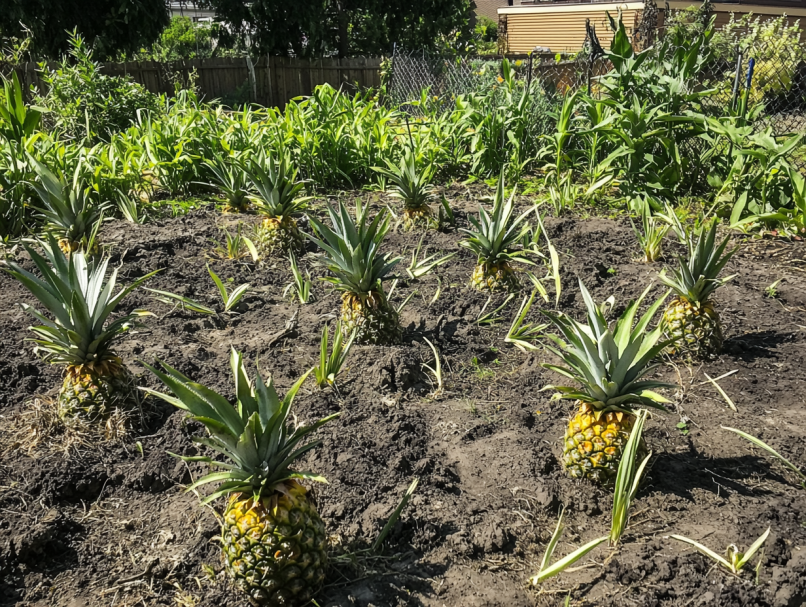
Now, let’s step out of the kitchen and into the garden. Pineapples aren’t just delicious—they can be a game-changer in your garden. The natural enzymes in pineapple scraps help break down organic matter, making nutrients more accessible to surrounding plants. By burying pineapple peels or chopped-up cores in your garden soil, you create a slow-releasing fertilizer rich in potassium, calcium, and phosphorus. These nutrients support root growth, strengthen plant cell walls, and enhance overall plant health.
But wait—there’s more! Pineapple peels can also act as a natural deterrent against pests. Their acidity repels insects like ants and aphids, while their fibrous texture discourages burrowing pests. If you struggle with unwanted critters invading your garden, placing pineapple scraps around your plants might just be the eco-friendly solution you need.
Pineapples and Composting
For composting enthusiasts, pineapples are a goldmine. Their tough skins and fibrous cores break down slowly, adding long-term value to your compost pile. The high acidity of pineapple scraps can also help balance overly alkaline compost, ensuring a rich, well-balanced final product. If you want nutrient-packed compost that boosts plant growth, don’t toss those pineapple rinds—compost them!
Page 2 of 3
An Experiment: Plant Pineapple Scraps and Watch the Magic Unfold
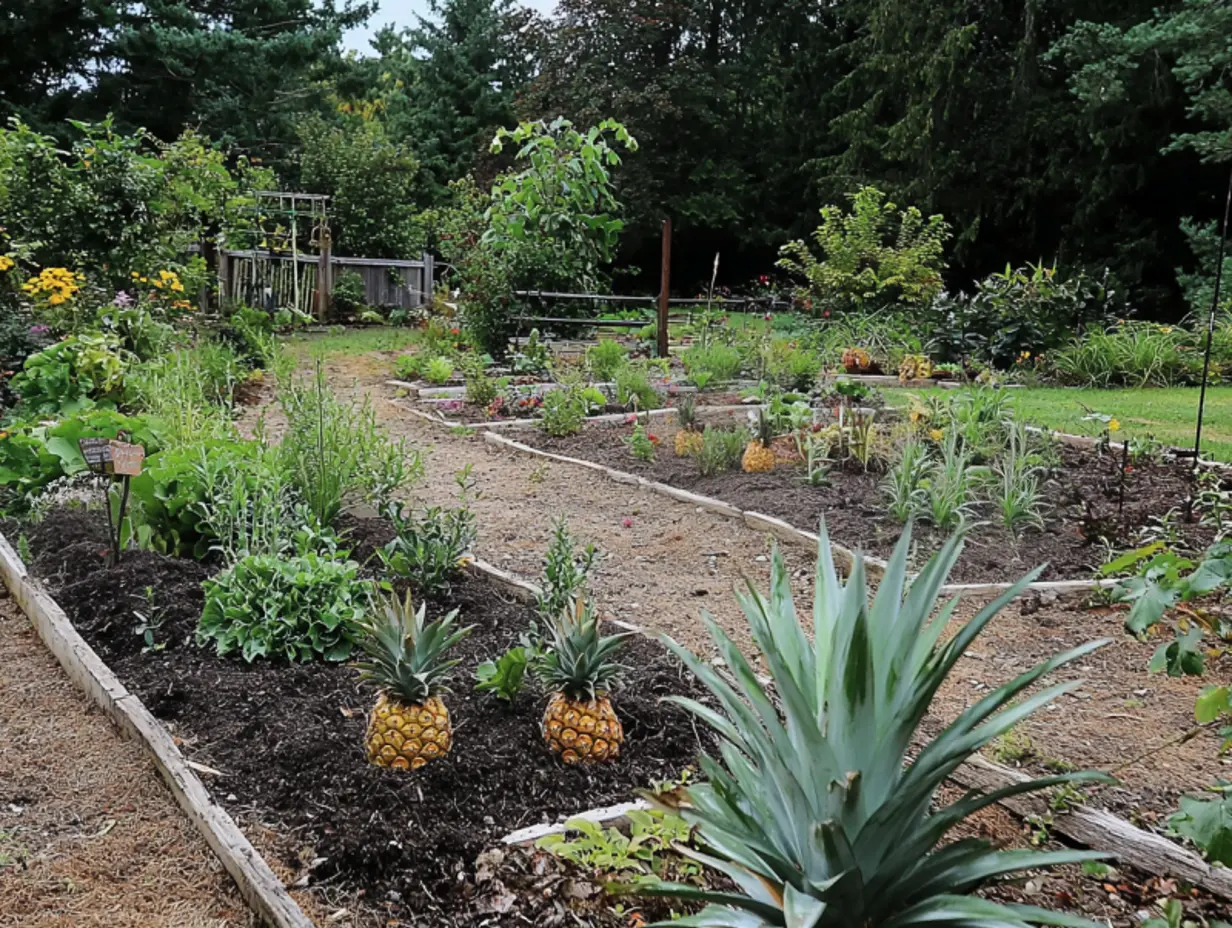
Here’s a simple yet incredible experiment: Plant pineapple scraps in different parts of your garden and check back in a week. You may notice that your soil feels richer, your plants look healthier, and pest activity decreases. The natural breakdown of pineapple peels releases essential nutrients, giving your garden an instant boost.
But why stop at just scraps? You can also regrow pineapples from their tops! Simply cut off the leafy crown of a pineapple, let it dry for a day, and then plant it in well-draining soil. With a little patience and care, you could have a thriving pineapple plant in your own backyard—one that requires minimal maintenance and rewards you with fresh fruit in about two years!
Planting pineapples in your garden is an easy, natural way to enrich the soil, deter pests, and even grow your own fruit.
Page 3 of 3
Source: https://www.tips-and-tricks.co/home-and-garden/pineapplegarden/