
7 Words That Dogs Can Understand (And 4 That No Dog Can)
 Dogs are incredibly intelligent animals, capable of understanding hundreds of words, gestures, and tones. While they may not process language the way humans do, they can recognize words through repetition and association, responding to certain cues instinctively. However, there are also some words that no dog can truly grasp, no matter how often you say them.
If you’ve had a dog you’ll know many of these, but some might surprise you! And of course, not all dogs are the same, and there are a lot of differences between the intelligence of breeds.
So, which words make the cut? Here are 7 words that dogs can understand—and 4 that no dog can. Starting with the words that it can understand.
1. Their Name
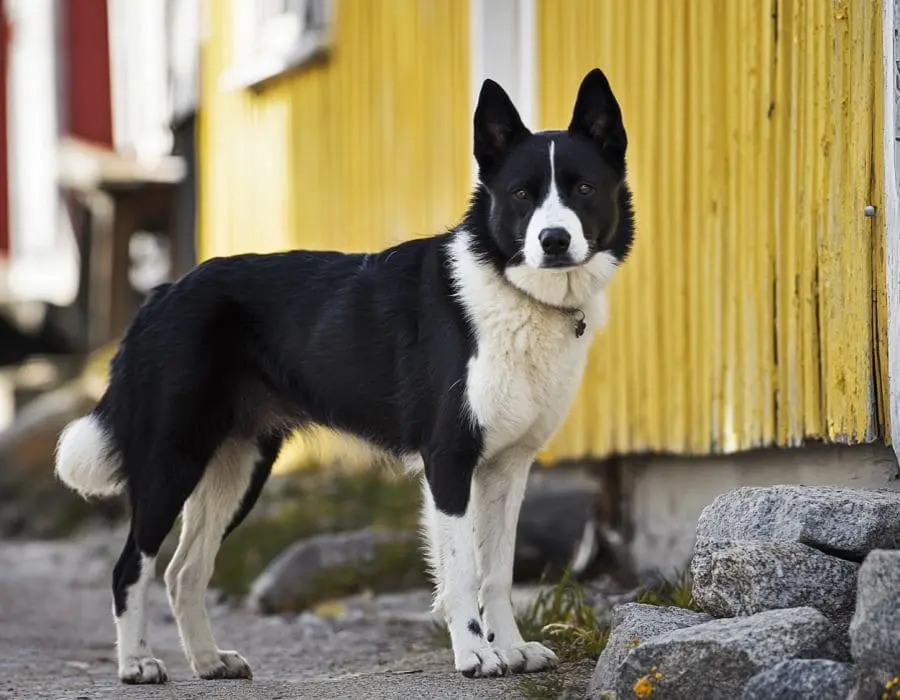
pexels.com
A dog’s own name is one of the first words they learn. They associate it with attention, interaction, and commands, making it one of the most important words they understand. Saying their name before giving a command helps them focus and prepares them to respond. However, if their name is overused (especially in a negative tone), they might start ignoring it instead.
To keep their name meaningful, use it in positive contexts—during play, praise, and rewards. Pairing their name with a treat or affection reinforces their response and strengthens their bond with you. Avoid using it solely for scolding, as this can create confusion or hesitation when calling them.
2. Sit

pexels.com
“Sit” is one of the easiest and most effective commands a dog can learn. It is often one of the first commands taught, as it helps with discipline, patience, and obedience. Dogs understand this word when paired with hand signals and treats, making it a useful tool for training and control.
Teaching “sit” also sets the foundation for more advanced commands. Practicing it regularly in different environments helps reinforce the behavior, ensuring your dog listens even with distractions.
3. Stay

pexels.com
The word “stay” teaches a dog self-control and is crucial for their safety, especially in situations where they might be tempted to run off. Dogs associate this word with remaining still until released, though some may struggle with impulse control at first.
Consistency and gradual training are key to mastering “stay.” Start with short durations and increase the time and distance as your dog improves. Rewarding them for staying put helps reinforce the command and builds their patience.
4. Walk

pexels.com
Few words excite a dog more than “walk.” Over time, dogs learn to associate the word with the action, often reacting with wagging tails and eager anticipation. Some owners even have to spell it out (“W-A-L-K”) to avoid their dog getting too excited before they’re ready to go.
To keep their excitement manageable, it helps to wait until they’re calm before leashing up and heading out. This reinforces good behavior and prevents them from jumping or barking in anticipation.
5. No

pexels.com
Dogs may not understand why something is off-limits, but they can certainly learn that “no” means stop doing that right now. This word is useful for setting boundaries and discouraging bad behavior, but it needs to be used consistently for it to be effective.
To make “no” more effective, pair it with redirection—immediately guiding your dog toward a desired behavior. Using a firm but calm tone ensures they understand without becoming fearful or anxious.
6. Treat
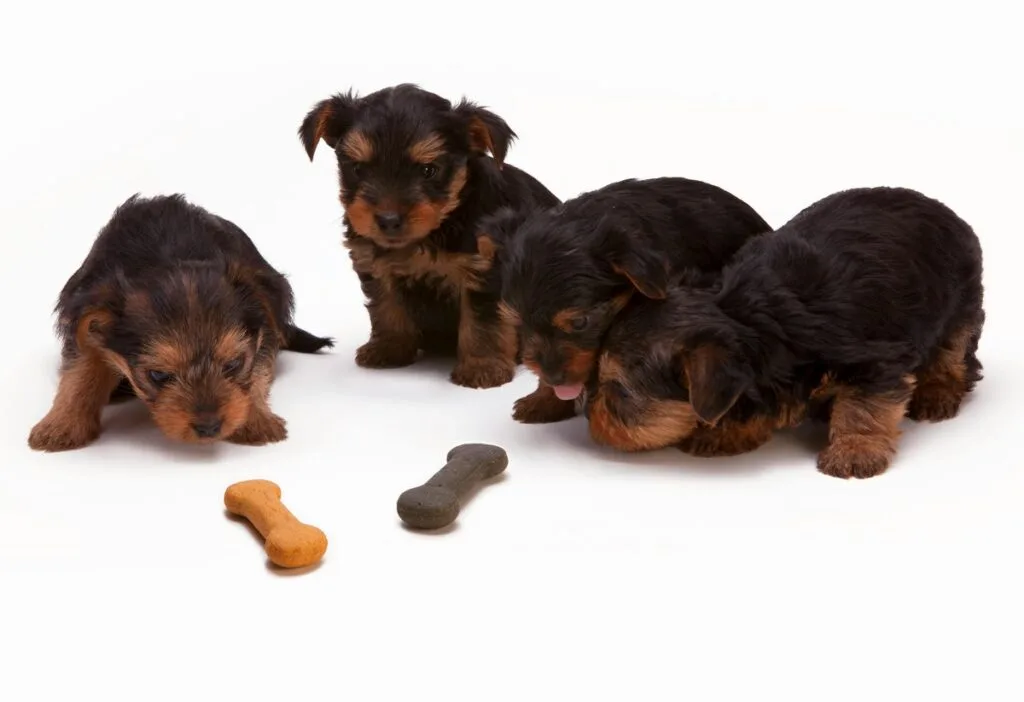
pexels.com
Much like “walk,” the word “treat” is universally loved by dogs. They quickly learn that hearing “treat” means something delicious is coming their way, reinforcing positive behaviors and strengthening their bond with their owners.
To keep treats effective as a reward, use them strategically rather than giving them too often. Mixing in praise or toys alongside treats helps maintain motivation while preventing over-reliance on food rewards.
7. Come
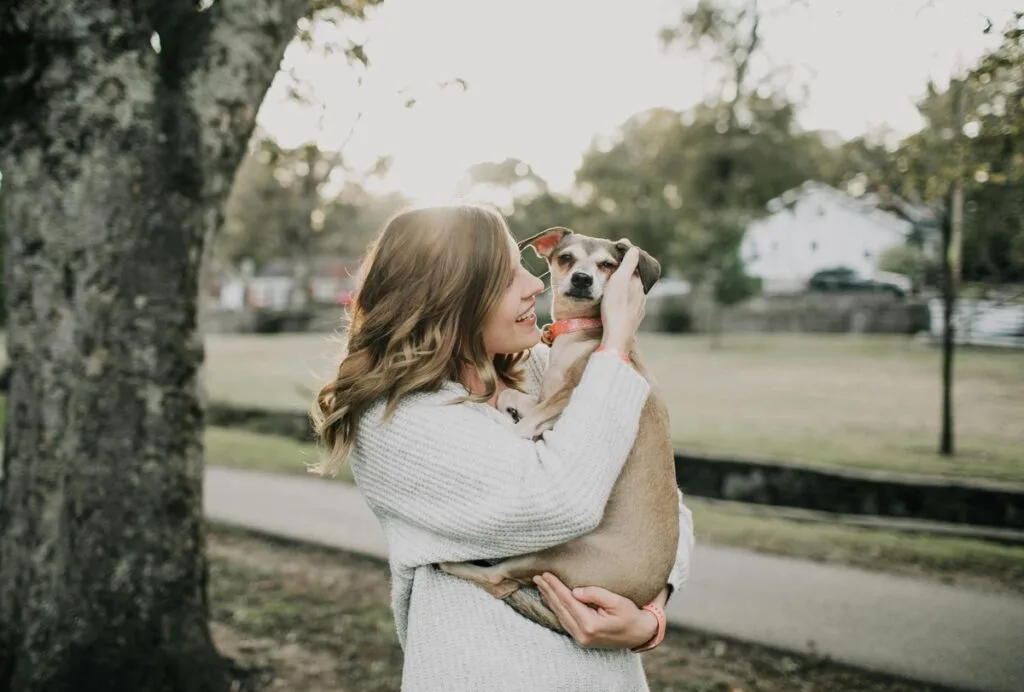
pexels.com
“Come” is an essential recall command that every dog should know. This word signals them to return to their owner, whether indoors or outdoors. When properly trained, a dog will associate “come” with positive reinforcement, making it a life-saving command in certain situations.
Practicing “come” in different environments with increasing distractions strengthens a dog’s reliability in responding. Using an upbeat tone and rewarding them every time they obey helps ensure they associate the command with something positive.
Now for four words that your dog probably won’t understand.
1. Tomorrow

pexels.com
Dogs live in the present moment, meaning they don’t understand concepts like the future. You can say, “We’ll go for a walk tomorrow,” but your dog won’t understand what that means—they only respond to actions happening right now.
This is why consistency and immediate reinforcement are key in training. Rewarding good behavior as it happens helps dogs make clear associations, while delays in praise or correction can lead to confusion.
2. Maybe

pexels.com
Uncertainty is not something dogs process. They thrive on clear commands and consistent training, so words like “maybe” or “later” don’t have meaning to them. If you say, “Maybe I’ll take you outside,” your dog will simply expect it to happen immediately.
Providing clear cues and following through on commands help build trust and understanding. Consistency in language and actions reassures your dog, making training more effective and reducing confusion.
3. Why

pexels.com
Dogs don’t question their actions or the world around them in the same way humans do. Asking them, “Why did you chew my shoe?” won’t lead to any understanding—they don’t think in terms of cause and effect the way we do. Instead, they react to their environment instinctively and through learned behaviors.
This is why it’s important to focus on redirecting undesirable behavior in the moment, rather than trying to explain or punish them for past actions. Reinforcing positive behaviors as soon as they occur helps dogs understand what’s expected of them.
4. Sorry

pexels.com
Dogs don’t comprehend apologies the way humans do. While they read body language and tone, they don’t understand the concept of remorse or regret. Saying “sorry” won’t mean anything to them, but your softer tone, gentle approach, and affectionate gestures will communicate that you mean no harm.
Instead of apologizing, focus on rebuilding trust through calm interaction and positive reinforcement. Offering treats, affection, or playtime can help reassure your dog and maintain a strong, positive bond.
Hunde lernen durch Assoziation

pexels.com
Dogs may not grasp the complexities of human language, but they excel at recognizing sounds, tones, and repeated cues. The words they understand best are those that come with consistent training, rewards, and actions. Meanwhile, abstract concepts like time, reasoning, and emotions remain outside their comprehension.
If you want your dog to learn new words, repetition and positive reinforcement are key. And while they may never understand words like “tomorrow” or “why,” they will always know the most important word of all: your name and voice.