It Happens Every Day in Japan — But Would Be Unthinkable Anywhere Else

Cafés Where You Pay to Cuddle
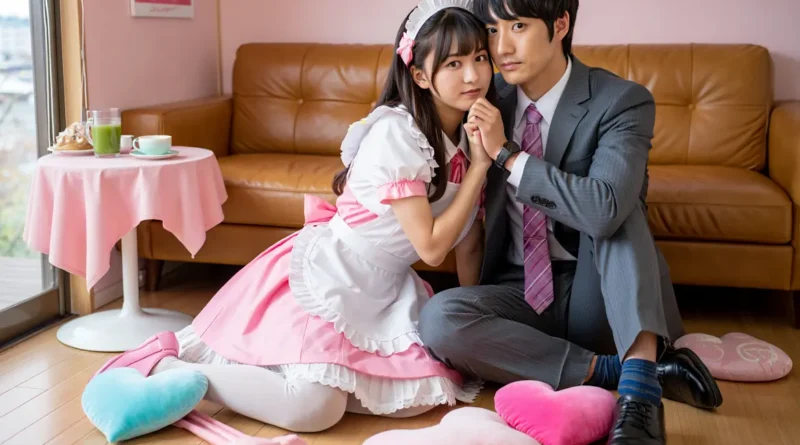
In Japan, you can walk into a café, pay an hourly rate, and cuddle with a stranger—no strings attached. These are known as soine cafés, or “sleep together” cafés, and the service involves lying next to someone fully clothed, sometimes chatting, sometimes just sleeping.
In many countries, this idea would raise eyebrows or be misunderstood. The concept of paying for non-romantic physical closeness with a stranger is unfamiliar, even taboo.
But in Japan, it’s seen as a way to relieve loneliness and stress in a high-pressure society. It offers quiet comfort—without the expectations or complications of a relationship.
Maid Cafés Where You’re the Master
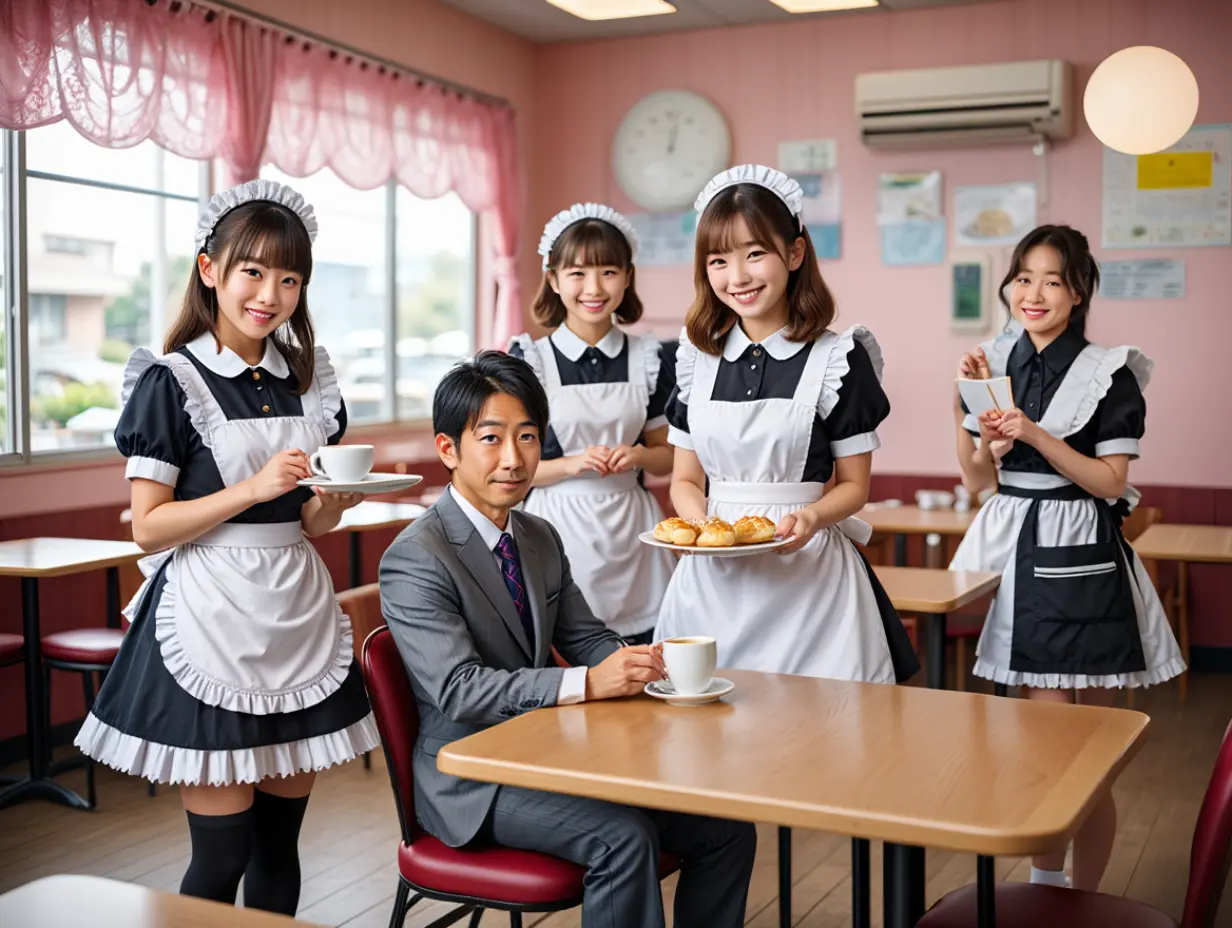
In parts of Tokyo like Akihabara, you’ll find maid cafés—themed eateries where waitresses dress in French maid outfits and treat customers like royalty. Expect greetings like “Welcome home, Master!” and food presented with cheerful rituals.
To foreign visitors, it can feel theatrical, strange, even infantilizing. But it’s not about flirting—it’s about fantasy and escapism.
These cafés offer a temporary reprieve from reality. Customers come not for the food, but for the playful atmosphere where everyone’s treated like a main character in a cozy, alternate world.
Ear-Cleaning Salons for Men
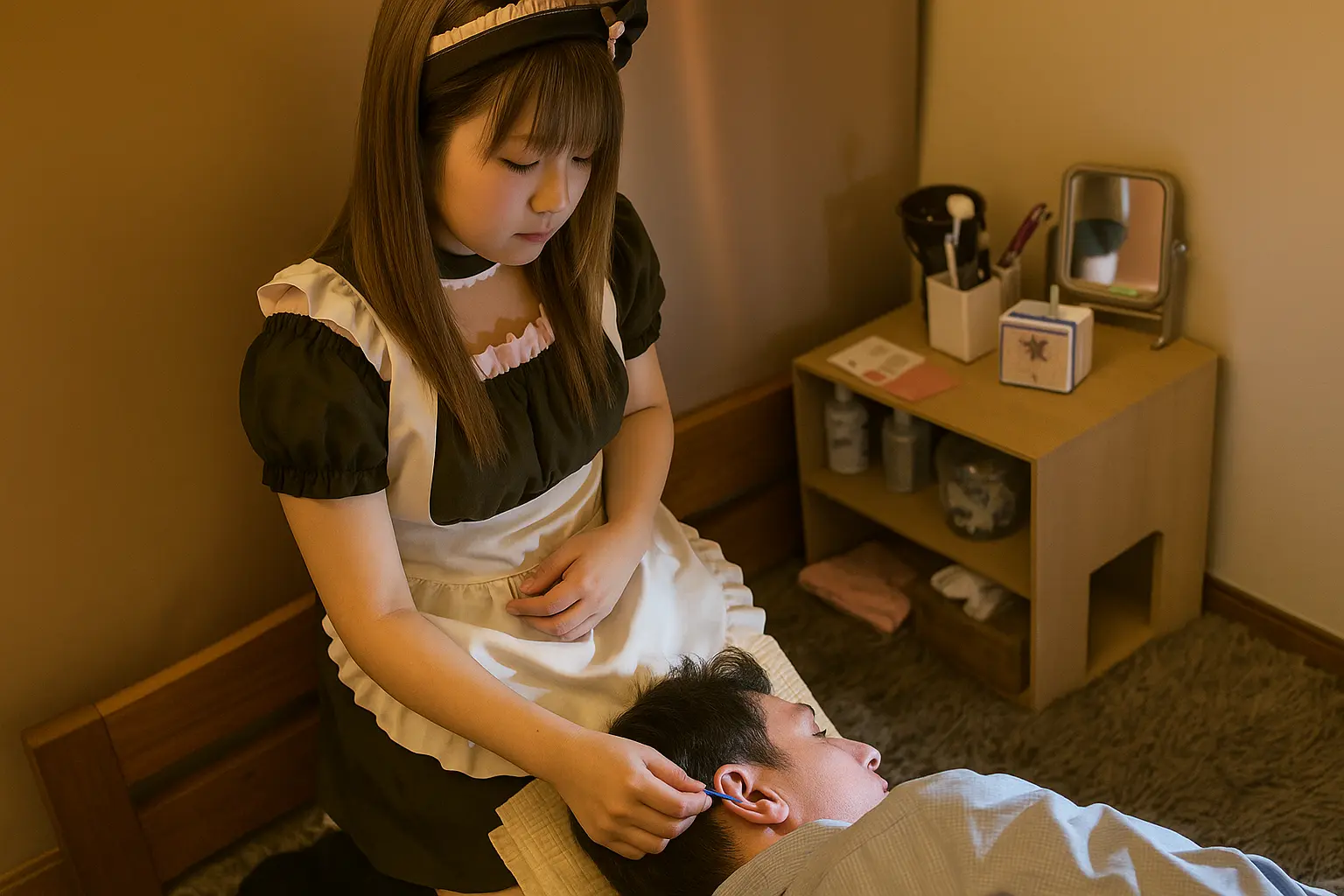
In Japan, some salons specialize in ear cleaning (mimikaki)—a service where women gently clean a male client’s ears while they rest on her lap. It’s intimate, personal, and surprisingly popular.
In most places, this would be considered far too close for comfort—if not outright inappropriate. But in Japan, it’s a nostalgic ritual rooted in childhood memories and maternal care.
The experience is designed to be relaxing and soothing, not suggestive. It taps into a desire for human connection, calm, and a break from the demands of modern life.
No One Steals Forgotten Wallets
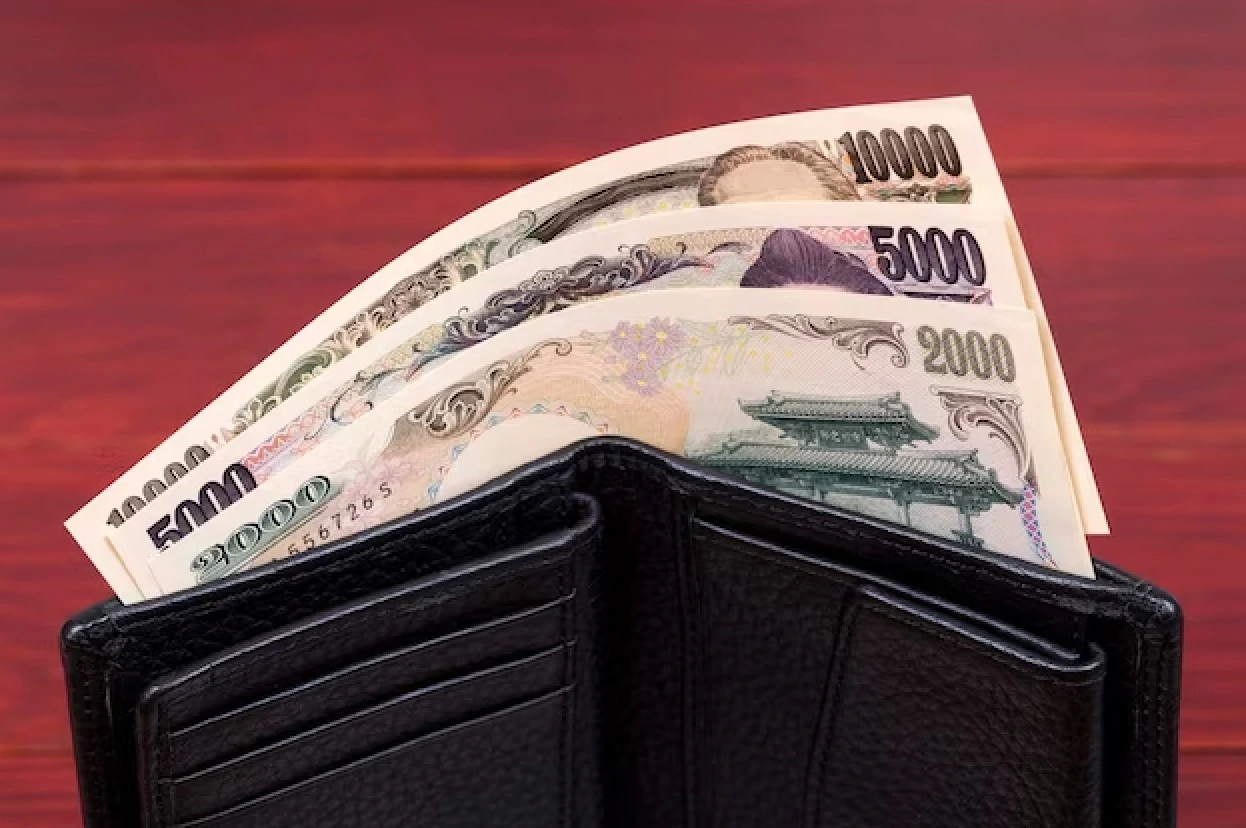
In most countries, forgetting your wallet in a public place means you can say goodbye to it forever. But in Japan, there’s a surprisingly high chance it will be turned in—with the cash untouched.
It’s so common that many locals barely worry when they misplace something valuable. Whether at a café, on the train, or in a park, someone will likely take it straight to the nearest police box.
This deep-rooted honesty may seem too good to be true, but it’s a cultural norm that continues to amaze visitors. Trust between strangers isn’t just idealized—it’s practiced daily.
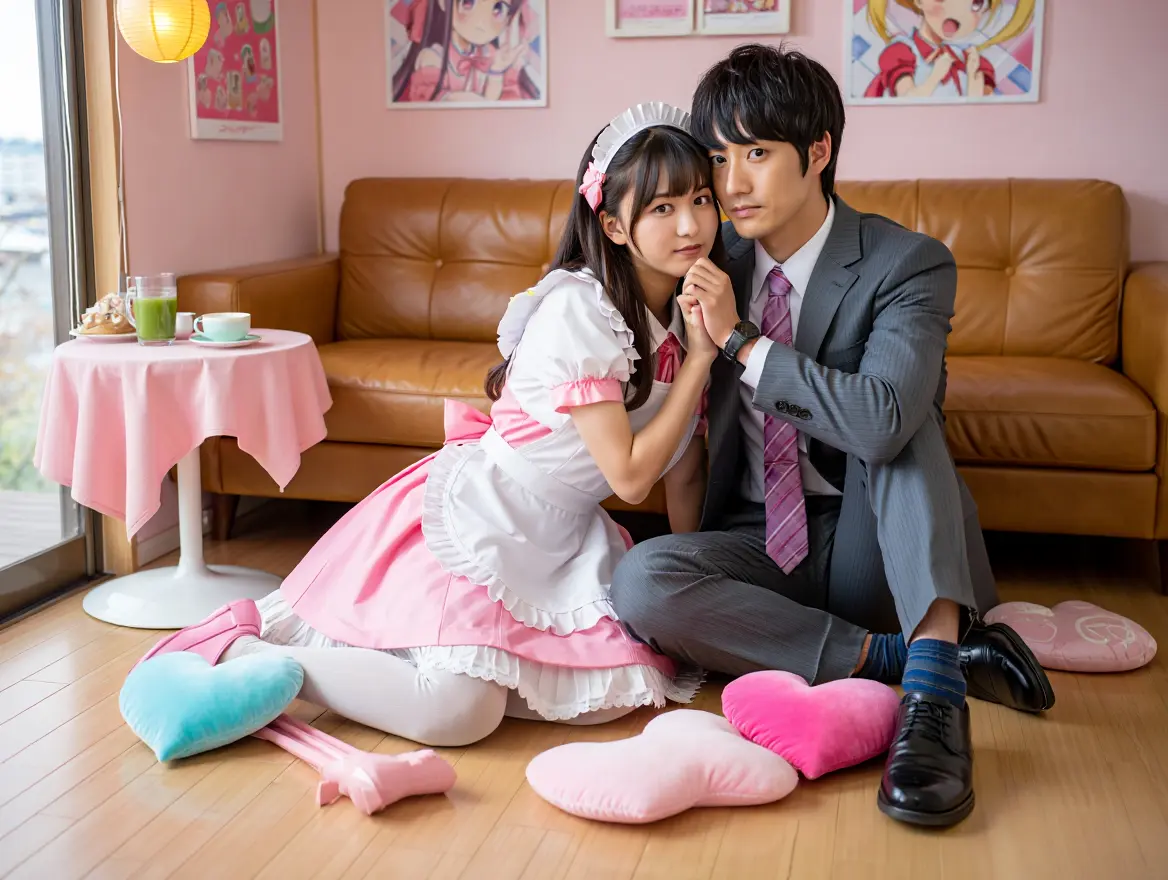
Host and Hostess Clubs
In Japanese nightlife districts like Kabukicho, host and hostess clubs thrive. Customers pay to drink and chat with attractive staff whose job is to make them feel seen, heard, and admired.
To outsiders, it might resemble dating or manipulation. But it’s a clearly defined transaction—companionship for a fee, no hidden motives.
These clubs cater to emotional needs in a controlled setting. For many, it’s about conversation and validation in a fast-paced, impersonal world—not romance or physicality.
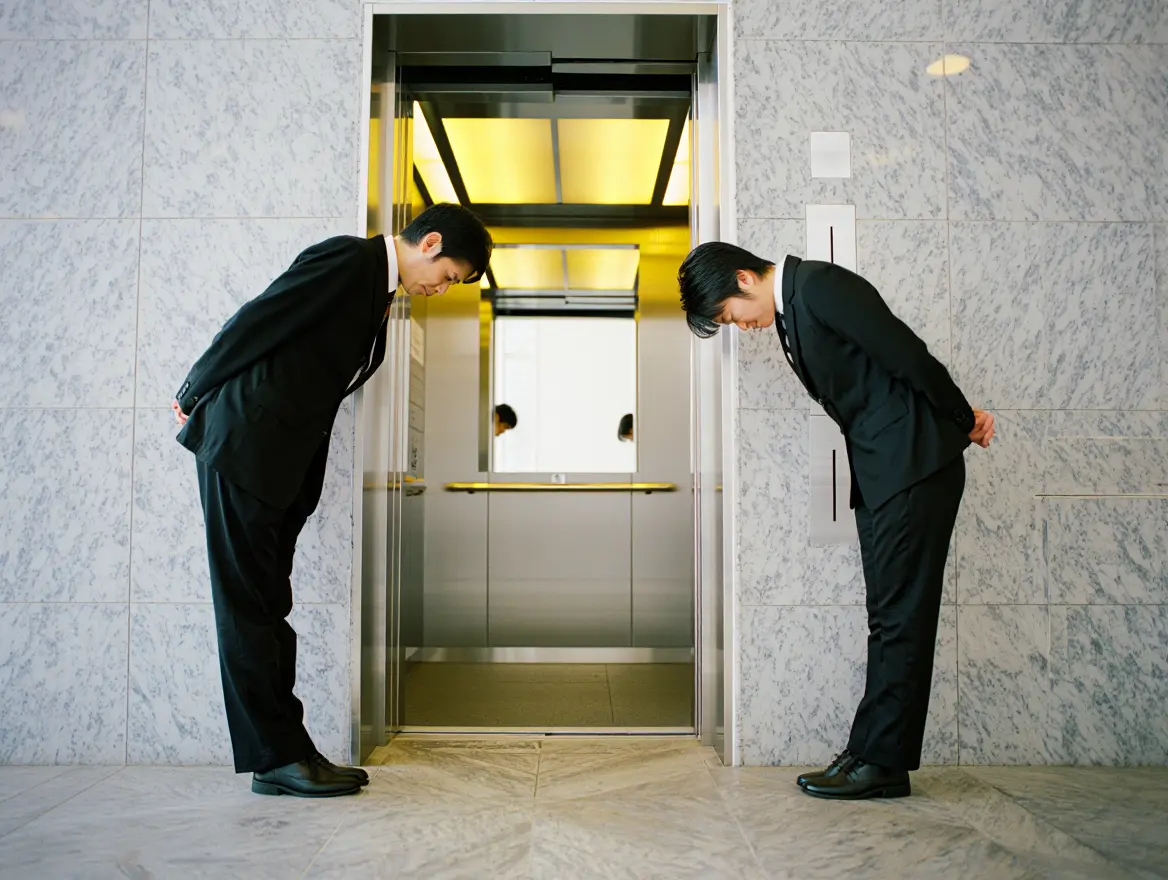
Department Store Employees Bow to Empty Elevators
In upscale Japanese department stores, it’s not unusual to see staff bowing to elevators—even when no one is inside. As soon as the doors close, they offer a deep, polite bow as if saying goodbye to an honored guest.
To outsiders, it can seem puzzling or overly formal. Why show respect to a machine or an empty space? But in Japan, it’s about maintaining dignity and ritual at all times.
These gestures aren’t meant for an audience—they’re part of a broader cultural mindset that values discipline, respect, and consistency, no matter who’s watching.
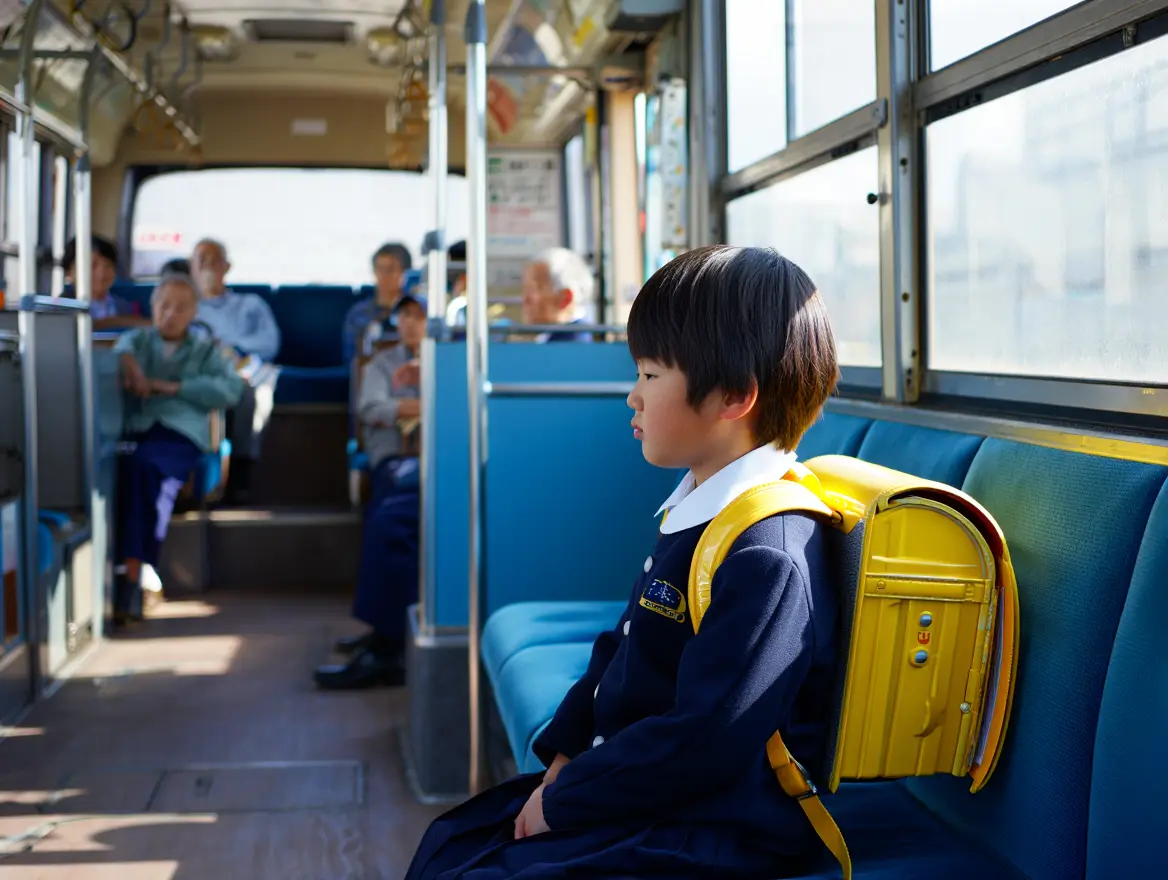
Schoolchildren Ride Trains Alone
Every morning, in cities across Japan, you’ll see young children—some as young as six—boarding public trains by themselves. Neatly dressed in uniforms with bright yellow hats or backpacks, they navigate crowded platforms without adult supervision.
To visitors, it might seem dangerous or even negligent. In many countries, letting a child out of sight, let alone on a public train, would raise alarms. But in Japan, it’s seen as a normal part of growing up.
This daily ritual speaks volumes about the country’s emphasis on safety, trust, and community responsibility. What would be considered reckless elsewhere is a symbol of independence and societal cohesion in Japan.
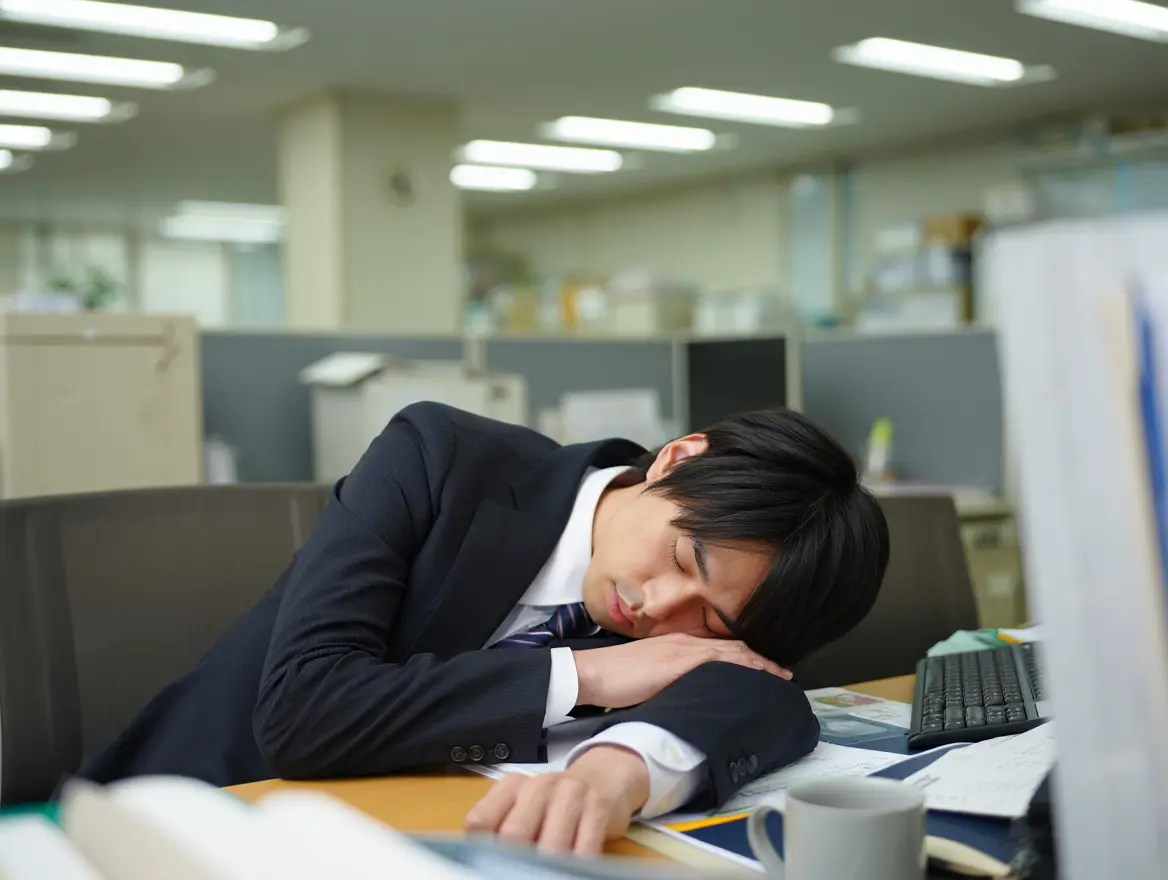
Workers Sleep on the Job — and It’s Encouraged
In many countries, falling asleep at your desk would earn a warning—or even a termination. But in Japan, this behavior, called inemuri, is often seen as a badge of dedication.
It’s not considered lazy or disrespectful. Instead, it suggests that the person is working so hard they’re exhausted, yet still present in the workplace.
While it might look odd to foreigners, inemuri is accepted—even praised—in Japan’s work culture. Sleeping at your desk isn’t slacking off; it’s proof of relentless commitment.
People Don’t Talk on Trains
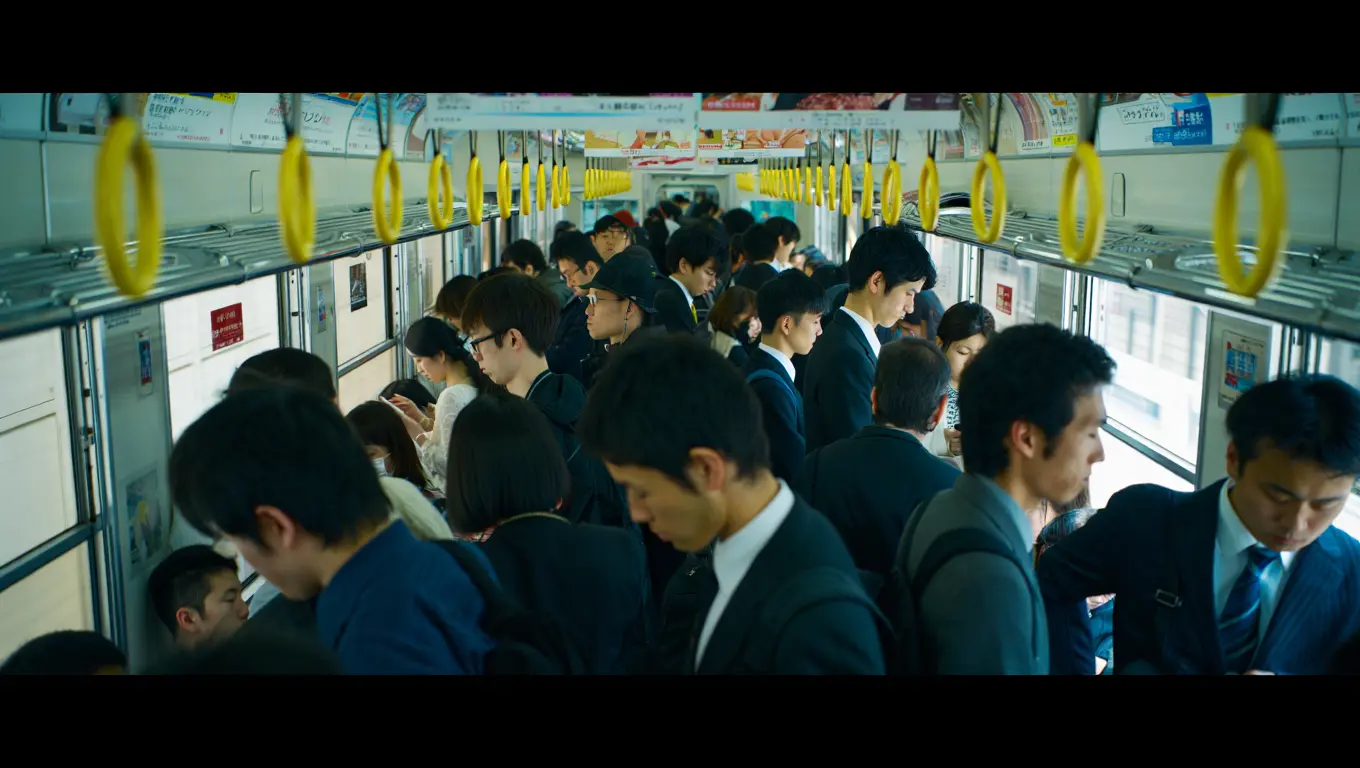
Hop on a train in Tokyo during rush hour and you’ll notice something unusual—silence. Even though the cars are packed, no one is talking on their phones or chatting loudly with friends.
In most countries, public transit is full of noise and conversation. But in Japan, quiet is a sign of courtesy, not awkwardness.
Keeping to yourself in public spaces is a deeply ingrained social norm. It ensures a calm, respectful environment, especially in shared spaces like trains—something unimaginable in many other bustling cities.
Schoolchildren Clean Their Classrooms
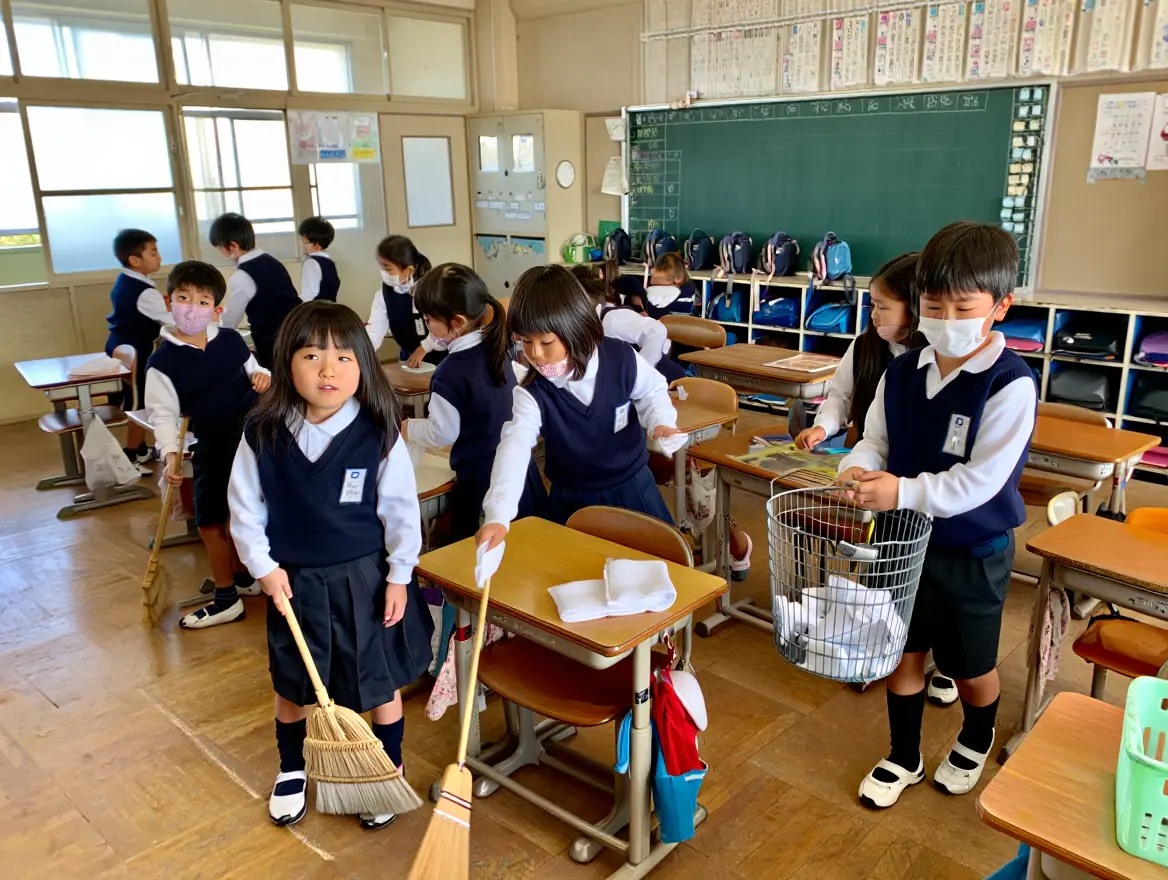
In Japanese schools, there are no janitors to sweep the floors or wipe down desks. Instead, students clean their classrooms, bathrooms, and even hallways—every single day.
To an outsider, it might seem like punishment. But in Japan, this routine is about teaching responsibility, respect for shared spaces, and humility.
It’s a practice rooted in values, not convenience. And it’s a daily reminder that no one is too important to pick up after themselves.
Vending Machines Are Everywhere—and Never Vandalized
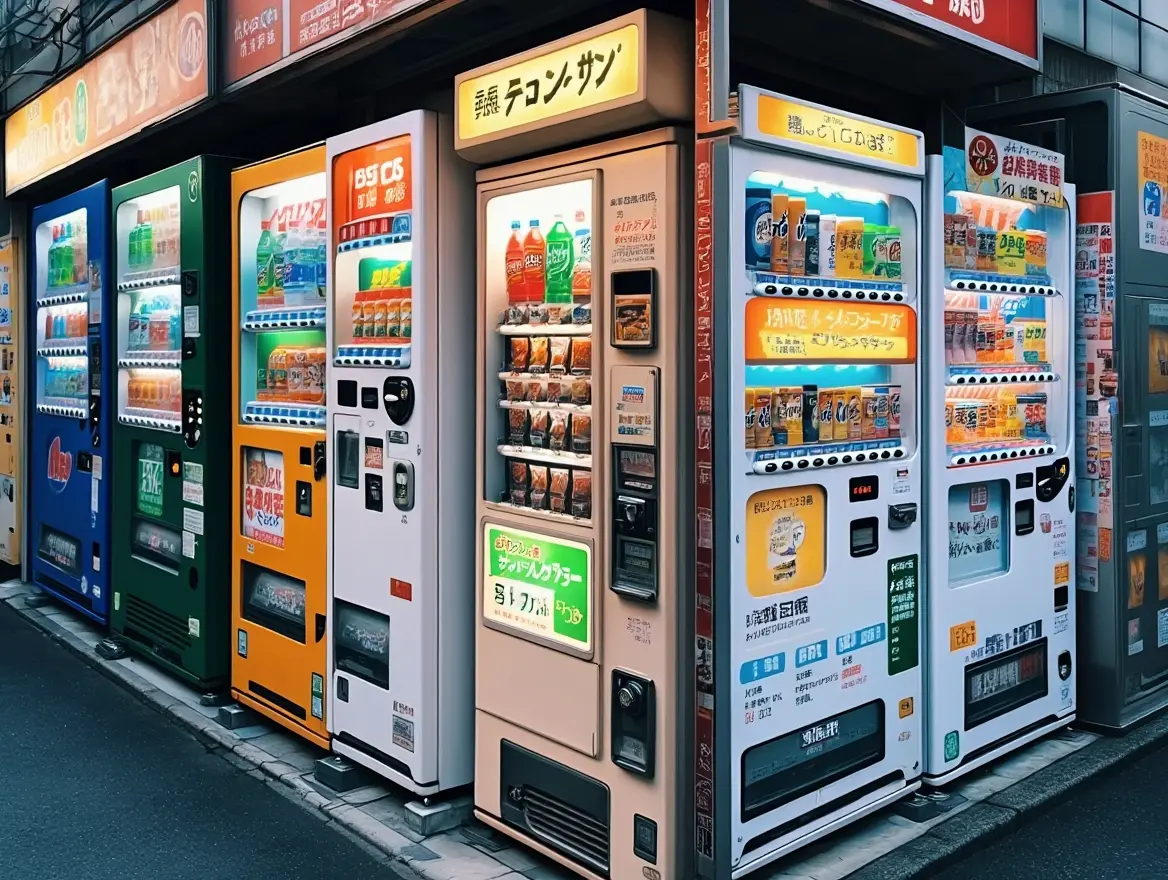
From tiny mountain towns to the heart of Tokyo, vending machines are everywhere. You’ll find them dispensing everything from hot drinks to fresh eggs—and they’re almost always in perfect condition.
In other countries, unattended machines often invite theft or vandalism. But in Japan, people respect them as part of daily life.
The combination of public trust and personal discipline keeps these machines safe and spotless—something almost unimaginable in other parts of the world.
Vandalism Is Nearly Nonexistent
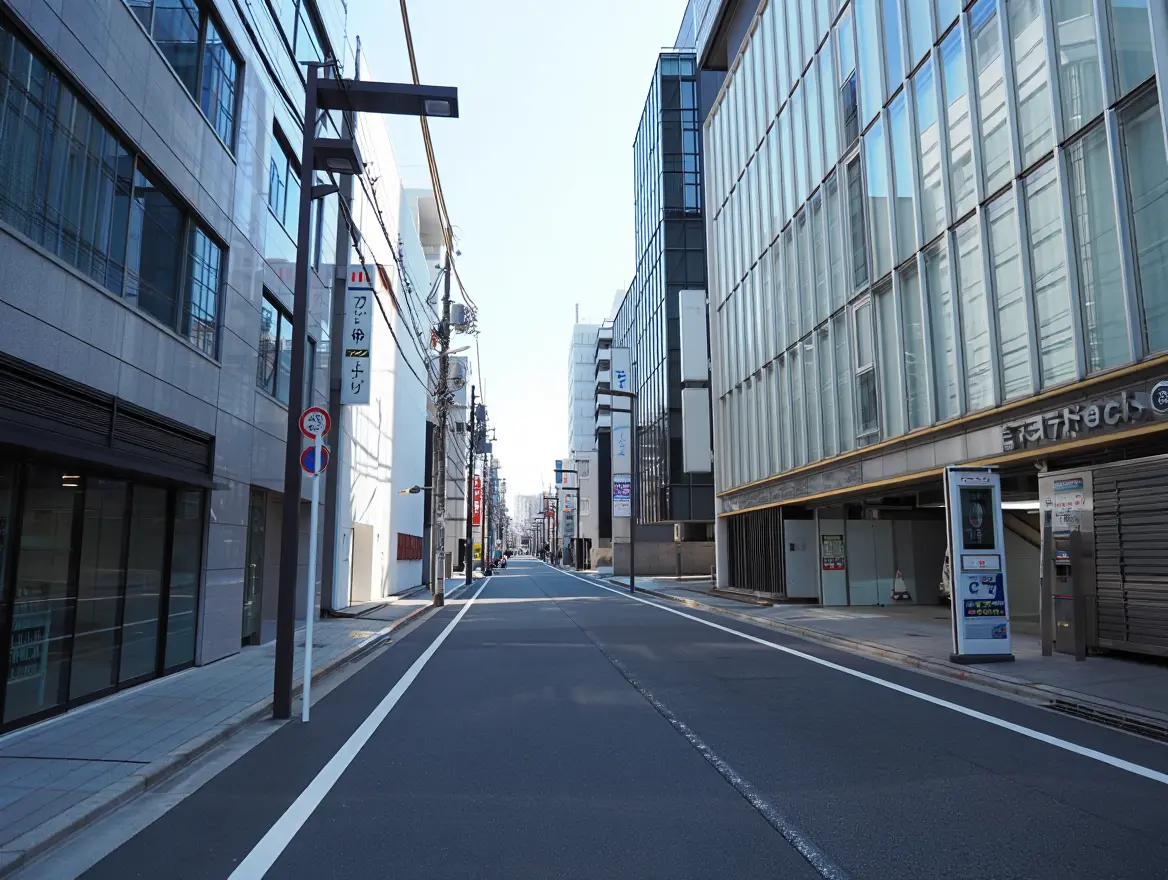
Graffiti and property damage are sadly common in many cities around the world. But in Japan, public vandalism is incredibly rare. Even in major cities, you’ll find spotless streets, unsmudged signs, and pristine public restrooms.
To foreigners, this seems too good to be true. What’s stopping people from acting out?
The answer lies in strong social pressure, a sense of shared space, and a cultural mindset that prizes order and harmony over individual rebellion. Here, public respect trumps private impulse.

Apology Agencies Exist for Hire
Made a mistake but don’t want to face someone yourself? In Japan, there are agencies where you can hire someone to apologize on your behalf—face-to-face or by letter, with sincerity practiced down to the bow.
In most cultures, a heartfelt apology must come from the person who made the mistake. Outsourcing it would seem cowardly or absurd.
But in Japan, saving face and respecting hierarchy are key. A professional apology isn’t about avoiding blame—it’s about preserving dignity on both sides.