Thinking Your Driveway Is Safe for a Camper? These Parking Rules Say Otherwise
For many people, it feels completely normal. You take your camper out of storage to clean it, load it up, or head out for one last autumn weekend. You park it on your own driveway—after all, it’s your property and your house.
But anyone who thinks they can do whatever they want on their own land is in for a rude awakening. The municipality is watching, and it can force you to remove the vehicle.
Head to the next page to read more:
The APV Trap
It feels like the ultimate violation of property rights: you’ve paid a fortune for your house and the land it sits on, yet the municipality decides what may or may not be there. The culprit is the General Local Ordinance (APV). Almost every Dutch municipality includes a clause specifically targeting recreational vehicles. The standard rule is well known: you may park for a maximum of three consecutive days on public roads.
What many people still don’t realize—even in 2025, and where things go wrong—is the fine print about “visibility.” In most ordinances, the parking ban applies not only to the street, but to any location visible from the road. Is your camper on your own driveway, but visible to the neighborhood officer from the sidewalk? Then legally, you’re still in violation, and your private property is effectively fair game.
Not a Ticket, but a Financial Noose
The real danger lies in the penalty that follows. Many owners take the risk, assuming the worst they’ll face is a small parking fine, like illegal parking downtown. The reality is far harsher—and more expensive. Because this is an administrative violation (conflicting with zoning plans or the APV), municipalities use a penalty payment order.
This isn’t a one-time slap on the wrist, but a financial pressure tactic. The municipality orders you to remove the vehicle. If you don’t—or if you put it back later—you pay immediately. These penalties often start at €500 per week and can climb into the thousands. Renting professional storage is far cheaper than fighting the enforcement department.
The “Drive Around the Block” Trick No Longer Works
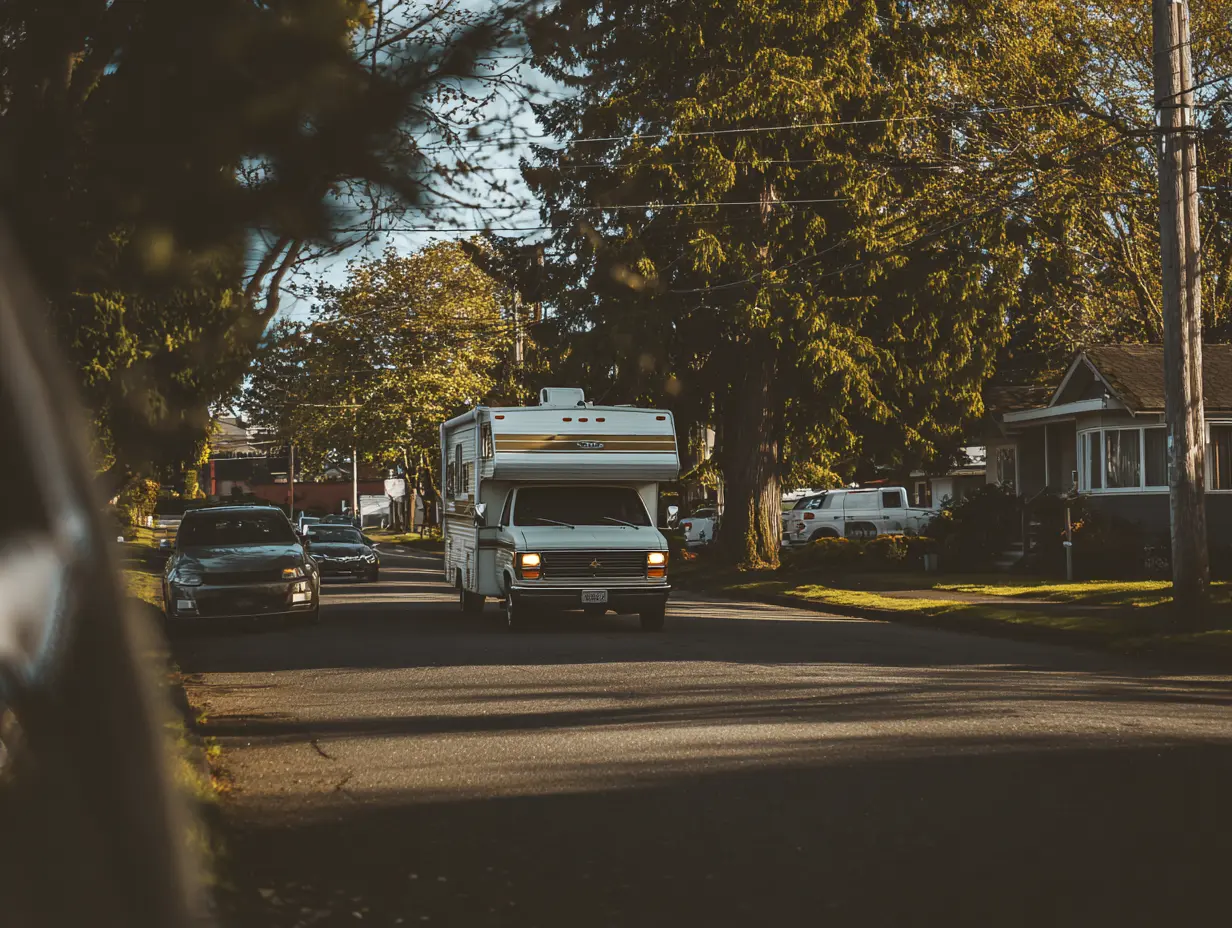
You’ll often hear this tip at birthday parties: “Just take it for a quick drive after three days, then the clock resets.” Don’t bother—enforcement officers aren’t naïve. They now use digital case files and time-stamped photos to prove you’re trying to circumvent the rules.
The law refers to “consecutive parking,” but courts have repeatedly ruled that briefly moving the camper (a quick loop around the block) does not reset the clock. The purpose of the rule is to prevent a permanently cluttered streetscape. If your camper sits on the driveway 360 days a year and you occasionally drive it around, you’re evading the rule—and that’s not allowed.
The Only Safe Way Out
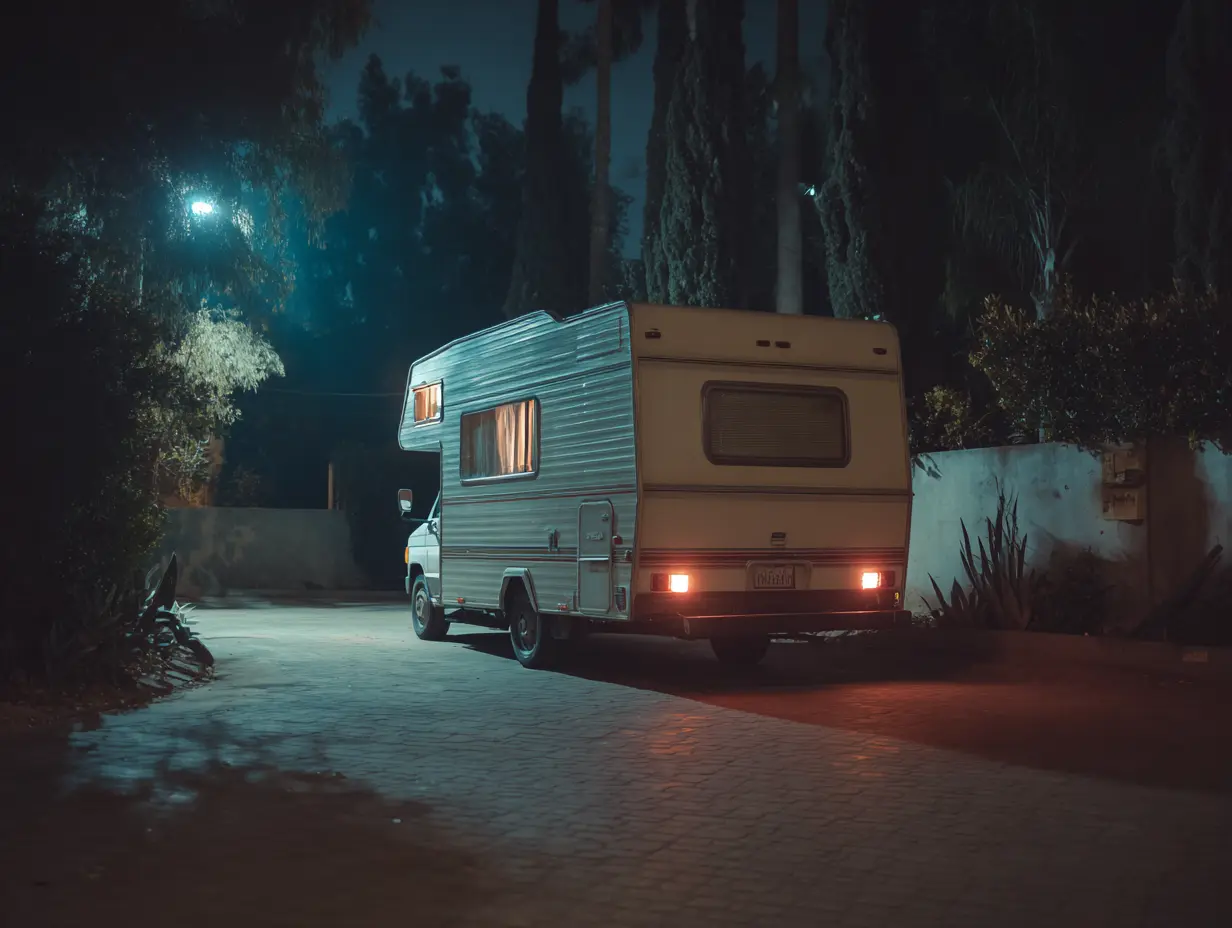
So can’t you do anything with your own land? You can—but you have to play by the rules and have the space. The key legal concept in this maze is the rear building line.
In plain terms: if you park the camper far enough back on your property so that it sits behind the rear of your house, the municipality often can’t touch you. A high fence or a garage box can also help. As long as the vehicle is hidden from view and doesn’t dominate the streetscape, you’re usually in the clear.
Watch Out for the “Snitch Line”
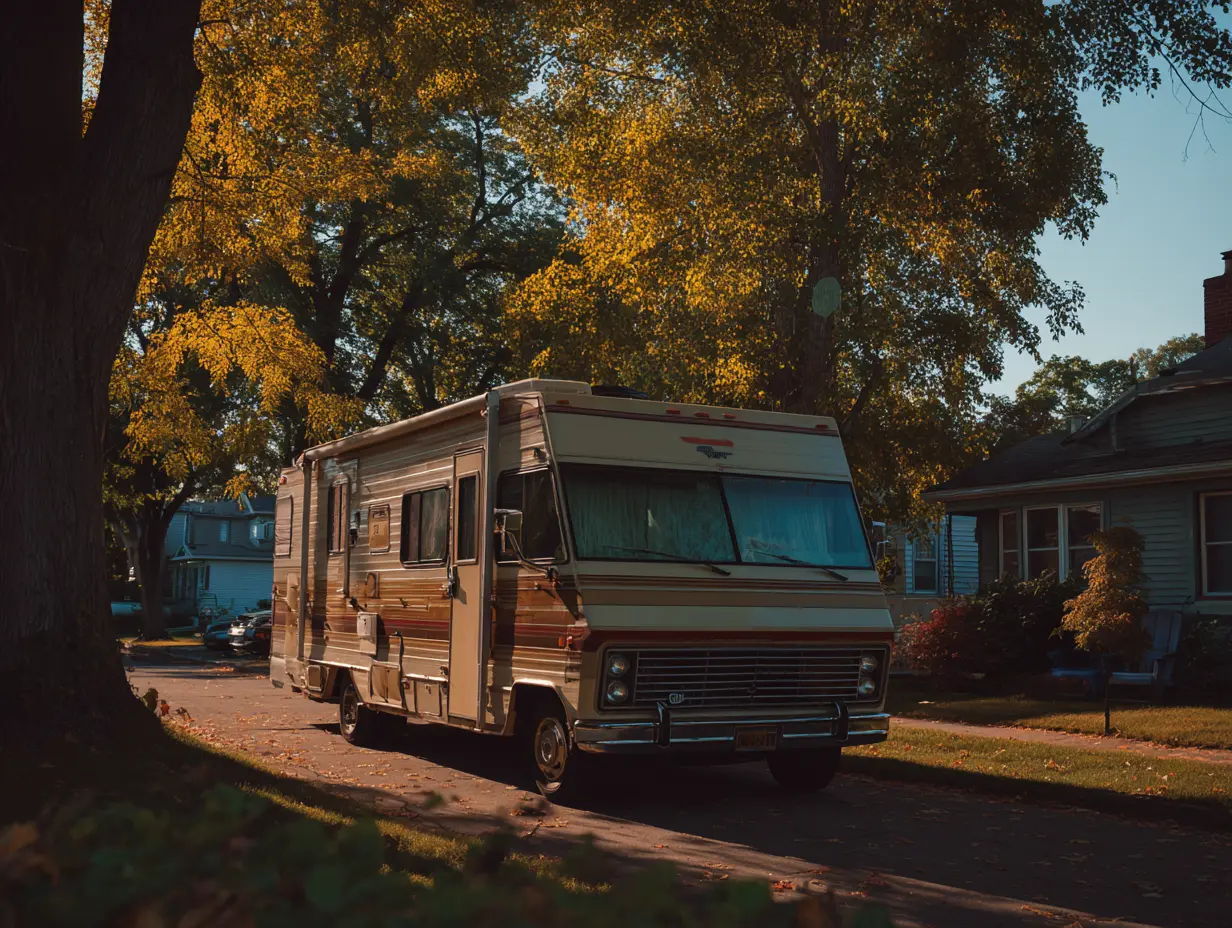
The biggest threat doesn’t come from an enforcement officer driving by—it comes from your neighbors. Municipalities rarely have the capacity to actively hunt for campers in residential areas. Almost every enforcement action starts with a report via a civic app or a phone call from an irritated neighbor.
Is your camper blocking their sunlight, or do they simply find it ugly? Then it’s only a matter of time before a letter with a penalty order lands on your doormat. Our advice for 2026 is clear: use your driveway only for loading and unloading (maximum three days), and find storage for the rest of the year. Legally speaking, your own driveway is far less private than you think.