
Man buys Mercedes-Benz for €35,000 at auction—and uncovers the painful truth months later
 Buying a car at a blind auction is Russian roulette, even for seasoned professionals. One moment it seems like the deal of the decade, and the next it threatens financial ruin. For one buyer, that nightmare nearly came true when his Mercedes-Benz GLE Plug-In Hybrid refused to function at all—four full months after purchase—until a YouTube expert finally stepped in.
The story begins in Wembley, at a local body shop where the GLE sat collecting dust. The SUV had been bought at auction for £30,000, which is around €36,000, roughly a third of its original retail price. With only rear-end damage visible, the purchase looked like a straightforward repair job and a chance at a quick profit for an experienced panel builder.
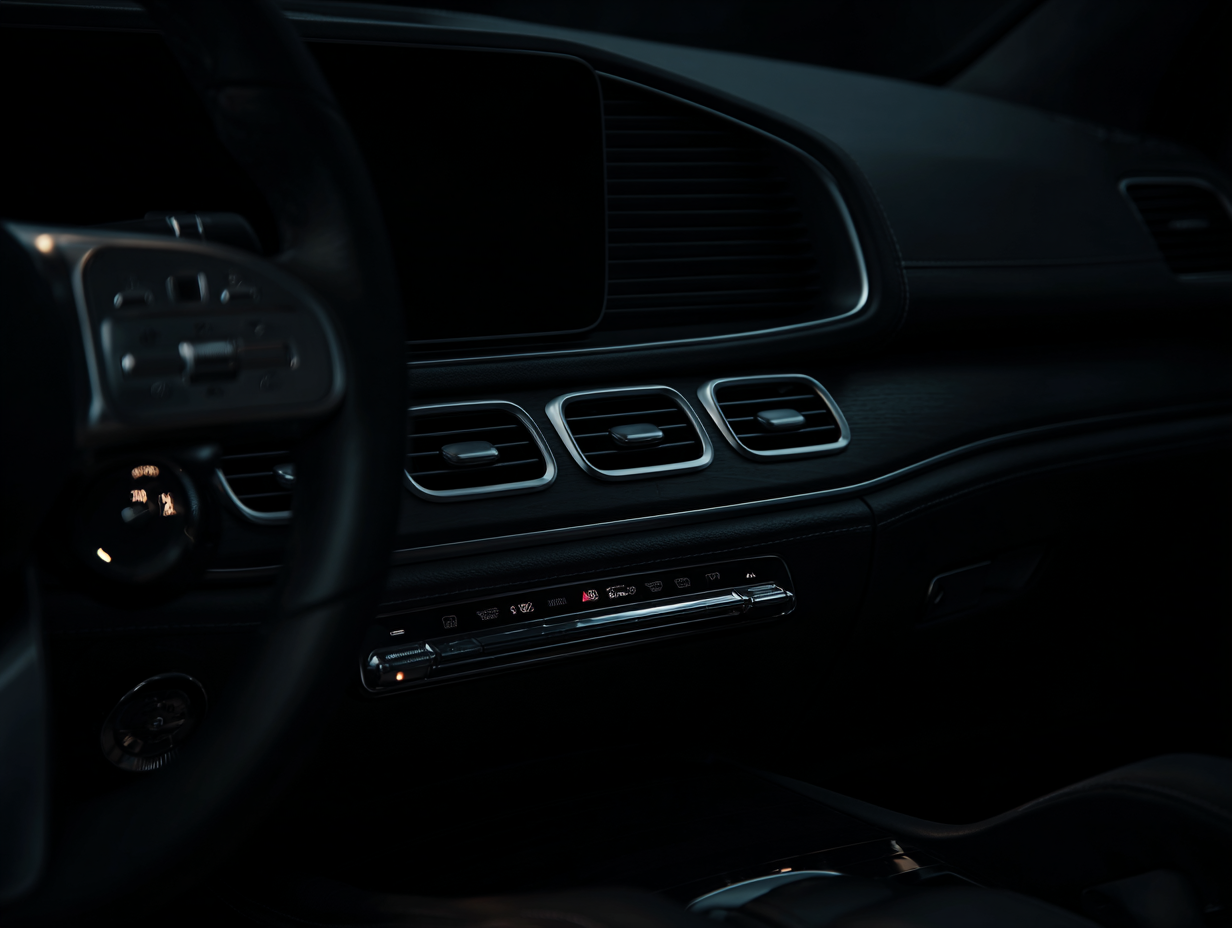 But once the bodywork was completed, reality hit hard. The dashboard stayed dark, the engine wouldn’t start, and the complex hybrid system remained locked in safety mode. For four months, multiple mechanics tried—and failed—to revive it. The owner grew increasingly desperate, knowing that a non-drivable hybrid of this class is essentially an extremely expensive pile of plastic and metal.
As a last resort, the car was handed over to the team behind OGS & Mechanics. What they found was chaos: a dead battery, loose panels, and a flood of digital fault codes. Earlier repair attempts had only made things worse. A damaged control unit had been replaced with a second-hand part that physically fit, but digitally didn’t belong. In Mercedes’ ecosystem, mismatched software between chargers, inverters, and the main computer is enough to cripple the entire vehicle.
 Worse still, an invisible safety system was blocking everything. Because the car had been in an accident, the high-voltage interlock circuit had activated—cutting power from the battery pack to prevent electrocution. Some technicians suspected broken cables or even considered welding plastic connectors, a dangerous idea when dealing with high voltage. The real fix, however, wasn’t mechanical—it was digital.
Using advanced diagnostic software, the OGS team recoded the second-hand modules so their software finally matched the rest of the car. Error messages began to disappear. The final step was resetting the Battery Management System lock. Once the computer received confirmation that the car was safe, the high-voltage battery was released, and the dashboard came alive.
When the start button was pressed, four months of silence ended instantly. The combustion engine fired up, steam rose from the exhaust, and the system showed the battery was ready to charge again. What had nearly become scrap metal turned back into a valuable luxury SUV. For the owner, relief replaced despair. His risky auction gamble paid off, but only just. The story is a clear warning: without the right tools and deep knowledge of software, modern damaged cars aren’t bargains; they’re unsolved riddles on wheels.
Source: https://www.tips-and-tricks.co/online/mercedeselectronic/