Aspirin Has More Household Uses Than Most People Realize
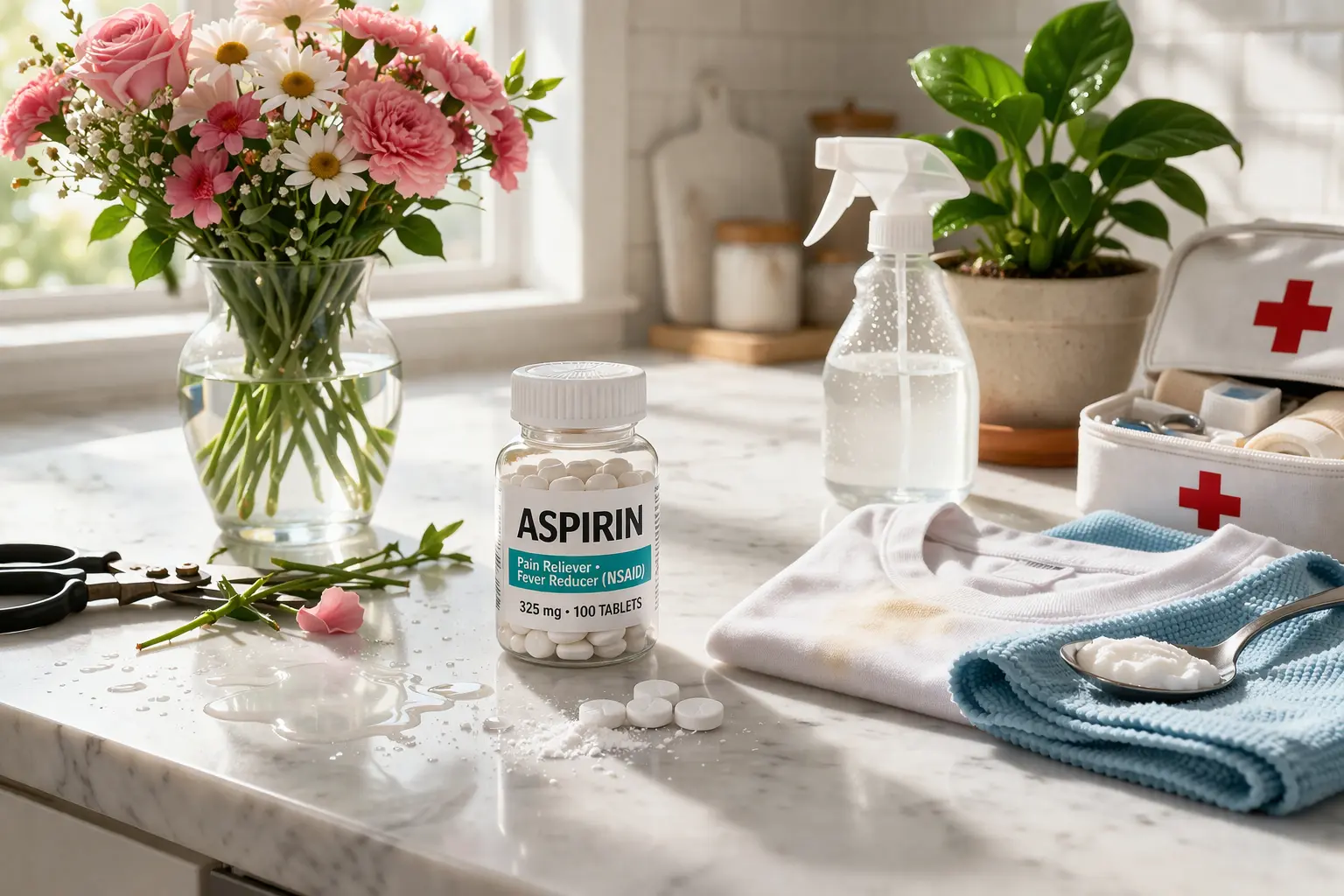
Aspirin is best known as a go-to remedy for headaches, minor aches, and fever. But over time, it has also built a reputation as one of those surprisingly versatile items people keep around for more than just its intended purpose. In many households, it has become one of those “good to have around” staples that occasionally gets used in small, practical ways outside the medicine cabinet.
DISCLAIMER: That said, aspirin is still a medication, not a general-purpose household product. Some of the uses people associate with it are more about old home tricks and convenience than everyday necessity. It should always be handled carefully, kept away from children and pets, and never treated as a substitute for proper cleaners, treatments, or medical advice.
The best way to think of it is as an occasional backup — something that may come in handy in certain situations, but not something to rely on for everything. Used thoughtfully, though, it is one of those simple items that has managed to stay surprisingly relevant around the house.
1. It may help cut flowers last a little longer
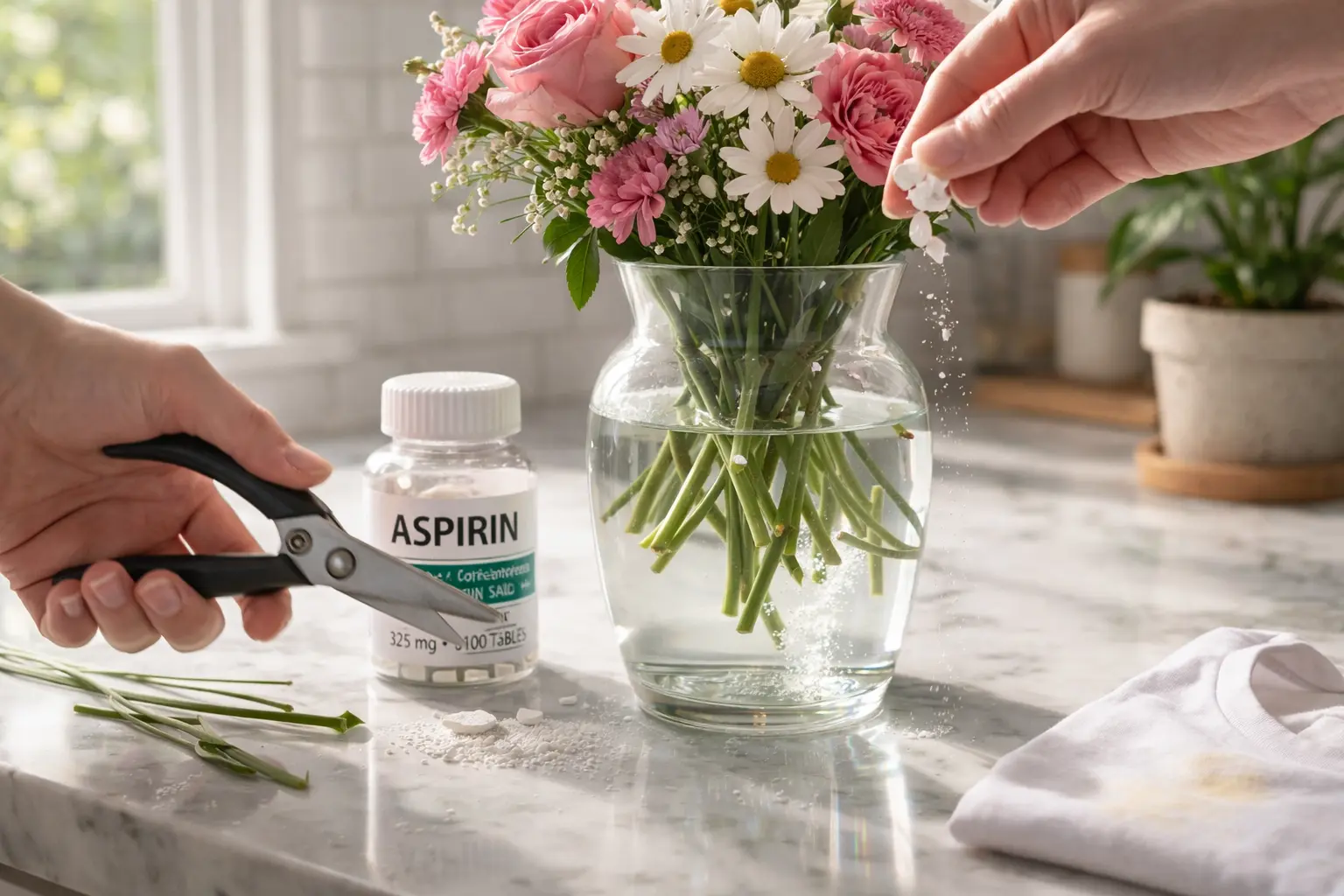
One of the most widely known alternative uses for aspirin is adding it to vase water for fresh flowers. The idea behind this is simple: aspirin may help slow down some of the natural processes that cause flowers to wilt after being cut. While it is not a guaranteed solution, it has been used for years as a quick way to try and extend the life of a bouquet.
This is especially useful when you do not have commercial flower food on hand. A single crushed tablet dissolved in water is usually enough for a standard vase. That said, it works best when combined with basic care — such as trimming the stems at an angle, changing the water regularly, and keeping flowers away from direct heat or sunlight. On its own, aspirin will not perform miracles, but it can sometimes help flowers stay presentable for a little longer.
Head over to the next page to read more:
2. It can be used as a light stain pre-treatment
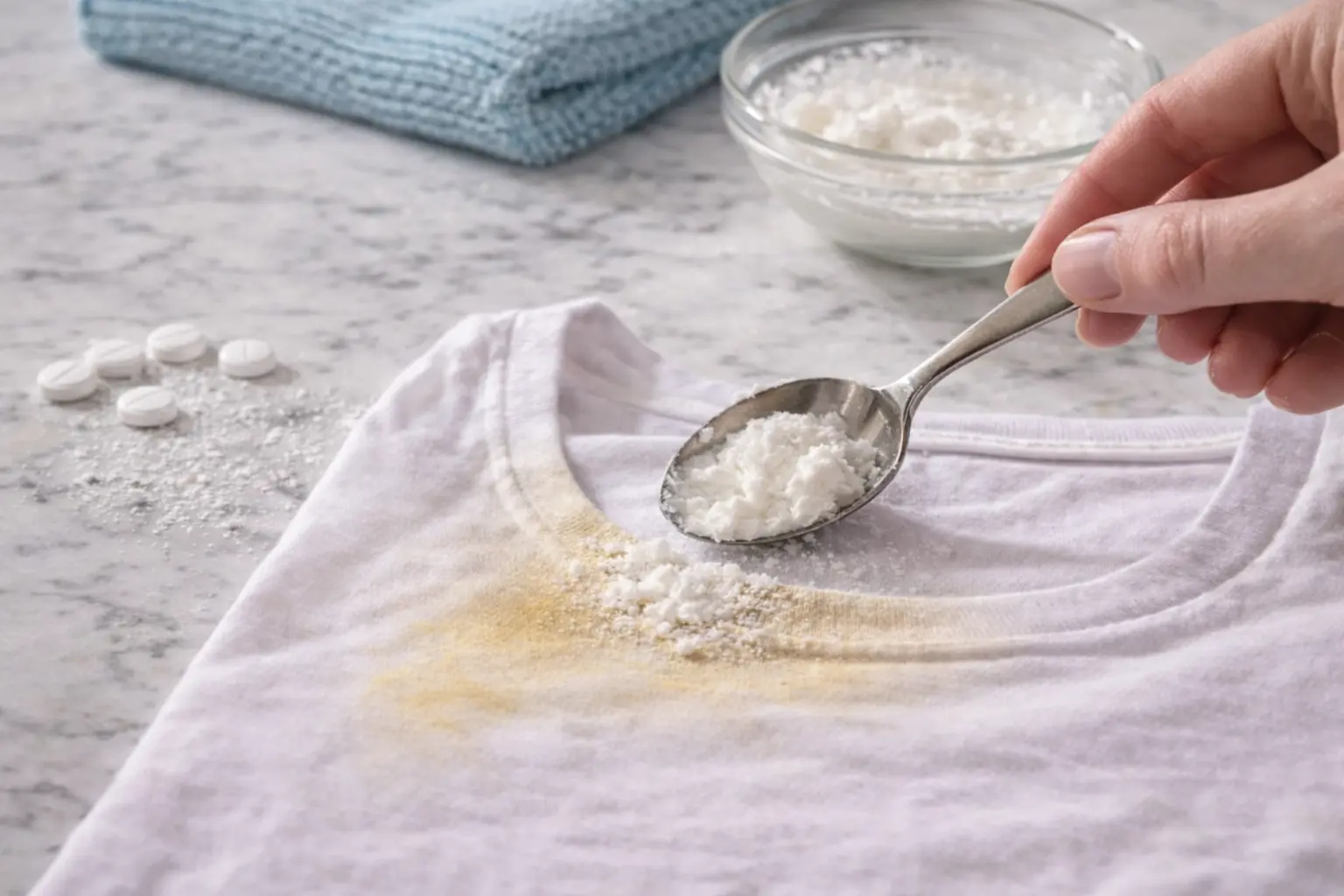
Aspirin has also been used as a simple DIY option for treating mild stains on clothing, particularly sweat marks or yellowing around collars and underarms. The usual method involves crushing a few tablets, mixing them with water to form a paste, and applying it directly to the affected area before washing.
This approach tends to work best on small, fresh stains rather than older or deeply set ones. It is often treated as a quick fix when you do not have a proper stain remover available. Letting the paste sit for a short period before rinsing and washing can sometimes improve the result.
However, it is important to test this on a small area first, especially with delicate fabrics. While it can help in certain situations, it is not as reliable as purpose-made laundry products, and stronger stains may still require a more targeted solution.
3. It belongs in a basic home emergency kit
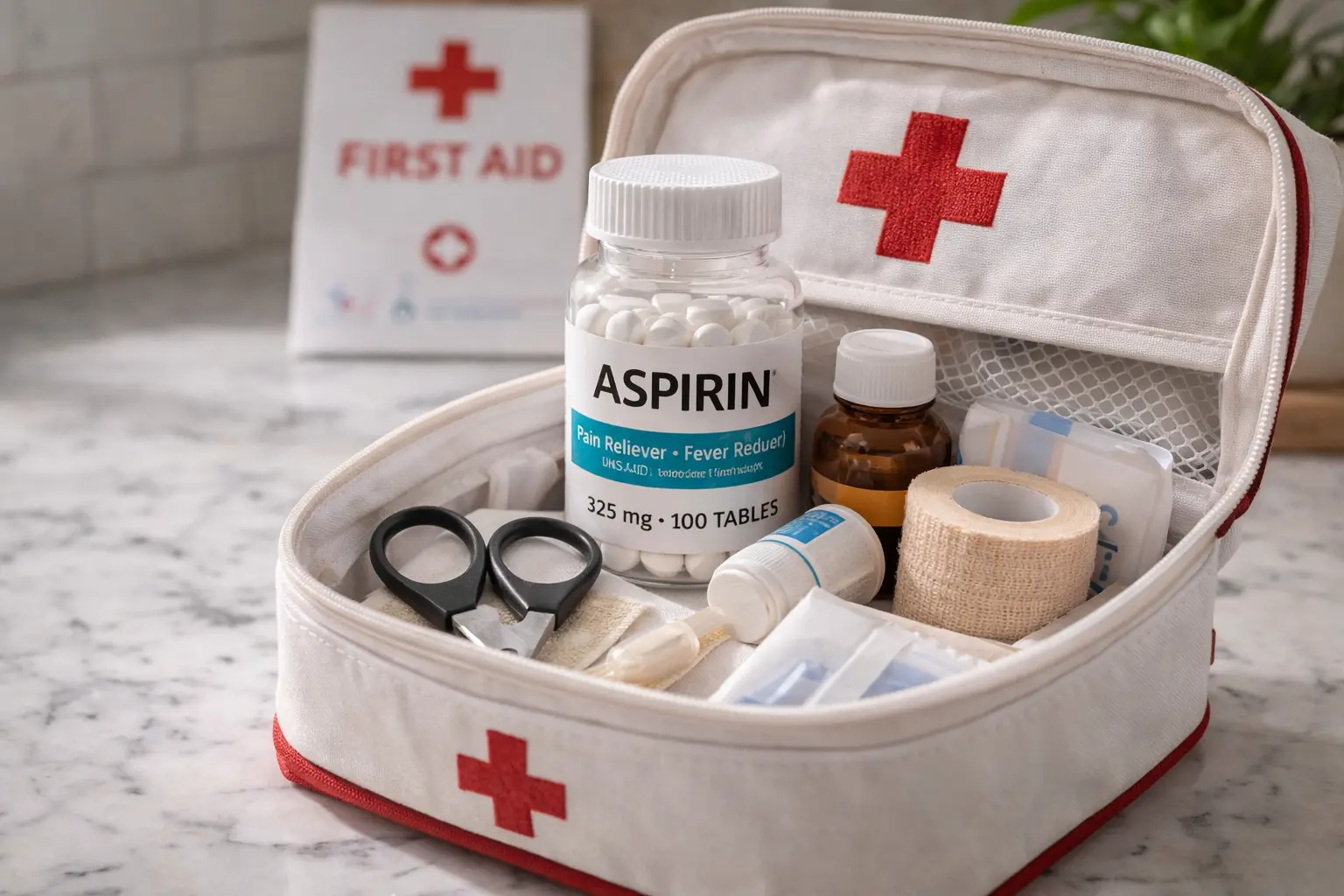
Beyond household tricks, aspirin is one of those items that many people keep as part of a basic home emergency kit. It is commonly included alongside bandages, antiseptics, and other first-aid essentials because it can play a role in specific situations while waiting for professional care.
For example, in certain suspected emergency scenarios, aspirin may be used as a temporary measure until help arrives. However, it is important to understand that it is not a substitute for proper medical attention and should never delay calling emergency services.
Keeping aspirin in an emergency kit is less about everyday use and more about preparedness. Like many first-aid items, its value comes from having it available when needed, rather than using it frequently. Knowing when and how it should be used is just as important as having it on hand.
4. Some gardeners use it on stressed plants
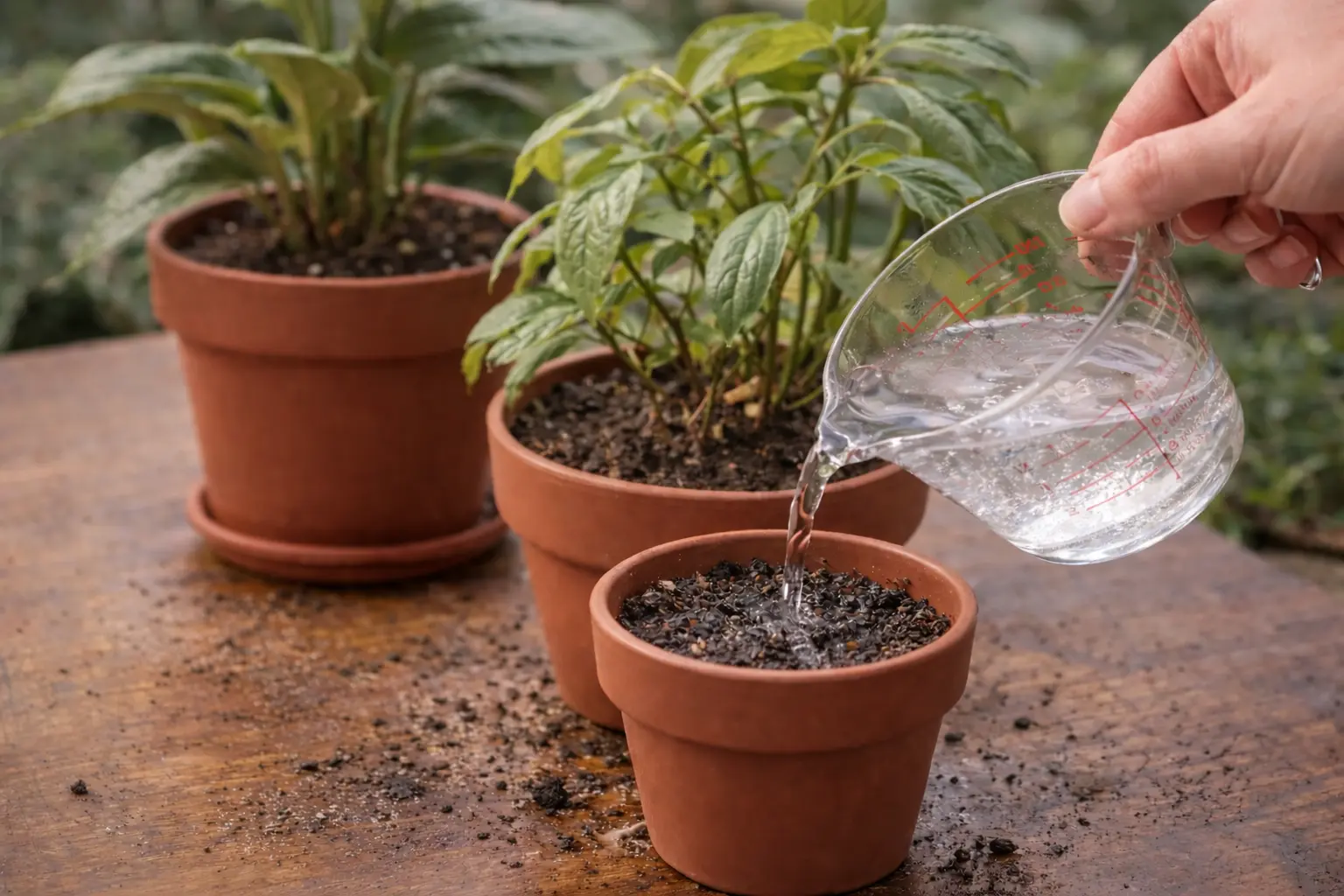
In gardening, aspirin has gained attention as a home remedy for plants that appear weak or stressed, especially after being repotted or moved. Some people dissolve a small amount in water and use it while watering, hoping it helps plants recover from shock or environmental changes.
This idea has been passed around for years and is often treated as a gentle, low-effort experiment rather than a guaranteed fix. It is usually tried when plants are struggling and standard care alone does not seem to be enough.
That said, it should not replace proper gardening basics. Healthy soil, adequate sunlight, and consistent watering are still far more important. Aspirin, in this case, is more of an occasional add-on rather than a core part of plant care. It may help in some situations, but it is not something most gardeners rely on regularly.
5. It can be a handy trick for keeping indoor arrangements fresh
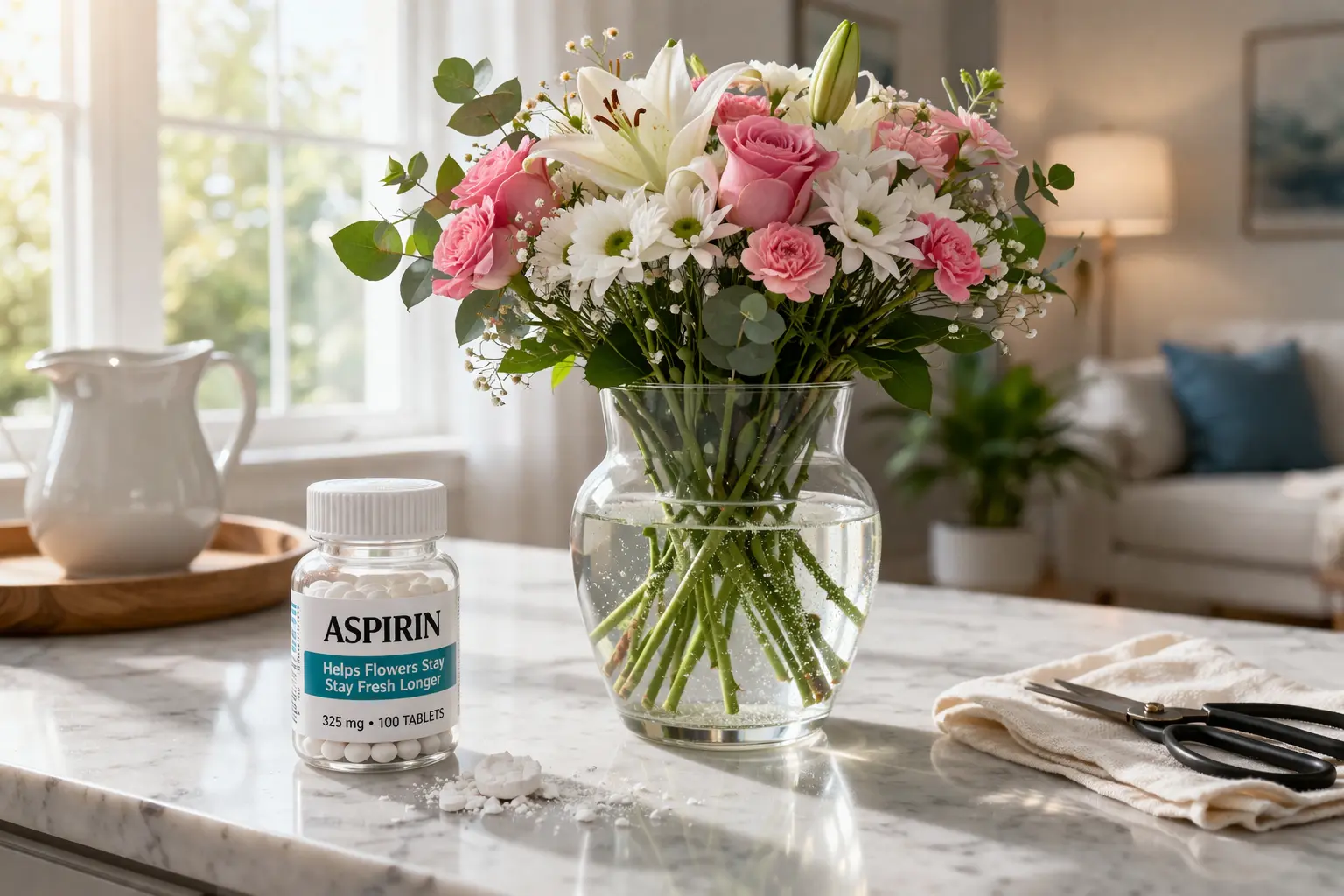
If you regularly keep flowers at home for decoration, aspirin is one of those small tricks people sometimes use to help arrangements stay fresh for longer. It is particularly useful when preparing for guests, events, or occasions where you want flowers to look their best over several days.
The process is simple and does not require much effort, which is part of its appeal. Many people turn to it when they want a quick solution without needing to buy additional products. It fits well into the idea of using what you already have at home.
However, just like with cut flowers in general, maintenance matters more than any single trick. Clean water, proper placement, and regular care will always have a bigger impact. Aspirin can support those efforts, but it works best as part of a broader routine rather than a standalone fix.
6. It may help with small rust-colored or hard-water marks

Some people experiment with aspirin as a mild option for dealing with small rust-colored stains or hard-water marks on household surfaces. The idea is to create a light mixture and apply it to the affected area before gently cleaning it off.
This tends to be more of a trial approach than a proven solution. It is usually tried on minor marks first, especially when someone wants to avoid using stronger chemical cleaners right away. In that sense, it fits the “start simple” approach many people prefer when dealing with cleaning tasks.
For more stubborn stains or buildup, however, specialized cleaning products are generally far more effective. Aspirin is best seen as something to test on small areas rather than a reliable fix for larger or long-standing issues.
7. It is one of those “good to have around” household items
Some items are not used every day, but they still earn a place in the home because of how often they come in handy in small, unexpected ways. Aspirin is one of those items for many households.
It sits somewhere between a medical necessity and a practical backup tool. Whether it is for minor home uses, occasional experiments, or simply being prepared, it has a way of staying relevant over time.
This kind of versatility is what keeps it around, even in homes that do not rely on it regularly. It is not essential for most household tasks, but it is useful enough that people often prefer to keep it nearby rather than go without it.
8. It reflects the appeal of using what you already have
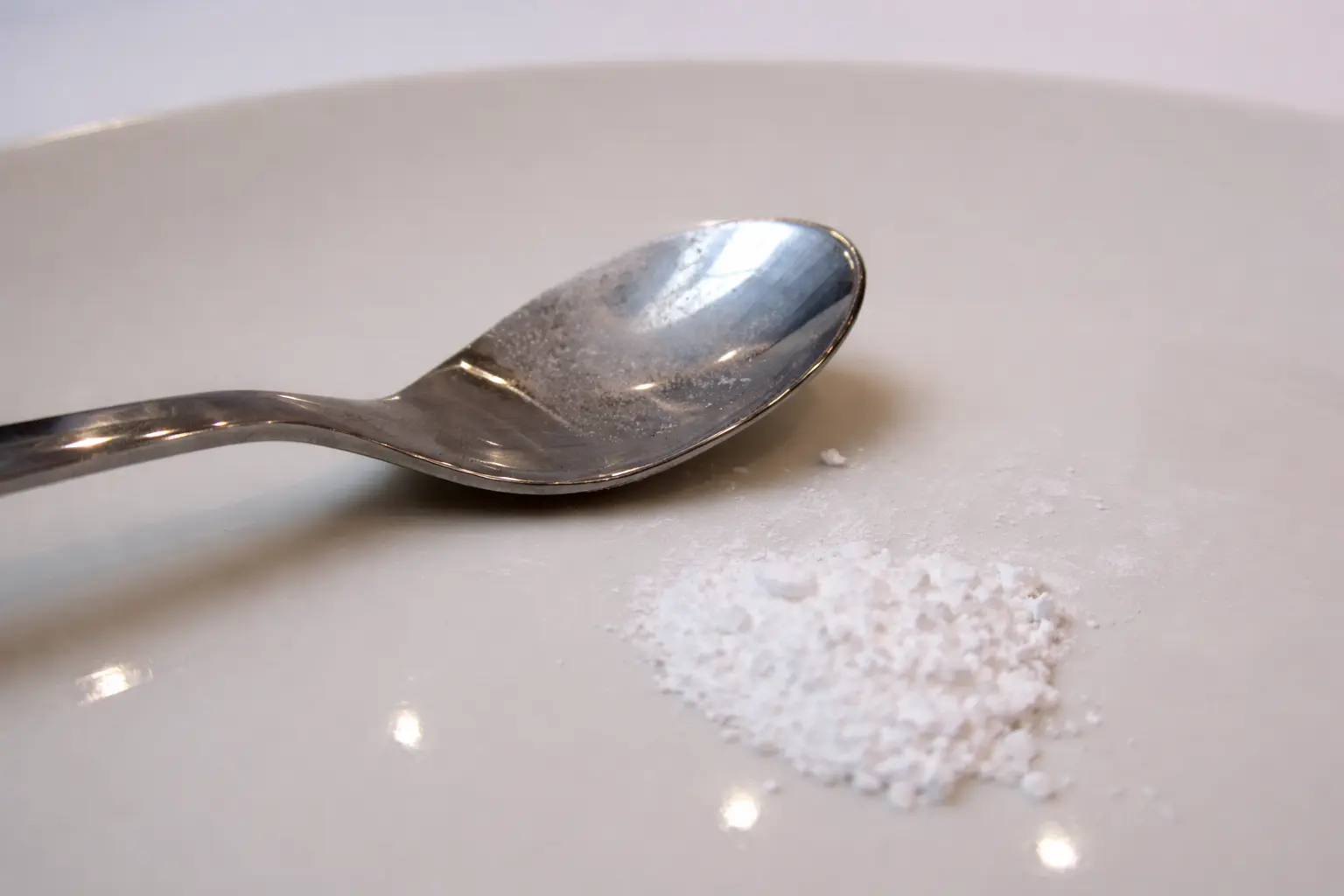
One of the biggest reasons aspirin continues to show up in household tips is not because it is the best solution, but because it is already available. People naturally look for simple ways to solve problems using what they have before buying something new.
This mindset is what keeps many old home remedies alive. Aspirin fits perfectly into that category — it is familiar, accessible, and easy to experiment with in small ways.
While it may not replace specialized products, it represents a practical approach to everyday problems. Sometimes, trying what you already have is enough. And even when it is not, it can still be a useful first step before moving on to something more specific.
Source: https://www.tips-and-tricks.co/lifehacks/aspirinhacks/