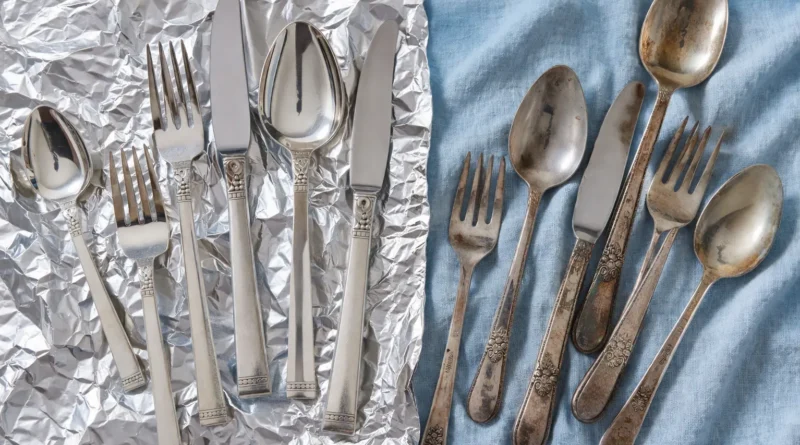
The 5-Minute Aluminum Foil Trick That Can Make Tarnished Silverware Shine Again
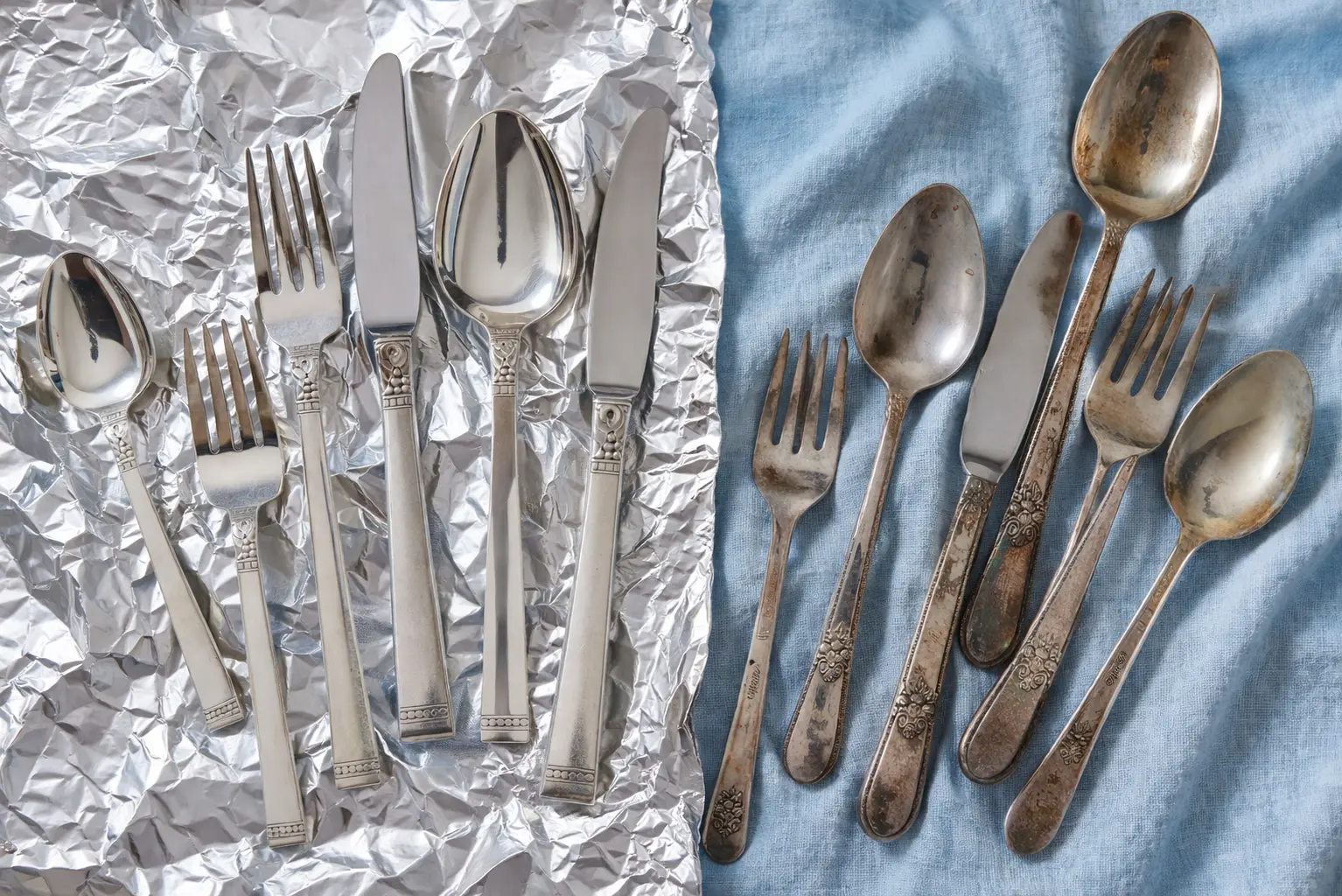
If your silverware has started looking dull, gray, or oddly yellowed, it doesn’t always mean it needs aggressive polishing or a long scrubbing session. In many cases, what you’re seeing is tarnish — and there’s a surprisingly simple way to deal with it using things you probably already have in your kitchen.
The trick uses aluminum foil, baking soda, salt, and hot water to help lift tarnish off silverware in just a few minutes. And the satisfying part is that it doesn’t work by “scrubbing” the discoloration away. It works through a chemical reaction that helps transfer tarnish from the silver onto the foil instead.
It’s quick, inexpensive, and especially handy when you have several pieces to clean at once. That said, it’s best used thoughtfully: it can strip away intentional dark patina in decorative grooves, and it’s not ideal for every finish or heirloom piece. For everyday tarnished silverware, though, it’s one of the easiest cleaning tricks to try. Silver tarnish is largely silver sulfide, and silver is known to darken in the presence of sulfur compounds in air.
What You’ll Need
You only need a few basics:
- Aluminum foil
- Baking soda
- Salt
- Hot or boiling water
- A bowl, tray, or dish
- A soft cloth for drying
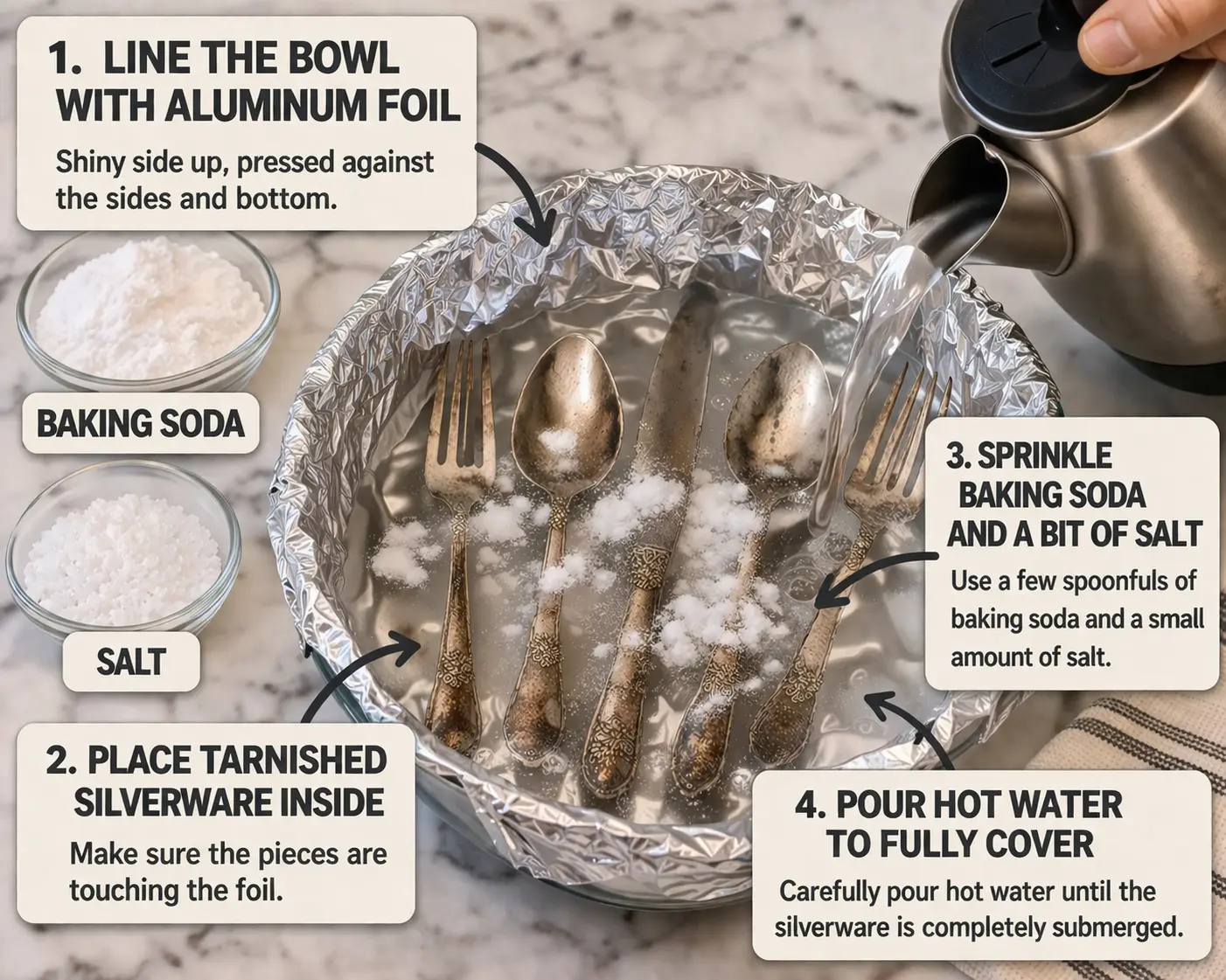
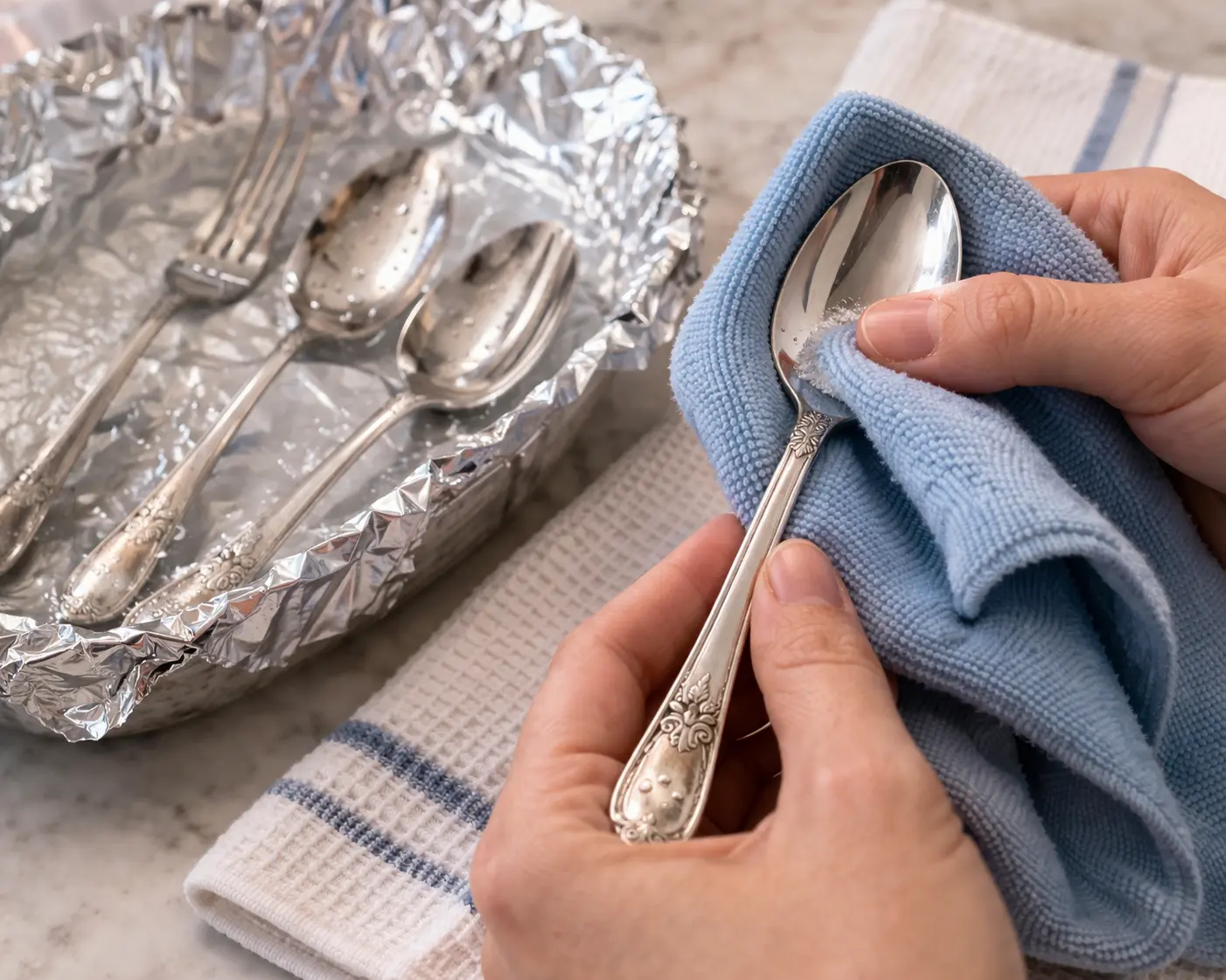
Line the bowl or dish with aluminum foil, making sure the shiny side is facing up if possible. Then place your tarnished silverware inside so the pieces are touching the foil. From there, sprinkle in a few spoonfuls of baking soda and a bit of salt, then carefully pour in enough hot water to fully cover the silverware.
Almost immediately, the mixture may start to smell slightly sulfur-like or give off a faint reaction. That’s normal — it’s a sign the process is doing what it’s supposed to do.
How the Trick Actually Works
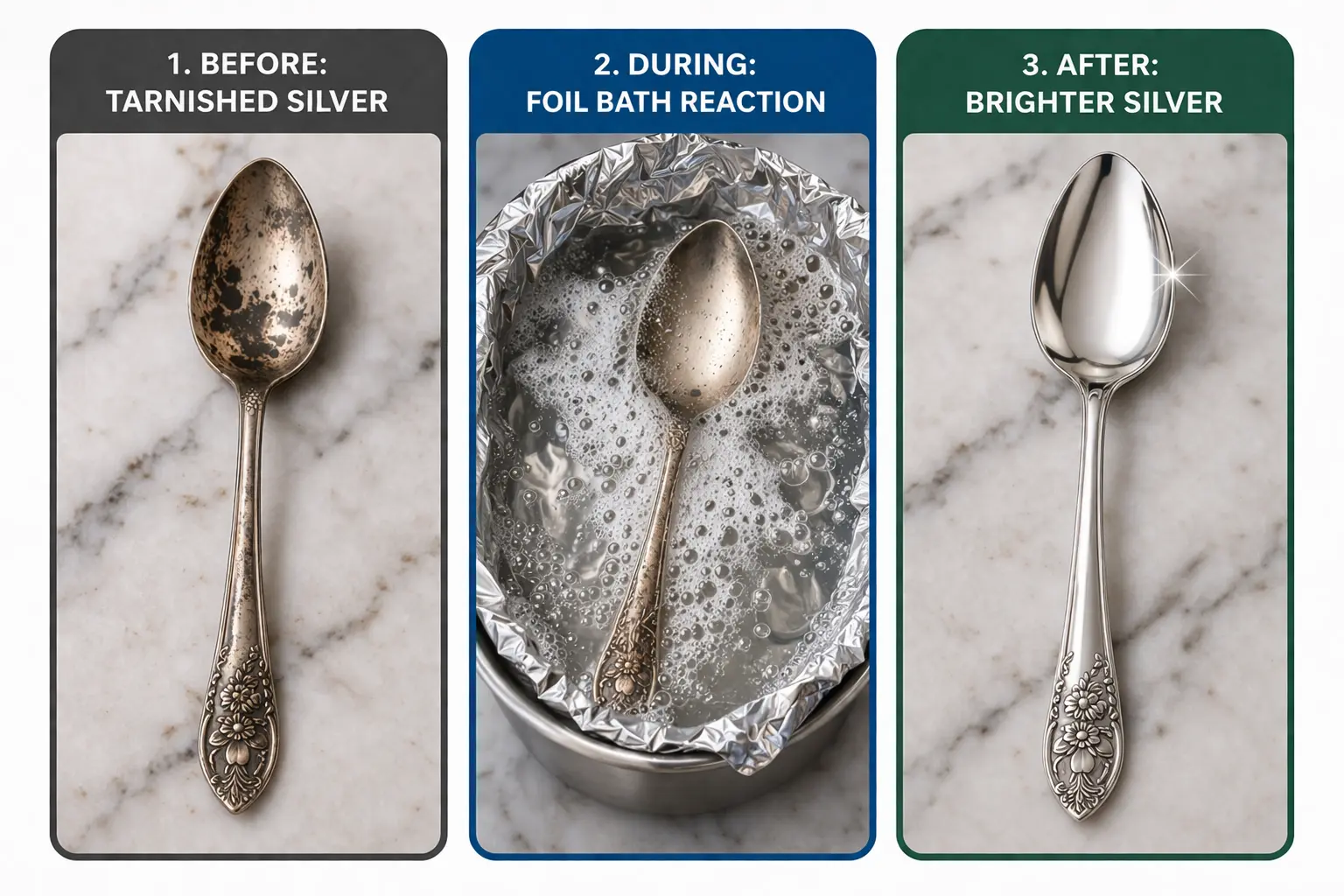
This is the part that makes the method so satisfying. Instead of manually polishing tarnish off the surface, the aluminum foil bath helps trigger a reaction that moves the tarnish away from the silverware. Tarnish on silver is typically silver sulfide, and in this setup, the aluminum acts as the more reactive metal in the solution.
That encourages the sulfur compounds to leave the silver and bind elsewhere, helping restore the brighter surface underneath. Household guides commonly use the baking soda–foil bath specifically for this reason.In other words: you’re not just loosening dirt. You’re helping reverse what caused the discoloration in the first place.
That’s also why this method feels so much faster than standing over the sink rubbing each fork one by one.
How to Do It in 5 Minutes
Once your silverware is sitting in the foil-lined dish:
- Add baking soda and salt over the silverware.
- Pour in hot water until everything is submerged.
- Let it sit for about 3 to 5 minutes.
- Remove each piece carefully.
- Rinse well with clean water.
- Dry thoroughly with a soft cloth.
That’s it. If the tarnish is especially heavy, you may need to repeat the process once or lightly buff a few stubborn areas afterward. But for lightly to moderately tarnished pieces, the difference can be surprisingly noticeable after just one soak.
That being said make sure to head over to the next page to find out what you shouldn’t be doing as well:
A Few Important Things to Know First
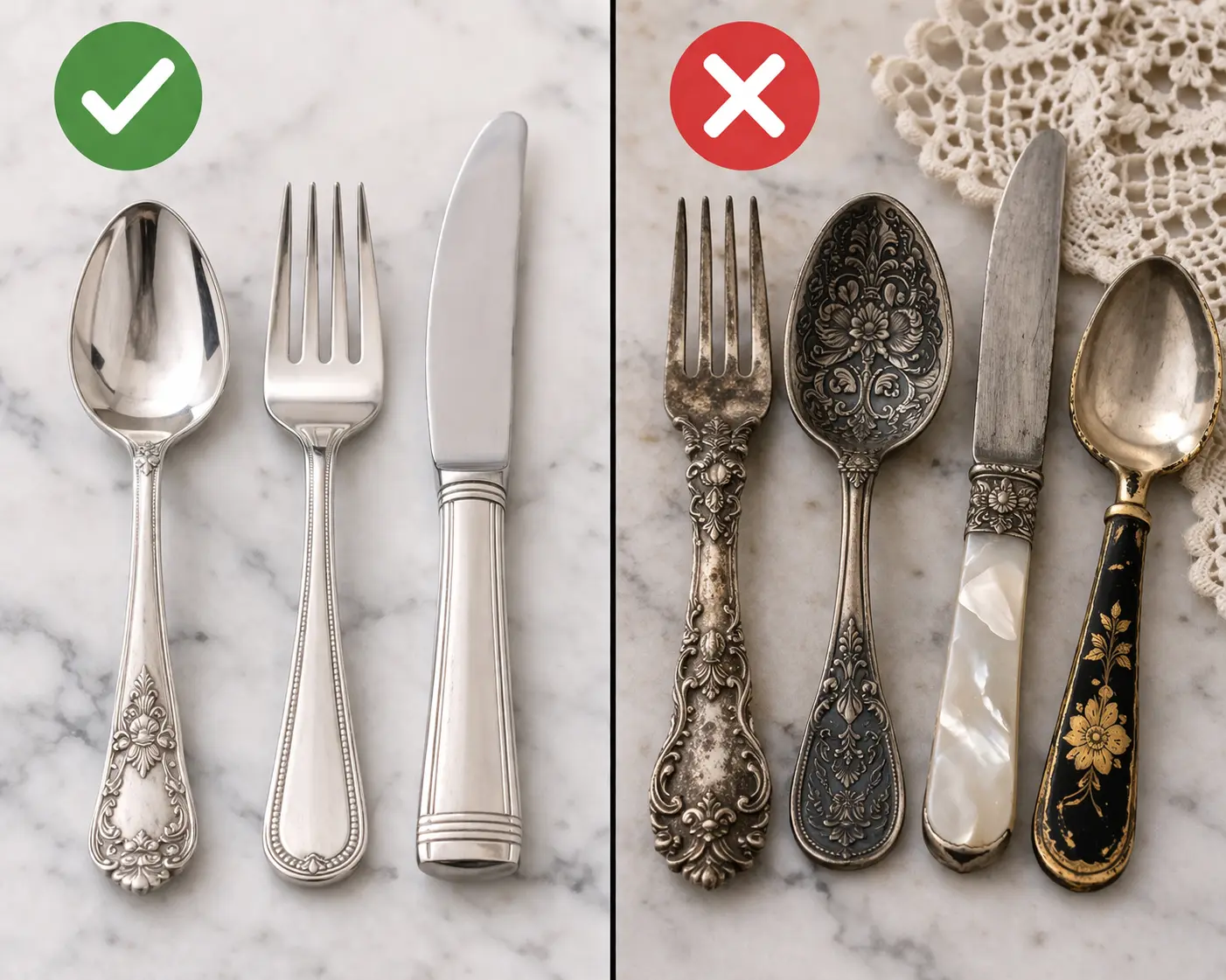
As easy as this trick is, it’s not something you want to use blindly on everything. It tends to work best on:
- sterling silver
- silver-plated flatware
- everyday pieces with surface tarnish
But you should be more careful with:
- antique silver
- delicate heirloom pieces
- silver with intentional oxidized detailing
- items glued, lacquered, or mixed with fragile materials
That’s because the reaction can remove not only the tarnish you don’t want, but sometimes the darker aged look you do want in decorative creases or patterns. Some cleaning guides also note that repeated or overly aggressive treatment may not be ideal for delicate plated finishes.
If you’re unsure, test one less-visible piece first.
Why It Feels So Effective
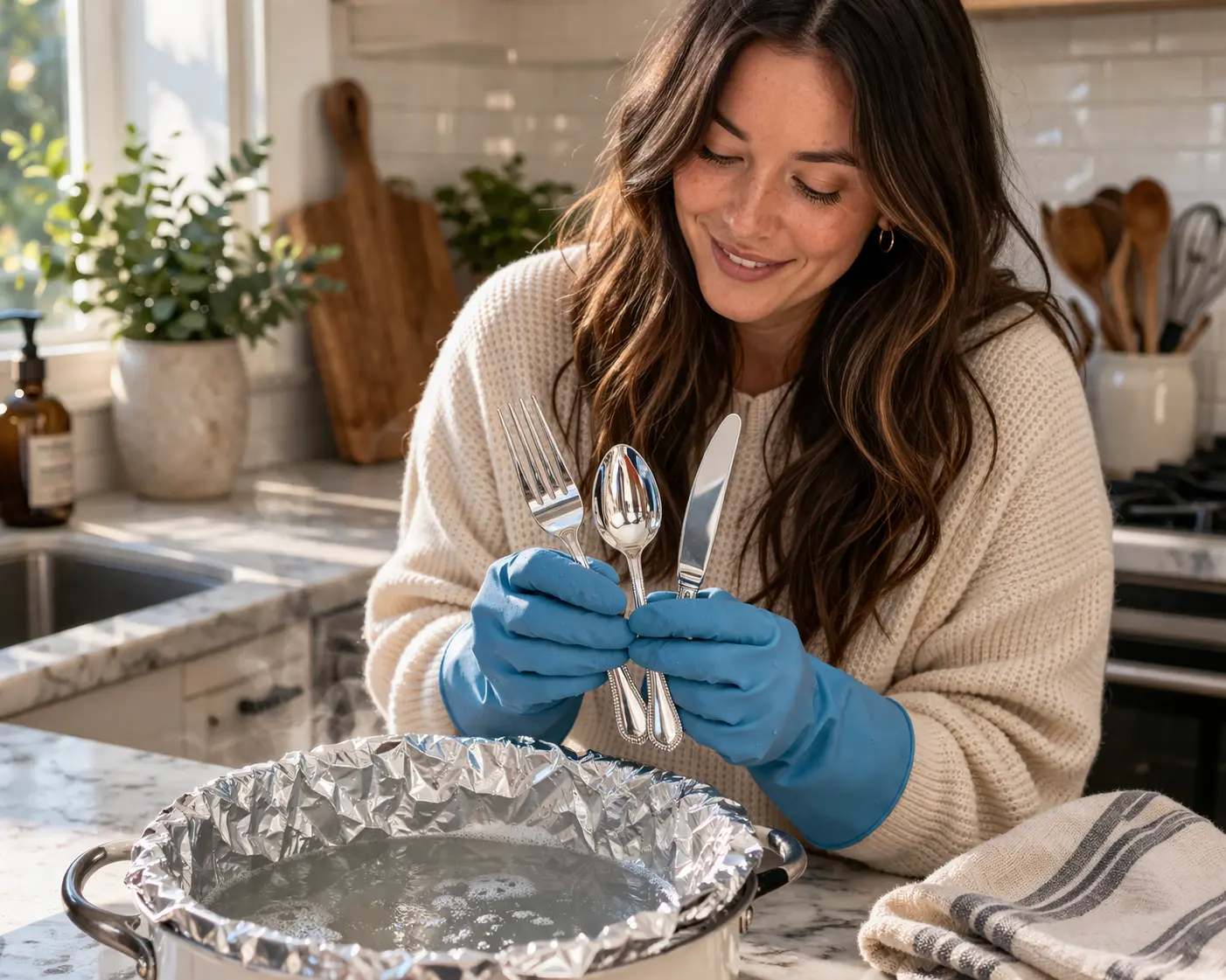
Part of what makes this trick so popular is that it gives you that rare cleaning payoff where the result feels immediate. There’s no specialty polish, no heavy rubbing, and no feeling like you’re committing to an entire afternoon of restoring old cutlery.
It’s also a good reminder that not every “old-looking” item is actually worn out. Sometimes it just needs the right reaction — literally. And if you’ve got silverware tucked away in a drawer that only comes out during holidays, guests, or special dinners, this is the kind of trick that can make it look presentable again with almost no effort.
Source: https://www.tips-and-tricks.co/lifehacks/foilcleaning/