
These “Random” Symptoms Could Actually Warn Something Deadly— And Too Many People Miss Them
 Your body sometimes sends strange sensations you would normally brush off as stress, dehydration, fatigue, or just a bad day. That is part of what makes stroke symptoms so dangerous: they often arrive fast, and they do not always look the way people expect. Major health organizations agree that stroke warning signs often appear suddenly and should never be ignored.
The importance of timing here can’t be emphasized enough. Stroke treatment is extremely time-sensitive, and experts agree that getting help quickly can affect the possible treatments and how much damage may be prevented. Even symptoms that fade away can still signal a transient ischemic attack (TIA), which is a medical emergency because it can be a warning sign of a larger stroke ahead. In other words, if something feels suddenly and unmistakably off, waiting to “see if it passes” is not a smart gamble.
So, as you read, think less in terms of panic and more in terms of pattern recognition. Far from diagnosing yourself from a screen, the goal is to know which changes deserve immediate attention, especially when they appear out of nowhere. And one important disclaimer before you continue: this article is for general awareness only and is not a substitute for medical advice.
Important: If you notice any stroke symptoms in yourself or someone else, contact a medical professional right away.
Click the next page to learn of symptoms you mustn’t dismiss…
One Side of the Face Suddenly Drops
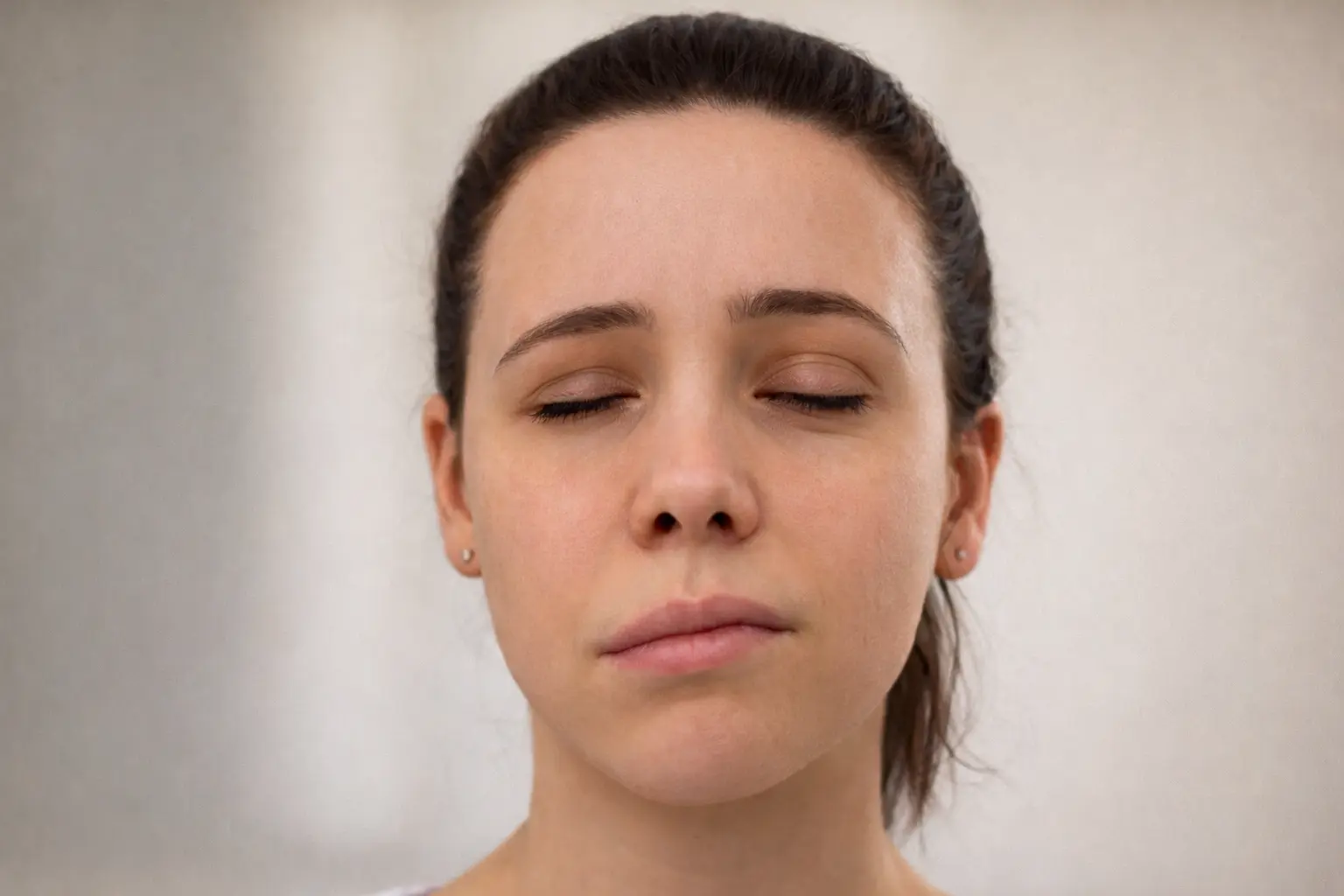
A drooping face is one of the best-known stroke warning signs, but it is still easy to miss in real life. You might notice that one side of your mouth looks uneven, your smile suddenly appears lopsided, or one eyelid seems lower than the other. Sometimes other people spot it before you do, because it can come on abruptly. This kind of facial weakness is different from a face that just looks tired after a long day. Health authorities consistently list sudden facial drooping or facial weakness as a major red flag.
People often try to explain it away. You might think you slept oddly, had dental work, pinched a nerve, or are just imagining it in the mirror. But when blood flow to part of the brain is interrupted, the muscles on one side of the face may stop responding normally. That is why stroke campaigns keep returning to the same simple test: ask the person to smile. If the smile suddenly looks crooked or one side does not move well, do not wait around hoping it straightens out on its own.
The most important thing for you to remember is that a drooping face is not a “watch and wait” symptom. If it happens suddenly, especially with any other unusual change, it should be treated as urgent. Call emergency services immediately. Even if the weakness eases or disappears, it can still point to a TIA or stroke, and that still needs prompt assessment.

An Arm or Leg Suddenly Feels Weak, Heavy, or Numb
One of the most classic stroke clues is sudden weakness or numbness on one side of the body. That could mean one arm feels strangely heavy, one hand stops cooperating, or one leg suddenly seems unreliable when you stand up. Some people describe it as their limb “not listening” anymore. Others notice they cannot lift both arms evenly or keep one arm raised. Sudden one-sided weakness or numbness in the face, arm, or leg is one of the most important stroke symptoms to recognize quickly.
This can show up in ways that seem oddly minor at first. You might fumble your phone, struggle to grip a cup, drag one foot, or feel tingling that is far more intense than the familiar “pins and needles” you get from sitting awkwardly. The key difference is sudden onset. Stroke-related weakness tends to appear abruptly, often without an obvious cause, and often affects just one side. That is very different from the gradual fatigue you get after exercise or the mild stiffness you notice after sleeping in a strange position.
If you ever notice that one side of your body is suddenly weaker, clumsier, or number than the other, treat that as urgent. Do not try to “walk it off,” take a nap, or wait to see whether your strength comes back. Quick evaluation matters, and symptoms that improve can still represent a TIA that needs emergency assessment.
A Sudden, Explosive Headache That Feels Different From Your Usual Ones
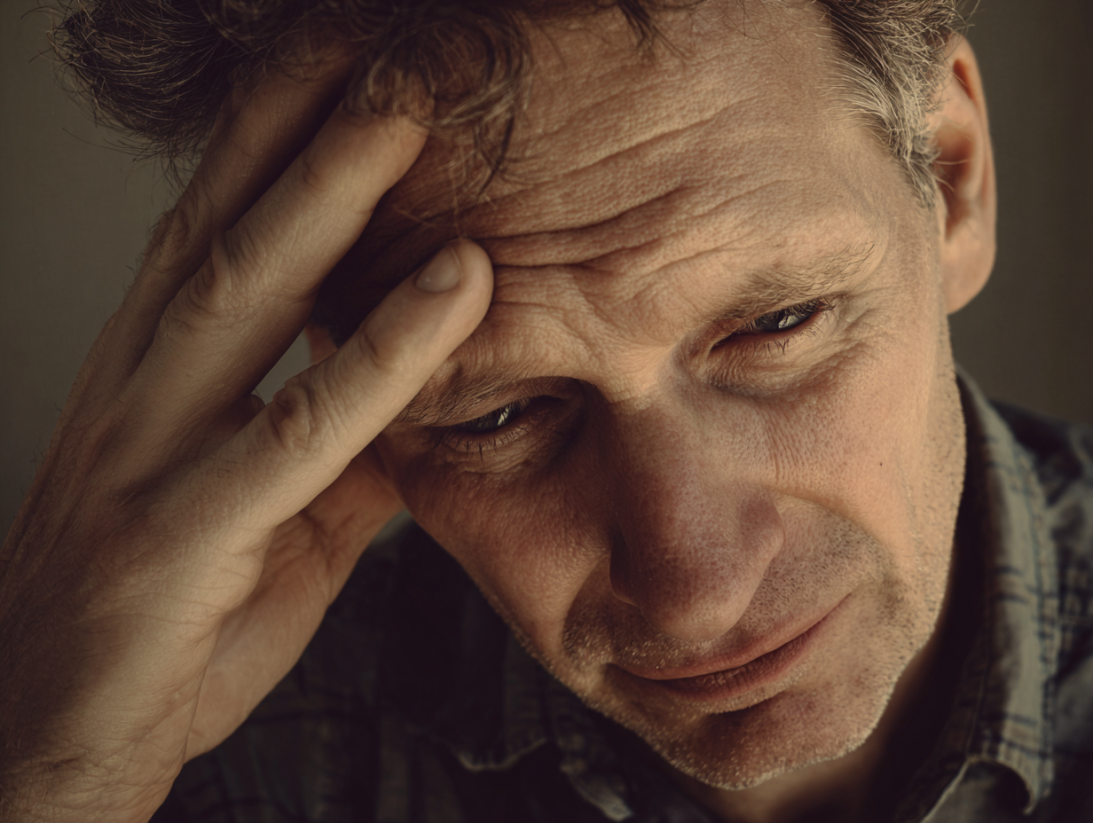
Headaches are common. Stroke-related headaches are not. That is why the warning sign is not simply “a headache,” but a sudden, severe headache with no clear cause. Health organizations describe this as a major symptom to take seriously, especially when it appears out of nowhere and feels very different from your normal pattern. This type of pain may be intense, abrupt, and unlike an everyday headache.
If you are someone who gets headaches or migraines, this can be a confusing symptom. The difference is usually in the speed and character. A stroke-related headache may hit suddenly and hard, with no familiar buildup and no obvious trigger. It may also show up alongside other changes, such as dizziness, difficulty speaking, confusion, or vision problems. That combination is what should really get your attention. A bad headache plus new neurological symptoms is not something to dismiss as stress, low sleep, or just one of those days.
The practical takeaway is simple: if a headache feels unusually severe, sudden, or completely out of character, especially with any other possible stroke sign, get urgent medical help. Stroke treatment is time-sensitive, and the safest response is to assume that a new symptom needs rapid evaluation rather than quiet observation at home.

Nausea or Vomiting That Shows Up Out of Nowhere
Nausea and vomiting are easy to underestimate because they are tied to so many common problems: a virus, bad food, motion sickness, anxiety, hormones, or simple stomach upset. But sudden nausea or vomiting can also be part of the picture in some stroke cases. On their own, these symptoms are nonspecific. What matters is when they appear suddenly, and especially when they show up with neurological changes.
This is where people often get fooled. If you feel sick, your brain usually is not the first thing you blame. You assume it is something you ate or that you are coming down with something. But when nausea is paired with dizziness, weakness, confusion, a strange headache, trouble speaking, or vision changes, the context changes completely. At that point, it is no longer just “an upset stomach.” It may be your body reacting to a serious event affecting the brain or balance centers.
So if you or someone around you suddenly becomes nauseated or starts vomiting and something else also seems neurologically off, do not brush it aside as ordinary illness. You do not need to be certain it is a stroke before seeking help. You only need to recognize that the pattern is unusual and urgent enough to deserve immediate medical attention.

Persistent Hiccups With Chest Discomfort — Rare, but Not Something to Shrug Off
Persistent hiccup with chest pain are not part of the standard public stroke checklist used by major organizations like the Centers for Disease Control and Prevention (CDC) or American Stroke Association. However, medical literature does describe hiccups as a possible rare symptom in certain brainstem-related neurological problems, including some strokes. Most people may not notice this first, but it is unusual enough to deserve respect when it appears in the following context.
Hiccups are normally harmless and temporary. Almost everyone gets them. That is why people tend to laugh them off, drink water, hold their breath, and move on. But hiccups that do not stop, feel distinctly abnormal, or come alongside other sudden neurological changes are a different story, especially in women. Even if stroke is not the culprit, persistent hiccups plus chest symptoms plus anything strange neurologically is not a combination to self-manage casually.
For you, the smartest way to think about this symptom is as an oddball warning sign, not a primary checklist item. If persistent hiccups show up with facial changes, weakness, speech trouble, vision issues, dizziness, or severe headache, treat the whole cluster as urgent. Every bout of hiccups may not be a symptom of stroke, but several unusual symptoms arriving suddenly and not making sense together should be a cause of worry.

Sudden Vision Changes You Might Blame on Your Eyes Instead of Your Brain
A sudden change in vision can be one of the most deceptive stroke symptoms. You may notice blurring, dimming, partial vision loss, or trouble seeing out of one side. Some people describe it as a curtain, a blank patch, or a sudden inability to focus properly. Major stroke guidance includes sudden trouble seeing in one or both eyes as an important warning sign, and the source page also mentions sudden vision loss as a symptom that should not be ignored.
The reason this symptom gets missed is that people often assume the problem is in the eye itself. You may think it is dry eyes, age, fatigue, a screen overload issue, or that you simply stood up too quickly. But vision is processed by the brain as well as the eyes, which means abrupt visual change can be neurological, not just optical. When the problem appears all of a sudden, especially with dizziness, confusion, facial weakness, or trouble speaking, it should move far higher on your worry list.
So if your sight suddenly changes and you cannot explain why, do not settle for guessing. A fast medical check matters because stroke symptoms need urgent assessment, and even short-lived symptoms may still represent a TIA. If your body suddenly changes the way you see the world, take that seriously.

Confusion, Slurred Speech, or Trouble Finding Words
One of the scariest stroke symptoms is when your brain suddenly stops helping you communicate the way it should. You may slur your words, say the wrong thing, struggle to understand what someone is telling you, or feel a wave of confusion that arrives without warning. All major health organizations list sudden confusion, trouble speaking, or difficulty understanding speech among the core warning signs of stroke. Problems with speech and confusion may also accompany a serious event.
At times, the person experiencing it may not realize how wrong things sound. You might feel as if you are speaking normally while everyone around you hears gibberish, broken sentences, or strange pauses. Or you may hear words clearly but not be able to process what they mean. The first sign could be that someone suddenly sounds “off.” That is why stroke campaigns tell people not just to listen for slurring, but to pay attention to any abrupt speech difficulty or confusion.
If this ever happens to you or someone near you, do not waste time trying to debate whether it is exhaustion, low blood sugar, stress, or a “funny moment.” Sudden speech trouble is one of the most time-critical warning signs there is. Get emergency help immediately, even if the person seems better a few minutes later.
Important: If you notice any stroke-like symptoms in yourself or someone else, contact emergency services right away.
Source: https://www.tips-and-tricks.co/health/strokesymptoms/