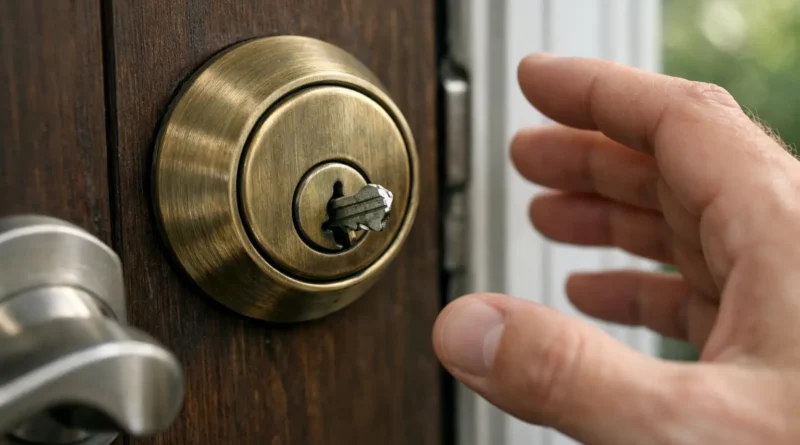
Your Key Snapped in the Lock? Read This Before You Make It Worse
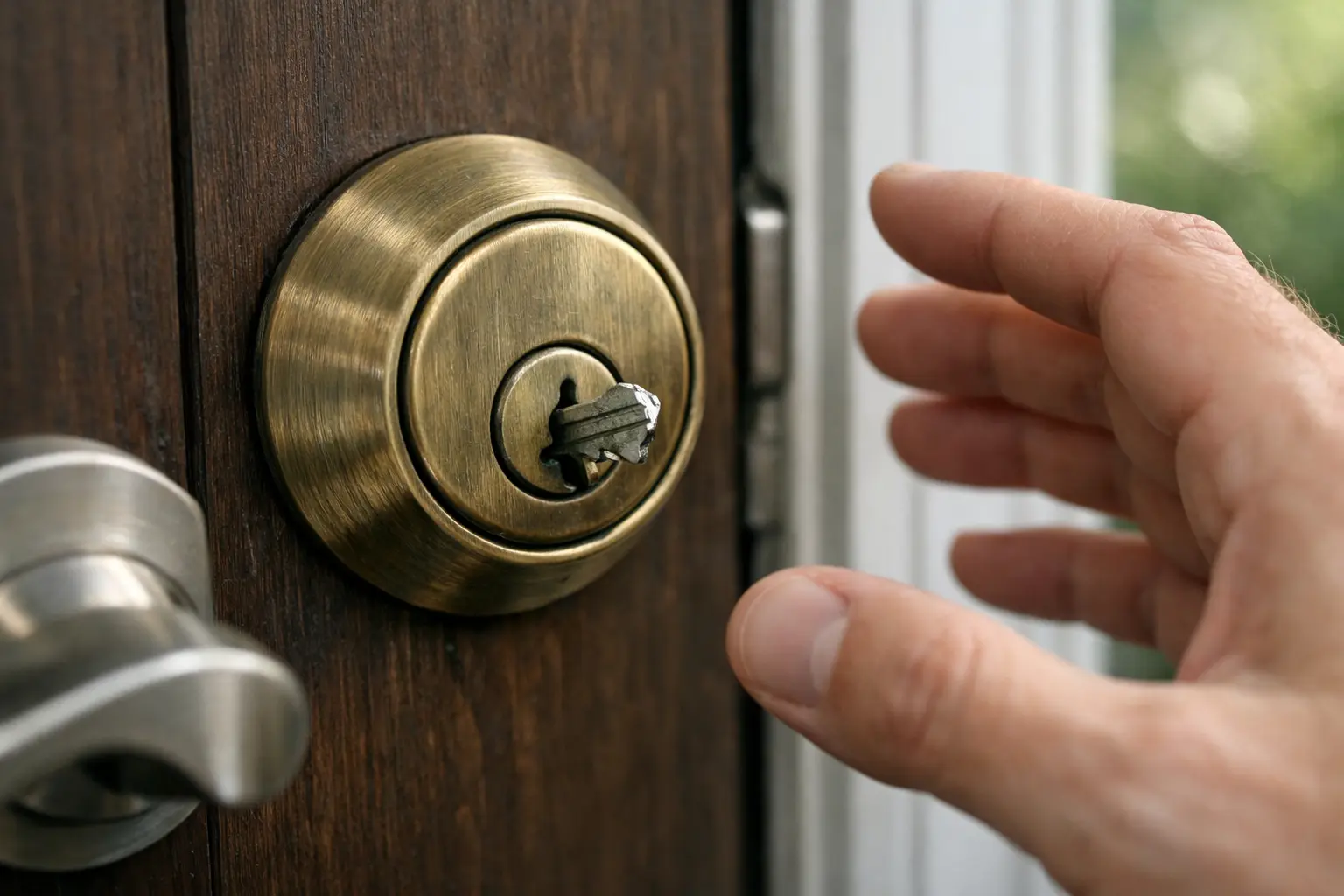
Don’t panic—and definitely don’t reach for glue
The moment a key snaps in the lock, your brain usually offers two terrible ideas: force it harder or try some internet “hack” that sounds clever in the moment. Resist both. Pushing the fragment farther in can wedge it more tightly, and superglue is one of the fastest ways to turn a manageable problem into a lock replacement. Locksmiths constantly warn us that glue can permanently bond the broken piece inside the cylinder, which makes later extraction much harder and can damage the lock itself.
So, before you touch anything, pause and look at the situation. Is a bit of the key still sticking out? Is the lock in its normal straight position, or was the key turned when it broke? Is the door open already, or are you standing outside with groceries, regret, and diminishing patience? If the keyway is out of alignment, the fragment can be trapped more tightly, and if the piece is fully buried inside the lock, your odds of a simple DIY fix drop fast. The good news is that a calm first inspection often tells you whether this is a two-minute job or one you should hand off to an expert.
You may rightly wonder why not just call a locksmith in the first place, who would solve the issue quickly. But speed often comes at a high price. The cost can rise even more if you need help at night, over the weekend, or on a public holiday, when charges may climb exorbitantly. And somehow, a key always seems to snap at exactly the worst possible moment.
Try the simplest fix first
If the broken key is still near the front of the lock, your first move should be to make the cylinder less stubborn. A tiny amount of dry lock lubricant can help. PTFE-based lock lubricants are great for locks, and only a very light application is needed. Its dry formula is specifically meant to lubricate without attracting the dirt and dust that can make a lock feel gritty in the first place. In other words, this is not the moment to drown the keyway in random oily spray and hope for the best. Use a little, give it a moment, and keep your movements gentle.
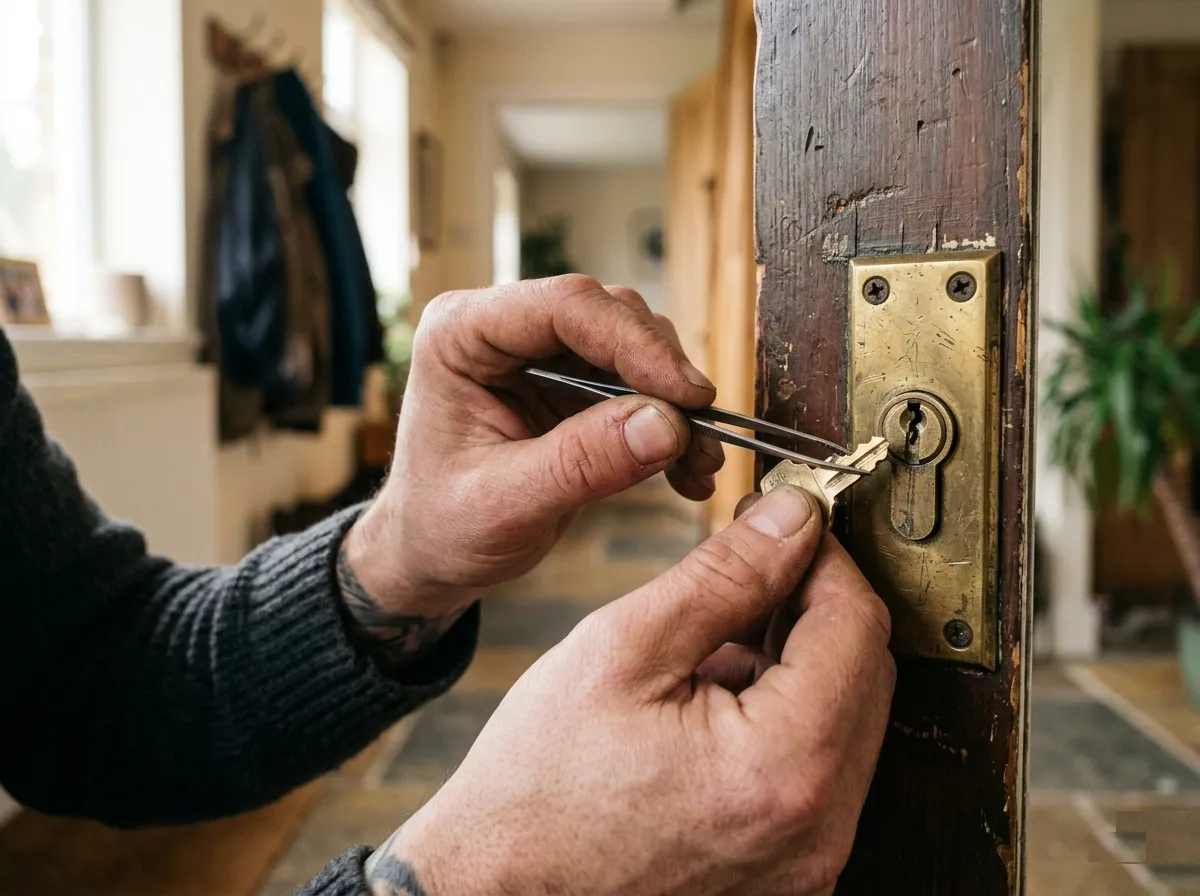
Now check whether enough metal is exposed to grab. If it is, use fine tweezers or needle-nose pliers and pull straight outward, slowly and steadily. Don’t twist the fragment like you’re trying to unlock the door with it. That can wedge it tighter. A tiny wiggle is fine, but the goal is to ease it out, not wrestle it into submission. If your tool is too bulky to get a clean grip, stop before you accidentally shove the piece deeper into the lock. This is one of those repairs where patience looks boring but saves the day.
When the key is flush, use the right tool
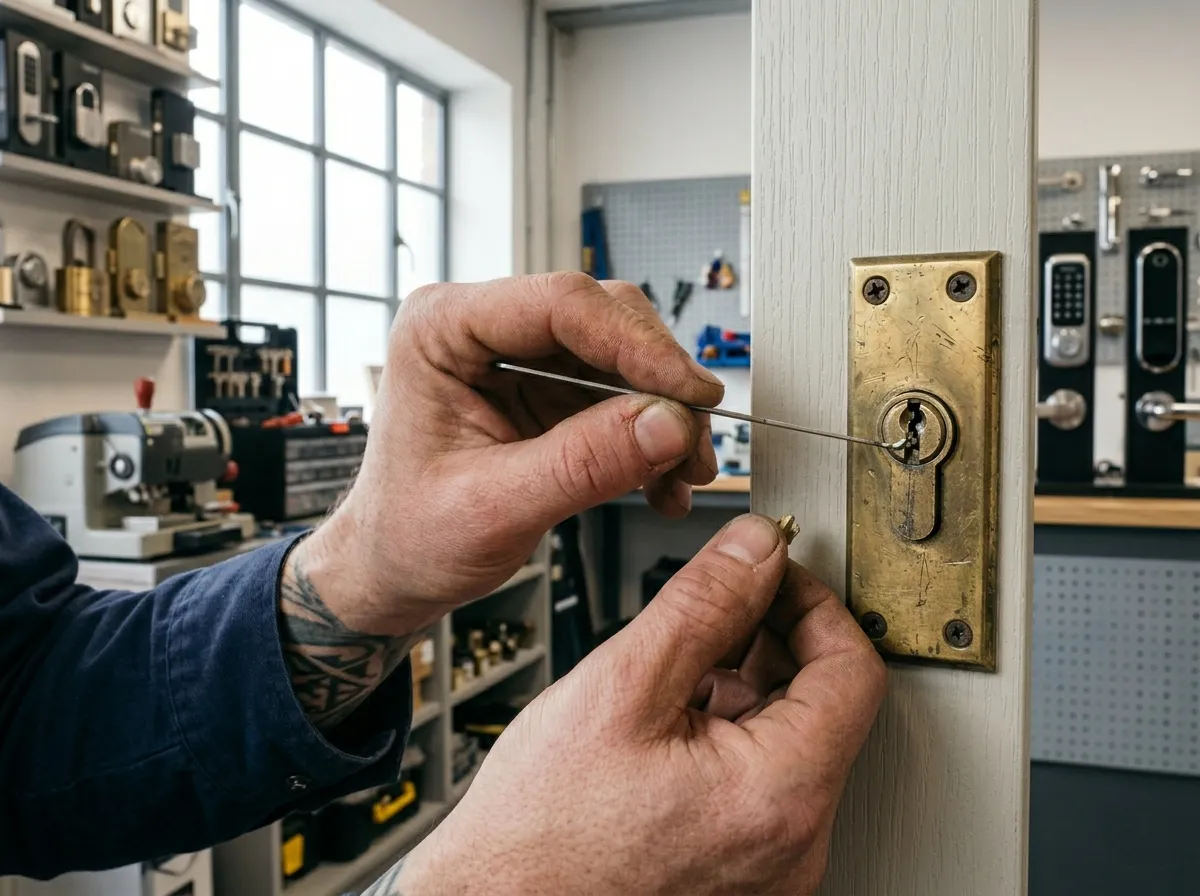
If the broken key is snapped off perfectly level with the front of the lock without any part sticking out to grab, you must use a proper tool designed for this. Using the wrong tool will only turn a stuck fragment into a deeply stuck fragment. The tool designed for this job is a broken-key extractor. These thin tools are meant to slide into the keyway, catch the grooves of the broken key, and pull it back out without damaging the lock. Locksmith suppliers sell dedicated extractor sets for exactly this reason, and locksmith guides recommend inserting the extractor along the cut edge of the key so it can hook the fragment instead of pushing it farther inward.
The technique matters as much as the tool. You want the lock in its neutral position, the extractor inserted carefully, and your pull to be slow and careful, rather than sudden or jerky. If the fragment starts to move, great — keep going with the same gentle pressure. If nothing happens after a few careful attempts, that is your sign to stop. The biggest mistake at this stage is turning a clean extraction problem into internal lock damage. You are trying to remove one stubborn piece of metal, not audition for a home-repair action movie.
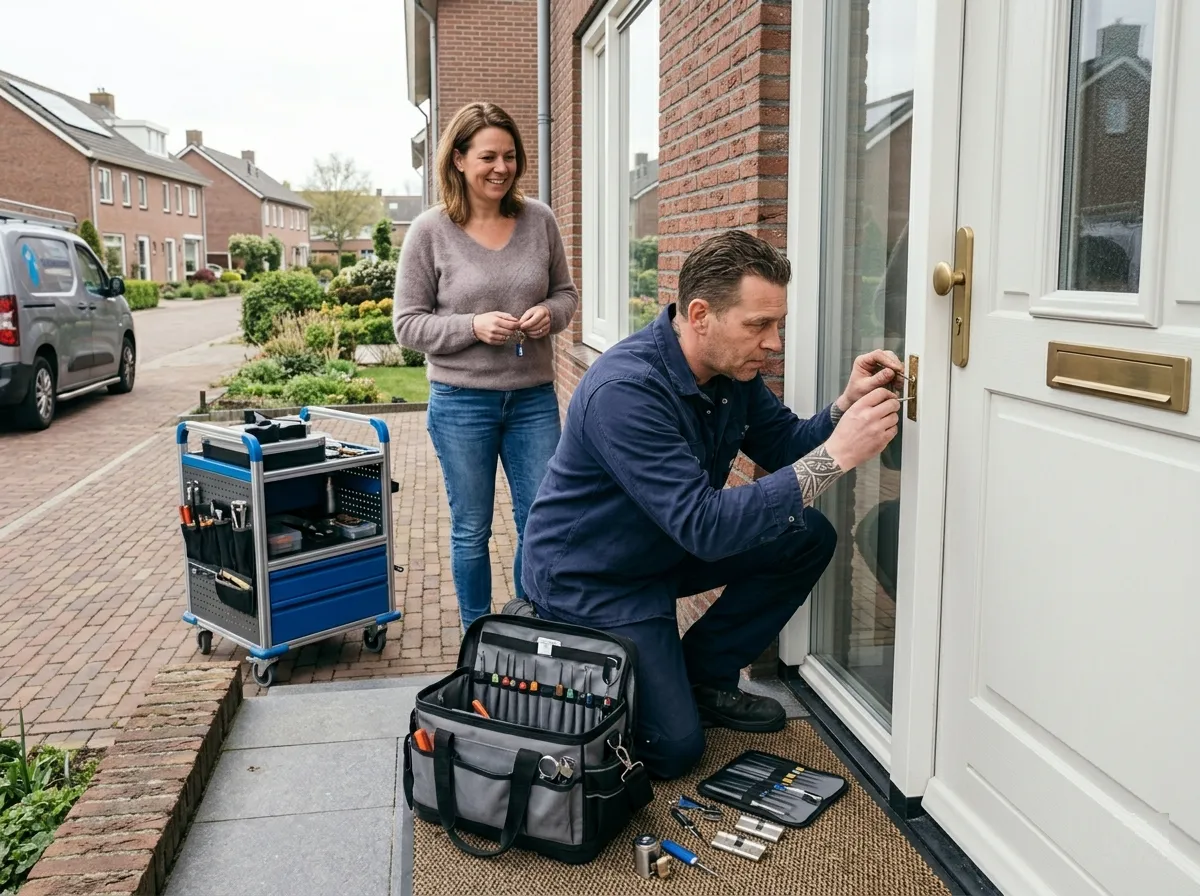
Know when to stop and call for help
There is a point where DIY stops being practical and starts becoming expensive optimism. If the key broke while turned in the lock, if the fragment is buried deep, if you can’t get the keyway back into alignment, or if the lock is part of a higher-security or restricted-key system, it is usually smarter to call a locksmith. Most experts explicitly direct customers to contact a locksmith when the situation goes beyond straightforward replacement, pointing users toward support and service resources rather than encouraging risky force-it-yourself repairs. That’s because cylinder damage gets costly fast.
The same goes for a broken car key or ignition issue. Vehicle lock and key problems can involve transponders, programmed keys, and ignition damage, all of which are even less forgiving than a basic house lock. Locksmith service is often the only solution when a vehicle key is lost or broken, and advanced automotive keys may require more specialized replacement steps. So if the break happened in your car, skip the heroics. Your future self will be thrilled not having to price a new ignition assembly because you tried to outsmart a bad afternoon.
 What to do after it’s out — so this doesn’t happen again
Once you’ve removed the broken piece, do not just shrug, grab the only spare from the junk drawer, and carry on as if the universe didn’t just warn you. Test the lock gently. If it still feels rough, sticky, or reluctant, clean and lightly lubricate it with a proper dry lock lubricant. Experts recommend light application, not overdoing it, with dry formulas designed to reduce buildup rather than create more of it. If the lock still binds after that, have it serviced. A key snapping is often a sign that something in the key, the lock, or both has been under strain for a while.
Then fix the part most people ignore: your backup plan. Standard key copies can often be made in just a few minutes, and hardware stores or locksmiths may be able to produce replacement keys depending on the type of lock. That means you do not need to keep living dangerously with one tired key that has already shown questionable judgment. Make a spare, retire any bent or rough-feeling key, and treat this whole episode as a cheap lesson rather than as a recurring hobby.
Source: https://www.tips-and-tricks.co/lifehacks/extractbrokenkey/