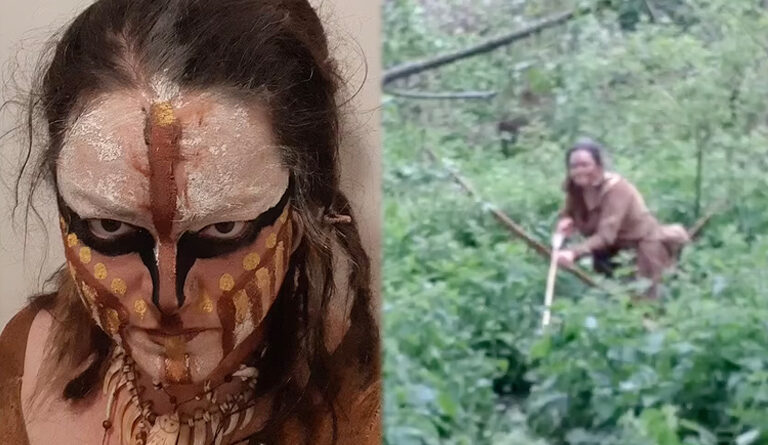
“Professional caveman” shares 5 tips on how to survive in nature
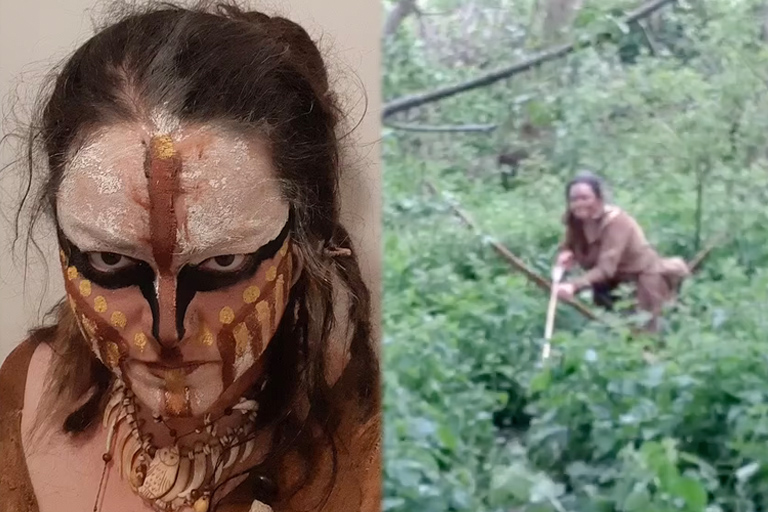
These prehistoric tips will help you rough it out in the wild!
This British woman lives as if we were living in prehistoric times. She would prefer to get rid of technology altogether and live exactly as we did 2.5 million years ago. She suggests everyone should get back to “their nature.” To help you do that, she shares 5 tips from her experience that will give you the best chance of surviving in nature. You’ll find them at the end of this article.
Who is this professional cave woman? You’ll find out on the next page!
History teacher
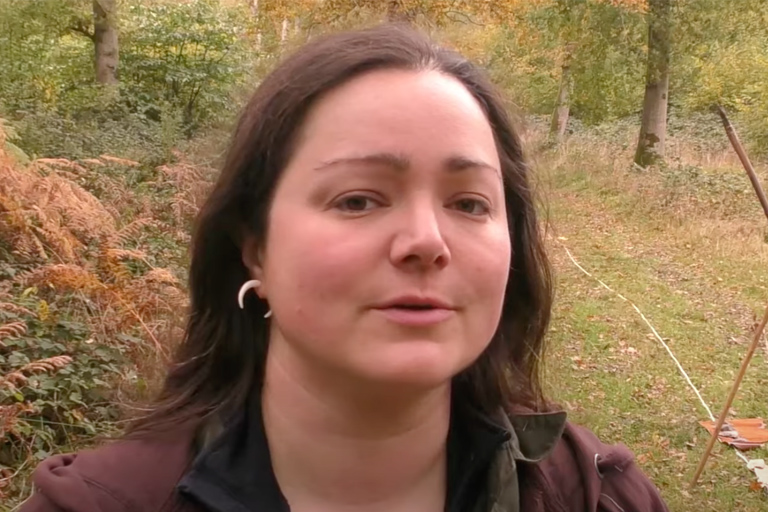
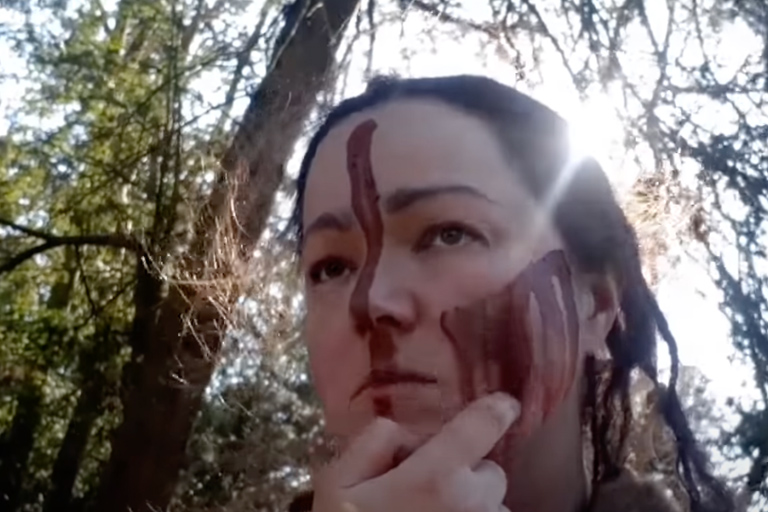
Sarah Day, 34, calls herself a ‘professional cave woman’. This doesn’t mean that she’s hunting animals with stick and stones day in and day out, she also has a “normal” job. Sarah earns her money as a history teacher in Cochester, Essex. Her love for history goes a bit further than most teachers’.
Sarah spends the rest of her time in the woods, looking for her next meal. While most people head to the local grocery store or butcher for a good piece of meat, Sarah finds her protein in nature. She doesn’t kill animals herself, but instead makes clever use of an unfortunate byproduct of modern lifestyle.
Curious to find out how Sarah gets meat? Read on now!
Roadkill
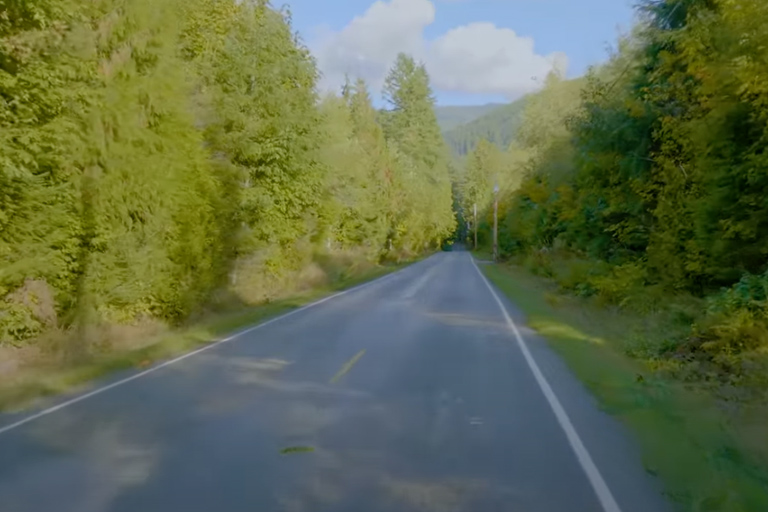
The forest where Sarah likes to spend most of her time is located next to a busy highway. Animals trying to cross this road are unfortunately sometimes hit by passing cars. They then die on the side of the road. This is also known as roadkill. The animals finish their journey on Sarah’s plate.
Sarah eats a meal made with roadkill at least once a week. She doesn’t find a deer, badger, or whatever else to eat on the side of the road every week though. No, Sarah takes advantage of a bit of modern technology to guarantee a filling meal: the freezer. Her freezer shelves are full of wild animals that were hit by cars and left to die on the side of the road.
Sarah is happy to tell you about how these wild animals taste!
Restaurants
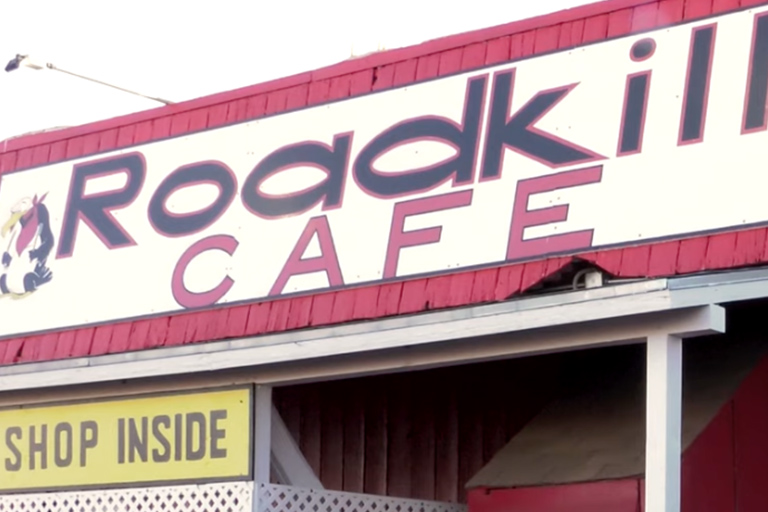
Although fall game is shunned in most countries and not part of many people’s daily menu, the term is a lot more established in the United States, among others. There you will find restaurants that only include roadkill meat on their menu. As long as the animal is properly cleaned, it’s a piece of meat like anything else you eat.
Maybe even fresher and fairer, since you know exactly where the animal comes from. It also prevents waste. In the small village of Marlinton in Pocahontas County, West Virginia, a real fall game festival is organized every year. Adventurous eaters from all over America gather here to cook, prepare and eat fall game. So should you want to give it a try, this is a good place to start.
What roadkill Sarah is happy to tell you!
Stew
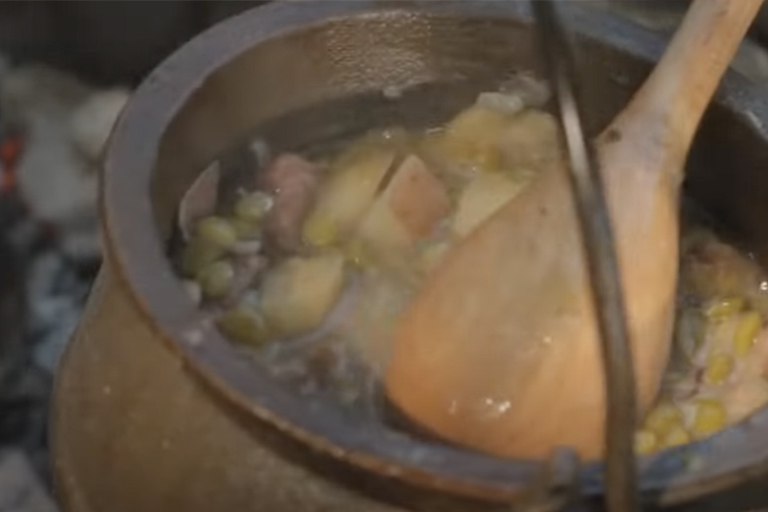
Sarah’s favorite way to incorporate the roadkill into meals is a stew. She always looks forward to the winter delicacy. She makes hearty stews using deer or rabbit. This might be outside of some peoples’ comfort zone, but nothing is too crazy for Sarah. She even eats rats that she finds alongside the road.
What do rats taste like? Sarah says they taste almost the same as squirrels: mild and sweet. According to her, it takes like chicken but even tastier. One of her favorite kinds of meat is pigeon. This apparently tastes the same as a good steak, but more tender. Sarah doesn’t only use the roadkill for their meat, the rest of their bodies is put to use as well.
Curious to know what she does with the bones? Read on now!
Other animal biproducts
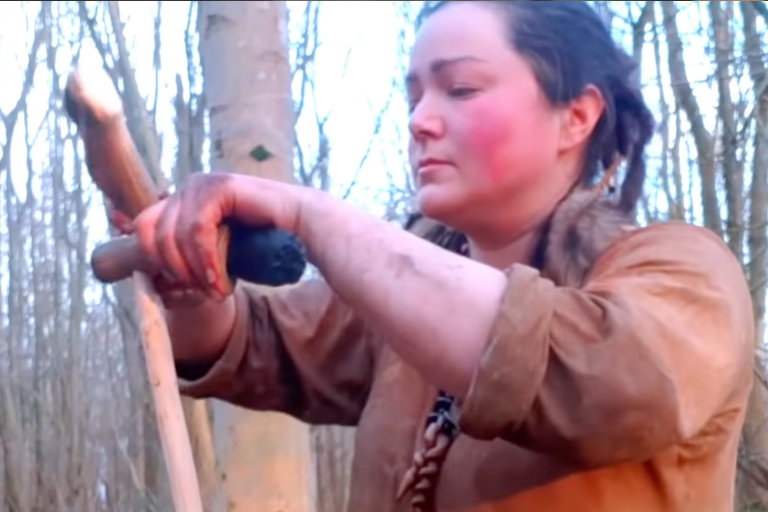
Sarah makes clever use of the skin and entrails of the roadkill. She uses these to make leather, which she then turns into shoes, clothing or other useful objects. Sarah ensures that as much of the carcass as possible is used.
She makes tools and weapons with the bones and keeps the skulls for decoration. Sarah loves animal skulls, which she says are real works of art. Sarah’s lifestyle is dependent on what Mother Nature gives her. But sometimes there’s nothing to be found alongside the road.
What does she do then?
Raw meat
Sarah says there’s nothing wrong with eating roadkill. The animal, once she finds it, is already dead. The animal would otherwise end up in the trash, but Sarah finds clever ways to use the carcasses. This also leaves fewer leftover products than animals that are slaughtered because she puts every piece of the animal to use.
If ever things aren’t going her way and she doesn’t find anything on the side of the road, or the carcasses are too torn up from scavengers, Sarah usually has meat in the freezer. If her freezer happens to be empty too, she buys raw meat at the grocery store. She doesn’t put it in the oven, cook it, or roast it: this isn’t how it would be eaten in nature she says.
Sarah doesn’t look for only meat in the forest. Curious to know what else she finds in nature? Read on now!
Nature
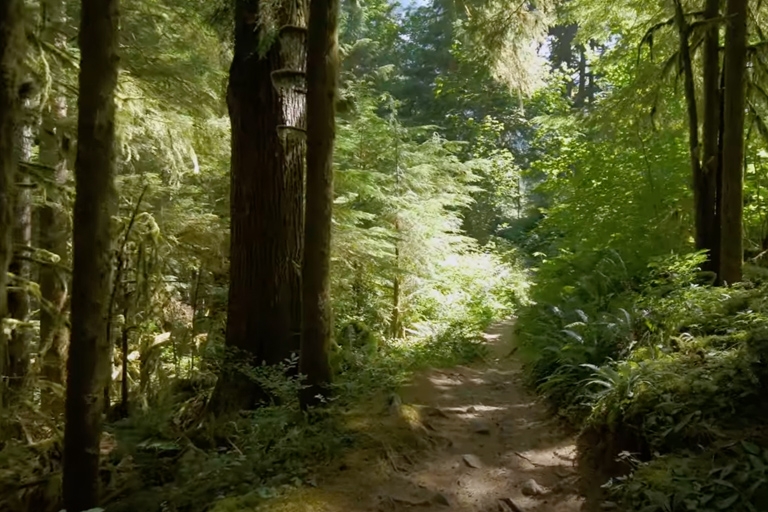
If you know what you’re looking for, a forest can be just as sustaining as a grocery store. This is why Sarah doesn’t just go looking for roadkill, animals that have been hit by cars and end up on the side of the road, but also for other food. Sarah does warn that it’s extremely important to do your research before doing this.
You need to know what is and isn’t edible to avoid getting sick. Through years of experience and lots of research, Sarah has a good idea of what she can and can’t eat. She often comes across nutritious herbs, plants, and fruits in the forest. She’s even able to make use of tree bark: for example, for making tea.
If Sarah feels so at home in the forest, does she actually live there? This answer and more, including 5 tips on how to survive in nature, on the following pages.
Sarah’s living situation
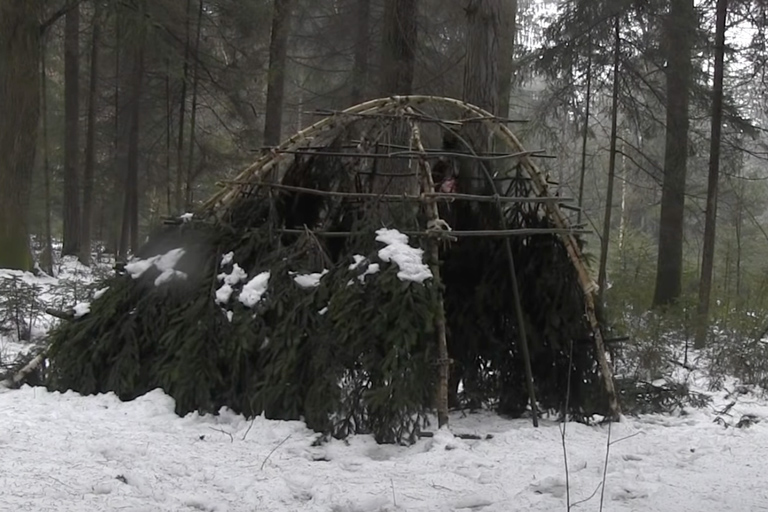
While you might think that Sarah spends her nights in a treehouse or a cave, this isn’t the case (yet). For now, Sarah sleeps at her home in Colchester. Ideally, she’d like to live in a tent, but this hasn’t worked out yet. Who knows what the future will hold!
Just because Sarah lives in a house doesn’t mean she uses all the usual amenities. She prefers using as little help from modern technology as possible. She even sleeps in a sleeping bag that she made herself. And not just a normal cloth sleeping bag, but one made from reindeer skin.
Over the past few years, Sarah has built up an impressive amount of experience in how to survive in nature. These are 5 tips she has for you. You’ll read them on the next page!
Tip 1: You need a tribe.
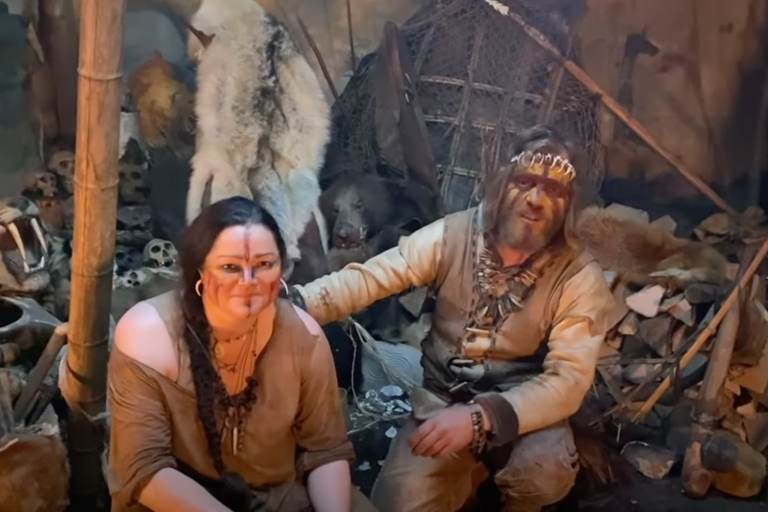
People aren’t made to live out their days alone. Loneliness is one of the deadliest things you can find out in nature. “You should really never be alone because it’s difficult to survive on your own”, Sarah says. “You need others to help you hunt and build tools and shelter.”
So, try to find people of the same mindset with whom you’ll be able to fight against the elements in the wild. You’ll be able to rely on each other a lot. While one person is out searching for roadkill, another can go looking for edible plants and someone else can put all the ingredients together to make a meal. This way you won’t have to do everything by yourself!
Ready for tip 2? Read on now!
Tip 2: You need fire
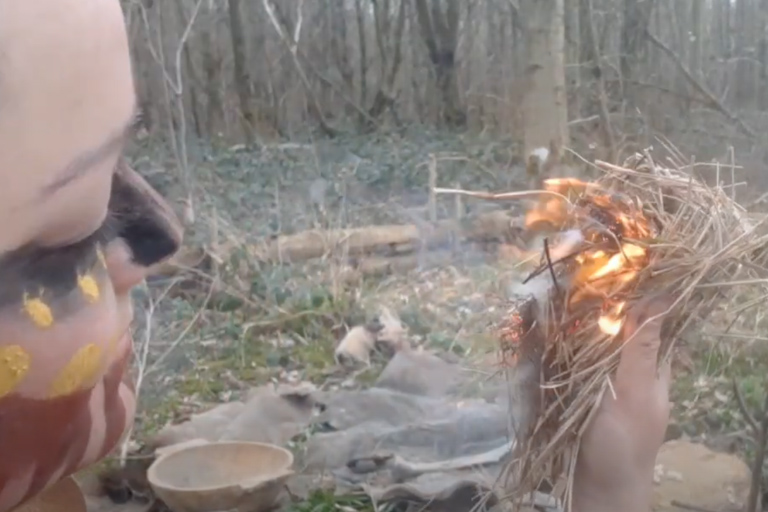
One of the things that will give your chance of survival the biggest boost, is fire. It is therefore absolutely vital to get a good grip on your fire building skills. You can use fire to ward off predators, prepare food, boil water, and keep yourself warm during the cold winter months.
It’s also a good way to have light at night and let others know where they can find you. Don’t underestimate how important it is to have this element when you’re trying to survive in nature. You won’t always have a lighter laying around.
You’ll find tip 3 on the next page!
Tip 3: Take it easy
In nature, you don’t have to be at work at 9am. You don’t have to be at the hair salon at 2:10pm. Time is less important when you’re living out in the wild. So take it easy. You’re not in a rush!
Living in nature isn’t like you see it in movies, there’s not always lots of action. You also need to take the time to enjoy the nature, or maybe a book that you’ve brought along. Did you know that our ancestors, the hunters and gatherers, only worked around three to five hours per day? And not always around the same time: they “worked” when they needed to.
Read on now for Sarah’s next tip!
Tip 4: Only eat things that you’re sure are edible
If you want to survive in nature, it’s extremely important to only eat things that you know won’t make you (dangerously) sick. This is why you need to do your research and only eat things that you’re sure are edible. This includes berries, plants, food, but also water.
You obviously know that drinking saltwater is bad for you because it dries up the water inside of you. But did you know that drinking natural freshwater from a stream can be bad? It’s important to always boil the water before you drink it because it could contain harmful bacteria.
On the next page you’ll find Sarah’s final tip!
Tip 5: Change your expectations
Living in nature is, as we’ve stated already, not the same as how it’s portrayed in movies or tv shows. Living without the modern amenities we’re so used to nowadays can be really tough. This why Sarah finds it important to emphasize how necessary it is to let go of your expectations.
Read books, watch documentaries, get into contact with people like Sarah: the more research you do, the easier you’ll make things on yourself. Bring along books to identify edible plants, berries and other things you may find in nature, make sure you have a warm sleeping bag. Prepare well!
Sarah has one last piece of advice. You’ll find it on the next page!
Practice
Hopefully you can make good use of Sarah’s tips. Surviving in nature isn’t easy, but who knows… maybe society as we know it will tumble. Then you won’t have a choice, so you’d better be prepared.
Sarah has one last piece of advice she’d like to share. “It’s about being smart about what you do”, she says. “The more you know and the longer you practice, the better your chances will be at survival.”
Source: NYPost, Radseason | Image: YouTube video stills, Pexels