
This is why you should never store these foods in the refrigerator

19 types of foods we wish somebody had told us earlier to never store in our refrigerator
There are several types of foods that should not be stored in the refrigerator. You may think you are doing the right thing by refrigerating them and it can prevent them from spoiling but sadly, you are doing the exact opposite. Some foods should be kept at room temperature because the cold temperature of the fridge can cause their flavor to deteriorate. Others can become soft and spoil quickly when stored in the fridge.
In general, it’s important to remember that the fridge is not always the best place to store all types of foods. Some foods are better off left out of the fridge in order to maintain their flavor and texture.
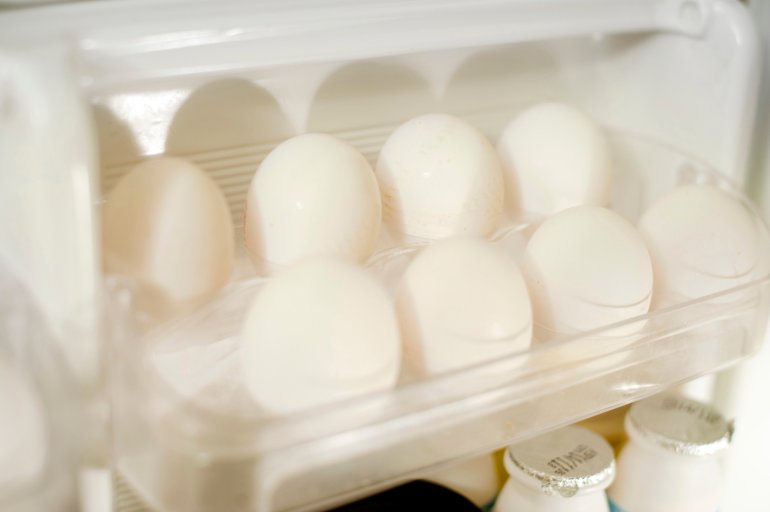
1. Eggs
Eggs should not be stored in the refrigerator because the cold temperature can cause the eggs to become brittle and more susceptible to cracking. The natural protective coating on the outside of the egg, called the cuticle, can also be damaged by the cold temperature of the fridge, which can allow bacteria to enter the egg.
Additionally, the humidity inside a refrigerator can cause the eggs to lose moisture, which can affect their flavor and texture. This is especially true for eggs with thin shells, which are more susceptible to drying out.
It’s also important to note that storing eggs in the fridge can cause them to pick up other strong odors, which can affect their taste. This can be especially problematic for eggs that are not stored in their original carton, which provides some protection from odors.
In general, it’s best to store eggs at a consistent room temperature, away from direct sunlight and any strong odors. This will help to preserve their quality and flavor.
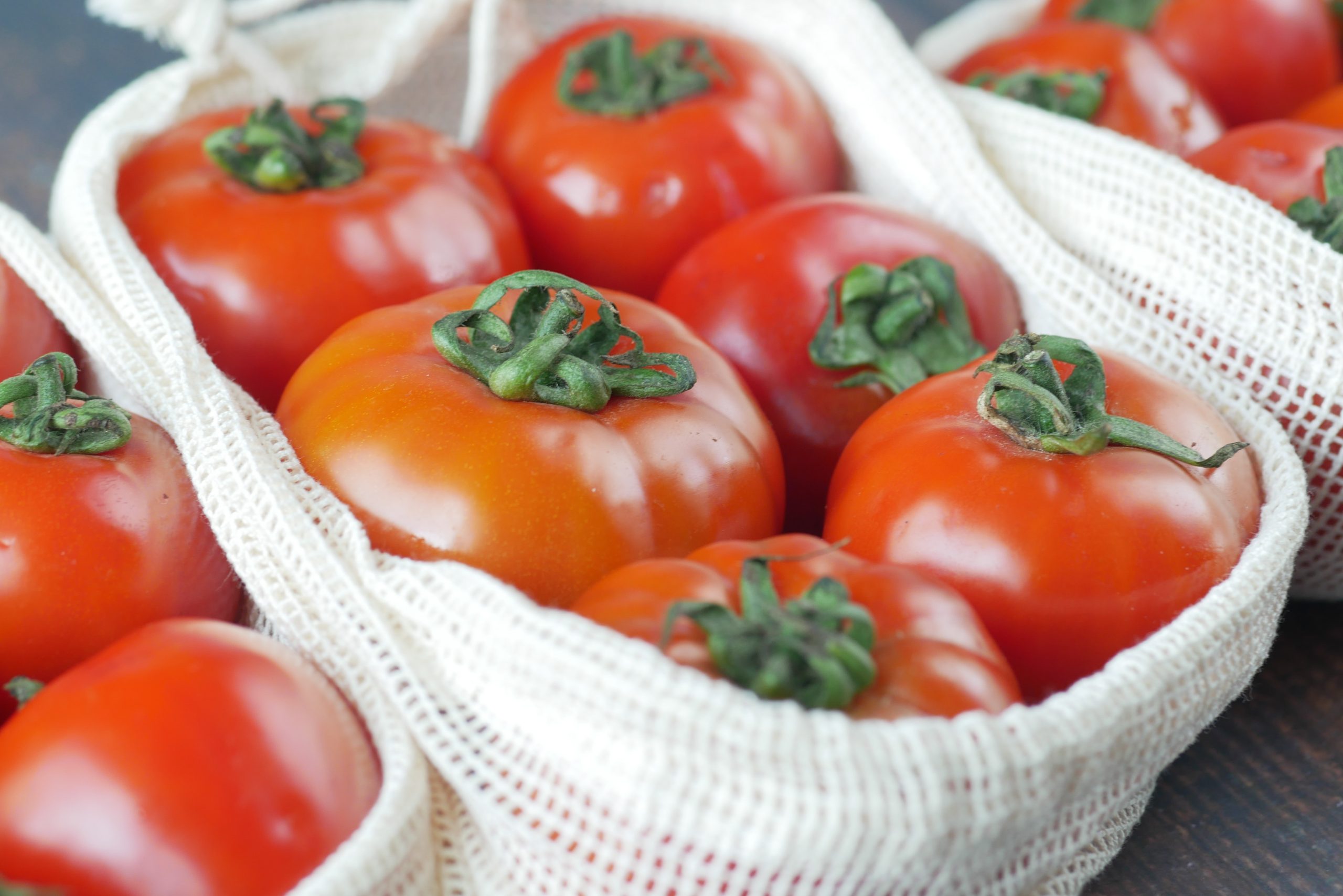
2. Tomatoes
Tomatoes should not be stored in the refrigerator because the cold temperature can cause their flavor to deteriorate. When kept at room temperature, tomatoes will retain their natural flavor and texture.
The cold temperature of the fridge can damage the cells in the tomato and inhibit the production of enzymes and chemicals that contribute to its flavor and aroma. For the best flavor and texture, store tomatoes at room temperature, away from direct sunlight, and in a place where they will not be damaged or bruised.
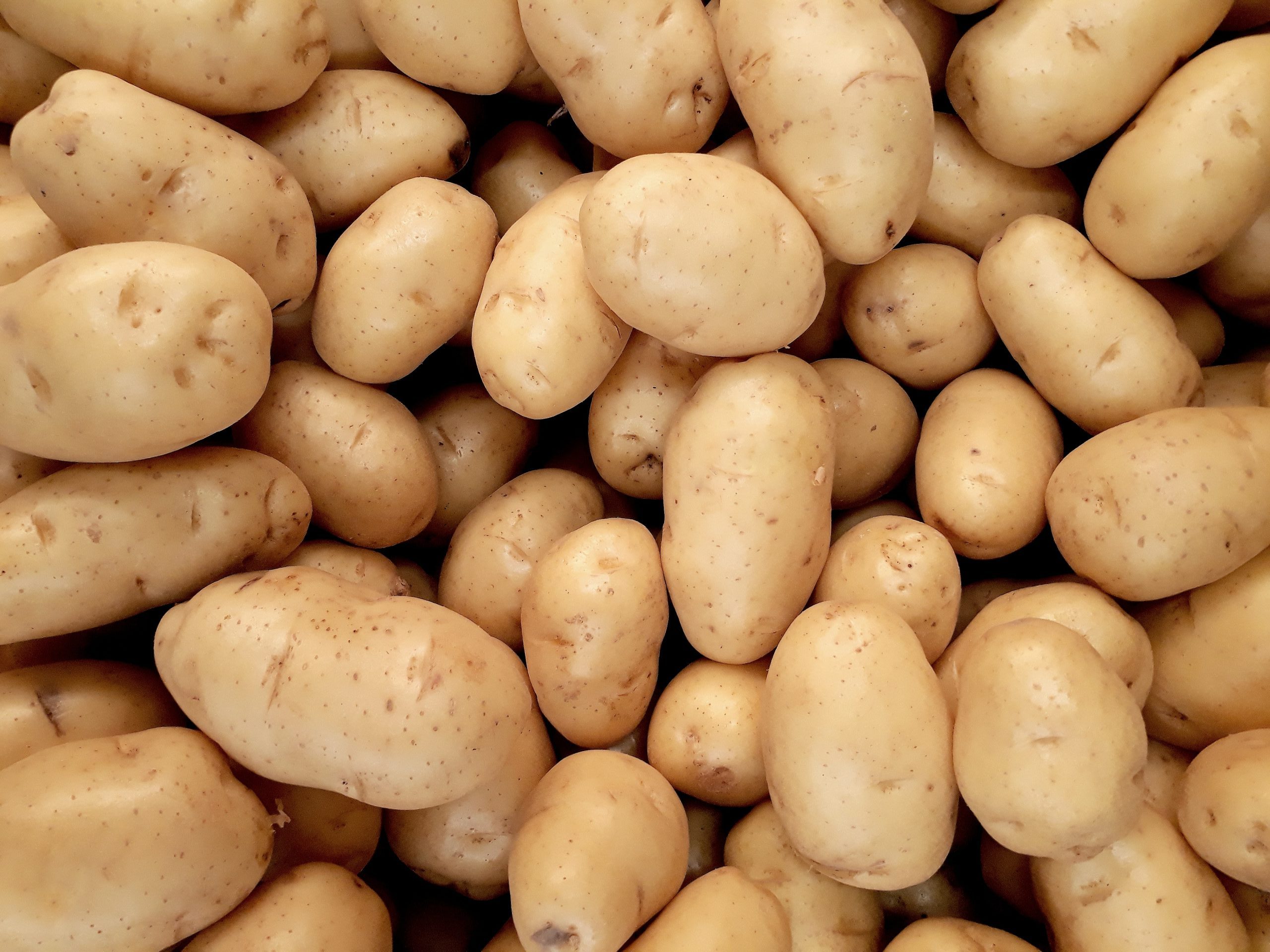
3. Potatoes
Potatoes should not be stored in the refrigerator because the cold temperature can cause the potatoes to develop a sweet taste and become less flavorful. This is because the cold temperature of the fridge can cause the starches in the potatoes to convert to sugar, which can affect their taste.
Additionally, the cold temperature of the fridge can cause the potatoes to become harder and more difficult to cook. This is because the cold temperature can cause the potatoes to lose moisture, which can make them more dense and difficult to cook evenly.
It’s also important to note that storing potatoes in the fridge can cause them to pick up other strong odors, which can affect their taste. This can be especially problematic for potatoes that are not stored in a sealed container, which provides some protection from odors.
In general, it’s best to store potatoes in a cool, dark place, away from direct sunlight and any strong odors. This will help to preserve their flavor and texture for as long as possible.
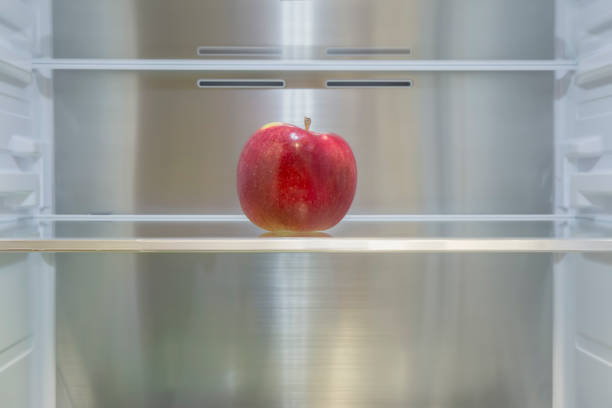
4. Apples
The tip for tomatoes also counts for apples. They are best stored at room temperature, away from direct sunlight. This is because the cold temperature of a refrigerator can cause the apples to lose their flavor and become mealy. If you want to keep your apples fresh for as long as possible, it’s best to store them in a cool, dark place.
However, if you have a lot of apples and need to store them for an extended period of time, it’s okay to put them in the fridge. Just make sure to remove them from the fridge and allow them to come back to room temperature before eating them for the best flavor.
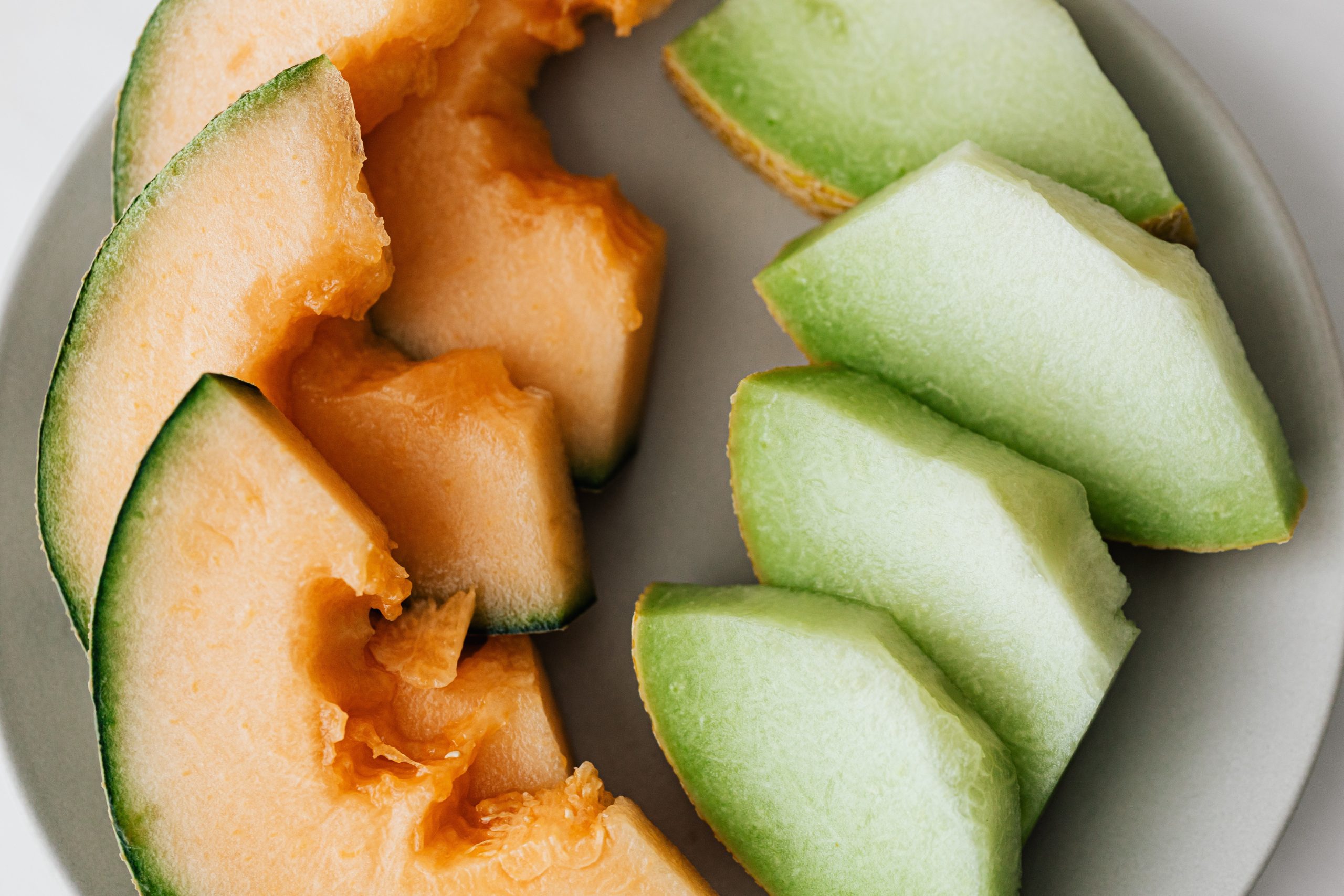
5. Melons
Are you tired of bland, flavorless melons? Don’t make the mistake of storing them in the fridge before they’re ripe! The cold temperature can prevent your melons from reaching their full flavor potential. Instead, store them at room temperature until they’re ripe and juicy, then move them to the fridge to extend their shelf life. Trust us, your taste buds will thank you!
On the next page you will find out why you should never put garlic in the fridge!
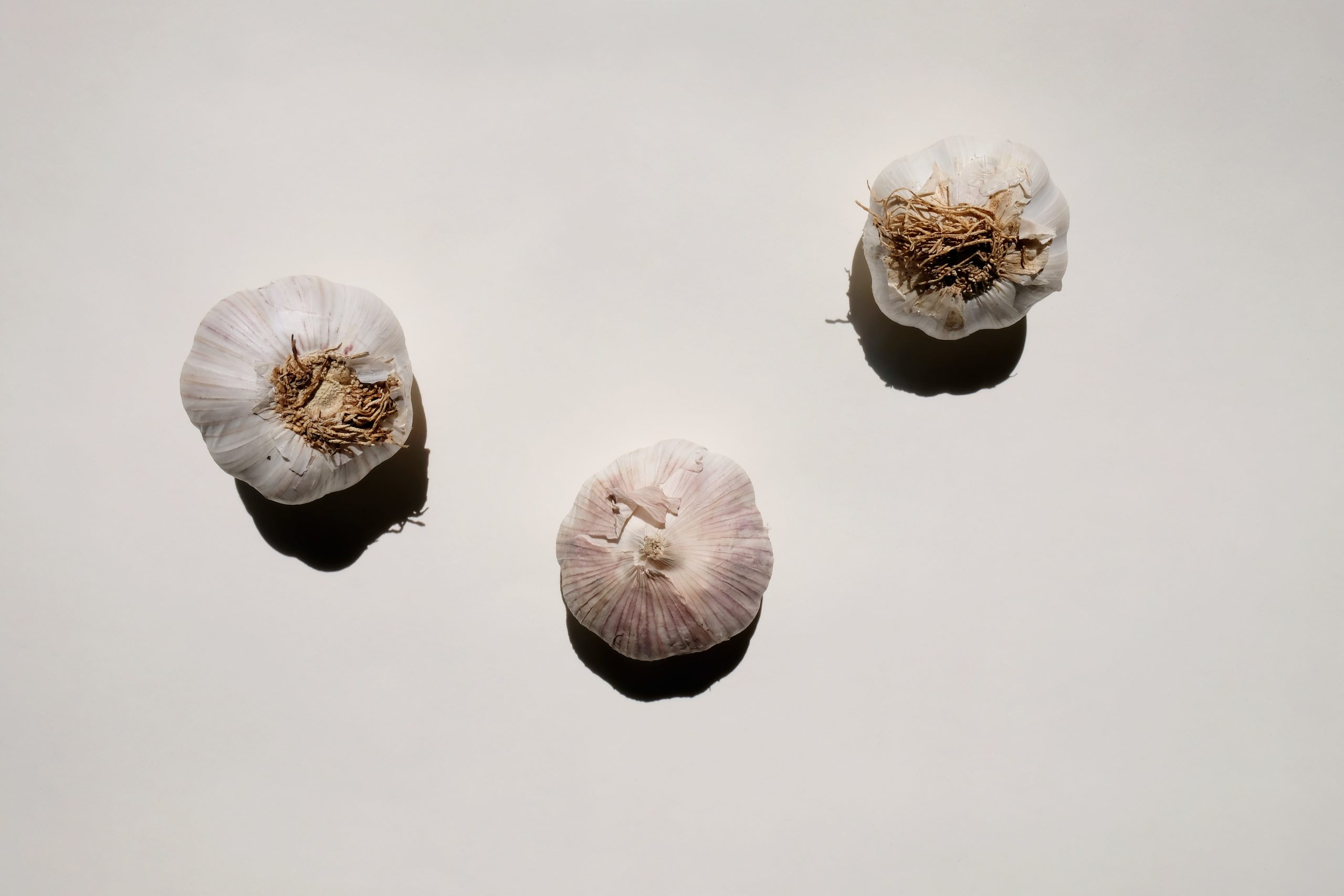
6. Garlic
Are you guilty of storing your garlic in the fridge? You could be ruining its flavor and texture! The cold temperature of the fridge can cause garlic to become soft and spoil more quickly. Instead, store your garlic at a cool room temperature to preserve its firmness and flavor. Don’t let the cold rob your garlic of its natural aroma and flavor – keep it out of the fridge!
Instead, store your garlic in a cool, dark place, away from direct sunlight and any strong odors. This will help to preserve its flavor and texture for as long as possible.
Remember how you buy it in the grocery store. They don’t store it in the refrigerator here so why do it at home?
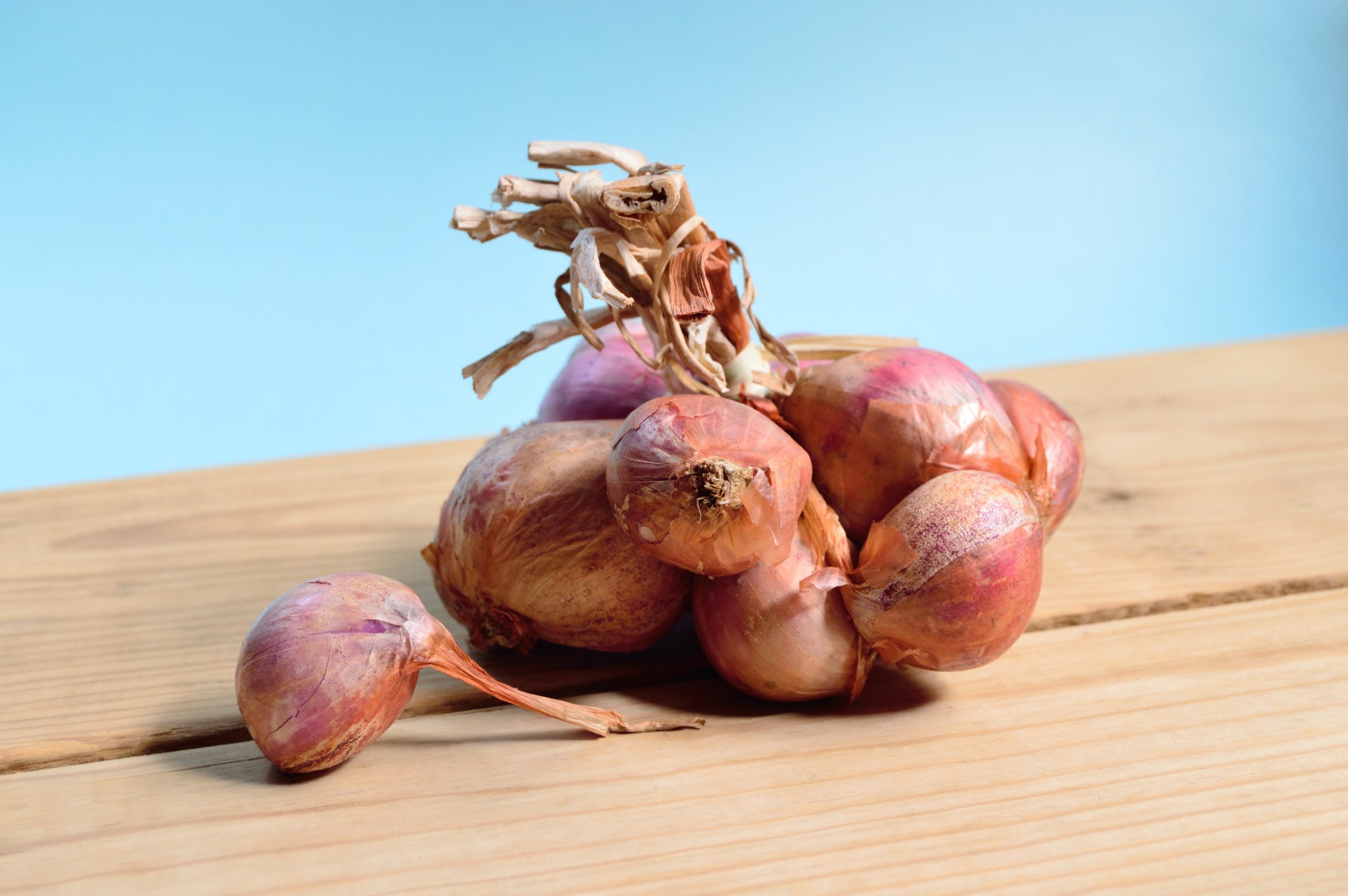
7. Onion
This next tip is similar to the previous one. Don’t store your onions in the refrigerator anymore. The cold temperature can cause them to become soft and spoil more quickly. Just like garlic, onions are sensitive to cold temperatures and can become moist and mushy when stored in the fridge.
If you want them to retain their firmness and flavor better, store your onions at a cool room temperature. The cold temperature of the fridge can cause the cells in the onion to break down, which can affect its texture and flavor.
Additionally, storing onions in the fridge can cause them to lose some of their natural aroma and flavor. This is because the cold temperature can inhibit the production of certain enzymes and chemicals that contribute to the onion’s aroma and flavor.
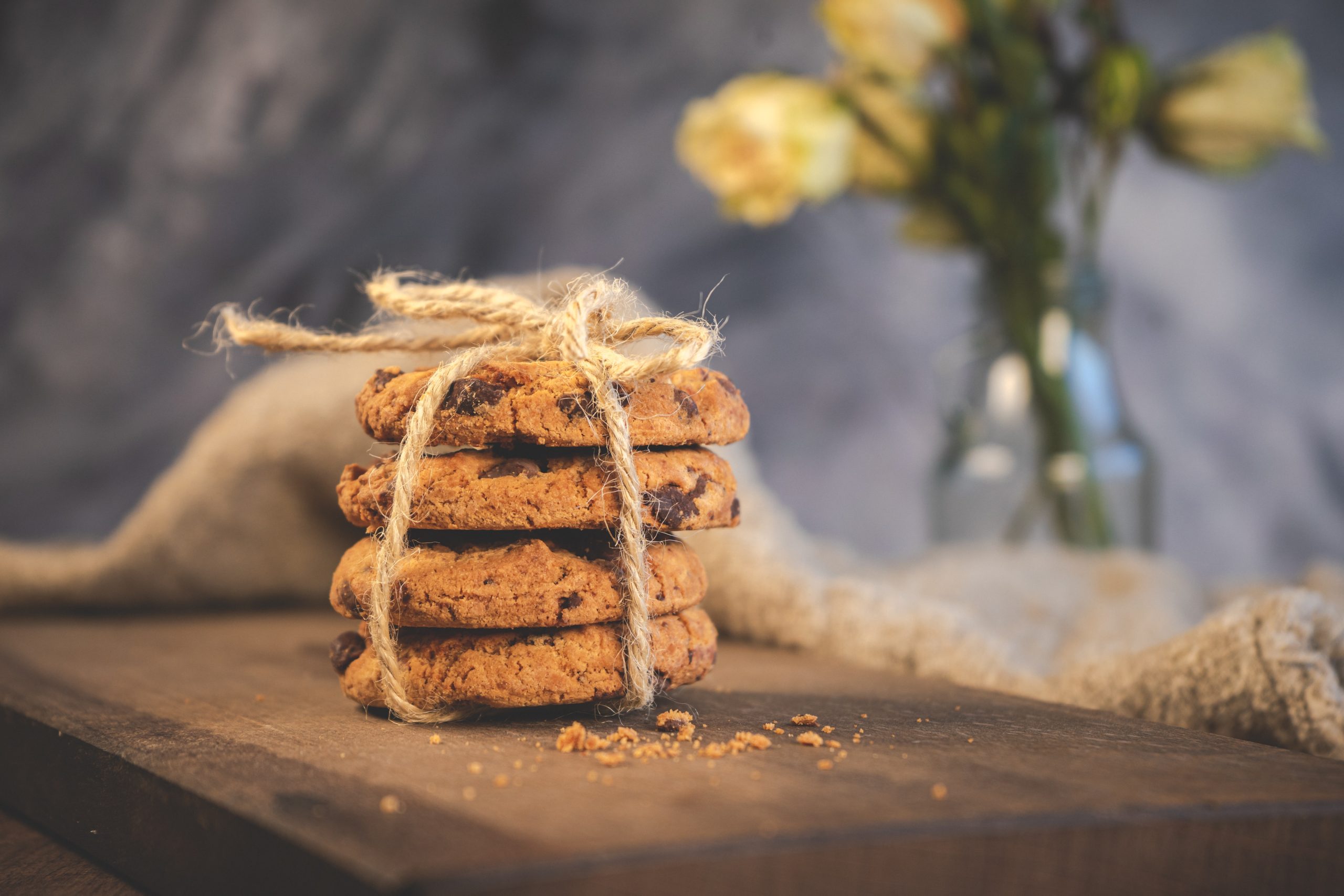
8. Cookies and cakes
It’s not necessarily bad to store cookies and cakes in the refrigerator, but it’s not always the best way to keep them fresh and delicious. Cookies and cakes are best stored at room temperature in an airtight container to prevent them from drying out. The cold temperature of the fridge can cause the cookies and cakes to become hard and stale, and can also cause the frosting or icing on the cakes to become hard and difficult to spread.
Additionally, the moisture in the fridge can cause the cookies and cakes to become soggy. If you need to store your cookies and cakes for an extended period of time, it’s okay to put them in the fridge, but be sure to remove them from the fridge and allow them to come back to room temperature before eating them for the best flavor and texture.
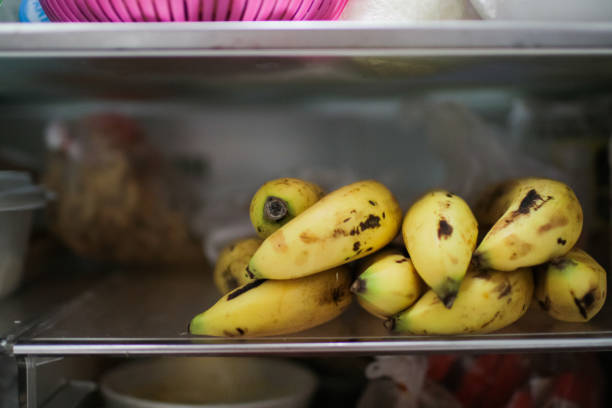
9. Bananas
Just like with eggs, you also shouldn’t put bananas in the fridge. The cold temperature can prevent them from ripening properly. Bananas are a type of fruit that continues to ripen and develop flavor after it has been picked, and the cold temperature of the fridge can slow down this process.
When a banana is stored at room temperature, the enzymes and chemicals inside the fruit continue to break down and develop, which helps to improve its flavor and texture. However, when a banana is stored in the fridge, this process is slowed down or stopped altogether, which can prevent the banana from reaching its full potential.
Additionally, storing bananas in the fridge can cause them to develop dark spots on the peel, which can make them less appealing to eat. This is because the cold temperature can cause the sugars in the banana to break down and form compounds that can produce dark spots on the peel.
In general, it’s best to store bananas at room temperature until they are fully ripe, and then move them to the fridge to extend their shelf life. This will help to preserve their flavor and texture for as long as possible.
10. Salami
Additionally, salami is a fermented and cured product, so it’s already been preserved and doesn’t need to be kept in the fridge to prevent spoilage. Salami, like other cured meats, is best to store it in a cool, dark cupboard, away from direct sunlight and heat. This is because the cold temperature of a refrigerator can cause the salami to lose some of its flavor and become dry and hard.
Keeping it in the fridge can actually cause the salami to go bad faster due to the fluctuations in temperature that can occur when the fridge door is opened and closed. If you want to keep your salami fresh for as long as possible, it’s best to store it at room temperature.
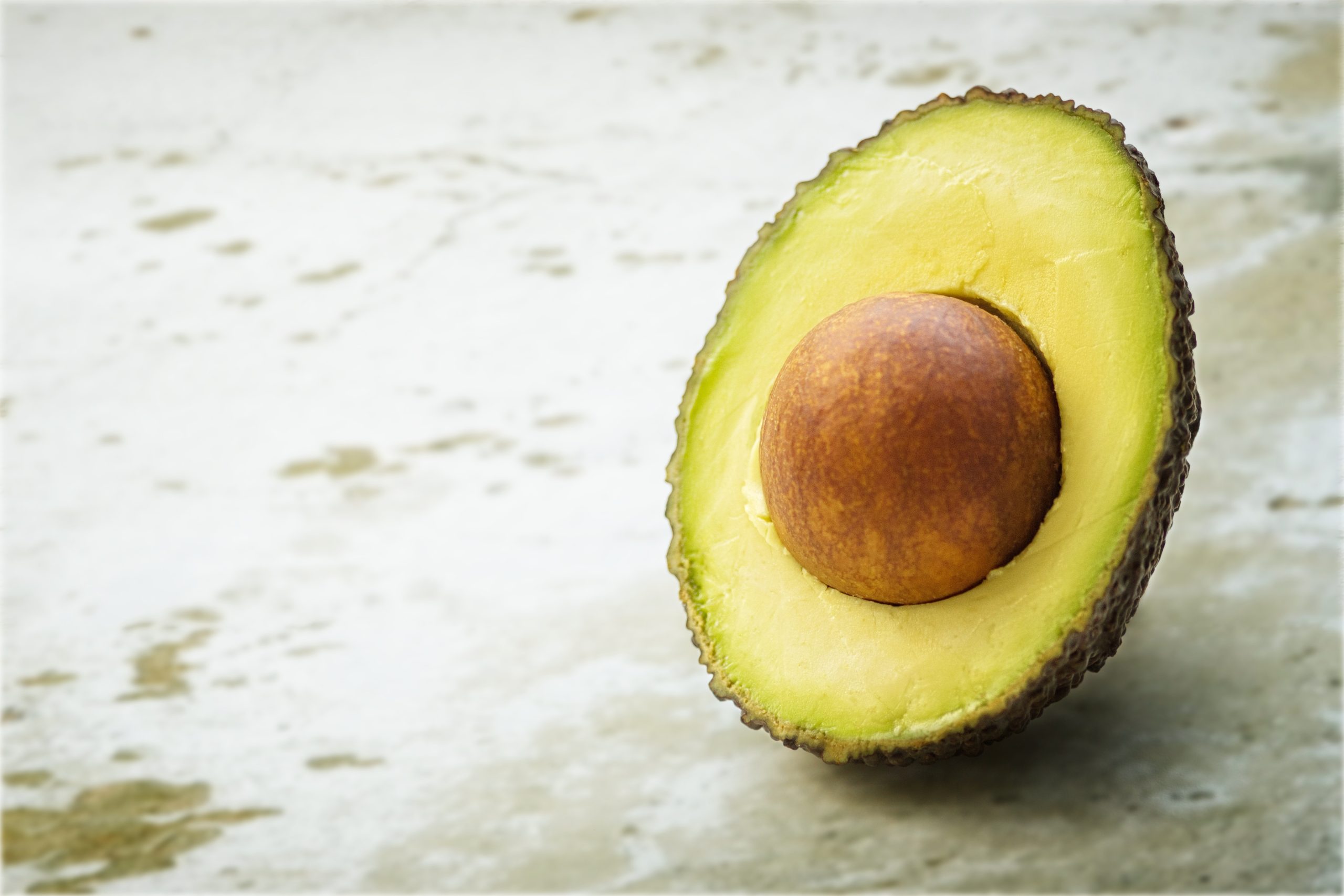
11. Avocados
Just like bananas, melons, and other fruits, cold temperatures can ruin avocados! If you’re storing your avocados in the fridge, you could be preventing them from reaching their full flavor and texture potential. Instead, keep your avocados at room temperature until they’re ripe and delicious. This will allow the enzymes and chemicals inside the fruit to break down and develop, giving your avocados the flavor and texture you crave.
And don’t worry about your avocados becoming too ripe – once they’re ripe, you can move them to the fridge to preserve their flavor and texture for a little while longer. Just make sure not to store them in the fridge before they’re ripe, or you’ll be missing out on all that delicious avocado goodness!
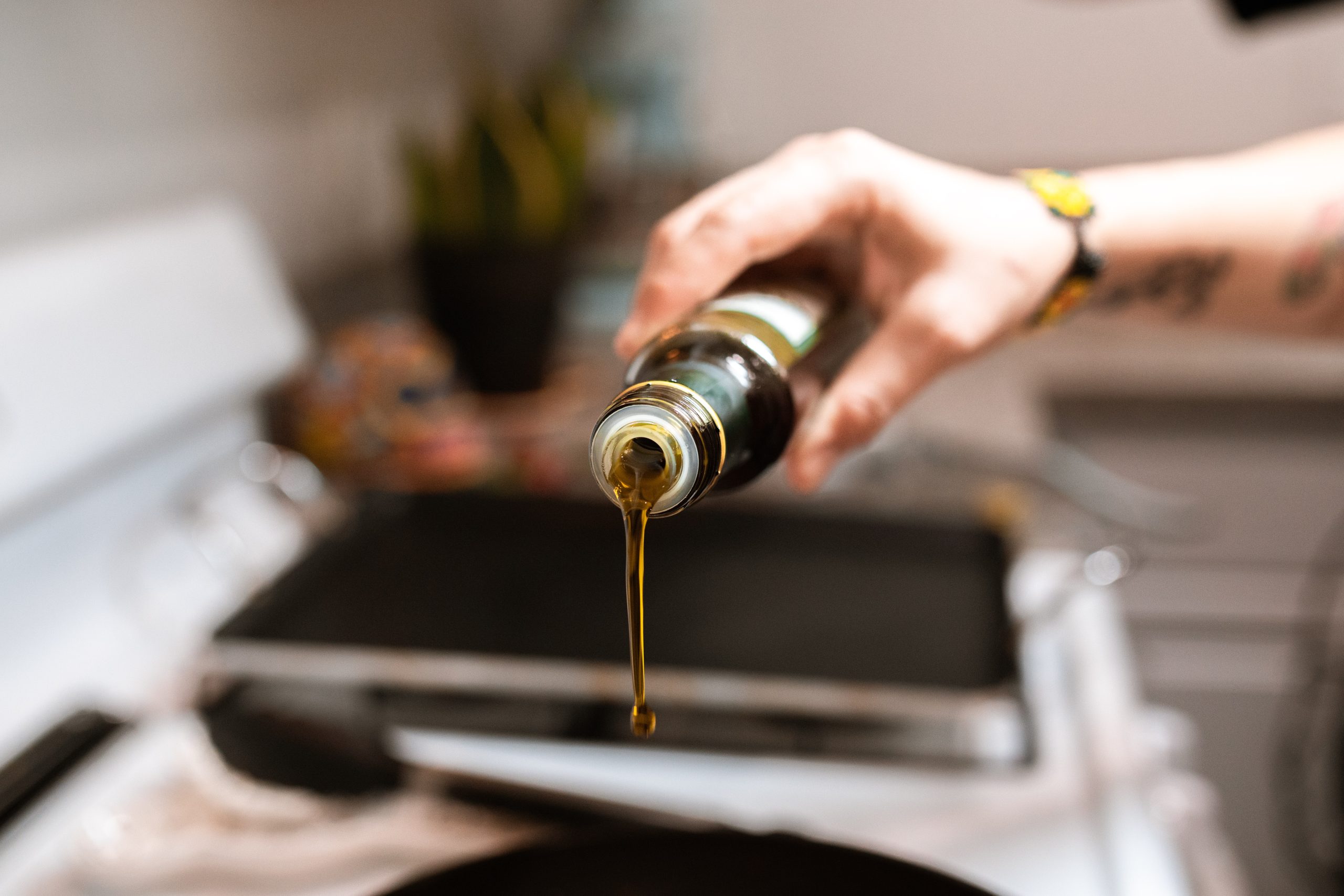
12. Oil
Another product you should keep far away from your fridge is oil. The cold temperature can cause it to become thick and cloudy. Most types of oil are sensitive to cold temperatures and can become thick and difficult to pour when stored in the fridge. This can make it difficult to use the oil in cooking or as a dressing for salads.
Additionally, the cold temperature of the fridge can cause the oil to become cloudy and lose its transparency. This is because the cold temperature can cause the particles in the oil to clump together and become suspended, which can affect the oil’s appearance and clarity.
It’s also important to note that storing oil in the fridge can cause it to pick up other strong odors, which can affect its taste. This can be especially problematic for oil that is not stored in a sealed container, which provides some protection from odors.
To preserve the flavor and texture of your oil, it’s best to store it at a cool room temperature, away from direct sunlight and any strong odors. This will help to keep your oil fresh and ready to use whenever you need it.
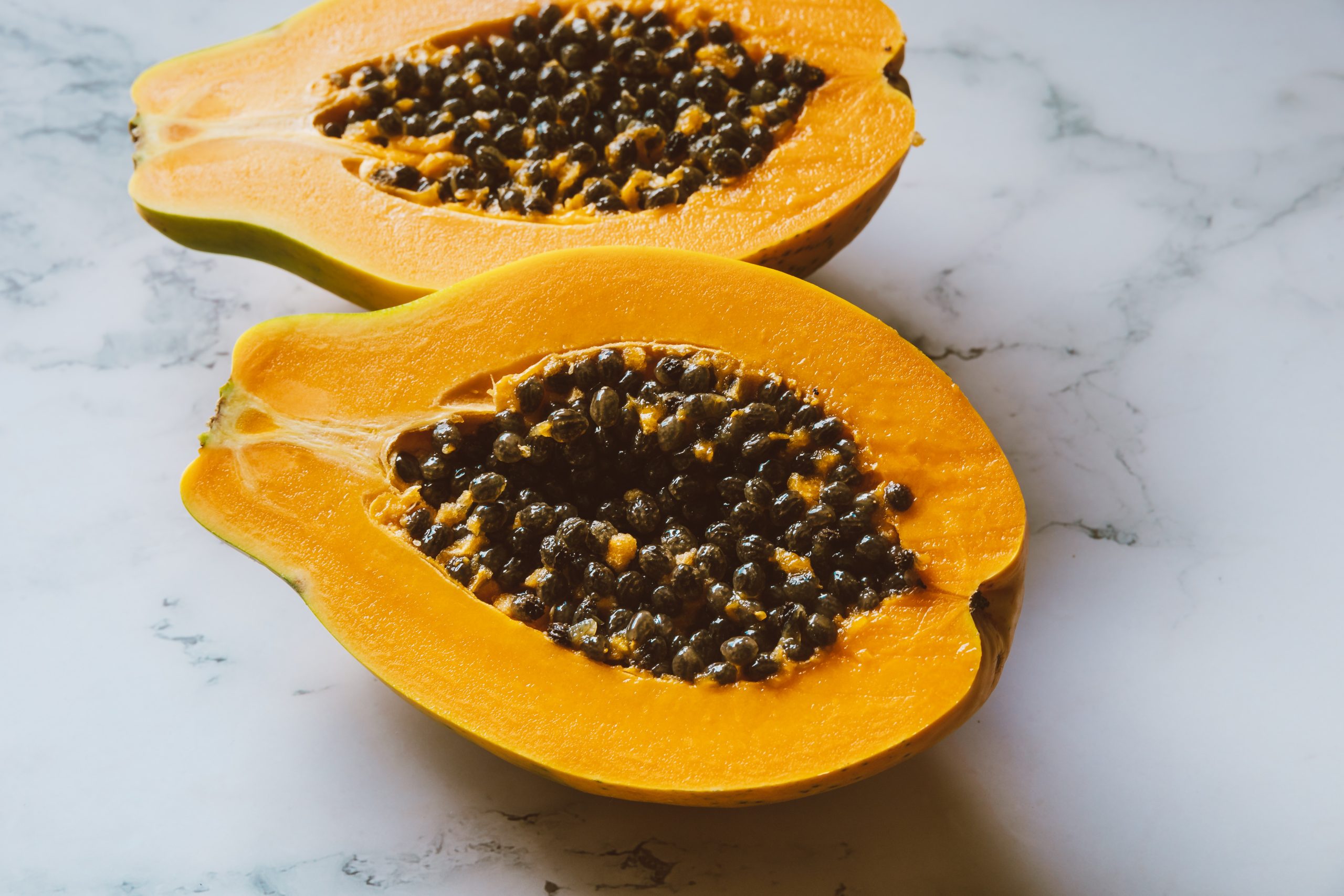
13. Papaya
Papayas are best stored at room temperature, away from direct sunlight. This is because the cold temperature of a refrigerator can cause the papayas to lose their flavor and become mealy. If you want to keep your papayas fresh for as long as possible, it’s best to store them in a cool, dark place.
However, if you have a lot of papayas and need to store them for an extended period of time, it’s okay to put them in the fridge. Just make sure to remove them from the fridge and allow them to come back to room temperature before eating them for the best flavor.

14. Fresh herbs
Fresh herbs are delicate and sensitive to cold temperatures, so they should not be stored in the refrigerator. When stored at a cool room temperature, fresh herbs will retain their flavor and texture much better than if they were stored in the fridge. The cold temperature of the fridge can cause the cells in the herbs to break down, which can affect their flavor and texture.
Additionally, storing herbs in the fridge can cause them to lose some of their natural aroma and flavor. For the best flavor and texture, store fresh herbs in a cool, dark place, away from direct sunlight and any strong odors. This will help to preserve their flavor and texture for as long as possible.
Source: https://www.tips-and-tricks.co/food/foods-refrigerator/