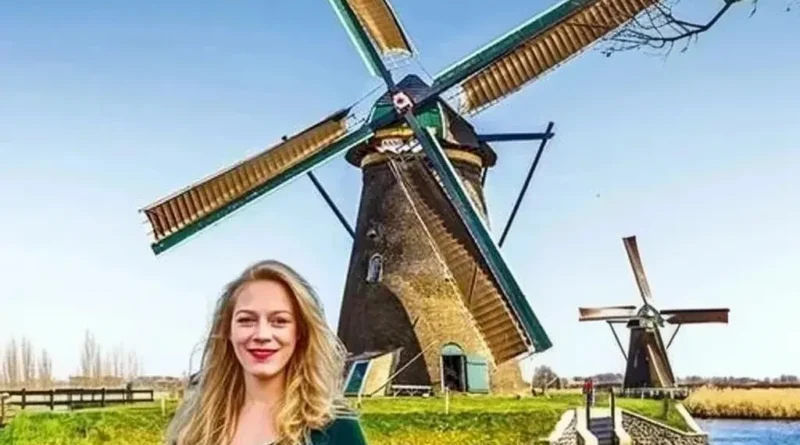
A young woman inherited her grandfather’s old windmill, turning it into something truly special.
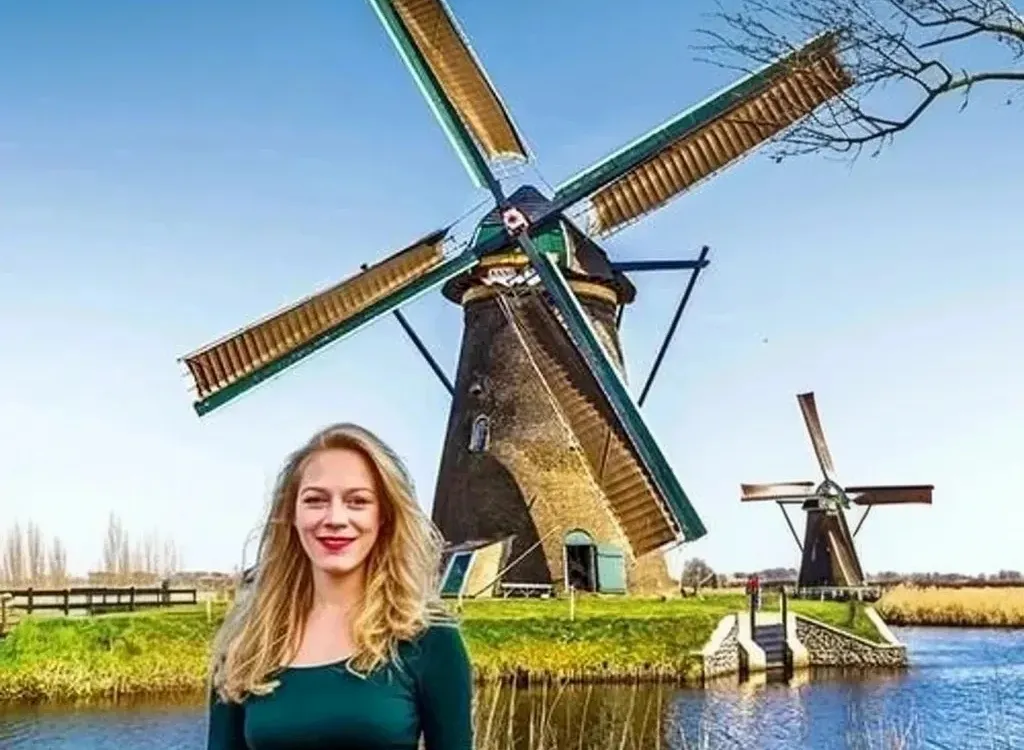
Lena had always been fascinated by the stories her grandfather told about the windmill. As a child, she would sit at his feet in the fading light of his farmhouse, listening to his deep, rumbling voice describe the seasons it had endured—the storms, the dry summers, and the way its blades had once turned tirelessly, grinding grain for the local farmers. But by the time she grew up, the windmill was little more than a hollow relic, its sails broken and its wooden beams warped with age.
When her grandfather passed away, Lena didn’t expect to inherit anything. But there it was, scrawled in his will: “To Lena, I leave the windmill. May it teach her what it taught me.”
At first, she felt overwhelmed by the enormity of it all. She had no idea how to fix a structure so old and fragile. The windmill stood on a hill just outside the village, abandoned for decades, its once-proud silhouette now crumbling against the horizon. Yet something about it called to her, just as it had called to her grandfather years before.
The first time Lena stepped inside, she was struck by the smell—dust, wood, and something faintly sweet, like dried hay. The floor was littered with debris—broken tools, bird nests, and forgotten relics from another time. But as her eyes adjusted to the dim light, she noticed something else: carvings in the wooden beams. Her grandfather’s handwriting, etched into the grain. Messages like: “Work with your hands, and your heart will follow.” And “Beauty isn’t found; it’s made.
Those words became her compass. Lena decided she wouldn’t just let the windmill rot away. She would bring it back to life. The first few months were grueling. She spent her weekends and evenings researching windmill restoration, watching videos, and poring over old blueprints.
She enlisted help from anyone who would offer it—a retired carpenter from the village, a local metalworker, even her younger brother who was more skilled with a hammer than she was. Bit by bit, they rebuilt what had been lost
Replacing the blades was the hardest part. Each one had to be carefully crafted and balanced so the windmill could turn again. There were days when Lena thought it would never happen, days when the project felt too big, too impossible. But she kept going, driven by her grandfather’s words.
As she worked, she began to notice the small details that had been hidden under years of neglect: the delicate iron hinges on the doors, the intricate wooden gears inside, and a small, hand-carved box she found tucked away in a corner. Inside the box was a letter from her grandfather. It read: “The windmill has always been a part of our family, but it’s more than just a building. It’s a reminder that even when things seem broken, they can be made whole again—with care, patience, and love.”

By the time Lena finished, the windmill stood tall and proud, its blades spinning once more in the breeze. But it wasn’t just the windmill that had changed—Lena had too. The long hours of labor had taught her the value of persistence, and the joy of creating something with her own hands.
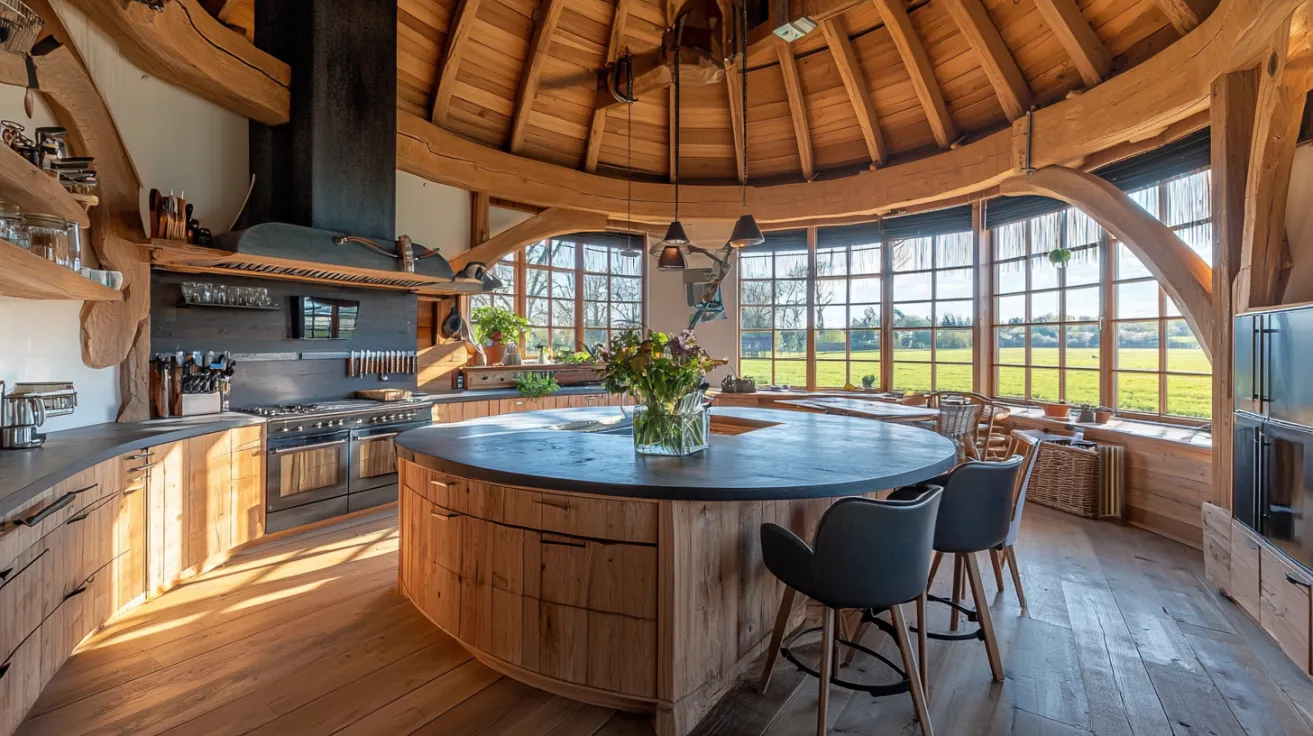
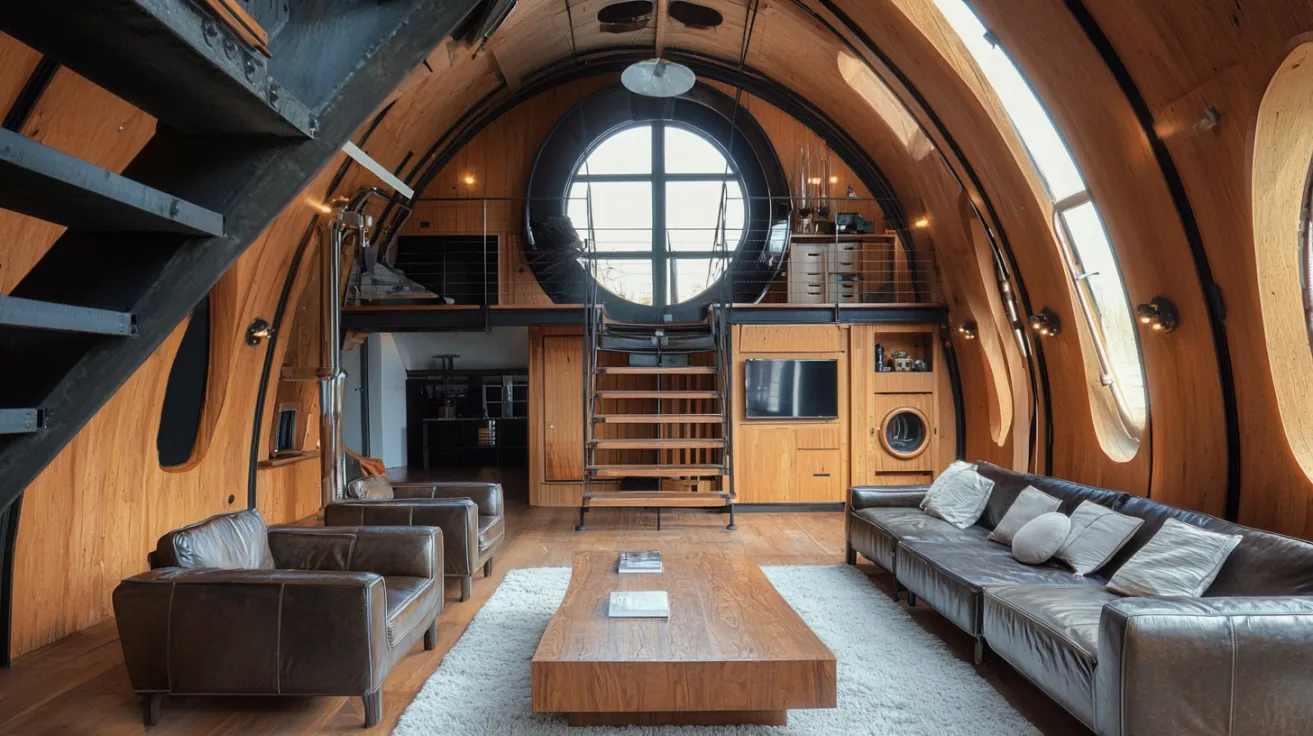
The windmill became more than a restored relic; it was a beacon. Lena transformed the inside into a community space, where locals could gather for small events, workshops, and storytelling nights—just as her grandfather had once done around the fire.
Looking up at the windmill one evening as the sun dipped below the horizon, Lena felt a deep sense of peace. Her grandfather had been right: beauty wasn’t something you found. It was something you made, one careful step at a time.
Source: https://www.tips-and-tricks.co/home-and-garden/windmill/