This 60-Year-Old Woman is Living Alone in Antarctica – Take a look at the Inside
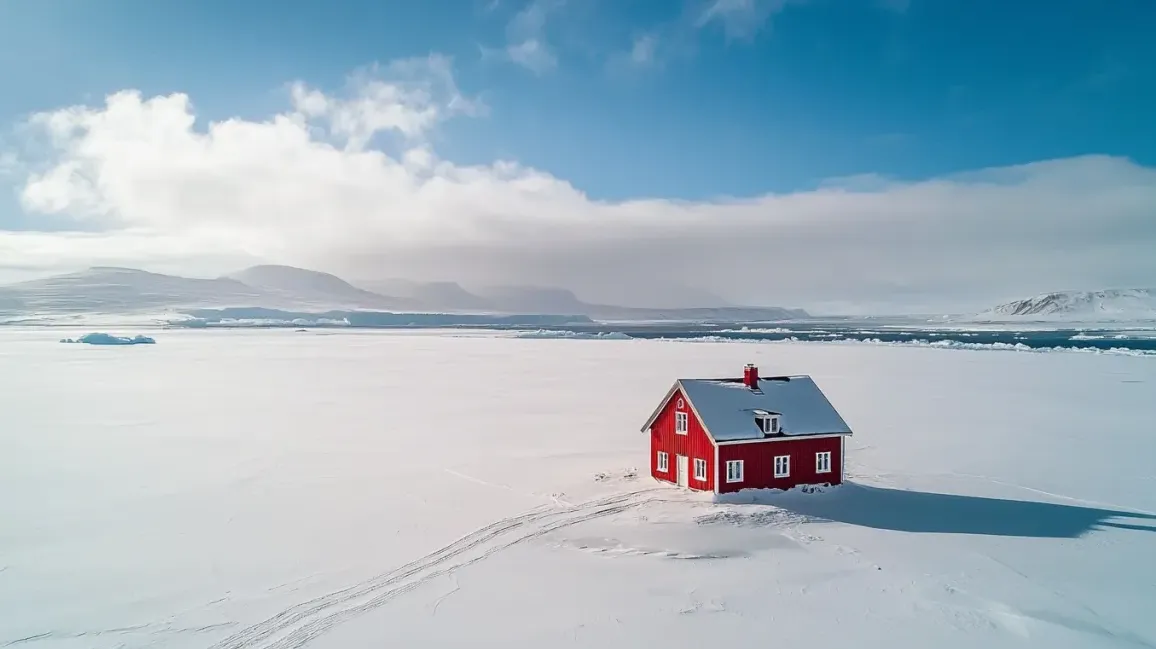
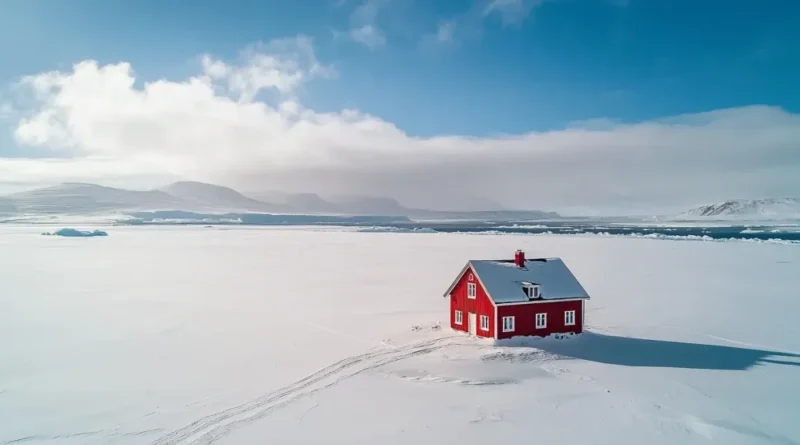
In the heart of one of the most isolated, unforgiving places on Earth, a woman has carved out a life few could imagine. At 60 years old, Eleanor Matthews has made her home in Antarctica—a land of perpetual ice, fierce winds, and isolation. While most people see the frozen continent as a destination for brief scientific expeditions or extreme tourism, Eleanor has chosen to live there year-round, in a humble house far from the nearest human settlement.
Her house is a simple, self-sufficient structure—equipped with solar panels, a small wind turbine, and a reliable heating system. Despite the challenging conditions, Eleanor has become adept at maintaining her home and the surrounding area. In the frigid winters, temperatures can plummet to -60°F (-51°C), and the sun disappears for months at a time. But Eleanor’s house, with its thick walls and specialized insulation, remains a safe haven against the brutal cold.
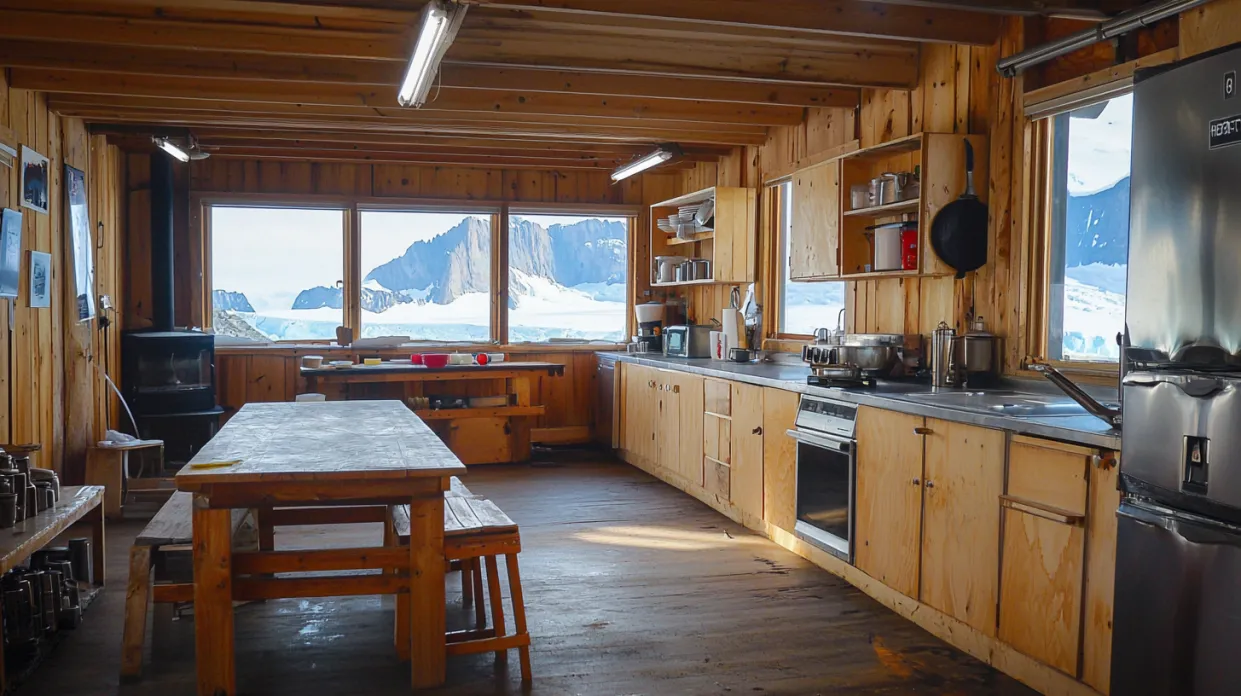
Her daily life revolves around routine: checking weather forecasts, maintaining her energy systems, ensuring the water supply remains intact, and monitoring her research projects. She also grows a small garden inside her house, relying on hydroponic systems to produce vegetables, and stores enough supplies to last for months. Eleanor has learned to be resourceful, relying on her scientific training to solve problems and adapt to the challenges of extreme living.
The Psychological Toll of Isolation
While the physical challenges of living in Antarctica are well-known, the psychological toll of isolation can be even more daunting. Eleanor’s decision to live alone in such an extreme environment is one of conscious choice, but that does not mean it is without its struggles. The isolation can be intense, particularly during the dark winter months when the sun does not rise for weeks at a time. The stillness of the landscape and the absence of human contact can create feelings of loneliness, even for someone who thrives in solitude.
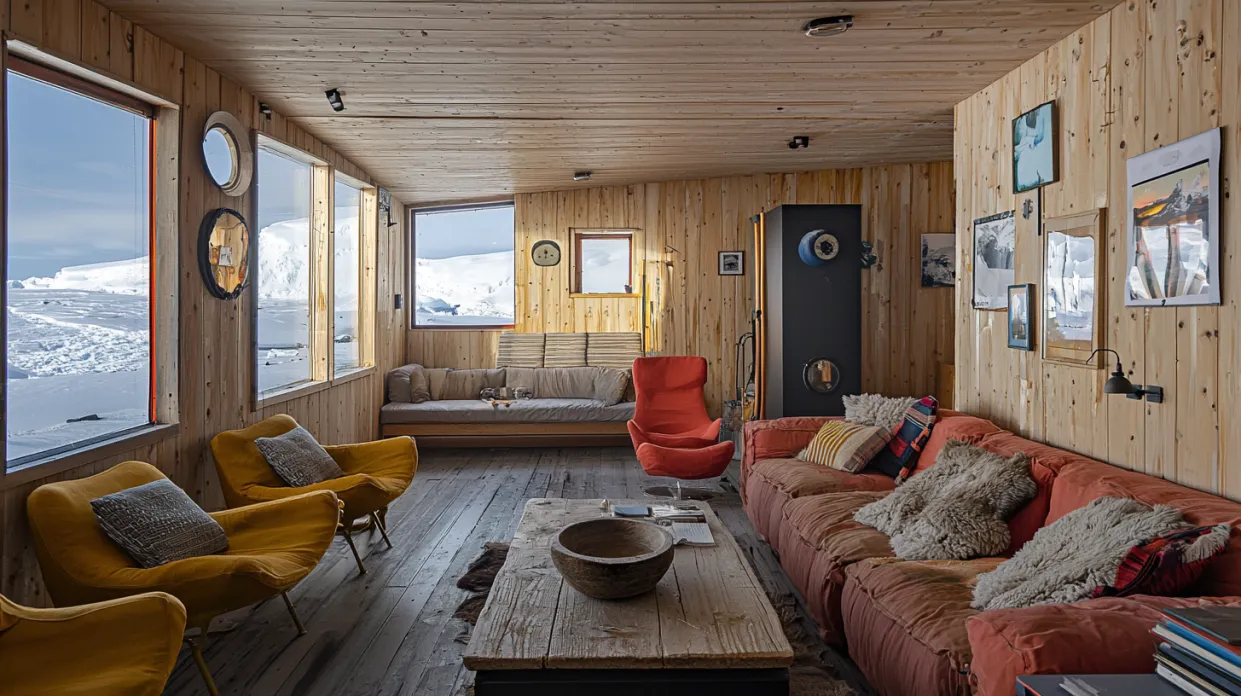
However, Eleanor has found ways to cope with these challenges. She stays connected with the outside world through satellite communications, occasionally speaking with family and friends, though these interactions are infrequent. She has learned to embrace the quiet and has developed a deep appreciation for her own company. Her work is a source of fulfillment, but she also enjoys hobbies such as painting, writing, and reading. She has a small collection of books on various topics—ranging from Antarctic exploration to philosophy—and a journal where she writes about her thoughts, reflections, and observations.
Eleanor’s mental health is something she actively tends to, practicing mindfulness and meditation to help stay grounded. The discipline of living alone in such an extreme environment has led her to develop a stronger sense of self-reliance, mental clarity, and resilience. Despite the challenges, she has never looked back on her decision to make Antarctica her home.
See more on the next page!
Eleanor’s primary focus in Antarctica is research—specifically, studying the impact of climate change on the continent’s glaciers and ecosystems. Her work contributes to the understanding of the global environment and the ways in which rising temperatures are affecting polar regions. She uses her time alone to collect data, analyze samples, and track changes in the ice sheets. Her work, though solitary, is crucial to the larger scientific community, and she often collaborates with teams of researchers around the world.
Her commitment to preserving the Antarctic environment extends beyond her research. Eleanor is a staunch advocate for sustainability and often uses her platform to speak about the importance of protecting the planet’s most vulnerable regions.
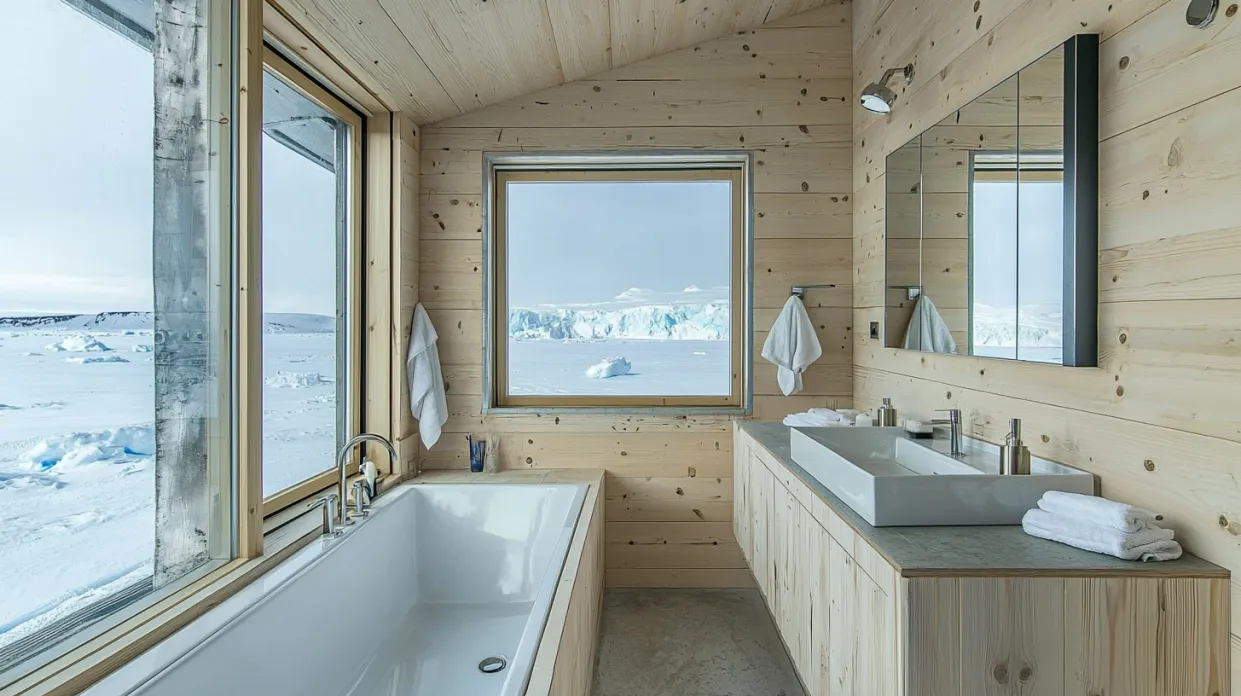
She has even developed a small, sustainable energy system for her own home, using renewable resources to minimize her impact on the environment.
Source: https://www.tips-and-tricks.co/home-and-garden/antarticahouse/