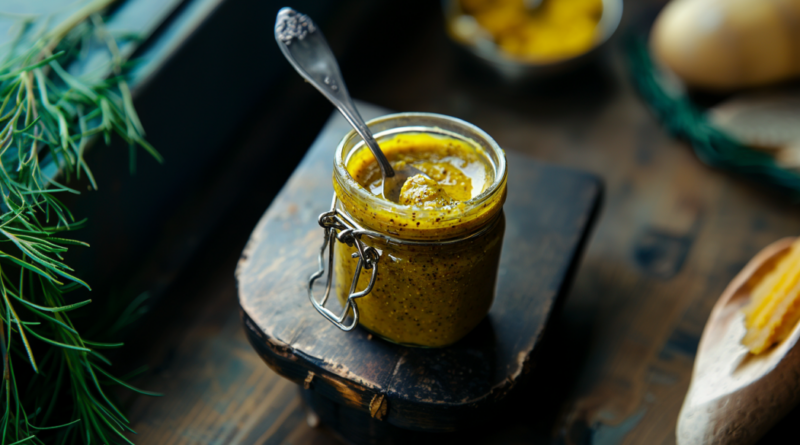
Why You Shouldn’t Keep Mustard In The Fridge
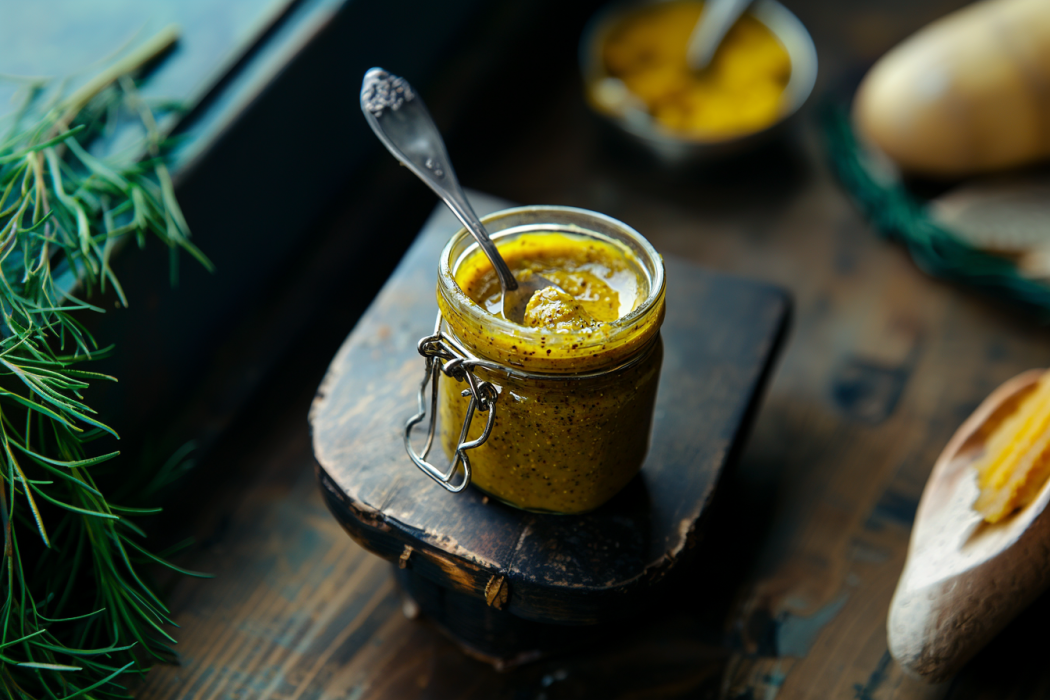
“Think your fridge is the best spot for your condiments like mustard? Think again! Proper storage is crucial not just for keeping your food fresh, but also for avoiding nasty surprises. Find out why the fridge might not be the right choice!”
You’ve got 99 problems, and nearly all of them are condiments. Your pantry and fridge are overflowing because you insist on having every condiment available at all times, which is an unsustainable practise.
What Is Mustard?
Mustard is a condiment derived from widely grown agricultural crop, primarily cultivated globally for its oilseeds. However, a quick glance at package labeling adds confusion. While some mustards insist on refrigeration after opening, others merely suggest it for best flavor.
But, should you really refrigerate mustard? Let us find out on the next page!
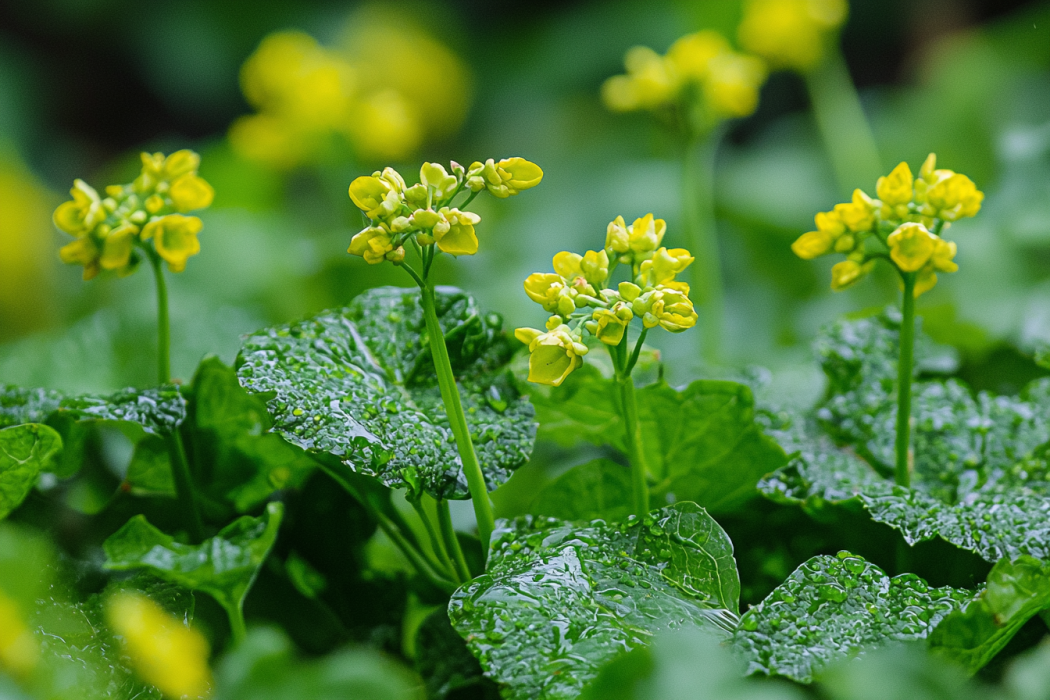
Where does the pungent taste of mustard come from? Well, unlike most spices it is naturally ascribed to its acidic properties. But, How do you know that you’re still curating a mustard collection that’s usable and not just hoarding mustards that are past their expiry date?
Mustard seeds utilize chemical compounds as a defense mechanism, and when the seeds’ cells are damaged, an enzyme is released that breaks these compounds into an irritant and a sugar, producing the pungent flavor we enjoy.
Unraveling the Roots of Confusion
When we refer to food going ‘bad,’ we’re typically talking about its inevitable change due to the action of microbes in the environment. The good part is that we have a way to slow this process down.
It is stated that “the more acidic or salty your mustard, the longer it will last.” This is because vinegar and salt, which are used in fermentation, create an environment that inhibits the growth of harmful microbes.
But how does this impact the refrigeration of mustard? Let us see!
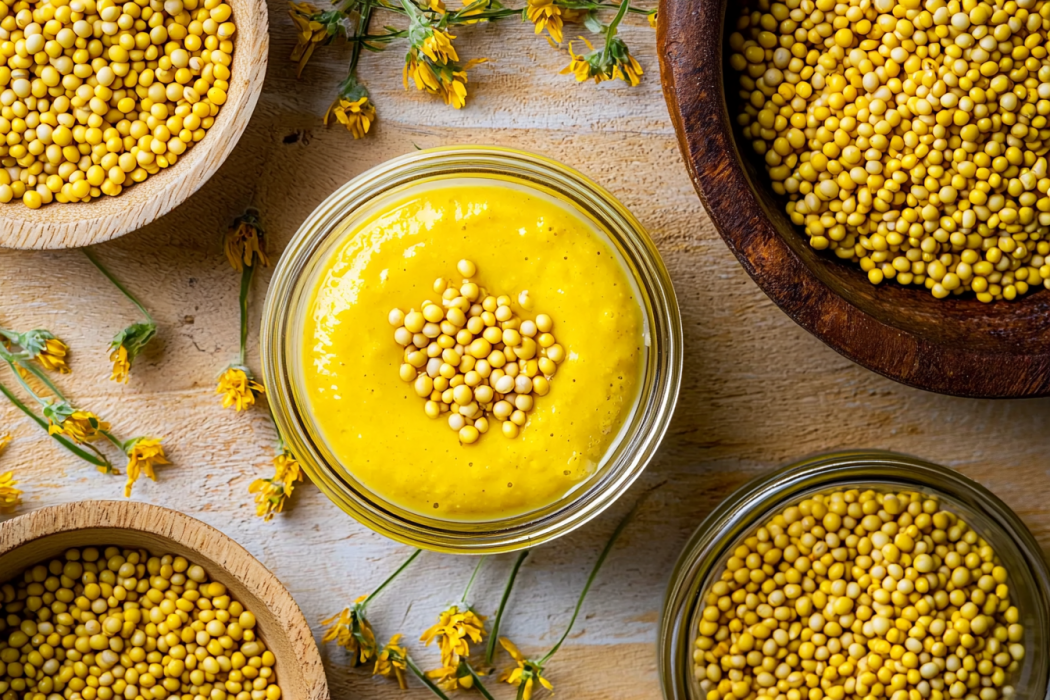
Mustard might seem simple with just a few ingredients, but each one is pretty resistant to spoilage. It’s made from mustard seeds, white wine, white wine vinegar, salt, and water.
Mustard seeds are dried and have low moisture, so microbes don’t stand a chance. Wine has alcohol to preserve it, vinegar has a super low pH, and traditional Dijon recipes use verjus, which is also low in pH and sugar. Salt further helps preserve the mix.
So does that mean that mustard goes bad just as easily as other condiments? Then why should we not refrigerate it? Read on to find out!
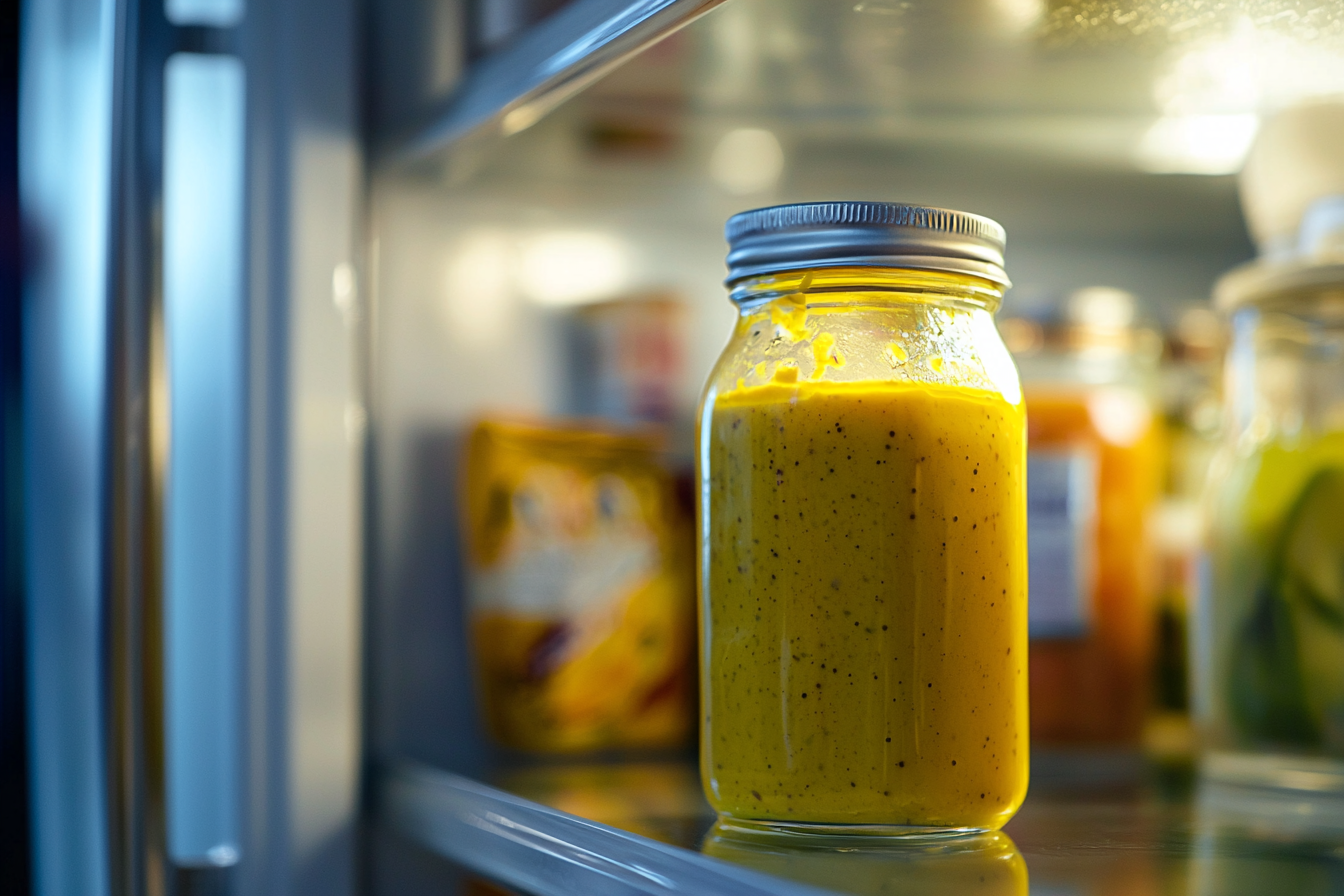
”The Refrigeration Question: Does It Really Matter?”
Mustard is pretty resilient and often doesn’t have a “best-before” date on the bottle. It can stay good for years, but how long it lasts depends on the container: a glass jar can keep mustard fresh for about 2 years, a plastic bottle for around 1.5 years, and squeeze bottles or packets for up to 6 months. After opening, the flavor will gradually fade over time.
Although mustard’s high acidity helps it last longer by keeping harmful bacteria at bay, many experts do suggest refrigerating your mustard after opening. The simple answer to this is that no food stays fresh forever.
The Takeaway
Mustard can eventually turn rancid, but it lasts a lot longer than many other condiments. If you store it right, you can enjoy its tangy flavor for years from just one affordable jar.
So, what is the way out? Just like other long-lasting foods, mustard should be kept in the fridge after opening to keep its flavor and kick. As you open and close the jar, the flavor will gradually change.
While mustard’s acidity helps it stay fresh longer, refrigerating it after opening keeps its flavor and quality intact. Ultimately, it’s all about the taste and quality, right?