Finding Slugs in Your House? Try This Trick To Get Rid Of Them For Good!
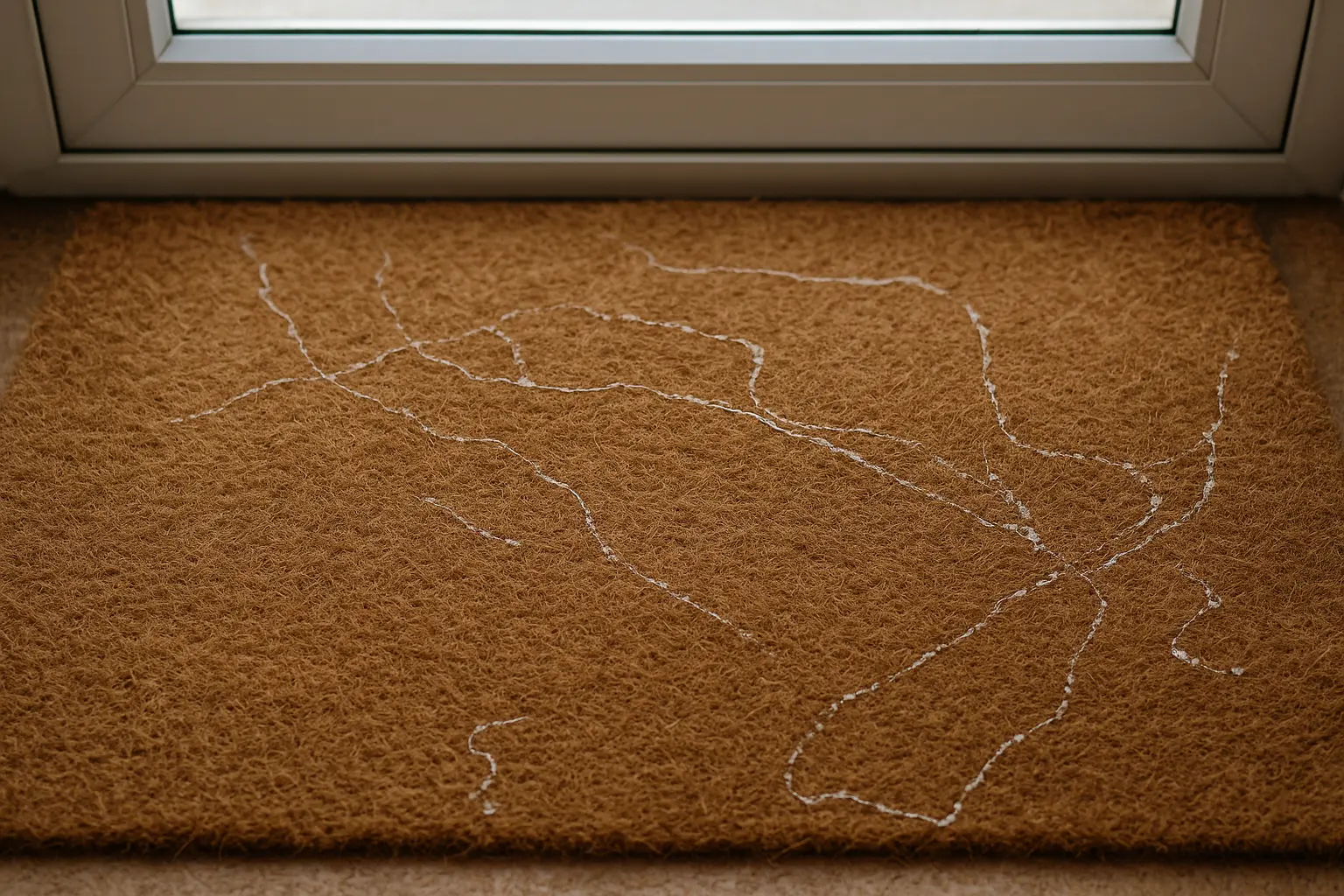
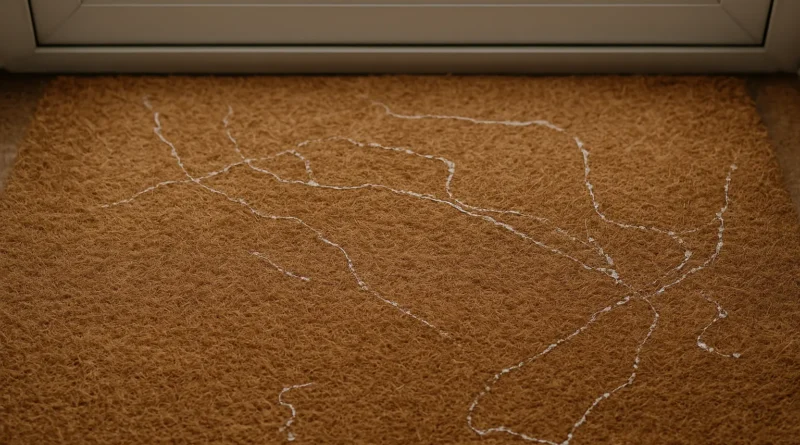
It starts with something small—a shiny trail on the floor, a sudden glimpse of movement near the baseboard, or worse, a squishy surprise underfoot. Slugs aren’t just a garden nuisance; they can sometimes make their way indoors. And while they move slowly, their presence can quickly become frustrating and hard to ignore.
You might wonder how they even get in. Slugs are surprisingly good at squeezing through the tiniest of gaps, especially on damp, rainy nights. They follow the scent of moisture, and once inside, they often seek out dark, cool corners—under sinks, behind appliances, or near doors.
Having slugs in your home doesn’t mean your house is dirty. It often comes down to environmental factors like moisture, access points, and nearby gardens or vegetation. The good news? You’re not stuck with them. Once you understand why they’re visiting, you can start taking simple steps to keep them out for good.
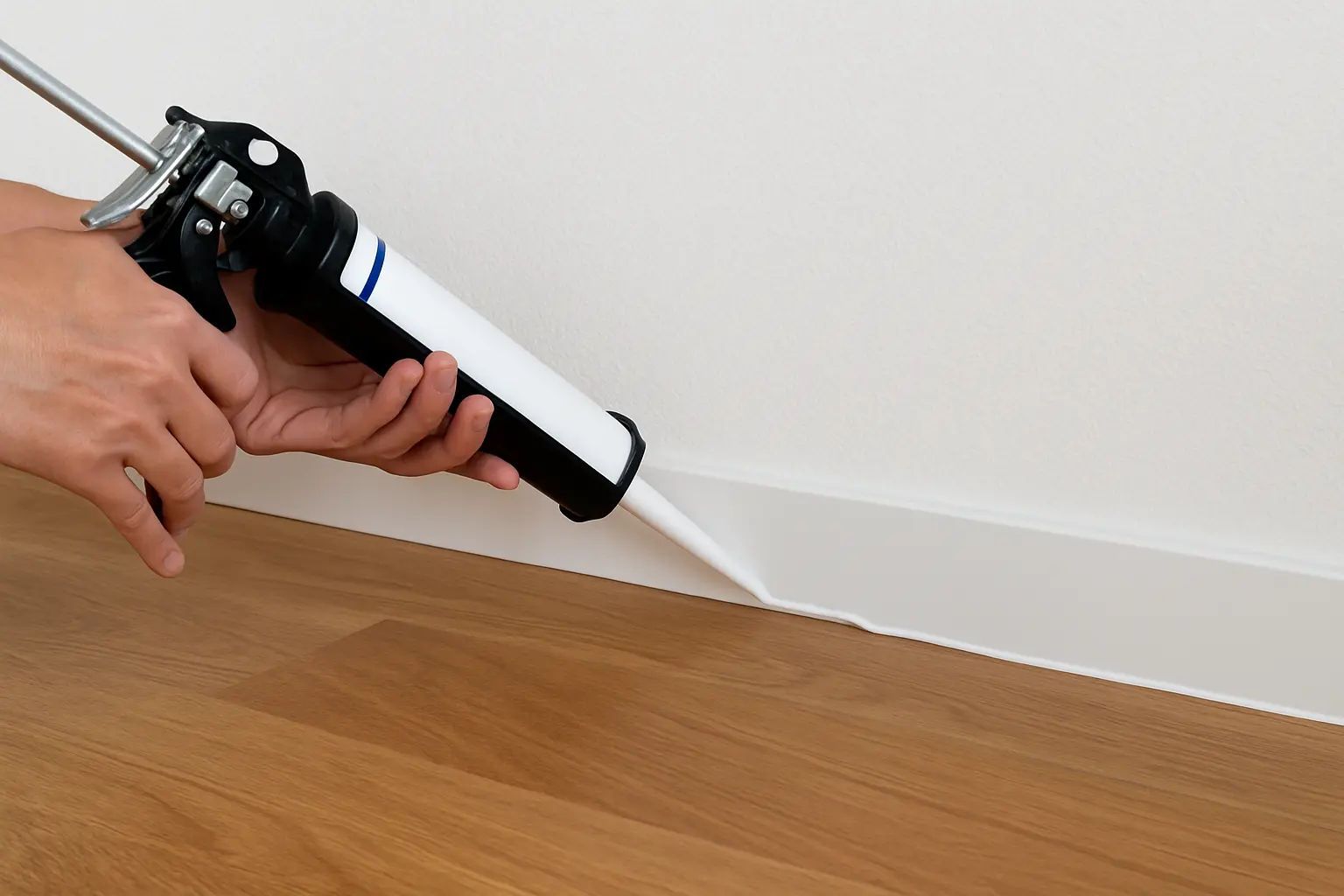
One of the most effective things you can do is seal entry points. Slugs often sneak in through cracks in door frames, gaps under baseboards, or holes around pipes. Walk around your home with a flashlight and seal anything that looks suspicious using weatherstripping or silicone caulk.
Another helpful tip is to reduce indoor moisture. Slugs love damp environments, so using a dehumidifier or increasing airflow can make your home far less appealing to them. Wipe down wet areas regularly, especially in bathrooms, laundry rooms, and kitchens.
Finally, try natural deterrents. Sprinkling salt, diatomaceous earth, or crushed eggshells along known entryways can create barriers that slugs won’t want to cross. And if you do catch one inside? Simply relocate it outside far from your house—or if you’re brave enough, set out a shallow dish of beer to trap them overnight. It’s not glamorous, but it works.
Tried these basic tips but still have slugs? On the next page we’ll show you the best trick.
Some slug problems are tougher than others, especially if your home is surrounded by damp soil or dense gardens. When sealing and drying things out isn’t enough, it’s time to step it up with more targeted solutions.
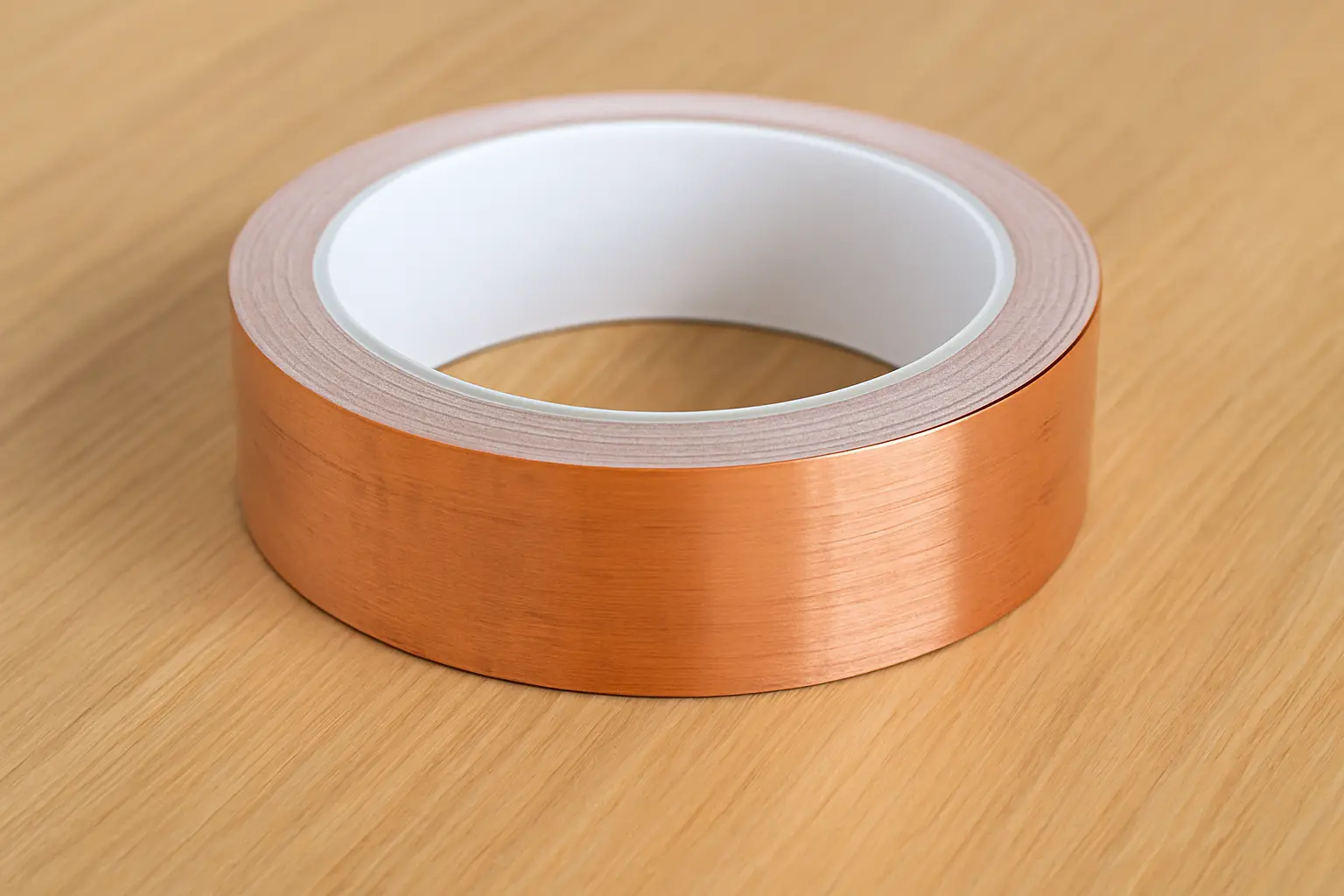
One of the most effective and lesser-known deterrents is copper wire. Slugs hate crossing copper—it gives them a mild electric shock due to their slimy bodies reacting with the metal. You can attach strips of copper tape or wire around entry points like doors, pipes, and even baseboards. For even better results, some people run a very low electrical current through the wire using a safe, battery-powered setup. It’s not dangerous to humans or pets, but it creates an unpleasant barrier that slugs won’t cross.
Another powerful method involves introducing natural slug parasites to your garden. These are microscopic nematodes—tiny organisms that live in the soil and infect slugs with bacteria, causing them to stop feeding and eventually die. They’re harmless to pets, humans, and other wildlife, and they’re easy to apply by simply watering them into the soil. If slugs are sneaking in from outside, cutting down their numbers at the source can make all the difference.