Thousands Mysterious Eggs Wash Ashore – The Truth is Stranger Than You Think
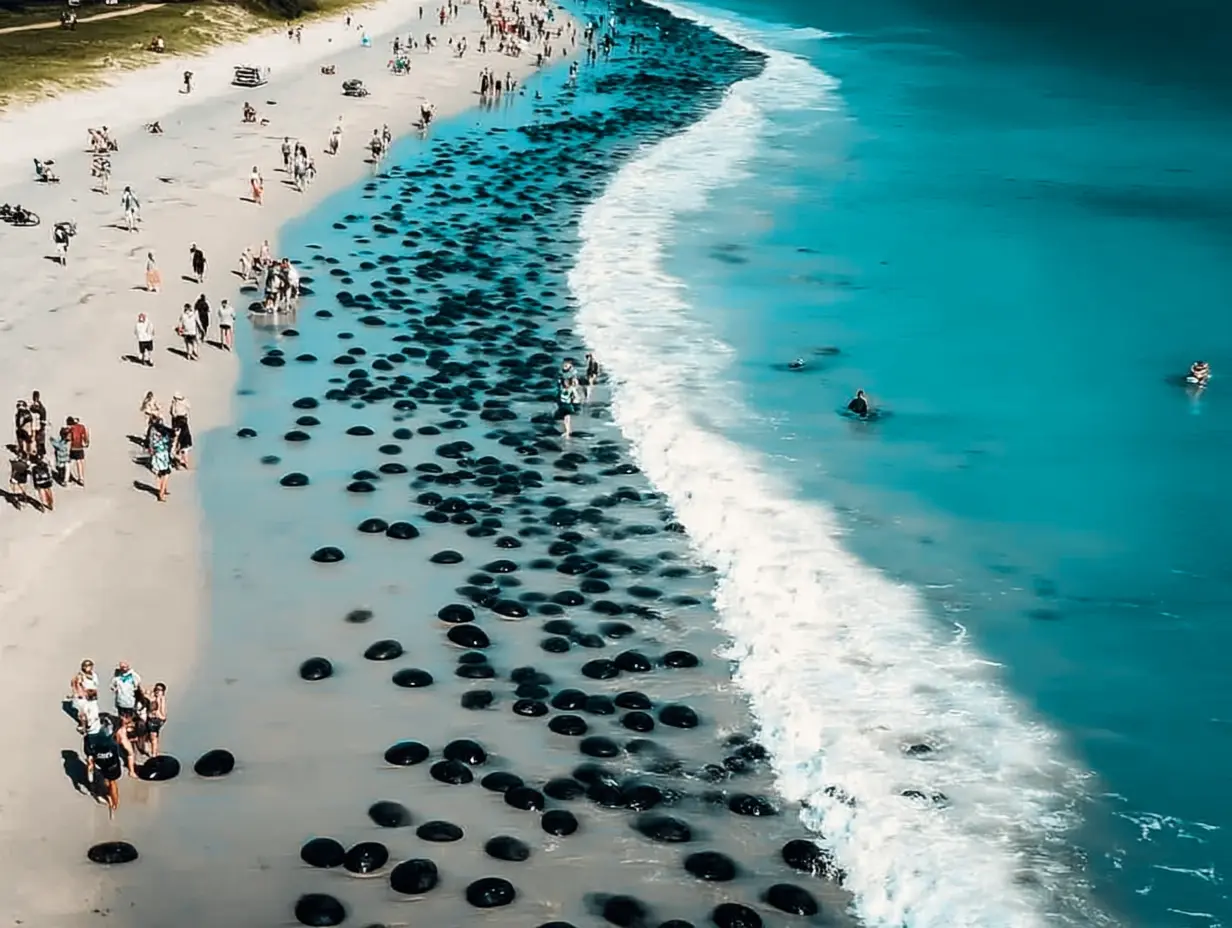
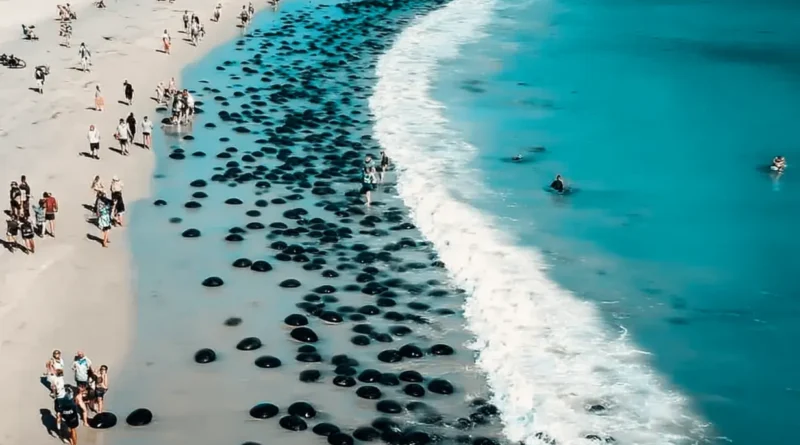
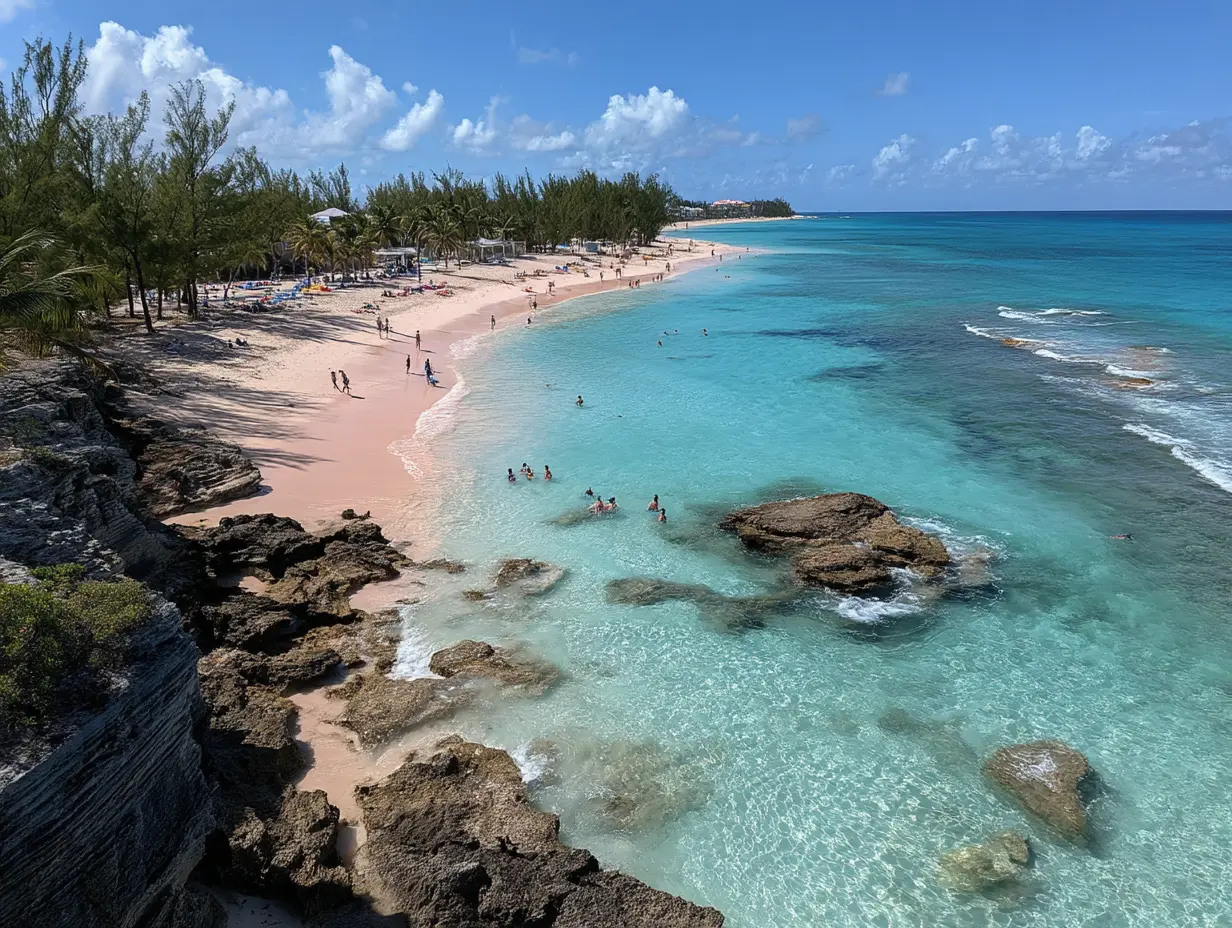
The beach was packed that day, with families lounging in the sun and kids running through the surf. The warm breeze carried the distant sound of laughter, but then, a strange noise cut through the air—something sharp, like a crack, followed by a dull thud. Some beachgoers turned, puzzled, as a cluster of large, smooth objects began to wash ashore, their sizes and shapes unlike anything anyone had seen before.
At first, people thought they were just strange rocks or maybe some kind of debris from a recent storm. But as the objects piled up on the sand, their smooth, spherical surfaces began to glisten under the sun. And then came another noise—an eerie cracking sound, like something inside was trying to break free. Murmurs of confusion turned to whispers of worry as the crowd grew uneasy. What were these things? Why were they here? And what was inside?
As the minutes passed, the cracking sounds grew louder, and the beachgoers began to panic. Some grabbed their belongings and fled, while others stood frozen, staring at the mysterious objects. The once festive atmosphere shifted into one of fear. Children clung to their parents, and a few brave souls ventured closer, only to step back in shock as one of the objects started to show signs of cracking open. What was happening? And was it safe to be anywhere near them?
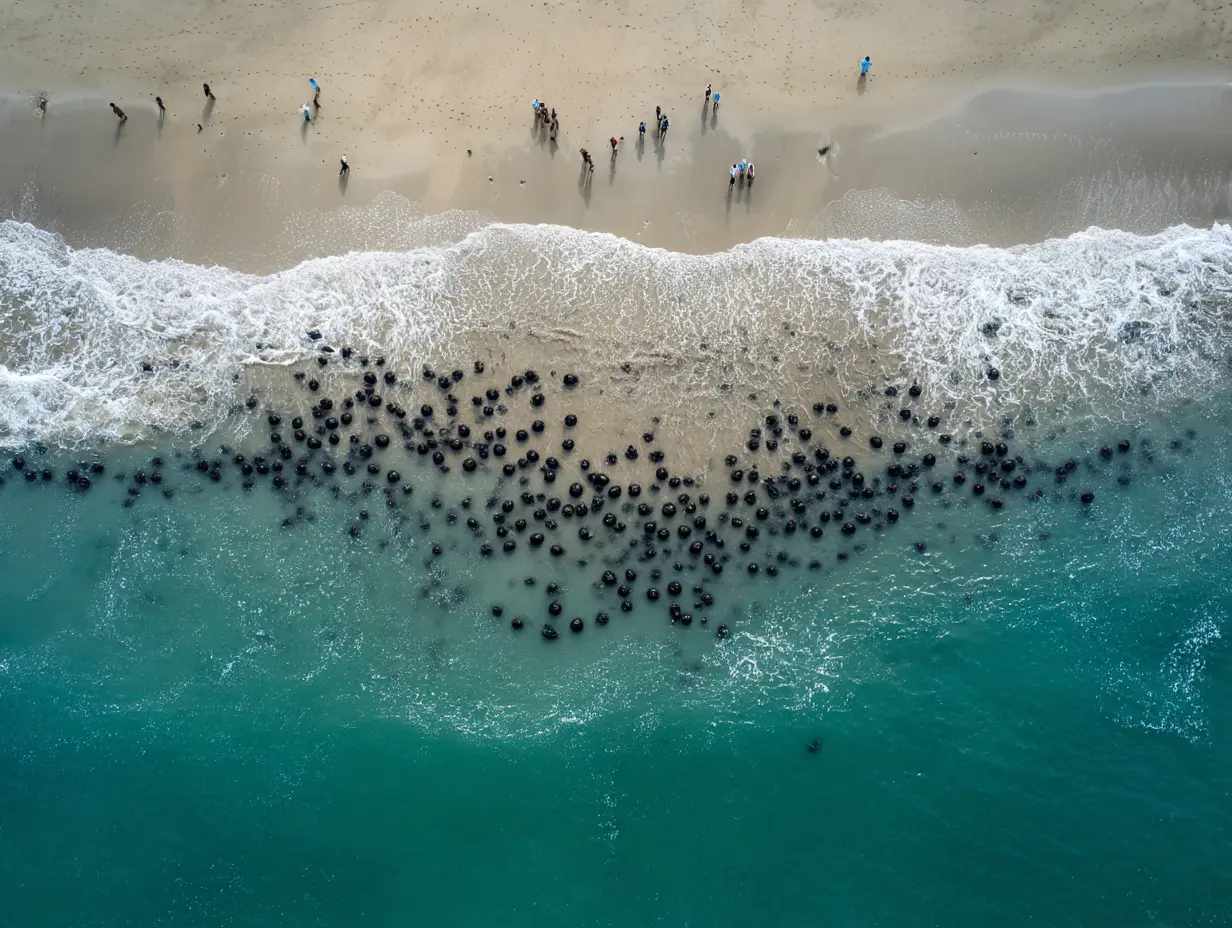
Within minutes, the authorities arrived—coast guard officers and local law enforcement swarmed the beach, pushing back the frightened crowd and cordoning off the area. The beach was cleared, leaving only a few anxious onlookers behind the yellow tape. a helicopter hovered overhead, and the air was thick with the sense of something urgent unfolding. No one knew what those strange objects were, but it was clear they needed to be handled with caution.
That night, a team of biologists and marine experts arrived. They began inspecting the objects with great care, and their initial reactions were just as confused as the crowd’s. The items, despite their eerie resemblance to eggs, weren’t something any of them had encountered before. They were large—much larger than any egg—and their surface was unnaturally smooth.
Some of the experts whispered to each other, exchanging theories about their possible origin. Was it some sort of biological specimen? A new species? Or something far stranger? As they carefully examined the pods, one biologist noticed a series of small patterns etched into the surface.
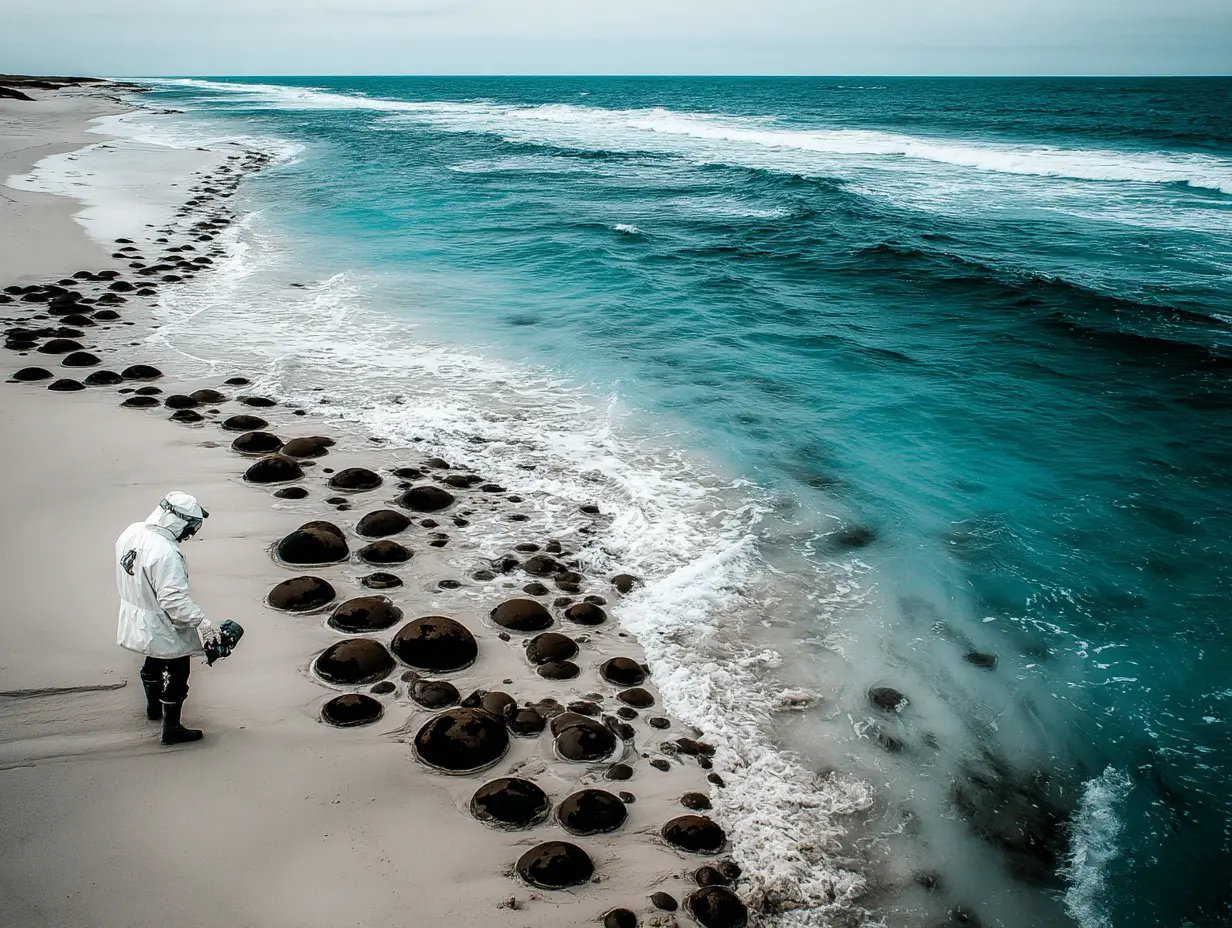
The markings seemed deliberate, as if they were part of a design. But what kind of design could this be? Could these objects be part of some experiment gone awry? The team was at a loss. One thing was certain: they needed to take a closer look to determine exactly what they were dealing with.
The biologists continued their investigation, taking samples and conducting tests. The morning passed in a flurry of activity, with everyone trying to piece together the puzzle. As the afternoon sun began to set, the mystery only deepened. Then, just as the team was preparing to leave for the day, one of the experts made a chilling discovery. Beneath the surface of the object, there were signs of advanced sealing technology—something that suggested these were not natural at all.
The truth came unexpectedly. The pods were not eggs. They were biological containers—experimental pods designed to transport sensitive biological materials safely across vast distances. A quick scan revealed that the objects were part of a healthcare shipment that had gone overboard during a storm at sea.

The excitement of the story quickly shifted to relief. The biologists assured everyone that the containers posed no danger to the environment or public health. There were no hazardous materials inside, only genetically modified plants and microorganisms—samples used in various scientific research and healthcare applications. The beach was deemed safe, and the authorities gave the all-clear for people to return.
However, the incident sparked heated debates in the community. How had such a significant shipment fallen off a ship unnoticed? And why had these containers, which had been intended for medical use, ended up on a crowded beach? Many residents were unsettled by the fact that it had taken a random event for the issue to be discovered.
A few weeks later, the company responsible for the containers issued an apology and confirmed they would improve their safety measures for transporting biological goods. They explained that the containers were part of an ongoing biomedical project, but the mishap had revealed serious gaps in their logistics. It was a blunder that no one in the industry was eager to repeat.
Despite the apology, local residents remained cautious, with many still questioning how such an accident could happen. Some feared the exposure to the public might lead to other similar mishaps in the future. Yet, for the most part, the incident faded into the past, forgotten by all except the handful of locals who would always remember the day when something mysterious washed up on the beach.
The beach was soon restored to its former calm, and life went back to normal. Children returned to playing in the sand, and the vendors set up their stalls along the boardwalk once more. But every now and then, someone would look at the sea with suspicion, wondering what else might be drifting in with the waves—whether by accident or not.
As for the “eggs,” they were quietly removed from the beach, and the mystery of the day faded into the history of the town. But for those who had witnessed the strange and frightening occurrence, the memory remained—an eerie reminder of how, sometimes, nature and technology collide in the most unexpected ways.