
7 Healthy Habits for Better Quality of Life When You Have Diabetes
 Living with diabetes can feel like a full-time job, but it does not have to mean giving up a good life. Steady daily habits around food, movement, sleep, stress, and self-care can help you manage blood sugar and lower the chance of long-term problems. A good routine often makes everyday life feel steadier and less overwhelming.
The good news is that better diabetes care often starts with small choices, not huge changes. You do not need to fix everything at once. A few steady habits, repeated often, can make daily life feel more manageable and help you feel more in control of your health.
Before you try any new routine, talk to your doctor or diabetes care team, especially if it involves food changes, exercise, or medication timing. The ideas below are general habits, not personal medical advice, and they work best when tailored to your needs.

1. Build meals around consistency
A simple eating plan beats a perfect one you cannot sustain. Health agencies recommend planning meals and snacks so your blood sugar stays in a target range, instead of skipping meals, grazing all day, or chasing quick fixes that leave you feeling worse later. Consistency often feels boring at first, but it usually makes life easier in the long run.
That usually means building meals around foods you can live with: vegetables, fiber-rich carbs, protein, and sensible portions. The American Diabetes Association (ADA) also warns against leaning on fad diets alone; the best plan is one you can repeat in real life, not just for a week. The best diabetes meal plan is one you can realistically follow on busy weekdays, too.
It also helps to pay attention to how certain meals make you feel afterward. Some foods may leave you energized and satisfied, while others may lead to energy dips or hunger soon after. Over time, these small observations can help you build a more dependable routine.

2. Move your body most days
Regular movement helps in more than one way. The US Centers for Disease Control and Prevention (CDC) says physical activity can make your body more sensitive to insulin, help manage blood sugar, and support heart health, which matters because diabetes and heart disease are closely linked. That does not mean you need intense workouts at the gym; brisk walks, cycling, or other moderate activity all count.
A good goal for many adults is about 150 minutes a week, often broken into 30-minute sessions on most days. Walking, cycling, swimming, or even longer daily walks all count. If you take insulin or certain diabetes medicines, ask your care team how to handle exercise safely, because activity can sometimes push your blood sugar too low.
You do not have to do all your movement in one go, either. A short walk after meals, taking the stairs, or standing up more often during the day can still be useful. The goal is to make the activity feel like a normal part of life.
3. Know your numbers and take your medicine properly
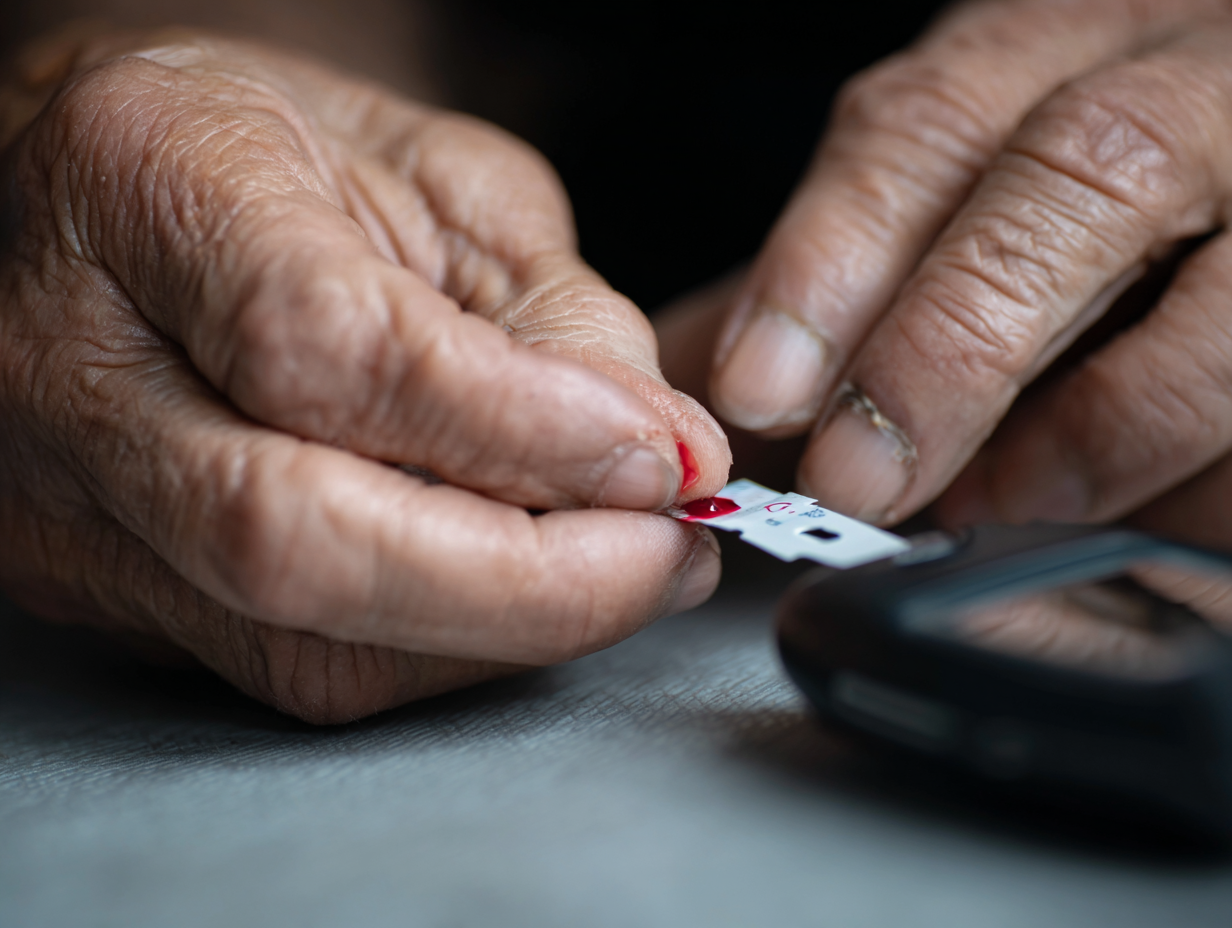
Your blood sugar numbers are not there to judge you. They are there to show patterns, so you can better understand how meals, movement, stress, sleep, and medicine affect your body. Monitoring can help you see what is working instead of making guesses based on how you feel that day.
This habit also includes taking your medication exactly as prescribed and keeping up with regular checkups. Your A1C can show your average blood sugar over the past two to three months, which helps you and your care team see the bigger picture. Managing diabetes usually works best when adjustments are made together.
It can also help to keep a simple record of your readings, meals, or symptoms if your doctor recommends it. You may start noticing patterns you would otherwise miss. That kind of information can make conversations with your care team much more useful and specific.

4. Protect your sleep
Sleep often gets treated like a bonus, but with diabetes, it is basic care. Getting enough sleep may improve mood, energy, and blood glucose levels. Better sleep can make the rest of your routine feel more manageable, too. The American National Institute of Diabetes and Digestive and Kidney Diseases (NIDDK) advises aiming for about seven to eight hours a night, and the CDC notes that poor sleep habits can make blood sugar harder to manage and may leave you feeling more worn down.
Poor sleep can also leave you feeling hungrier, more irritable, and less motivated to stay on track with other healthy habits. That is why rest matters so much. Protecting your sleep is not being lazy; it is one more way of taking good care of yourself.
Small changes can help more than people think: keep a regular bedtime, make your room dark and cool, and leave phones or TVs outside the bedroom when possible. A calmer night can make the next day’s food choices, energy, and glucose management feel less chaotic.

5. Manage stress before it manages you
Stress is part of life, and can make diabetes harder to handle, both physically and mentally. CDC says stress can raise blood sugar, and both CDC and ADA point out that diabetes burnout is real. That is why coping skills are not extras; they are part of care.
Keep this habit simple and repeatable. A short walk, a few minutes of breathing or meditation, and honest conversations with supportive people can all help. If you feel constantly overwhelmed, low, or shut down, bring it up with your doctor instead of trying to push through it alone.
Some people also find that stress builds quietly until it starts affecting everything else. That is why small daily reset moments can help so much. Even ten calm minutes can create a little breathing room and make the day feel less heavy and rushed.

6. Check your feet every day
Foot care may sound small, but it matters a lot. With diabetes, nerve damage is common, and some people lose feeling in their feet, which means small cuts or sores can go unnoticed. Most people can prevent serious foot complications with regular home care and medical visits. Checking your feet daily, washing them, drying them well, and wearing shoes and socks are sensible basics.
Do not ignore cuts, blisters, redness, swelling, color changes, pain, or loss of feeling. NIDDK says foot problems should be checked right away, and experts also advise never going barefoot, even at home. Small issues are much easier to treat before they turn serious.
Daily foot checks do not need to take long. A quick look each evening can be enough to notice something new or unusual. When you make it part of your regular routine, it becomes easier to stay ahead of small issues before they become harder to treat.

7. Quit smoking and vaping
Smoking and vaping do not mix well with diabetes. Both smoking and diabetes narrow blood vessels, which forces the heart to work harder. And remember that e-cigarettes are not a safe substitute either. Quitting is one of the clearest ways to protect future health.
Quitting is hard, so think in steps, not grand speeches. Ask your doctor about stop-smoking support, medicines, or coaching. The goal is progress over perfection on a daily basis; it is building distance from a habit that makes diabetes tougher on your body.
Many people need more than one try before quitting for good, and that is normal. A setback does not mean failure. What matters is continuing to move in the right direction and using the support available to make the next attempt stronger and more informed.
Source: https://www.tips-and-tricks.co/health/diabetesmanagement/