10 Food Storage Mistakes That Are Secretly Costing You Money
 A lot of food waste does not begin with big mistakes. It starts with small habits that seem harmless at the time. A bag of spinach gets pushed to the back of the fridge. Leftovers sit in a container with no label. Tomatoes go in the refrigerator because it feels like the “safe” choice. None of these decisions looks expensive in the moment, but together they can quietly drain your grocery budget week after week.
The tricky part is that food storage is not only about keeping things neat. It directly affects how long food stays fresh, how good it tastes, and whether you actually use what you bought. When food spoils early, loses texture, or gets forgotten, you are not just throwing away ingredients. You are throwing away money, meal options, and time. That is especially frustrating when grocery prices are already high, and many households are trying to stretch every dollar a little further.
The good news is that better storage does not have to be complicated. You do not need a fancy kitchen, expensive containers, or a complete pantry makeover. Often, the biggest savings come from a few simple changes that help food last longer and stay visible. In the pages ahead, we will walk through 10 common food storage mistakes that are secretly costing you money. Each one is easy to miss, but once you spot it, it becomes much easier to keep more of your food fresh, usable, and out of the trash.
Mistake 1 — Putting Everything in the Fridge
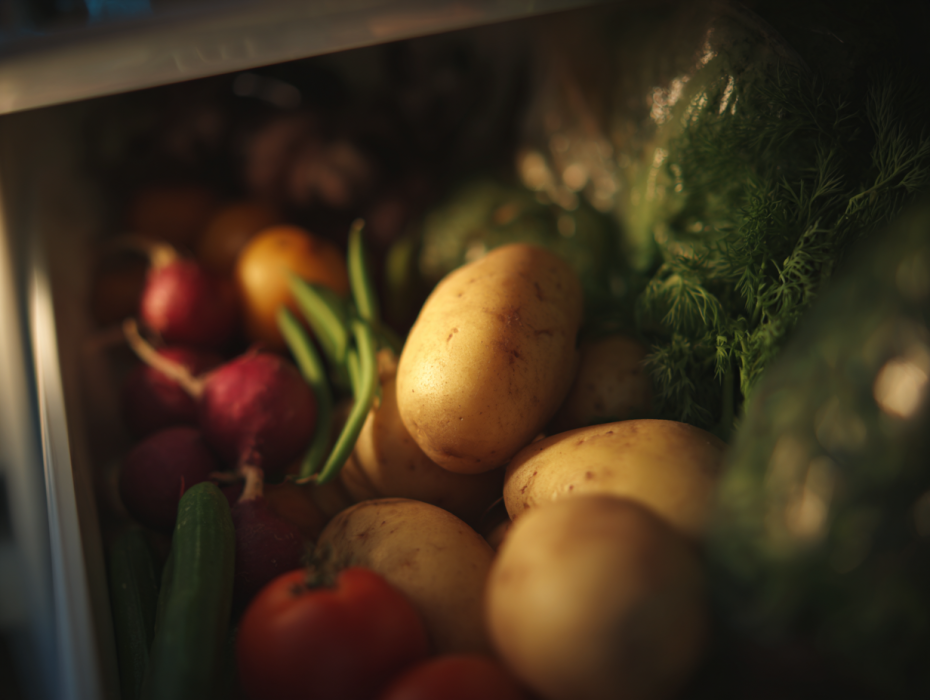
Many people treat the refrigerator like the safest place for every kind of food. It feels logical: colder should mean fresher. But that is not always true. Some foods actually lose quality faster in the fridge, which means you may end up tossing them sooner. Tomatoes can become mealy and dull in flavor. Potatoes can turn gritty or sweet in an odd way. Onions do better in a cool, dry, ventilated place, not next to moisture-heavy foods. Bread can also go stale faster in the fridge than at room temperature.
When foods are stored in the wrong place, the problem is not always visible right away. A tomato may still look fine, but its texture and taste can suffer enough that no one wants to eat it. Potatoes may sprout or soften more quickly if kept in the wrong conditions. Bananas stored too cold can blacken on the outside while ripening unevenly inside. These are the kinds of changes that lead to perfectly edible food being ignored, then thrown away a few days later.
A better habit is to learn which foods truly benefit from refrigeration and which do not. Most dairy, meat, leftovers, berries, leafy greens, and cut fruit should absolutely go in the fridge. But whole tomatoes, potatoes, onions, garlic, and uncut tropical fruit usually do better outside it. The goal is not to follow rigid rules for the sake of it. It is to give each food the conditions it needs to last longer and still taste good when you are ready to eat it. That small shift can save more than you think.
Mistake 2 — Washing Produce Before You Store It
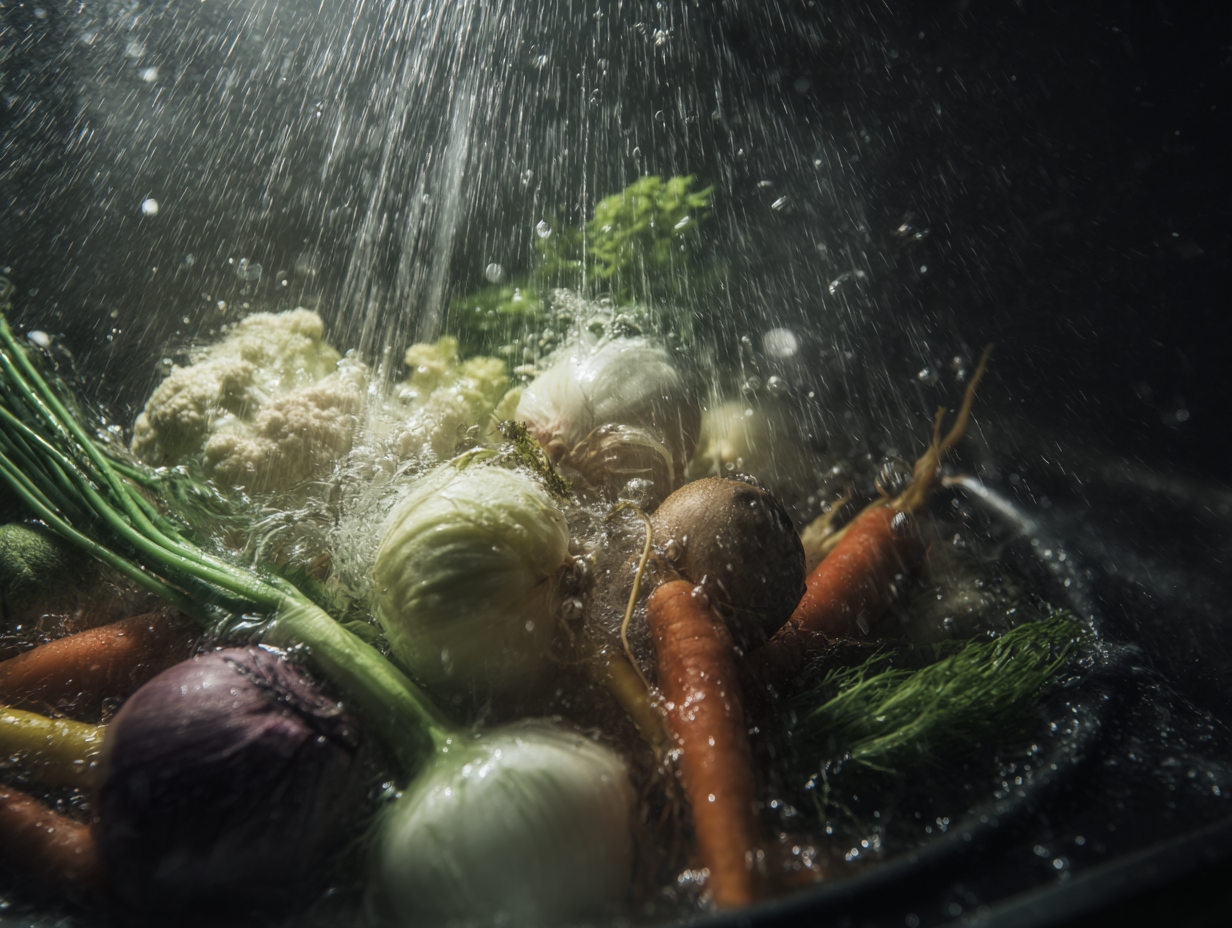
Washing fruits and vegetables as soon as you get home can feel efficient. It seems like one of those smart habits that makes healthy eating easier later. In some cases, it can help with convenience, but doing it too early often shortens the life of your produce. Extra moisture is one of the fastest ways to encourage spoilage, especially for berries, herbs, mushrooms, and leafy greens. When damp produce goes into the fridge, it can soften, mold, or turn slimy faster than expected.
This is why a big box of strawberries can look perfect on shopping day and disappointing just two days later. The fruit itself may not be the problem. The issue is often trapped moisture in the container or on the surface of the berries. The same thing happens with spinach or lettuce when it is washed and put away without being dried properly. Instead of gaining time, you lose it. And once produce gets soft or slimy, people are far less likely to use it.
A smarter approach is to wash delicate produce right before eating or cooking it. If you do want to prep ahead, make sure the food is very dry before storing it. A salad spinner, paper towel, or clean kitchen towel can help remove excess moisture. You can also line containers with a dry paper towel to absorb dampness as the produce sits in the fridge. This one change is simple, but it can make expensive fresh items last noticeably longer. When berries and greens stay usable for extra days, you have a much better chance of actually eating them.
Mistake 3 — Storing the Wrong Fruits and Vegetables Together
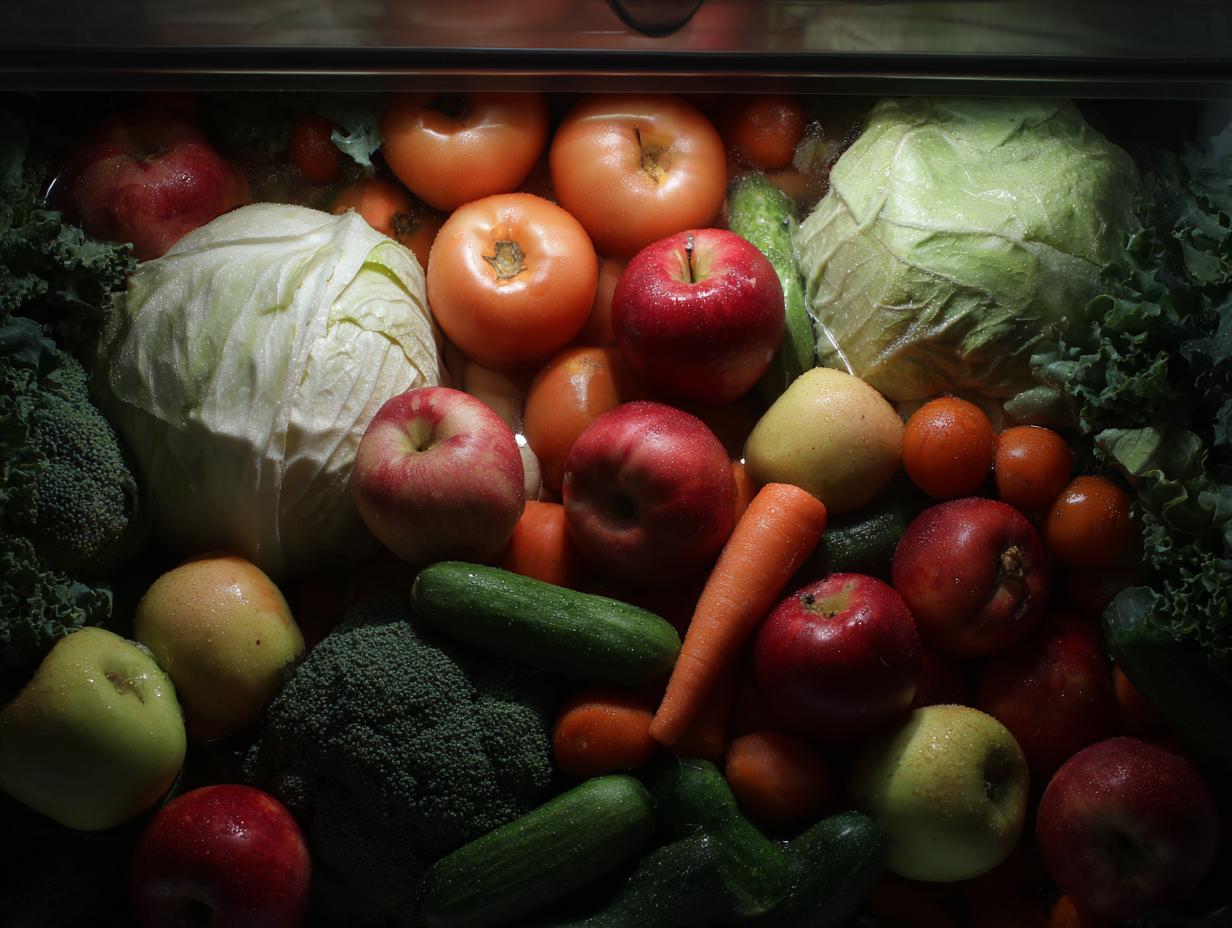
Not all produce gets along. Some fruits release more ethylene gas as they ripen, and that gas can speed up the ripening and spoilage of nearby fruits and vegetables. Apples, bananas, avocados, pears, and tomatoes are common ethylene producers. On the other hand, foods like lettuce, broccoli, cucumbers, carrots, and leafy herbs can be sensitive to it. Store them side by side without thinking, and one item can quietly shorten the life of another.
This kind of waste is easy to miss because it does not look dramatic. Maybe your avocados ripen too quickly and are suddenly overripe all at once. Maybe your cucumbers soften sooner than usual. Maybe your lettuce seems tired only a day or two after buying it. It can feel random, but storage is often the reason. If you keep produce together in one large drawer or fruit bowl, some items may be aging each other before you even get a chance to use them.
You do not need to memorize a giant chart to fix this. Just keep a few common pairings in mind. Store apples and bananas away from sensitive vegetables when possible. Let avocados ripen on their own, then move them to the fridge if needed to slow them down. Keep leafy greens and delicate vegetables separate from fast-ripening fruit. Even a little extra distance can help. Once you start separating the biggest troublemakers, you may notice that your produce lasts longer without any extra effort or extra spending. It is a simple storage habit that protects both freshness and your grocery budget.
Mistake 4 — Overcrowding the Fridge or Freezer
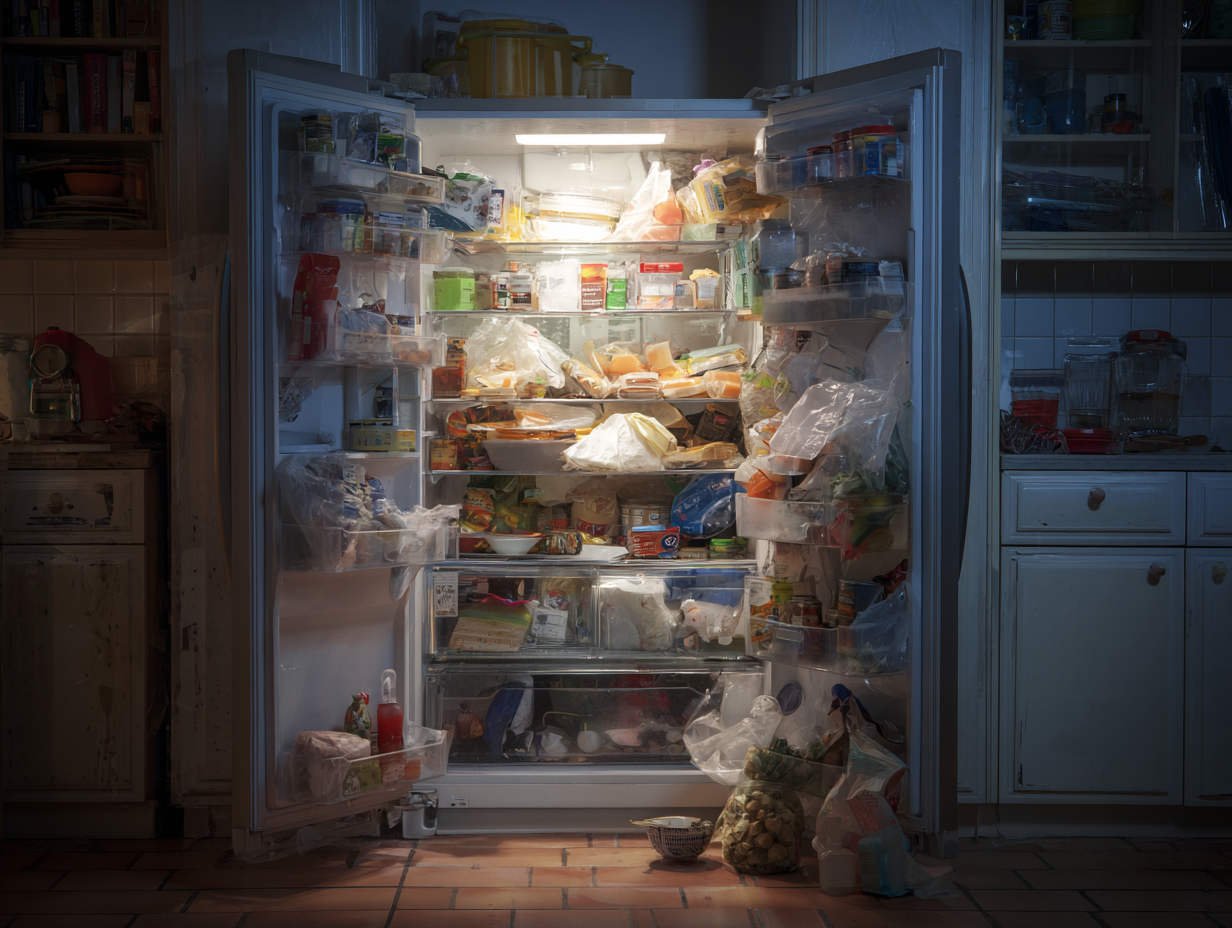
A full fridge can look comforting. It suggests abundance, planning, and a kitchen ready for the week. But when the refrigerator is packed too tightly, it does not work as well. Cold air needs room to circulate. If shelves are crammed and containers are stacked without space, some spots stay warmer than others. That can make food spoil faster, especially leftovers, dairy, and items tucked into the back corners. It also makes it harder to see what you already have, which leads to forgotten food and duplicate purchases.
The freezer has a different version of the same problem. It can store food for a long time, but not if items are shoved in carelessly. Bags split, containers crack, labels disappear, and older foods get buried under newer ones. Then you stop treating the freezer like food storage and start treating it like a mystery box. At that point, people often stop trusting what is in there and buy fresh replacements instead. That is money spent twice on the same meals.
A little space and order go a long way. Keep the fridge full enough to be efficient, but not so jammed that air cannot move. Group similar items together so you can find them quickly. In the freezer, flatten bags when possible, stack neatly, and keep older items toward the front. Clear bins or simple categories can help without making the system fussy. The point is not perfection. It is visibility and airflow. When you can see what you own and trust that it is being stored properly, you waste less food and make better use of every grocery trip.
Mistake 5 — Using the Wrong Containers
Food containers can save money, but only if they actually protect the food. Too often, leftovers are stored in flimsy takeaway boxes, half-open bags, or bowls loosely covered with foil. Dry goods stay in torn packaging folded over once and forgotten. Cheese sits in plastic wrap until it sweats. Herbs slump in the back of the fridge in a thin produce bag. None of this is unusual, but it can shorten freshness and lead to waste much faster than many people realize.
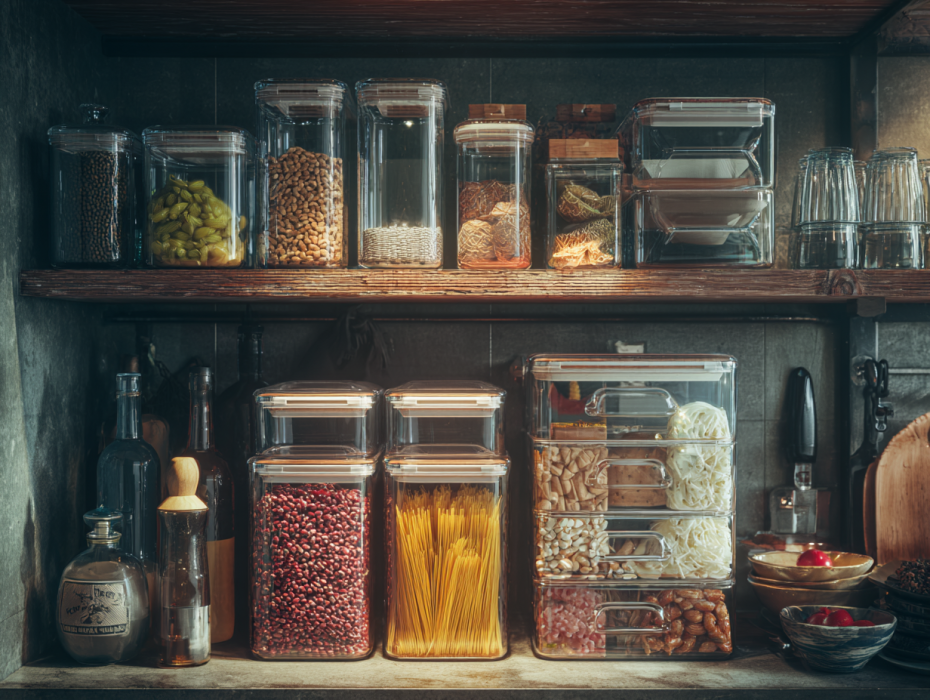
The right container depends on the food. Airtight containers help keep cereals, flour, crackers, and nuts safe from air and moisture, which can make them go stale or rancid. Good sealing containers also protect leftovers from drying out and taking on strange fridge odors. Produce is a little trickier because some items need airflow, while others need a more controlled environment. That is why one storage method does not work for everything. A badly chosen container can trap too much moisture or not enough.
You do not need to buy a designer container set to solve this. A few reliable airtight containers, some resealable bags, and a couple of glass or durable plastic boxes can make a real difference. Transfer foods out of damaged packaging once opened. Make sure lids fit properly. For cheese, wrapping it in paper and then placing it loosely in a container often works better than suffocating it in tight plastic. For herbs, a slightly damp towel and proper covering can extend freshness. Small container upgrades are one of the quietest money-saving changes you can make, because they protect food you already paid for.
Mistake 6 — Keeping Pantry Foods in Warm or Bright Spots
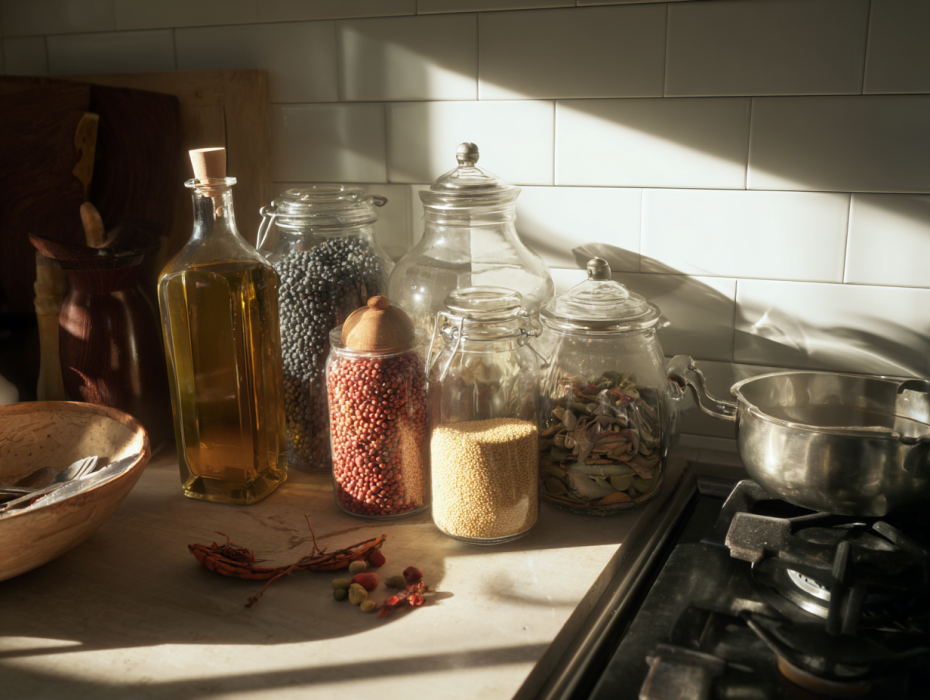
Pantry storage sounds easy because these foods do not need refrigeration, but where you keep them still matters. Dry goods are not invincible. Heat, light, and humidity can shorten the shelf life of many staples and damage quality before you notice. Oils can go rancid faster. Spices lose strength. Flour and grains can absorb moisture. Snack foods go stale. Yet many kitchens store these items above the stove, next to the oven, or in cupboards that get warm every day.
The trouble is that these changes are gradual. You may not spot them right away, but they still cost money. Rancid oil can ruin a whole dish. Weak spices mean you use more while getting less flavor. Flour that has picked up moisture may clump or perform poorly in baking. Even breakfast cereals and crackers can turn disappointing faster in a warm, poorly sealed space. When pantry food loses quality, people stop reaching for it, and it sits there until it is eventually thrown out.
A cool, dark, dry cupboard is usually the best home for most pantry items. Keep oils and spices away from direct heat if possible. Use airtight containers for flours, rice, pasta, nuts, and cereals once opened, especially if your kitchen runs warm or humid. Check your pantry every now and then for anything that seems forgotten or poorly sealed. Good pantry storage is not about making shelves look pretty. It is about protecting the flavor and usability of foods that are meant to last. When dry goods stay fresher for longer, they do what they are supposed to do: save you money instead of wasting it.
Mistake 7 — Forgetting to Rotate What You Buy
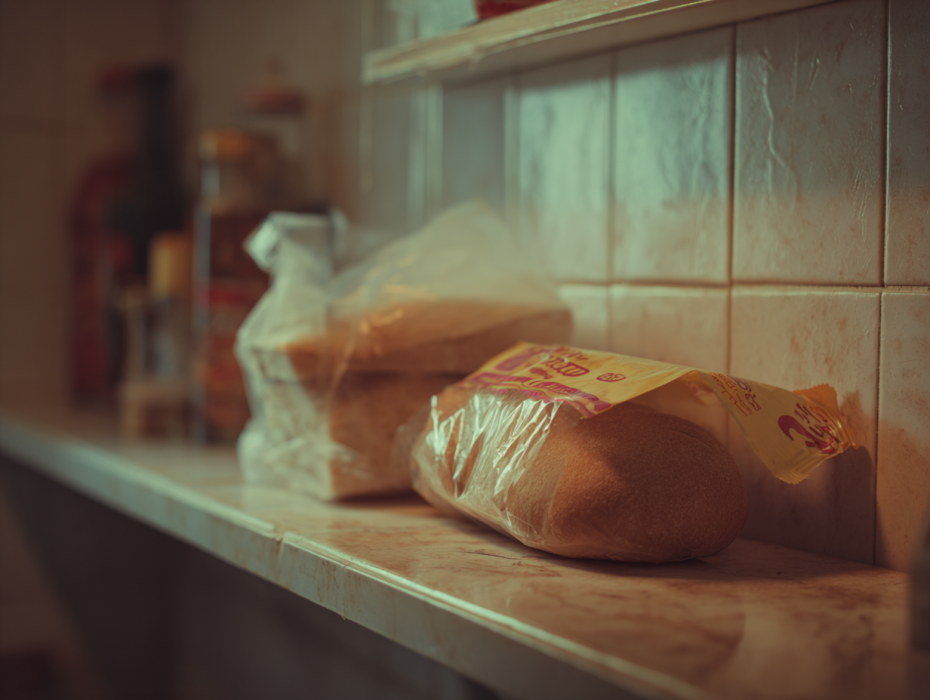
One of the most expensive food storage mistakes is also one of the most ordinary: buying new food and placing it in front of older food. This happens in fridges, freezers, and pantries all the time. A fresh tub of yogurt hides the older one. A new loaf of bread sits on top of the last loaf. A newly bought can of beans gets placed in front because it is easier. Weeks later, the older item is still there, either expired or ignored, and you end up paying for the same food twice.
This is why restaurants and supermarkets often use a simple system called first in, first out. Older items get used first, newer items go behind them. It sounds basic, but at home it makes a huge difference. Without a rotation habit, perfectly good food disappears into the background until it crosses the line from “we should use that soon” to “I guess that has to go.” The more crowded your kitchen storage is, the more likely this becomes.
A quick fix is to make rotation part of putting groceries away. When you buy new yogurt, move the older one to the front. Put newer canned goods behind older ones. In the freezer, place recently frozen meals underneath or behind the ones already there. It only takes a minute, but it helps ensure that food gets used while it is still at its best. If your household often loses track of what is open, a simple shelf or basket for “eat this first” foods can help too. Rotation is not glamorous, but it is one of the simplest ways to stop waste before it starts.
Mistake 8 — Not Labeling Leftovers or Opened Foods
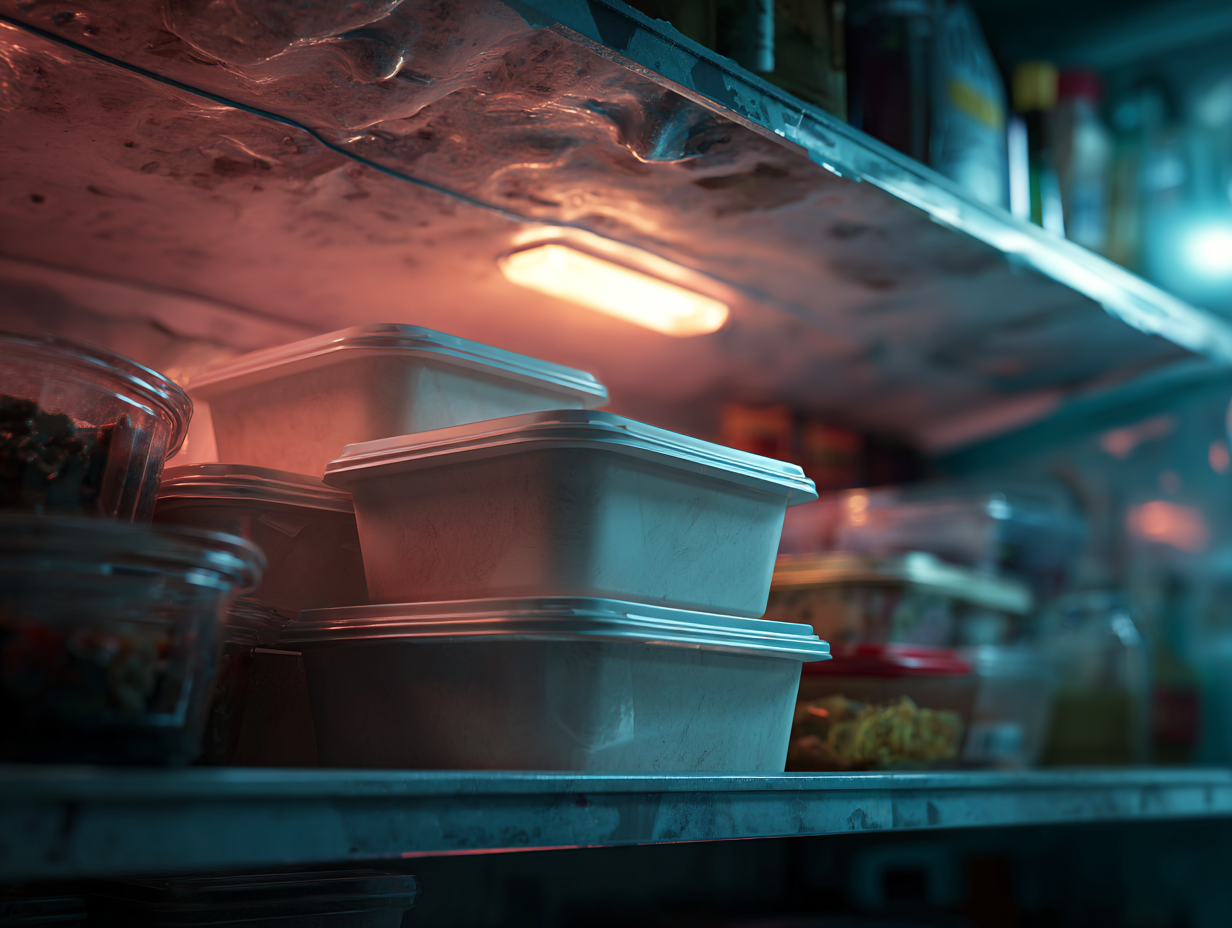
Leftovers are supposed to save money. They turn one cooking session into several meals and help reduce waste. But leftovers only save money if they get eaten. Once containers start piling up in the fridge with no labels, dates, or clear plan, they quickly become suspicious. Was that pasta made two days ago or five? Is that soup still good? Is that cooked rice from this week or last week? When people are unsure, they usually play it safe and throw food away.
The same problem happens with opened foods that are not obviously “old” but are no longer at their best. A jar, carton, or half-used tub can linger in the fridge much longer than intended because nothing reminds you when it was opened. Then it becomes clutter, and clutter makes everything else harder to track. Soon the fridge feels full, but there is somehow “nothing to eat,” which often leads to another grocery run or a takeout order.
A simple label can solve a surprisingly large part of this. You do not need anything fancy. Masking tape and a marker work well enough. Add the name of the food and the date it was made or opened. This is especially helpful for soups, casseroles, sauces, cooked grains, and freezer meals that all start to look alike after a while. Once foods are clearly marked, they feel easier to trust and easier to plan around. That means you are more likely to eat them before they pass their best days. For something so small, labeling can protect a lot of money already sitting in your kitchen.
Mistake 9 — Waiting Too Long to Freeze Food
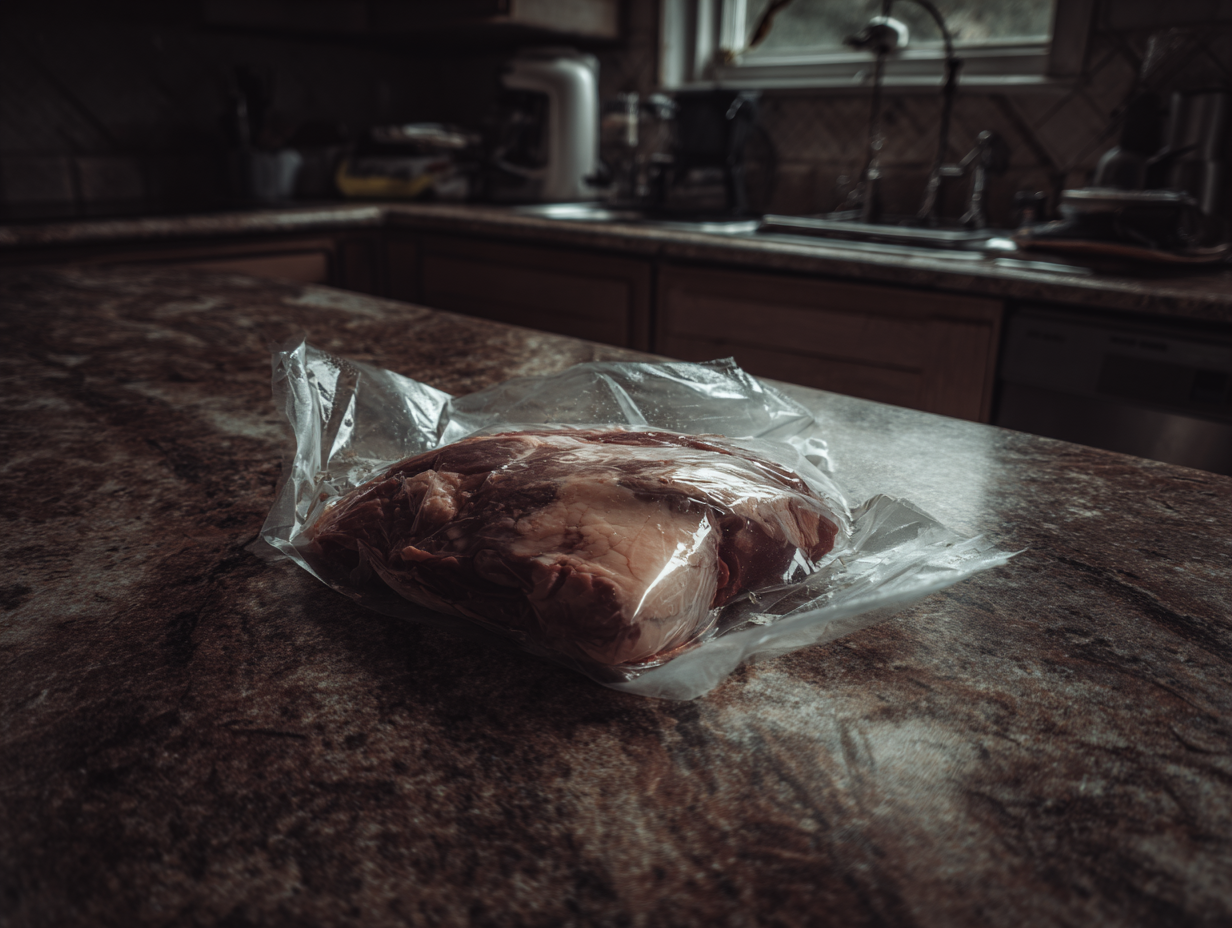
A lot of food gets thrown away, not because it spoiled suddenly, but because no one acted during the small window when it still could have been saved. That half loaf of bread, the extra cooked meat, the leftover soup, the ripe bananas, the bag of spinach you will not finish in time — these are all perfect freezer candidates. But many people wait until food is right on the edge, then decide it is “probably too late.” At that point, freezing no longer feels like a rescue.
Freezing works best when it happens before food declines too much. It does not magically improve quality, but it can preserve freshness and buy you time. Bread freezes well when wrapped properly. Cooked meals can be frozen in portions for easy lunches. Overripe bananas can be peeled and frozen for baking or smoothies. Even grated cheese, broth, and herbs can be frozen usefully. The mistake is not failing to use the freezer at all. It is treating it like a last resort instead of a normal part of meal planning.
To make freezing pay off, package food well and freeze it in usable amounts. Press excess air out of bags, use freezer-safe containers, and label everything clearly. Try not to toss random half-portions into the freezer with no plan, because those are the foods that end up forgotten. Freeze food while it still looks and smells like something you will want later. When you get into that habit, the freezer becomes a money-saving tool rather than a storage graveyard. It gives good food a second chance before waste has the final word.
Mistake 10 — Storing Bread, Baked Goods, and Snacks the Wrong Way
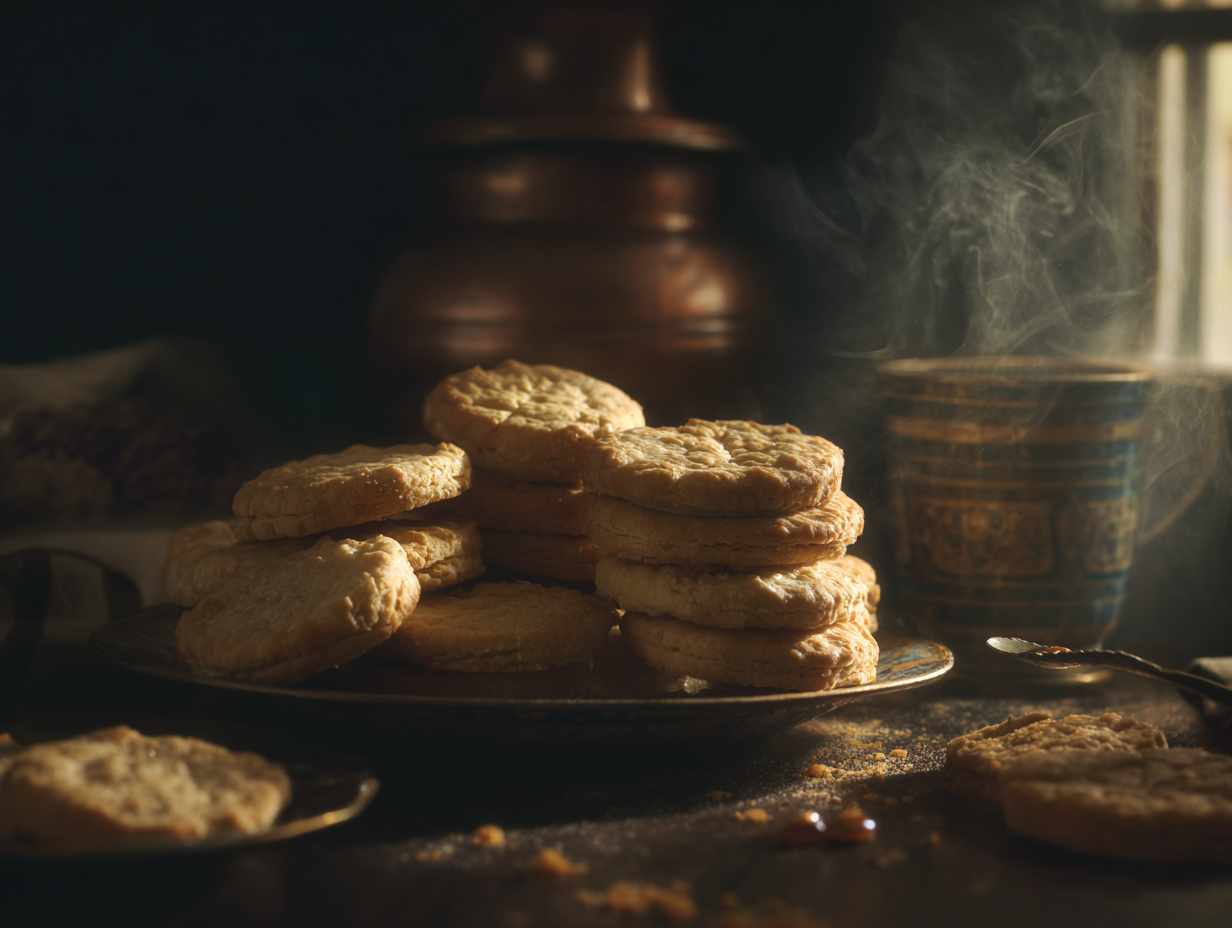
Bread, crackers, cookies, tortillas, and other everyday staples often seem low-risk because they are not as delicate as fresh produce. But these foods are quietly wasted all the time. Bread goes stale on the counter for too long. Crackers lose their crunch because the package was folded badly. Tortillas dry out after one use. Baked goods harden before anyone finishes them. Because these are familiar foods, people often accept the loss as normal, even though better storage could keep them usable much longer.
The first mistake is assuming one method works for all of them. Bread is best kept at room temperature for short-term use, sealed well, and frozen if you will not finish it in a few days. Refrigerating it may seem practical, but it often makes it go stale faster. Crackers, cereal, chips, and biscuits need a tight seal to stay crisp once opened. Tortillas and wraps usually last best when kept sealed and refrigerated after opening, depending on the packaging instructions. Small details matter because air exposure changes texture quickly.
These foods may not be the most expensive items in your cart, but they are among the most regularly wasted. A loaf here, a packet there, a half-used bag each week — it adds up. The fix is simple: close packages properly, transfer delicate dry foods to airtight containers if needed, and freeze what you know you will not finish soon. That way, the food keeps the texture people actually want. And that matters more than it sounds, because food that still tastes fresh gets eaten, while food that feels stale or disappointing usually ends up in the bin.
Source: https://www.tips-and-tricks.co/food/foodstoragemistakes/