
The 2026 Money-Saving Habits People Are Swearing By

Frugal living in 2026 isn’t meant to punish. It looks like being more intentional with your money, cutting the spending that drains you, and keeping the things that actually make daily life better. That is why so many people are moving away from all-or-nothing budgeting and toward smaller habits they can actually keep up with. Instead of trying to become a completely different person overnight, they are choosing practical changes: ordering less, wasting less, tracking more, and getting smarter about what deserves a place in the budget. These habits feel realistic because they fit into normal life, even when life is busy, stressful, or unpredictable.
In the pages ahead, each habit focuses on one simple shift you can make without turning your life upside down. Some of them help you save money quickly. Others help you stop leaks that barely feel noticeable until the end of the month. The real theme running through all of them is this: frugal people in 2026 are not just spending less, they are spending with more awareness. They are giving fewer dollars to convenience, clutter, impulse, and habit. And they are giving more attention to planning, using what they already have, and choosing purchases on purpose. If that sounds like the kind of reset you want, these 13 habits are a great place to start…

Habit 1 — Stop treating food delivery and dining outside like defaults
One of the easiest ways to save money in 2026 is to stop letting takeout and dining out become your automatic answer to a long day. Food delivery and eating at restaurants feel harmless in the moment, especially when you are tired, busy, or just not in the mood to think. But the problem is rarely the meal itself. It is the extra cost that comes with it: delivery fees, service fees, tips, markups, and the habit of choosing convenience without checking whether you even want what you are ordering. More people are starting the year by stepping back from that cycle and building a few simple backup plans instead.
That does not mean you need to become someone who lovingly cooks from scratch every night. It means making life easier for your future self. Keep a few low-effort meals in the freezer. Have two or three dinners you can make on autopilot. Use leftovers on purpose instead of forgetting about them. Even keeping ingredients for a quick pasta, sandwich night, or breakfast-for-dinner can help you avoid the expensive “I have nothing to eat” order. The goal is not perfection. The goal is to make delivery a treat again, not a routine. Once you break the reflex, you may be surprised by how much money stays in your account each month without making you feel deprived.

Habit 2 — Do short spending freezes instead of dramatic budgets
A full lifestyle overhaul sounds exciting in theory, but in real life, it often falls apart. That is why short spending freezes are catching on in 2026. They feel more manageable because they have a clear start and finish. Instead of swearing off every nonessential purchase forever, you might choose one month without buying clothes, one week without eating out, or two weekends where you spend nothing except on groceries and essentials. That shorter time frame makes the challenge feel less heavy and more like a reset button for your habits.
What makes a spending freeze powerful is not just the money you keep. It is the awareness it creates. You notice when boredom pushes you toward online shopping. You notice how often you browse out of habit, not need. You notice which purchases were really filling a gap and which ones were just noise. By the time the freeze ends, many people find they are less tempted than they expected. That is why this habit works so well: it teaches restraint without turning frugality into misery. If you want to try it, keep the rules simple. Pick a category, pick a time period, and decide in advance what still counts as necessary. Clear rules make it easier to follow through.
Habit 3 — Use your freezer and pantry like real assets
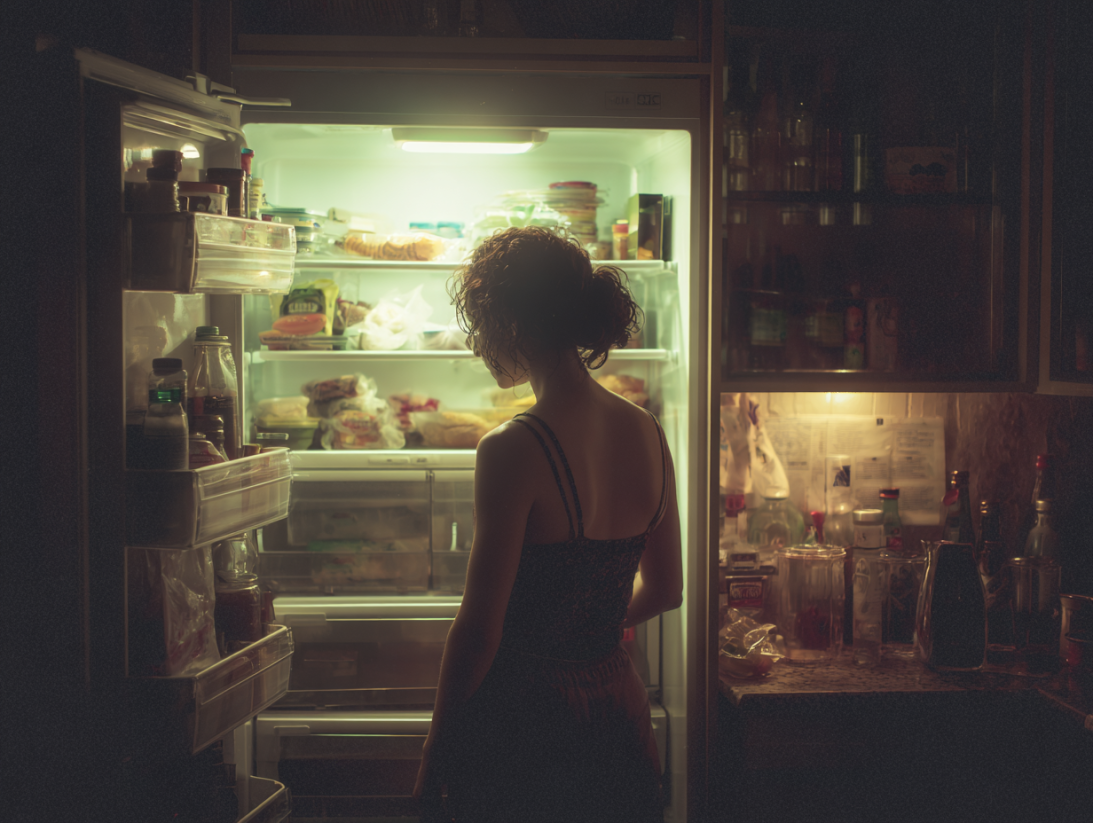
A lot of households think of savings in terms of what is in the bank, but frugal people in 2026 are also paying attention to what is already sitting in the kitchen. A freezer full of forgotten food is tied-up money. The same goes for pantry items you bought with good intentions and never circled back to. One growing frugal habit is to “shop the house first” by using at least one freezer or pantry item each week before buying more. It sounds small, but it changes the way you think about food.
This habit works best when you make it visible. Open the freezer and take stock. Write down what is in there. Build one or two meals a week around ingredients you already have. If you are cooking something that freezes well, make extra on purpose, so you have an easy option later. Suddenly, the freezer stops being a graveyard for leftovers and starts becoming a money-saving tool. The same goes for pantry staples. Beans, rice, pasta, canned tomatoes, broth, oats, and spices can carry a surprising number of meals when you actually remember to use them. Frugal living is often less about buying clever things and more about using ordinary things all the way through. This habit is one of the clearest examples of that.
Habit 4 — Renegotiate the bills you stopped questioning
Some of the best frugal wins in 2026 are not happening at the grocery store. They are happening in the boring corners of monthly life: phone plans, internet bills, insurance, streaming services, and all the other costs people quietly accept year after year. Once a bill becomes familiar, it disappears into the background. You stop asking whether the price still makes sense. Frugal people are pushing back on that. They are calling providers, comparing rates, downgrading plans, canceling extras, and finding out that many “fixed” expenses are not as fixed as they seemed.
This habit is powerful because it creates savings that keep repeating. You do the work once, and the lower cost can help you every month after that. Start with the bills that feel most bloated. Do you really need the premium version? Are you paying for more data, faster speeds, or more subscriptions than you use? Could you bundle, switch, or simply ask for a better rate? Even if you only trim a few categories, the total can be bigger than what many people save through daily penny-pinching. Frugality is not only about saying no to coffee runs or impulse buys. Sometimes it is about finally looking at the bills you have been tolerating for too long and deciding they need a second look.

Habit 5 — Make entertainment more selective, not nonexistent
Being frugal does not mean never having fun. In 2026, it means getting pickier about what is worth the money. A lot of people are stepping back from expensive entertainment habits that became automatic, whether that is concerts, nights out, multiple subscription services, or spontaneous weekend spending that adds up faster than expected. The shift is not toward becoming boring, but about making sure the money goes to the experiences that truly feel memorable.
A simple way to practice this habit is to stop asking, “Can I afford this?” and start asking, “Do I want this enough to include it among my yeses this month?” That question changes everything. Maybe you skip three average outings so you can enjoy one great one without stress. Maybe you host friends at home instead of meeting out every time. Maybe you save big-ticket fun for events that genuinely matter instead of treating every plan like a must-do. Frugal people are learning that selective enjoyment feels better than constant spending, because it keeps pleasure from turning into background noise. When you stop spending just to fill the calendar, the things you do choose often feel more valuable, not less.

Habit 6 — Check secondhand first
There is a reason secondhand shopping keeps showing up in conversations about frugal living. In 2026, more people are making it their first stop rather than their backup plan. Furniture, kitchen gear, storage pieces, decor, kids’ items, books, hobby supplies, and even some clothing can often be found used in great condition for far less than retail. This habit saves money, but it also slows down the urge to instantly fill every need with a brand-new purchase. That pause matters. It gives you time to decide whether you want something because you need it, or because you are in a hurry to feel “done.”
Secondhand shopping works especially well when you stop treating it like a lucky accident and start treating it like a strategy. Search regularly. Set price alerts. Be willing to wait a bit. Know which categories matter most to you and where you are happy to buy used. You do not need to make every purchase secondhand for this habit to pay off. Even a few thoughtful wins can reduce the pressure on your budget, especially when furnishing a home or replacing practical items. And there is another benefit people do not always mention: buying used makes you more deliberate. When you are not just clicking “buy now,” you tend to think harder about what belongs in your space. Frugal living gets easier when patience becomes part of the plan.
Habit 7 — Use a one-in, one-out rule for your stuff
One of the smartest frugal habits defining 2026 has less to do with budgeting apps and more to do with physical clutter. More people are realizing that too much stuff creates its own kind of expense. It leads to duplicate purchases, crowded storage, messy spaces, and the constant feeling that buying one more thing will somehow make life easier. That is why the one-in, one-out rule is gaining traction. The idea is simple: if something new comes into your home, something else has to leave. That could mean donating, selling, recycling, or tossing an old equivalent.
This rule slows down shopping in the best possible way. Before you buy, you have to ask yourself whether the new item is worth making room for. Often, that tiny bit of friction is enough to stop casual spending. It also helps you see how often you are buying variations of things you already own. Another sweater. Another skincare product. Another kitchen gadget that promises to fix a problem you barely have. Frugal people in 2026 are learning that managing money is closely tied to managing volume. When your home is already full, “good deal” purchases start costing more than their price tag. A one-in, one-out habit keeps both spending and clutter from quietly growing at the same time, and that makes everyday life feel lighter, too.

Habit 8 — Give groceries a real budget
For many households, groceries are where good intentions go to get lost. Food is necessary, prices feel unpredictable, and it is easy to tell yourself you will just “try to be better next time.” In 2026, one frugal habit standing out is finally giving groceries a real number instead of treating them like a category that cannot be controlled. The point is not to create stress around every apple or loaf of bread. The point is to know what you are working with so your shopping has some structure before you enter the store or open the app.
A grocery budget becomes much more useful when you connect it to a few practical systems. Plan a loose menu before shopping. Check what is already in the kitchen. Build a list around meals, not moods. Keep a few budget-friendly staples in regular rotation so every week does not require reinvention. And if you tend to overspend because you shop without a plan, start tracking just a few weeks of receipts to see where the money really goes. Often the problem is not the basics. It is the extras, duplicate buys, convenience add-ons, and food that sounded appealing in the moment but never got used. Once groceries stop feeling vague, they stop feeling impossible. And that alone can make this category far easier to manage month after month.

Habit 9 — Stop buying for your fantasy self
This is one of the most quietly expensive habits people are trying to break in 2026: buying for the person they imagine they are going to become. That might mean the workout gear for a routine you have not started, the kitchen gadget for a style of cooking you do not enjoy, the elegant outfit for a life you do not actually live, or the hobby supplies for an interest you want to have more than one you truly have. None of these purchases might feel wildly irresponsible on their own. In fact, they often feel optimistic. But they add up fast.
Frugal living gets easier when you start shopping for your real life instead. What do you wear most? What do you cook most? What do you use weekly, not aspirationally? What problems do you actually need solved right now? Those questions can save you from a surprising amount of spending, because they pull you back into reality before you buy something symbolic. There is nothing wrong with growth or trying new things. But you do not need to fund a whole new identity every time you want a fresh start. Sometimes the most frugal choice is to let yourself become that person gradually, using what you already own and adding only what proves necessary. That shift keeps your money focused on your real habits, not your imagined ones.

Habit 10 — Choose cheaper hobbies before expensive ones
A lot of people do not realize how much their hobbies shape their budget until they step back and look. In 2026, more frugal households are not giving up hobbies altogether. They are simply prioritizing the lower-cost ones first. Reading, walking, hiking, biking, gaming what you already own, library use, community events, music practice, journaling, and simple creative projects are getting more attention because they offer genuine enjoyment without turning every free afternoon into a spending opportunity.
This habit matters because hobbies often expand to fit your wallet if you let them. A casual interest becomes gear, memberships, accessories, upgrades, and “just one more” purchases that feel justified because they are tied to something positive. But not every enjoyable thing needs to become an expensive ecosystem. Frugal people are getting more comfortable asking a straightforward question: Does this hobby make my life better, or does shopping for the hobby make me feel productive? There is a difference. Starting with lower-cost hobbies also helps create more balance. Your downtime stops depending on constant purchases to stay interesting. And when you do choose a pricier interest, you are doing it on purpose instead of drifting into it. That makes your entertainment budget stronger and your free time feel more grounded.

Habit 11 — Track every expense in the simplest way possible
Fancy budgeting tools can be useful, but one of the most practical frugal habits defining 2026 is surprisingly low-tech: writing down each expense. Not everyone needs an app, a color-coded spreadsheet, or a full financial dashboard. Sometimes what really changes behavior is the basic act of seeing every purchase in one place. A coffee, a subscription renewal, a late-night order, a “small” grocery run, a pharmacy stop that cost more than expected. When you physically record spending, it becomes much harder to pretend the little things do not count.
That is why this habit works so well for people who feel disconnected from where their money goes. It turns spending from a blur into a pattern. And once you can see the pattern, you can change it. The method matters far less than consistency. Use a notebook, notes app, mini spreadsheet, or even a single running list for a month. Do not worry about building the perfect system first. Start with what you will actually use. Many people discover that the tracking itself naturally reduces spending because it adds a moment of awareness before and after each purchase. Frugality often grows from attention, not guilt. The point is not to shame yourself. It is to stop letting your money leave unnoticed.

Habit 12 — Spend less time scrolling, spend less money reacting
One of the more modern frugal habits taking shape in 2026 has nothing to do with coupons or cash envelopes. It has to do with attention. The more time people spend online, the more chances they have to be nudged into wanting something. Ads, trends, influencers, limited-time offers, product “must-haves,” and the constant feeling that everyone else has found something better can quietly wear down even the best intentions. That is why some people are connecting reduced screen time with reduced spending. Less exposure often means fewer temptations.
You do not need to vanish from the internet for this habit to help. Sometimes it is enough to set a few boundaries. Unfollow accounts that make you want to buy constantly. Stop browsing stores when you are bored. Replace a little scrolling time with something that keeps your hands or mind busy, like reading, walking, cooking, or a hobby you already have supplies for. Pay attention to when you are most likely to spend online. Is it late at night, during work breaks, or when you are stressed? Once you notice the pattern, you can interrupt it. Frugal living in 2026 is not just about managing money. It is also about protecting your focus from the systems designed to turn your restlessness into purchases. That awareness can save more than you think.

Habit 13 — Use things up before replacing them
A defining frugal mindset for 2026 is simple: finish what you already paid for. More people are trying to use up toiletries, skincare, makeup, hair products, pantry goods, candles, cleaning supplies, and other everyday items before bringing in replacements. It sounds obvious, but modern shopping makes it surprisingly easy to keep buying improved versions of things that are already half-used at home. The result is clutter, waste, and money disappearing into duplicates. Frugal people are pushing back by turning “use it up first” into a rule instead of a vague intention.
This habit is especially helpful because it cuts spending without making life feel smaller. You are not depriving yourself of something you never had. You are simply making full use of what is already there. That can mean finishing the shampoo in the shower before trying the new one, using the notebook before buying another, wearing the clothes you own instead of shopping for a mood, or committing to the products in the cabinet before chasing a replacement. It is a quiet shift, but a powerful one. Once you start seeing half-used items as money waiting to be honored, your shopping decisions change. Frugal living becomes less about restriction and more about respect: respect for your budget, your space, and the value of the things you already brought into your life.
Source: https://www.tips-and-tricks.co/lifehacks/frugalliving/