Your Bathroom Will Be Dirtier Than You Imagine If You Don’t Clean These Overlooked Things
 You can spend a good chunk of your day cleaning the bathroom, step back feeling proud, and still somehow end up with streaks on the mirror, mystery smells near the sink, and a shower that never quite looks as fresh as it should. That is what makes bathroom cleaning so frustrating. It is not always about effort. A lot of the time, it comes down to small habits that seem harmless but quietly make the whole job harder than it needs to be.
Bathrooms are tricky little spaces. They deal with steam, soap residue, toothpaste splatters, hard water marks, body oils, and all the other glamorous things nobody wants to think about. Because the room is used so often, even a tiny cleaning misstep can snowball fast. What looked like a quick wipe-down on Monday can turn into a deep-cleaning project by the weekend. And the worst part is that many of these habits feel completely normal, which is exactly why so many people keep repeating them.
The good news is that you do not need a cabinet full of fancy products or a full Saturday devoted to scrubbing tiles with a toothbrush. Often, a cleaner bathroom starts with spotting the little mistakes that throw off your routine and then swapping them for smarter, simpler habits. Once you know what is really getting in your way, the whole room becomes easier to keep under control. The bathroom may never become your favorite place to clean, but it can absolutely stop being the room that always seems to fight back.
1. Using the Same Product
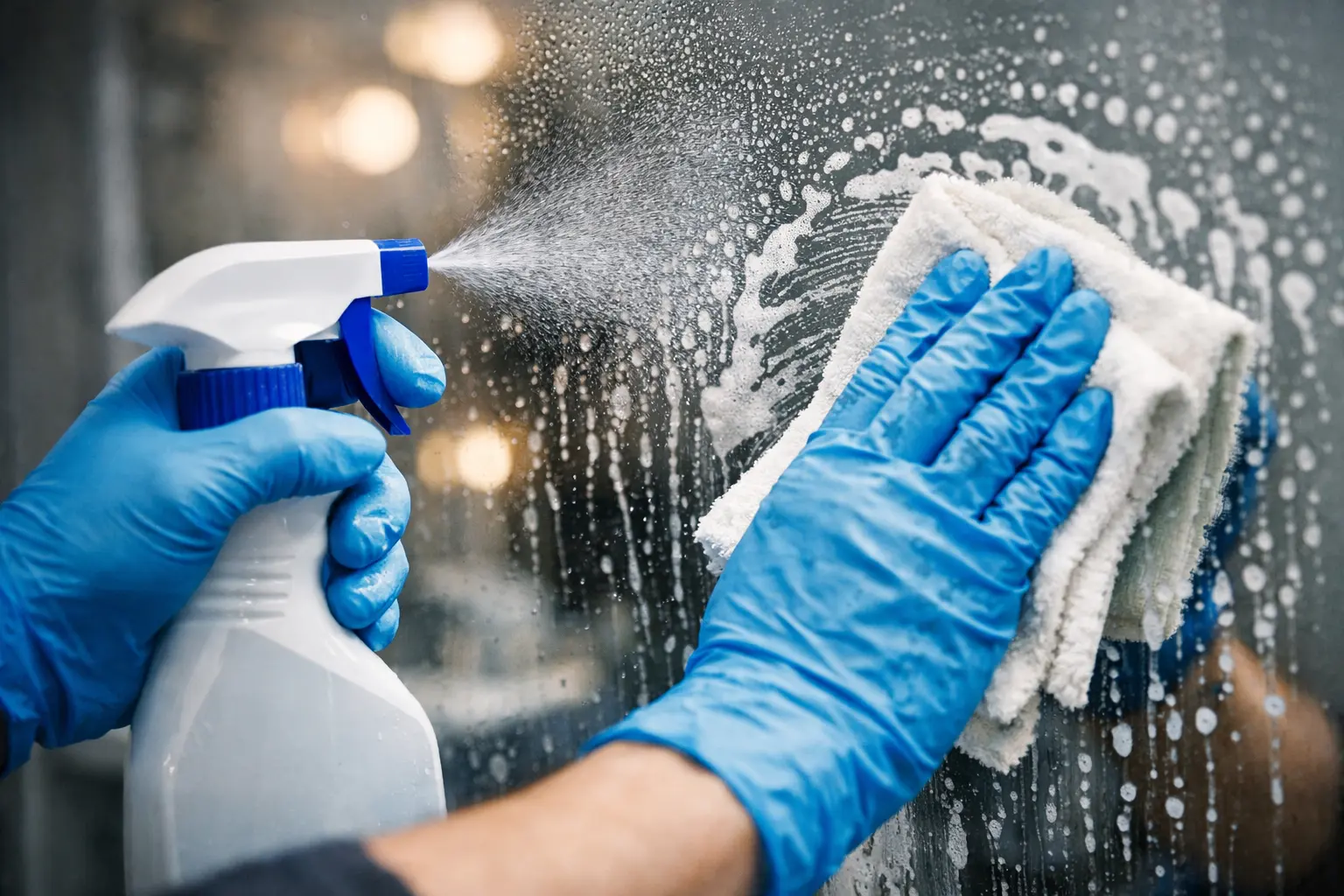
One of the most common bathroom cleaning mistakes is treating every surface with the exact same product. It feels efficient, doesn’t it? One spray bottle, one cloth, one quick circuit around the room, and you are done. The problem is that bathrooms are full of very different materials. Glass, chrome, porcelain, sealed stone, grout, painted walls, and acrylic tubs do not all respond well to the same cleaner. What works beautifully on the sink may leave streaks on the mirror or damage a more delicate finish over time.
This is where many people accidentally make the bathroom look worse while trying to make it look better. A heavy product on the mirror can leave cloudy marks. A harsh cleaner on natural stone can dull the surface. Something too foamy on chrome fixtures can create residue that makes faucets look spotted again almost immediately. Even when no real damage is done, using the wrong cleaner can mean you end up wiping harder, rinsing longer, and wondering why the room never looks properly polished when you finish.
What to do instead? Match the cleaner to the job. Use a glass-safe product or even a simple, damp microfiber cloth for mirrors. Use a gentle bathroom cleaner for the sink, toilet exterior, and shower surfaces that can handle it. Check labels before using anything strong on stone, specialty finishes, or acrylic tubs. If you want to keep things simple, choose a small lineup of reliable basics rather than one do-it-all product. It may sound less convenient at first, but it actually saves you time because each surface gets clean faster and stays looking good longer.
2. Wiping Off the Cleaner Immediately
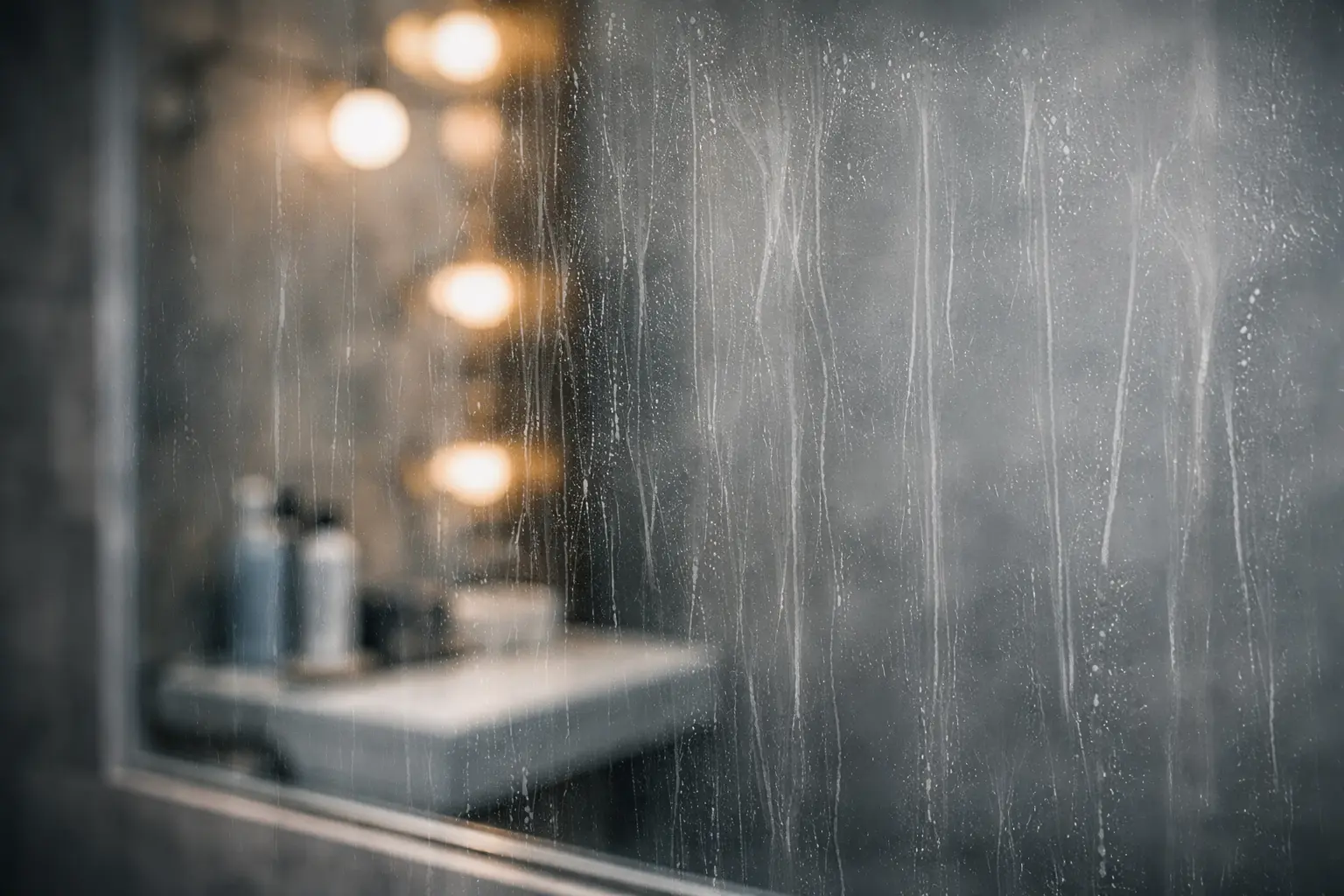
Another mistake almost everyone makes is spraying a cleaner and wiping it away right away, as if the product is working by magic the second it lands. It is a very understandable move. You are in a hurry, you want the room to look better immediately, and the idea of waiting around for a cleaner to do its thing feels unnecessary. But many bathroom products need a little contact time to loosen soap scum, break down grime, or disinfect properly. If you wipe too soon, you are often just smearing the problem around.
That is why some surfaces can look clean at first glance but still feel sticky, cloudy, or not quite fresh. The cleaner never got enough time to lift the buildup, so you end up scrubbing harder or going over the same spot again and again. It is especially noticeable in the shower, around the sink, and on the toilet, where residue tends to cling rather than disappear on command. When a cleaner is rushed, the job becomes more physical than it needs to be, and the results are usually disappointing.
What to do instead? Spray first, then pause. Let the product sit for the amount of time recommended on the label, or at least for a minute or two when safe to do so. While it works, do something else nearby, like empty the trash, wipe the mirror, or shake out the bath mat. Then come back and wipe. You will usually notice the dirt releases much more easily. In other words, let the cleaner earn its paycheck. A little patience can save you a surprising amount of scrubbing, and your bathroom will look cleaner with less effort from you.
3. Ignoring Hidden Spots
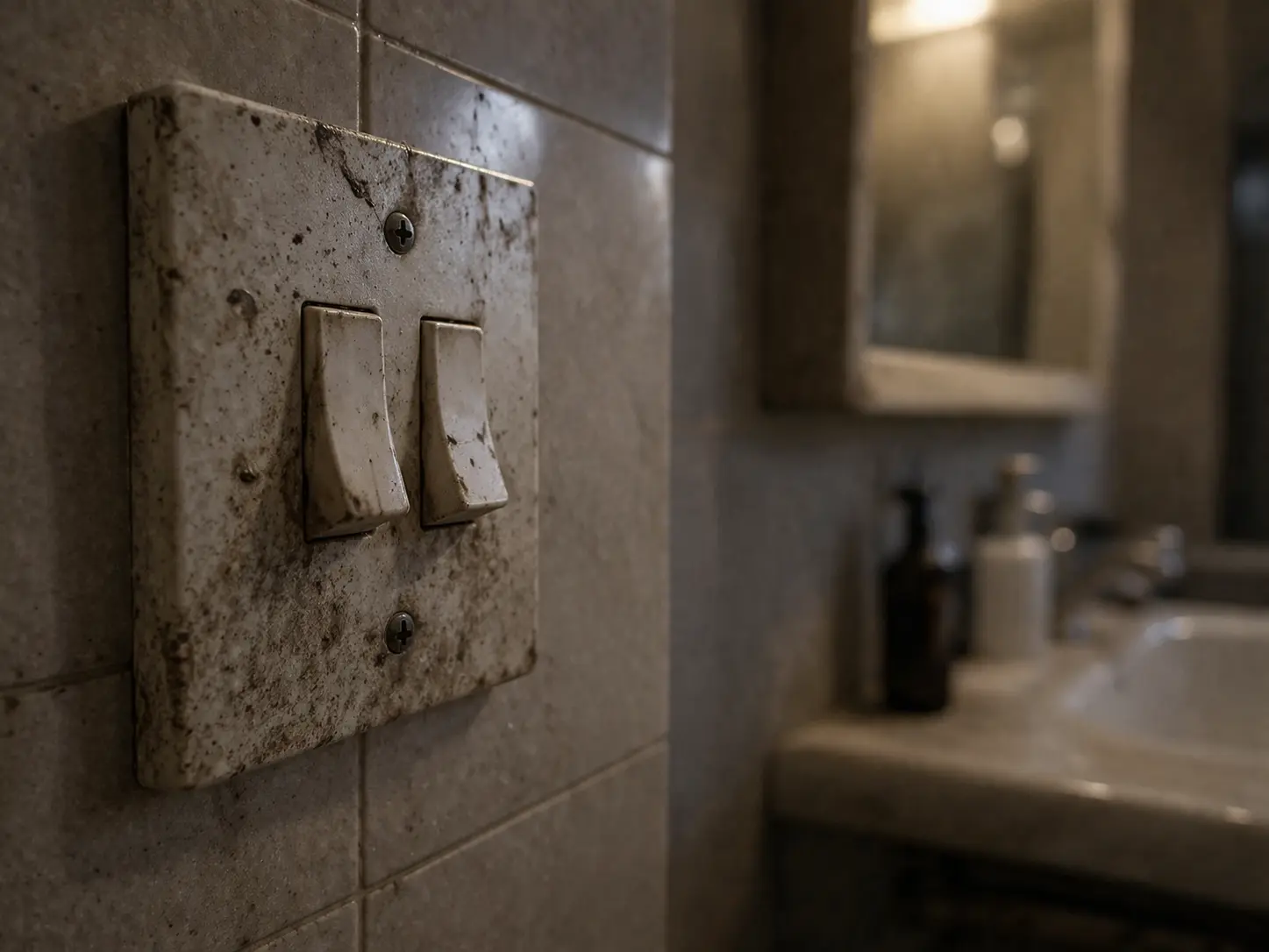
A bathroom can look shiny and still be hiding one very common cleaning failure: the spots your hands touch most often are often the ones you forget to clean. When people picture bathroom cleaning, they usually focus on the obvious surfaces. The toilet bowl gets attention. The sink gets a wipe. The mirror gets polished. Meanwhile, the light switch, faucet handles, flush button, cabinet knobs, door handle, and even the toilet seat hinge area can be completely overlooked. These are the places that get touched constantly, yet they often escape the routine.
That matters for two reasons. First, these spots collect grime fast. Fingerprints, product residue, and general bathroom moisture can build up on them before you even notice. Second, they are the parts of the room that can make a bathroom feel less fresh, even after you have cleaned the more visible areas. You may not immediately think, “Ah yes, the light switch is the problem,” but your brain definitely notices when small details still feel sticky, smudged, or dingy. It is part of why a bathroom can somehow feel unfinished, no matter how much time you spend in there.
What to do instead? Add a quick high-touch sweep to every cleaning session. Take a cloth and make one fast pass over the handles, switches, buttons, and knobs after you finish the main surfaces. It only takes a minute, but it changes the feel of the whole room. If you want to make it even easier, keep a microfiber cloth or bathroom-safe wipe nearby for quick touch-ups during the week. Those little forgotten areas have a surprisingly big impact, and once you start cleaning them regularly, the room feels more truly clean instead of just visually improved.
4. The Overuse of Cleaning Bleach
Bleach has a bit of a superhero reputation in bathroom cleaning. People reach for it when the room feels extra grimy, smells off, or just seems beyond help. And yes, bleach has its place. But one of the biggest bathroom cleaning mistakes is assuming that stronger always means better. In reality, overusing bleach can cause problems of its own. It does not magically remove every kind of dirt, it can be too harsh for some surfaces, and it can leave behind a very aggressive smell that feels like “clean” without actually solving the right problem.
A lot of people use bleach when what they are really dealing with is soap scum, mineral buildup, or plain old grime. Bleach is better at disinfecting and whitening certain stains than it is at breaking down all types of residue. So if you pour it everywhere expecting it to melt away the buildup, you may end up disappointed. Worse, using it carelessly in a small bathroom can make the air unpleasant, especially if the room is not well ventilated. And of course, mixing bleach with the wrong products is a definite no. That is where cleaning stops being helpful and starts being risky.
What to do instead? Use bleach as a targeted tool, not your default answer to everything. For limescale, soap film, and daily bathroom mess, a standard bathroom cleaner or another surface-appropriate product is often the better choice. Save bleach for situations where it is genuinely useful, follow the label carefully, and never mix it with other cleaners. Open a window or run the fan when using anything strong. The goal is not to make your bathroom smell like a public swimming pool. The goal is to get the right kind of clean, safe, and effective.
5. Using Old Sponges and Wiping Cloths
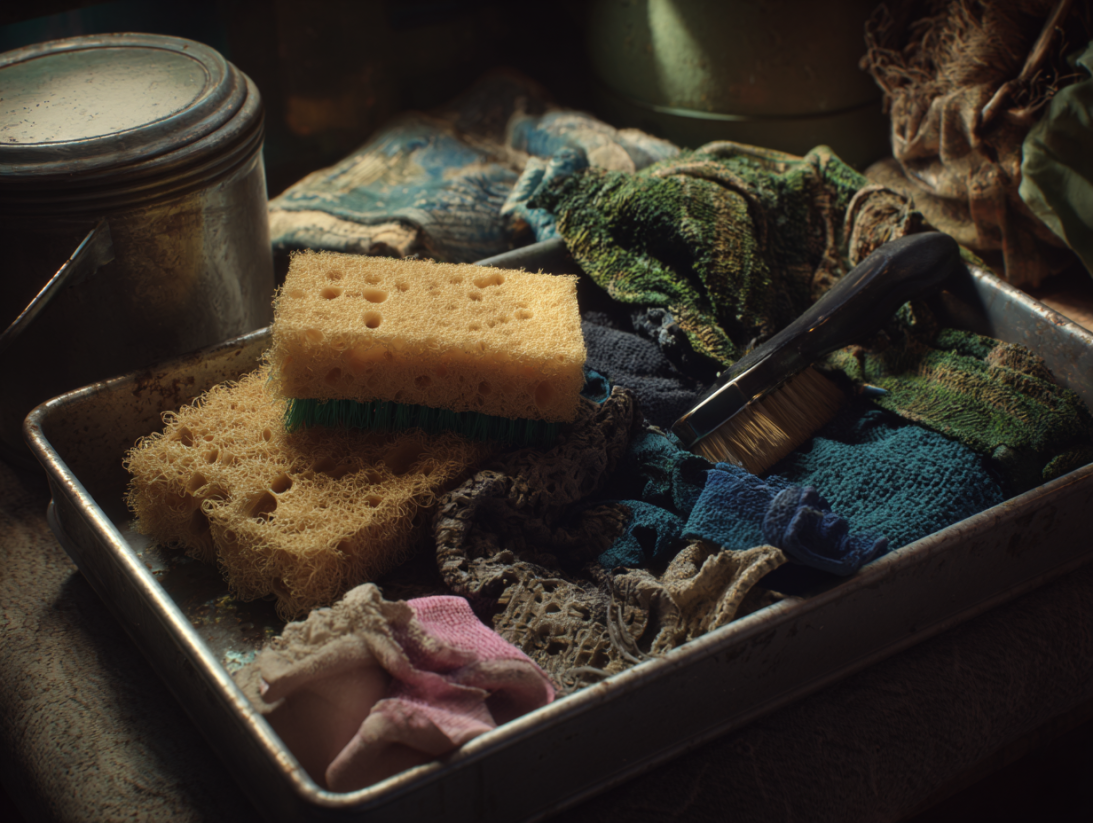
If your sponge, scrub brush, or cloth has seen better days, your bathroom probably has too. One of the easiest mistakes to make is cleaning with tools that are already dirty, damp, or overloaded with old product residue. It feels harmless because technically, you are still cleaning, right? But a tired sponge or a grimy cloth can do the exact opposite of what you want. Instead of lifting dirt away, it can smear residue around, spread unpleasant smells, and leave surfaces looking dull, no matter how much effort you put in.
This is especially obvious on mirrors, faucets, and shiny surfaces. You wipe and wipe, but somehow the streaks get worse. Or maybe the sink still has that filmy look even after you cleaned it thoroughly. Often, the problem is not your technique. It is the tool. Sponges can also hang on to moisture and become funky fast in a bathroom environment, especially if they are not rinsed and dried properly between uses. And if you are using the same cloth on multiple areas without rinsing it out, you are basically dragging yesterday’s grime into today’s clean-up.
What to do instead? Start with fresh tools. Use clean microfiber cloths, rinse them often during the job, and let them dry fully afterward. Replace sponges regularly, or better yet, use washable cloths that you can toss in the laundry. Keep separate tools for grimier jobs, like the toilet area, so they never touch your sink or mirror. This does not need to become a complicated system with color-coded charts on the wall. It just needs to make sense. Clean tools make a huge difference, and they often turn a frustrating cleaning session into one that actually delivers the results you wanted

6. Forgetting Good Ventilation
Bathrooms are naturally damp spaces, which is exactly why forgetting about airflow is such a sneaky cleaning mistake. Many people focus entirely on removing visible mess and then leave the room sealed up afterward, assuming the job is done. But steam and lingering moisture can undo a lot of your hard work. When dampness hangs around, it gives mildew, stale smells, and that constantly clammy feeling, the perfect chance to settle back in. A bathroom may look freshly cleaned for an hour, then slowly return to “why does it already feel weird in here?” territory.
This is not just about deep-clean days either. Even a spotless shower can start looking tired if the room never gets the chance to dry out properly. Water sitting on tiles, around the sink, or near the base of the toilet creates the perfect environment for buildup over time. Towels hanging too close together, a bath mat that stays wet for ages, or a fan that never gets used can all keep moisture trapped. The result is a room that works against you between cleans, making your next session much harder than it should be.
What to do instead? Make drying part of cleaning. Run the fan, open a window if you have one, and leave the shower curtain or door positioned so air can circulate. Wipe down extra-wet areas after cleaning, especially glass, taps, and corners where water loves to linger. Hang towels so they can actually dry instead of bunching them up. If the bathroom tends to stay humid, pay attention to that daily, not just when you are scrubbing. A dry bathroom stays fresh longer, smells better, and is far less likely to develop the kind of buildup that makes cleaning feel like a losing battle.
7. Using Too Much Force
Some bathroom messes do need elbow grease, but another common mistake is going at every surface like you are trying to sand a deck. Scrubbing too hard, especially with the wrong pad or brush, can do more harm than good. It is easy to think that pressure equals results. After all, if a stain is stubborn, surely attacking it with maximum force is the answer. But in the bathroom, that approach can scratch finishes, dull fixtures, damage grout, and wear down tubs or shower walls in a way that makes them harder to clean in the future.
Once a surface gets scratched, it tends to hold onto grime more easily. So the thing you scrubbed aggressively this month may become even more annoying to clean next month. This is particularly true for acrylic tubs, coated metals, shiny faucet finishes, and certain tile surfaces. You may also end up exhausting yourself on a spot that really needed the right product and a little time, rather than a full upper-body workout. Bathroom cleaning should not feel like a punishment scene in a movie. If it does, something in the method probably needs adjusting.
What to do instead? Go gentler and smarter. Try a soft cloth, non-scratch sponge, or appropriate brush for the specific surface. Let the cleaner sit first so it can loosen buildup before you start wiping or scrubbing. Use extra pressure only where it is genuinely safe and necessary. When in doubt, test a hidden area first. You are aiming for clean, not battle damage. A softer approach often gets better results because it protects the finish while still removing the mess. Your bathroom surfaces last longer, and you do not finish the job feeling like you just trained for a sporting event.
8. Wrong Order of Cleaning
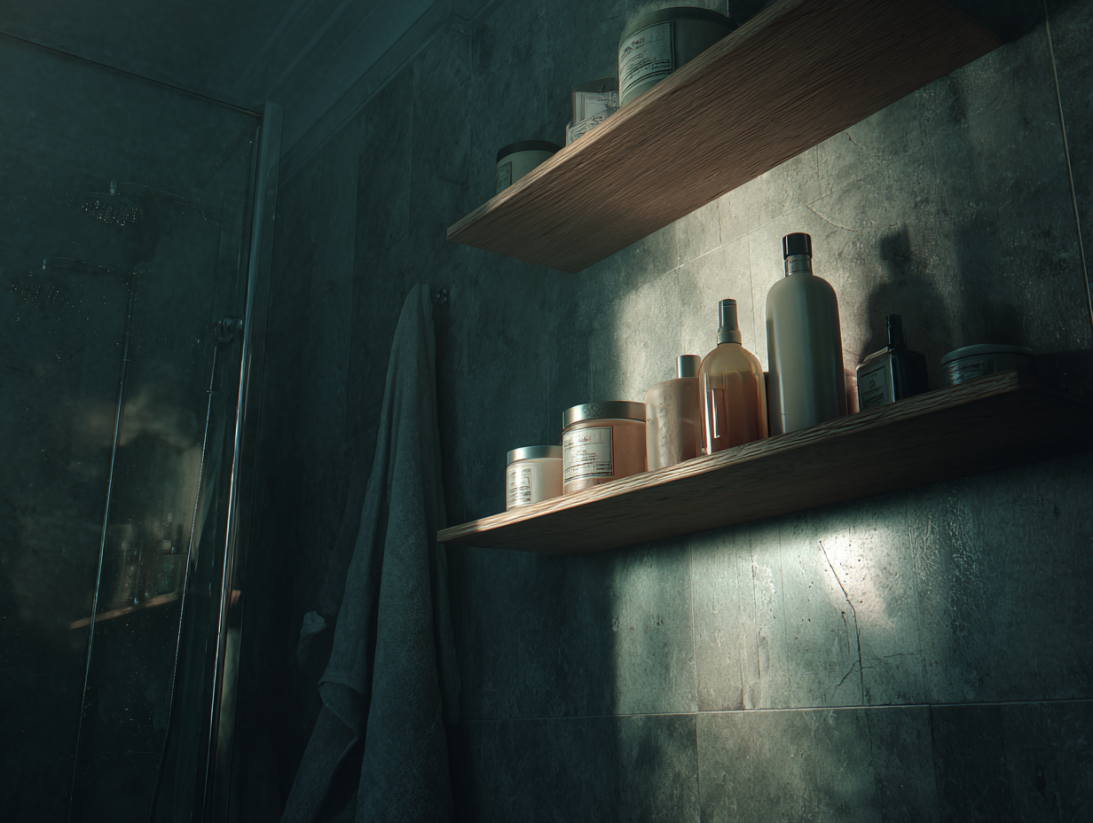
A lot of people clean the bathroom in whatever order seems most satisfying in the moment, and that usually means starting with the first mess they see. There is nothing wrong with a little cleaning instinct, but doing the job in the wrong order can create extra work without you even realizing it. If you clean the floor early, then wipe dusty shelves or scrub the sink afterward, guess where some of that grime ends up? Right back where you already cleaned. The same goes for mirrors, counters, and toilet areas when the sequence is random.
Bathrooms respond best to a top-to-bottom, cleaner-to-dirtier approach. That sounds boring, but it works. Dust, hair, product residue, and splashes tend to fall downward as you clean, not float politely into the void. So if the floor gets done before everything above it, you may be signing yourself up for a second pass. And if you clean the toilet before dealing with nearby surfaces, you can end up flicking dust or spray right back onto an area you just finished.
What to do instead? Give yourself a simple order and stick to it. Start with surfaces higher up, like shelves, mirrors, and counters. Move to the sink, then the shower or tub, then the toilet, and save the floor for last. If you are using a spray cleaner, work in sections so you are not creating chaos in every corner at once. A good order makes the whole routine feel smoother and more manageable. It also gives you that genuinely satisfying moment at the end when the bathroom is actually done, instead of mostly done with three annoying touch-ups still waiting for you.
9. Unclean Grout Lines, Caulk Edges, and Drains
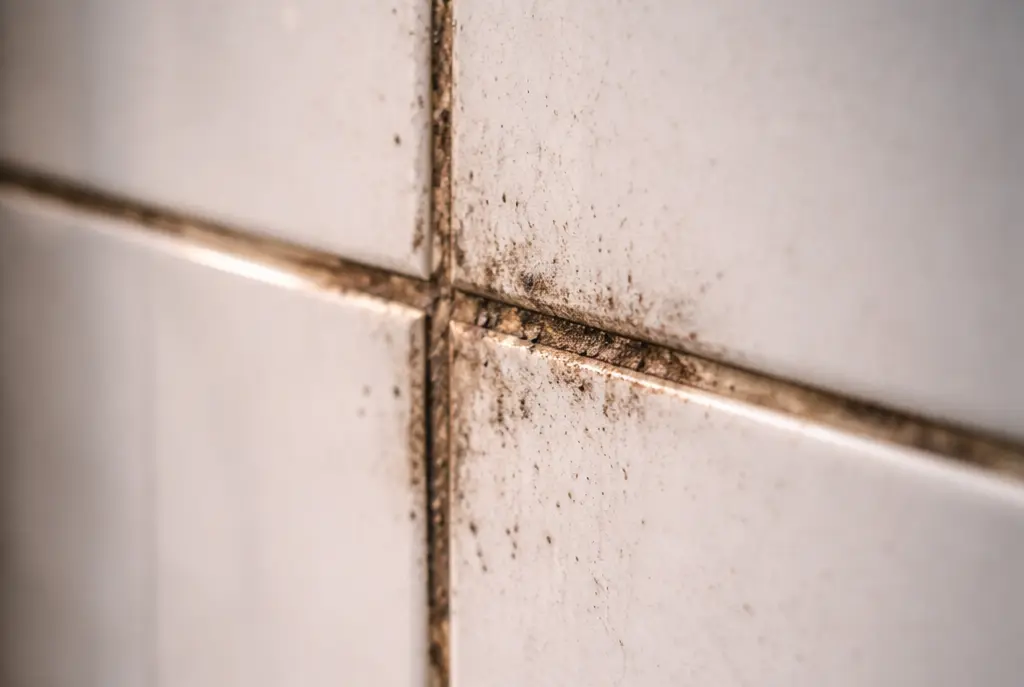
Grout lines, caulk edges, and drains rarely get the spotlight during a quick bathroom clean, and that is exactly why they become such troublemakers. Most people focus on the broad, visible surfaces because those feel more rewarding. The sink shines, the mirror sparkles, the toilet looks respectable again. Meanwhile, the grout quietly darkens, the caulk starts looking tired, and the drain collects a deeply unglamorous mix of hair and residue. These spots are easy to ignore for a while, but once buildup settles in, they can make the entire bathroom feel older and less clean.
The tricky part is that these areas are not always filthy in an obvious way at first. They just slowly start changing the look and smell of the room. Slight discoloration around the shower, a faint musty scent near the drain, or grime building up where surfaces meet can all fly under the radar until one day they are impossible to miss. By then, what could have been a quick maintenance job turns into a much bigger project. That is why so many people feel blindsided by bathroom cleaning. The hidden zones have been quietly winning.
What to do instead? Build small maintenance into your routine. You do not need to attack grout with a tiny brush every other day, but you should give these areas some regular attention. Wipe caulk lines, keep an eye on shower corners, and clear hair or debris from drains before it turns into a science experiment. A periodic deeper clean of grout and edges goes a long way, too. These are the details that make a bathroom feel truly fresh rather than just surface-level tidy. Ignore them too long, and they start running the room without your permission.
10. Setting Aside Cleaning for Too Long
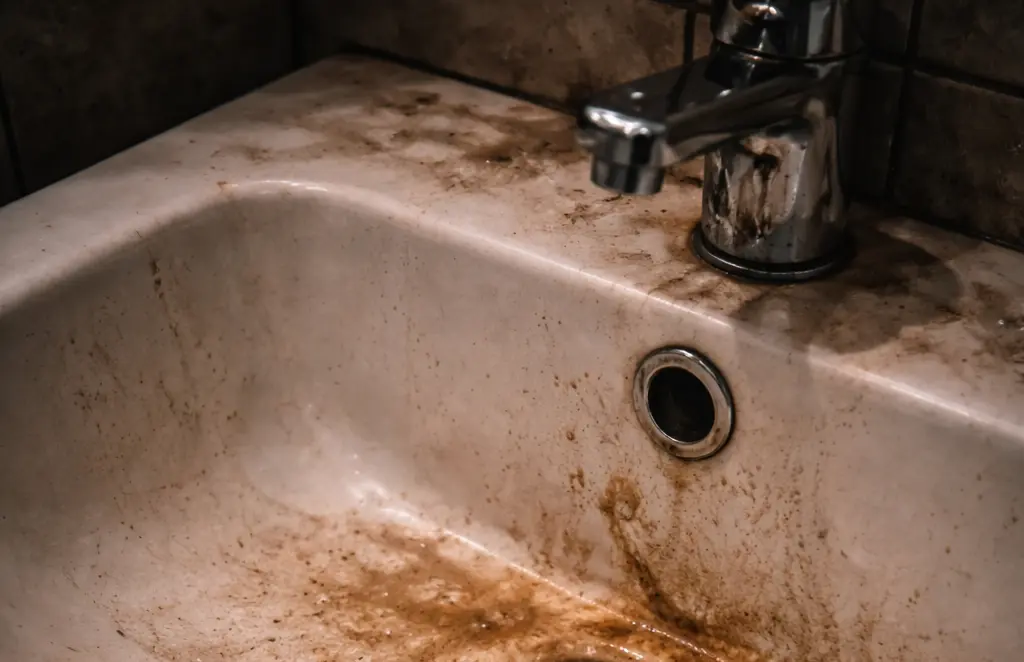
One of the most expensive bathroom cleaning mistakes, in terms of time and effort, is waiting until the room looks bad before doing anything at all. It is incredibly common. You tell yourself you will handle it later, later becomes next week, and suddenly the shower has a film on it, the sink corners look questionable, and the toilet base has entered a stage best described as “not ideal.” At that point, cleaning feels huge, annoying, and easy to postpone yet again. The longer you wait, the more the bathroom turns into a chore you dread.
This all-or-nothing mindset is what traps so many people. They think cleaning only counts if they can do a full, proper, satisfying deep clean. So when there is not enough time for that, nothing happens. But bathrooms do much better with regular light maintenance than occasional rescue missions. A quick wipe here, a rinse there, a fast once-over of the sink and taps, and suddenly buildup never gets the chance to become a full-blown weekend project. It is not glamorous advice, but it is probably the one that changes the game most.
What to do instead? Aim for consistency over perfection. Keep a short, realistic routine you can actually stick to. Maybe that means a ten-minute refresh twice a week and a more thorough clean every so often. Maybe it means wiping the sink daily and tackling the shower before buildup settles in. The exact schedule matters less than the habit. A bathroom stays manageable when you stop treating cleaning as a dramatic event and start treating it as regular upkeep. That way, you are not always trying to claw your way back to clean. You are simply keeping things there.
Source: https://www.tips-and-tricks.co/cleaning/bathroomcleaningmistakes/