10 Surprising Ways to Use Banana Peels You Never Knew About
 Before you toss that yellow skin into the trash, you might want to reconsider. While the fruit itself is a nutritional powerhouse, the peel is often overlooked, ending up as nothing more than organic waste. In reality, banana peels are packed with antioxidants, minerals, and vitamins that make them surprisingly versatile tools for your home, garden, and even your skincare routine. From polishing leather to soothing itchy skin, the “trash” in your hand is actually a resource waiting to be tapped.
This guide explores ten ingenious ways to repurpose banana peels, helping you reduce waste while solving everyday problems with a bit of natural chemistry. Whether you are a dedicated gardener or someone looking for eco-friendly life hacks, these tips will change the way you look at a bunch of bananas. You’ll save money, skip the harsh chemicals found in commercial products, and give a second life to something that usually just takes up space in the compost bin.
Disclaimer: While banana peels are natural, always wash them thoroughly to remove pesticides before use. If you have a known allergy to bananas or latex (which can have cross-reactivity), consult a professional before applying peels to your skin. These tips are for informational purposes and not a substitute for medical advice.
1. Brighten Your Houseplants
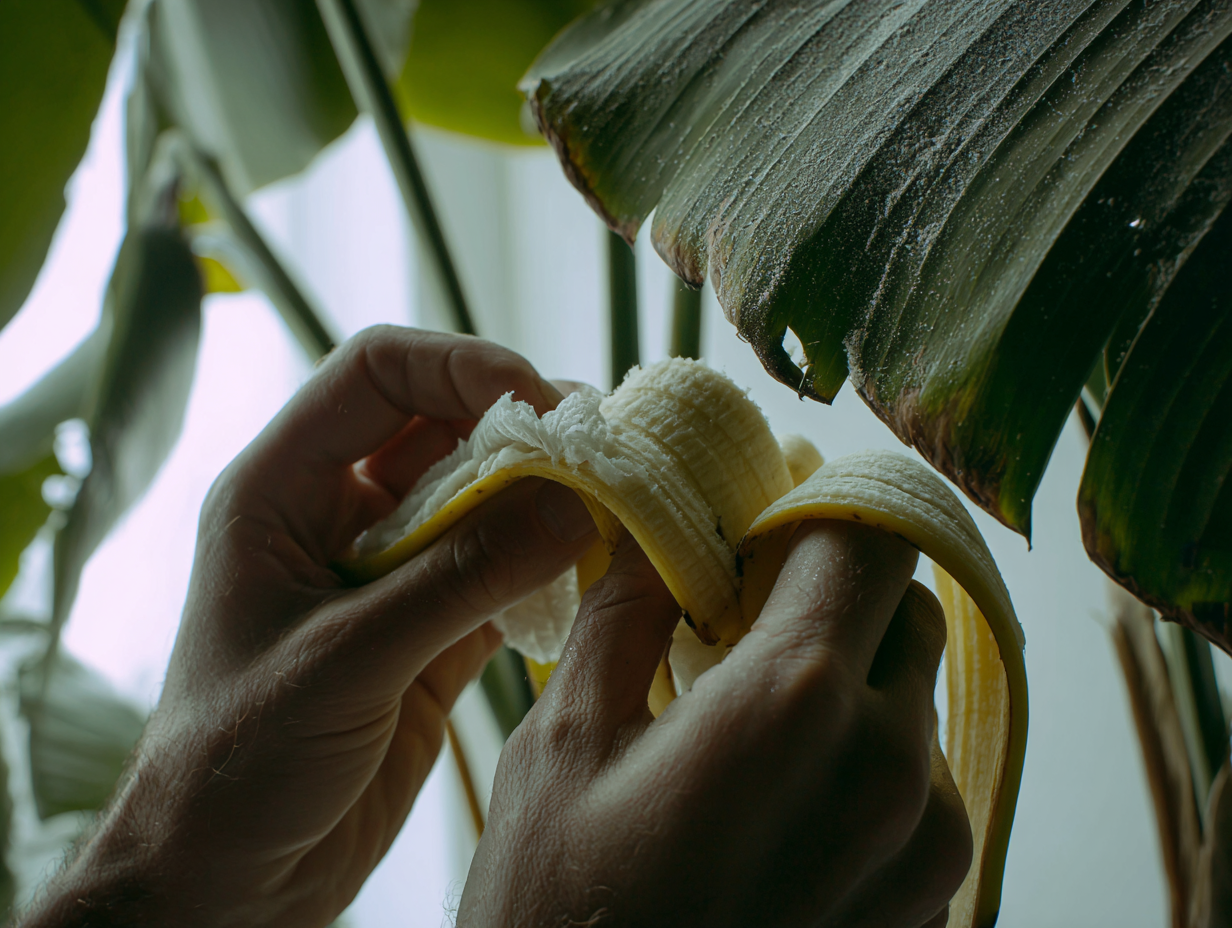
If your indoor plants are looking a bit dusty and dull, don’t reach for a chemical leaf shine. The inner side of a banana peel is an excellent, natural tool for cleaning and polishing large-leafed plants like Monsteras or Fiddle Leaf Figs. The oils and soft texture of the peel effectively lift dust while leaving behind a healthy, subtle glow that helps the plant breathe and photosynthesize more efficiently.
Simply take a fresh peel and gently rub the fleshy white side over the surface of each leaf. You will notice the dust clinging to the peel immediately, and the natural waxes in the skin will provide a protective, shiny finish. This method is much safer for the plant than commercial oils, which can sometimes clog the leaf’s pores (stomata). Plus, your plants get a tiny boost of nutrients through the leaves in the process.

2. Tenderize Your Roast
One of the more culinary “secrets” involving banana peels is their ability to keep meat moist and tender during the cooking process. Professional chefs in many tropical cultures have used banana leaves for centuries to wrap meats, but the peel of the fruit works just as well for home roasting. If you are worried about your chicken breast or pot roast drying out in the oven, a well-placed peel can act as a natural moisture barrier.
Simply place a clean, ripe banana peel on top of the meat or in the bottom of the roasting pan before sliding it into the oven. As the peel heats up, it releases moisture and natural enzymes that help break down tough fibers in the meat. This creates a “steam-tent” effect, ensuring that the juices stay locked inside the roast. Don’t worry—it won’t make your savory dinner taste like a banana sundae, but it will certainly make it more succulent.
3. Whiten Your Teeth Naturally
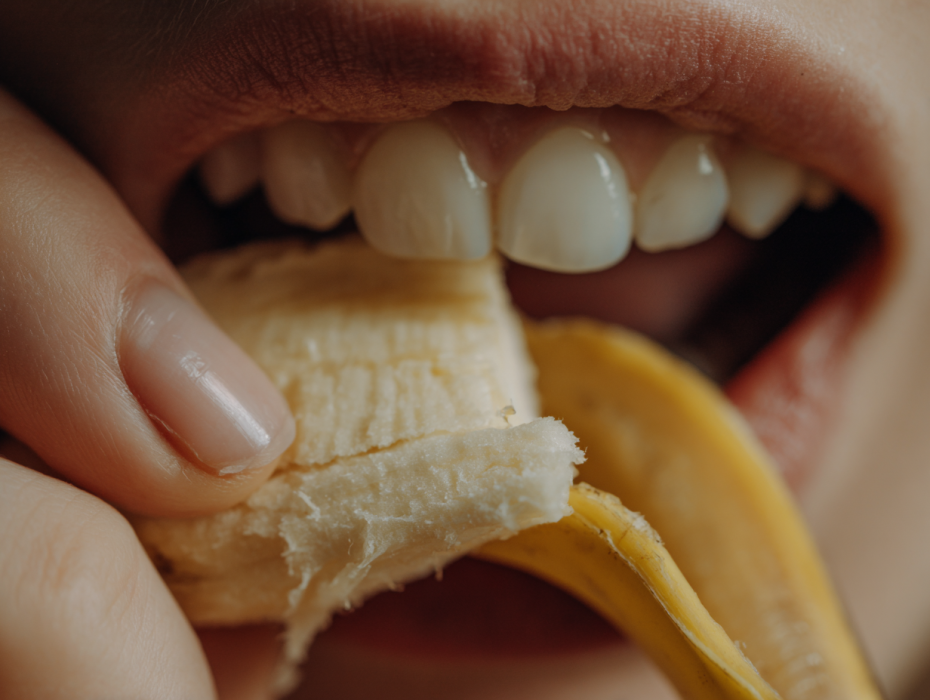
Many people are turning away from harsh chemical whitening strips in favor of more natural alternatives, and banana peels are a frontrunner in this department. While it won’t replace a professional dental cleaning, the minerals found in the peel—specifically potassium, magnesium, and manganese—can help lift surface stains from tooth enamel. It is a gentle, non-abrasive way to brighten your smile over time.
To try this, take a strip of a very ripe banana peel and rub the inside of it against your teeth for about two minutes. The goal is to get the mineral-rich paste to coat your teeth. Once finished, leave it on for another few minutes before brushing with your regular toothpaste to rinse everything away. If you do this daily for two weeks, you may notice a subtle but natural brightness without the tooth sensitivity often caused by peroxide-based kits.

4. Heal Itchy Bug Bites and Rashes
The discomfort of a mosquito bite or a brush with poison ivy can be incredibly distracting, but a banana peel can offer quick, cooling relief. Banana peels are rich in polysaccharides, which are known for their anti-inflammatory properties. When applied to a red, itchy area, the peel helps draw out fluid and reduces the swelling and irritation that makes you want to scratch.
Simply press the inside of a fresh peel against the affected area and hold it there for several minutes, or rub it gently over the bite. The cooling sensation provides immediate topical relief, while the natural oils help soothe the skin’s surface. Many hikers and campers keep this trick in their back pocket because it’s a biodegradable, chemical-free way to handle the minor “stings” of being outdoors.

5. Polish Your Leather Goods
Leather shoes, bags, and even furniture can lose their luster over time, developing a matte, dry appearance. Instead of buying expensive leather conditioners that often contain petroleum distillates, you can use a banana peel. The potassium content in the peel is actually a key ingredient found in many commercial shoe polishes, making it a perfect natural substitute for buffing up your favorite accessories.
Take a piece of banana peel and rub the inner side over the leather surface in circular motions. At first, it might look a bit messy, but don’t panic. Once you’ve coated the item, take a soft, clean cloth and buff the leather until the residue is gone. You’ll be left with a rich, deep shine and leather that feels significantly more supple. It’s an easy, zero-waste way to keep your wardrobe looking sharp.

6. Zap Warts and Acne
Banana peels have been used as a folk remedy for skin ailments for generations, and modern fans swear by their effectiveness for clearing up blemishes. The peel contains antioxidants and lutein, which can help reduce inflammation and oxidative stress on the skin. For acne, rubbing the peel on a breakout can help dry out the pimple and reduce redness without the harsh peeling caused by salicylic acid.
When it comes to warts, the approach is a bit more persistent. Some suggest taping a small piece of ripe banana peel over a wart (yellow side out) before going to bed. The enzymes in the peel are thought to gradually soften and dissolve the wart over several weeks of consistent application. While it requires patience, it is a painless alternative to freezing or chemical treatments that can be quite uncomfortable.
7. Fertilize Your Garden
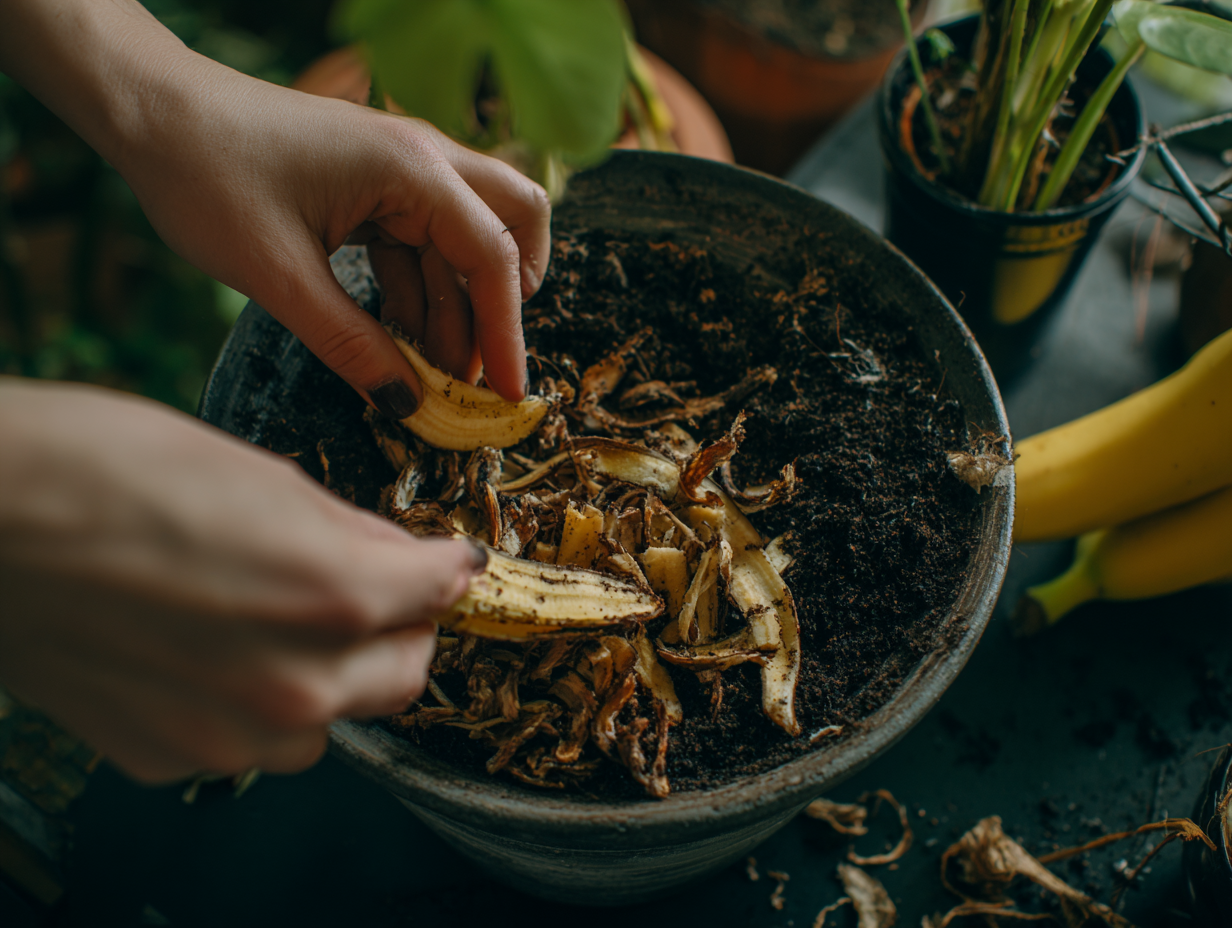
Banana peels are perhaps most famous in the gardening world as a “superfood” for plants. They are incredibly high in potassium, which is essential for root development and overall plant hardiness, as well as phosphorus and calcium. Unlike some fertilizers that provide a sudden, overwhelming chemical spike, decomposing peels release these nutrients slowly, feeding your garden over time.
There are two popular ways to use them: you can chop the peels into small pieces and bury them directly in the soil near the base of your plants, or you can make “banana tea.” To make the tea, soak the peels in a jar of water for 48 hours, then use that mineral-rich water to hydrate your flowers. Roses, in particular, absolutely love the potassium boost and will often reward you with larger, more vibrant blooms.

8. Polish Silverware
Tarnish is the enemy of fine silver, but you don’t need a smelly, caustic cream to get rid of it. If your silver spoons or jewelry have turned that tell-tale shade of dull grey or black, a banana peel can help restore the metallic shine. The chemical makeup of the peel reacts with the tarnish to lift it away gently without scratching the delicate metal underneath.
To do this, blend a few banana peels with a small amount of water to create a smooth paste. Use a soft cloth or a toothbrush to apply this paste to your silver items and rub gently. You will see the dark tarnish begin to transfer from the silver to the paste. Once you’ve finished scrubbing, rinse the items in warm water and pat them dry with a clean cloth. Your silver will look brand new, and you won’t have to worry about inhaling chemical fumes.
9. Deter Garden Aphids
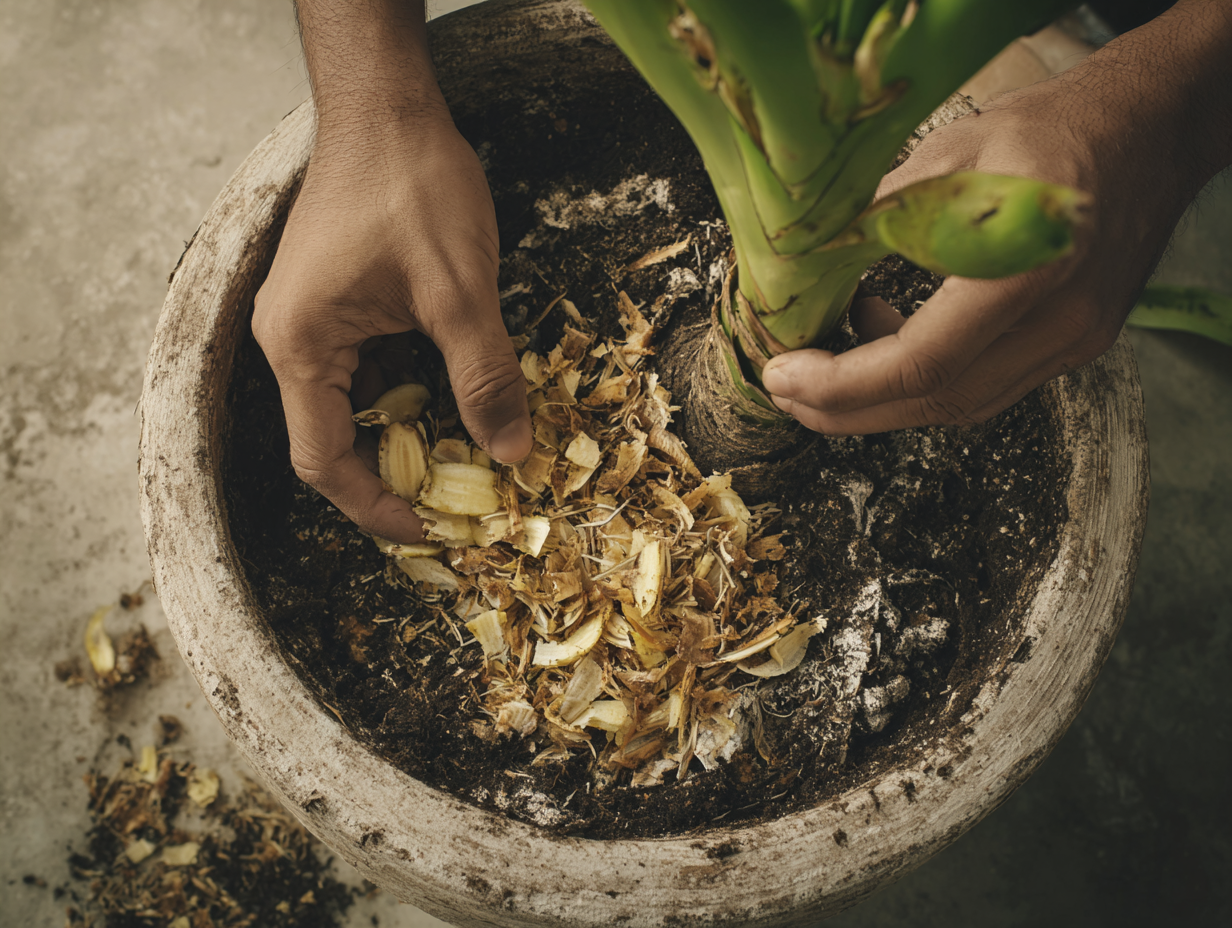
Aphids are tiny, sap-sucking pests that can ruin a garden in a matter of days. If you notice these little bugs congregating on your rose bushes or vegetable plants, banana peels can act as a natural deterrent. While scientists aren’t 100% sure why, aphids seem to have a strong dislike for the scent of decomposing banana peels, making them a great organic “keep out” sign.
To protect your plants, cut up banana peels and bury them about an inch deep around the base of the stems. Not only does this provide the nutritional benefits mentioned earlier, but it also creates a zone that aphids prefer to avoid. Be careful not to leave large piles of peels on the surface, as this might attract larger “unwanted guests” like raccoons or squirrels; burying them slightly is the key to keeping the pests away without attracting more.
 10. Extract a Splinter
Getting a tiny wooden or glass splinter stuck under your skin can be a painful ordeal, especially if it’s buried too deep for tweezers to grab. A banana peel can help make the extraction process much easier and less painful. The natural enzymes in the peel act as a drawing agent, softening the skin and encouraging the foreign object to move toward the surface.
Tape a small piece of ripe banana peel over the splinter with the fleshy side touching the skin. Leave it on for at least thirty minutes—or better yet, overnight. When you remove the peel, the skin should be softer, and the splinter will often have shifted closer to the surface, making it easy to slide out. It’s a gentle, stress-free trick that is particularly helpful for kids who are scared of needles or tweezers.
Source: https://www.tips-and-tricks.co/lifehacks/bananapeeluses/