
If Bathroom Trips Have Become a Struggle, Your Body May Be Missing This

Most people do not spend much time thinking about fiber until their stomach starts acting up. But fiber quietly influences a lot of what you feel every day: how regularly you go to the bathroom, how full you feel after meals, how steady your energy seems, and even how comfortable your digestion is overall. Fiber adds bulk to stool, helps food move through the digestive tract, and can help you feel fuller for longer. Some types also slow digestion, which can help keep blood sugar steadier. That means a low-fiber pattern does not always announce itself dramatically. Sometimes it shows up in small, annoying ways you might brush off as stress, aging, or “just one of those things.”
This article walks through signs that may suggest your body would benefit from more fiber-rich foods such as beans, lentils, oats, fruit, vegetables, nuts, seeds, and whole grains. It is not a diagnosis, and fiber is not a cure-all. Severe, persistent, or unusual symptoms should always be taken seriously.
Check with your doctor if you have blood in your stool, bleeding from the rectum, ongoing or severe abdominal pain, vomiting, fever, unexplained weight loss, or bowel changes that do not improve. Those symptoms can point to issues that need proper medical attention rather than a simple dietary tweak.
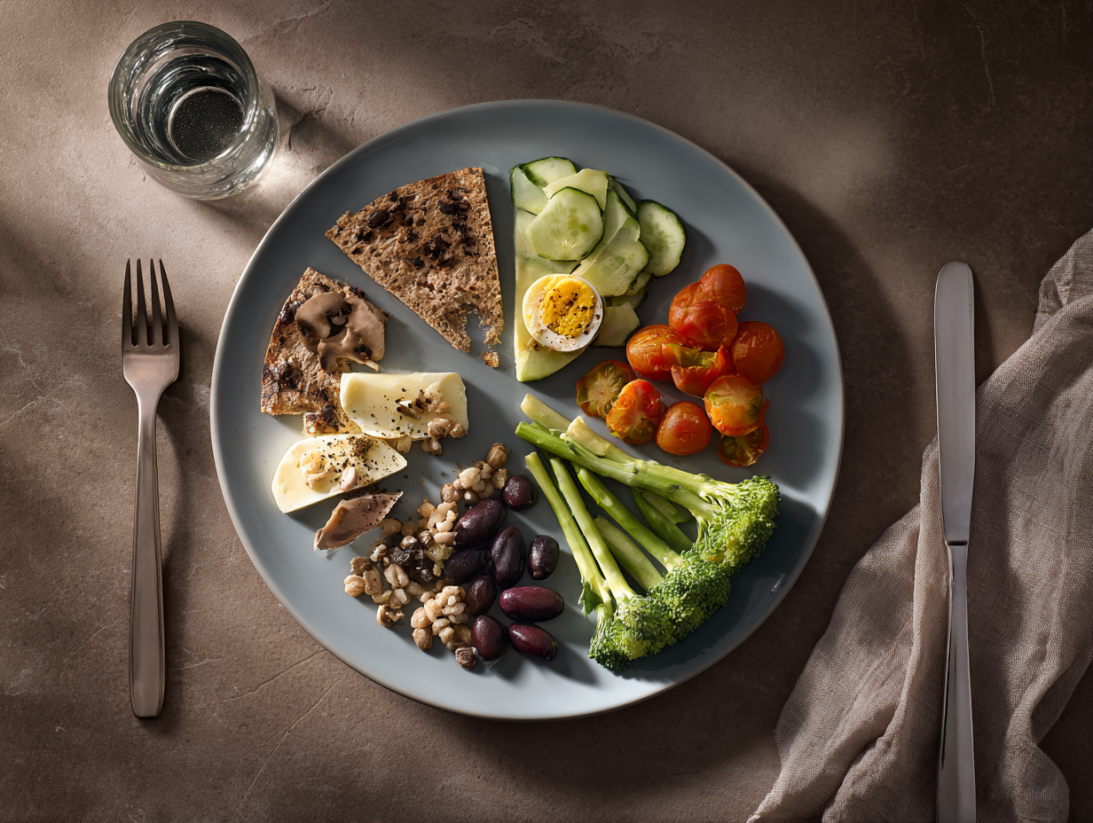
1. You Are Constipated More Often Than Usual
One of the clearest signs you may need more fiber is also the most obvious one: you are simply not going as often as your body normally does. Constipation is commonly linked to not getting enough fiber, along with not drinking enough fluids, inactivity, or ignoring the urge to go. Health sources generally describe constipation as having fewer bowel movements than usual, often fewer than three a week, or having stools that are difficult to pass. If your routine has shifted and bathroom visits are becoming less frequent, your body may be telling you it needs more bulk in the digestive system to help things move along.
What makes this sign easy to miss is that constipation does not always look dramatic. It can creep in slowly. You may still be going, just less often than before, and start accepting that as your new normal. But “normal” should not mean discomfort, dread, or a bathroom schedule that feels like guesswork. Fiber helps stool hold water and adds bulk, which can make bowel movements easier and more regular over time. Remember that this should happen over time: suddenly loading up on fiber can backfire and leave you gassy or crampy. Gradual changes usually work better. If you keep getting constipated, it is worth observing whether your meals are built a lot around refined foods, instead of fiber-rich plant foods.
Click ahead to discover 6 signs of low fiber intake.

2. Your Stool Is Hard, Dry, or Painful to Pass
Sometimes the issue is not how often you go, but what happens when you do. If your stool is hard, dry, lumpy, or painful to pass, low fiber may be part of the picture. Health guidance on constipation often includes exactly these symptoms: hard stools, straining, pain while passing stool, and the sense that you still have not fully emptied your bowels. In practical terms, this can feel like you are doing a lot of work for very little payoff. You sit there longer, strain more, and leave the bathroom feeling uncomfortable rather than relieved. That is not something to ignore, especially if it keeps happening.
Fiber helps because it gives stool more bulk and structure, which can make it softer and easier to move through the intestine when paired with enough fluids. Without enough fiber, stool can become smaller, drier, and more difficult to pass. That is where the cycle begins: harder stools lead to more straining, more discomfort, and a greater temptation to avoid going altogether, which can make matters worse. If this sounds familiar, look at the balance of your plate. Meals built around white bread, snack foods, processed cereals, and low-produce convenience foods may fill you up in the moment without giving your gut what it needs to work smoothly.

3. You Feel Bloated, Heavy, or Uncomfortably Full
A low-fiber diet is often associated with constipation, and constipation commonly comes with bloating, abdominal discomfort, and that heavy, backed-up feeling. So if your stomach often feels tight, swollen, or off by the end of the day, fiber may be one piece of the puzzle. This does not mean every case of bloating is caused by low fiber; bloating has many possible causes. But when bloating shows up alongside sluggish bathroom habits, hard stools, or straining, it becomes more believable that your digestive system could use a better fiber routine.
That said, this page comes with an important nuance: more fiber is not always better if you add too much too fast. MedlinePlus notes that increasing fiber too quickly can lead to gas, bloating, and cramps. So if you suspect fiber is low, the answer is usually a steady climb, not an overnight overhaul. Think of adding one habit at a time: oats at breakfast, fruit with lunch, beans or lentils at dinner, an extra serving of vegetables, or a handful of nuts and seeds. Done gradually, that kind of change is often easier on your gut than going from almost no fiber to suddenly eating like a farm stand exploded in your kitchen. And if bloating is frequent, severe, or will not go away, that is a good reason to talk to your doctor.

4. You Are Hungry Again Soon After Eating
If you finish a meal and feel like rummaging for a snack an hour later, fiber may be the missing ingredient. Fiber adds bulk to food and helps you feel full faster and for longer. Some forms, especially soluble fiber, slow digestion by forming a gel-like consistency in the stomach. That slower pace can make meals feel more satisfying instead of disappearing in a flash. So if your meals are heavy on refined carbs but light on vegetables, beans, fruit, or whole grains, you may be getting calories without much staying power.
This is one of those signs people often misread. You may think your appetite is the problem, when really your meal composition is not giving your body enough to work with. A breakfast of sugary cereal, toast, or a pastry might be quick and familiar, but it usually will not keep you satisfied the way oats, fruit, yogurt, nuts, or seeds might. The same goes for lunches and dinners built mostly around white rice, white pasta, or processed snacks. Fiber is not there to “block” hunger; it helps create a meal that sticks with you. If you are always circling back to the pantry, it may be less about willpower and more about whether your food contains enough fiber to slow things down and actually satisfy you.

5. Your Energy Feels Like a Roller Coaster After Meals
Another clue can show up less in your stomach and more in your energy. If you tend to feel revved up after a carb-heavy meal and then drained not long after, the lack of fiber on your plate may be contributing. Soluble fiber slows digestion and can help with blood sugar control, while fruits, vegetables, and whole grains are often recommended over highly processed carbs because the fiber in them helps blood sugar stay steadier. In everyday life, that can translate into fewer dramatic spikes and dips after eating.
This does not mean every afternoon slump is a fiber problem. Sleep, stress, caffeine habits, portion size, and overall health matter too. But if your meals are mostly stripped-down starches and sugary foods, your body may be moving through them faster than you realize. Whole fruit instead of juice, oats instead of sugary cereal, beans added to salads or soups, and whole grains in place of more refined options can make a meal feel slower, steadier, and more satisfying. That can be especially useful if you notice that you are always chasing your energy with another coffee or snack. When your meals contain more fiber, the goal is not perfection. It is a more even rhythm that leaves you feeling less bounced around by what you just ate.

6. Your Bowel Habits Feel Unpredictable or Swingy
A lot of people think fiber is only about constipation, but that is too narrow. High-fiber diets can help with both constipation and diarrhea. That is because fiber can help normalize stool consistency and support more regular bowel function. So if your digestion often feels inconsistent, with days of sluggishness followed by looser stools or urgent trips, it may be worth asking whether your overall eating pattern is low in steady, fiber-rich foods. This is especially true if your diet swings between ultra-processed convenience foods, low-produce days, and random “healthy” corrections when guilt kicks in. Your gut usually prefers consistency over drama.
Unpredictable bowel habits can also be linked to infections, IBS, inflammatory bowel disease, medication side effects, and other medical issues. So the point is not that fiber explains everything. It is that low fiber is a common, fixable issue that is often overlooked. If your symptoms are mild and your doctor has not flagged anything more serious, gradually building a diet around beans, lentils, oats, vegetables, fruit, nuts, seeds, and whole grains may help your digestive system feel steadier and more routine. But if bowel changes do not settle, keep coming back, or are paired with pain, blood, weight loss, or fatigue, it is time to stop guessing and get checked.