
Bought Tight Shoes by Mistake? Here’s the Quickest Way to Stretch Them to Fit

You know the feeling: the shoes looked perfect, the color was right, the heel wasn’t too scary, and then an hour later, your feet are negotiating for their freedom. Before you try any home fix, pause for a quick reality check. Shoes can feel tighter later in the day because feet naturally swell, and fit problems are not always about length alone. Width matters too, and one foot is often slightly bigger than the other, which is why measuring both feet and checking fit later in the day gives you a much more honest answer.
Now for the important part: not every tight shoe should be “rescued.” Leather usually gives a little over time, especially in width, but shoes do not magically become much longer. If your toes are jammed against the front, or the shoe feels sharply painful rather than just snug, stretching probably will not turn it into a great fit. In that case, an exchange, a wider fit, or sizing up with an insole is often the smarter move.
Also, skip DIY stretching if you have diabetes, poor circulation, or peripheral neuropathy, because even small rubbing or hidden pressure can turn into a bigger foot problem. And if the shoes are already causing blisters, redness, corns, calluses, or nail pain, that is your cue to stop forcing a romance that simply is not meant to be.
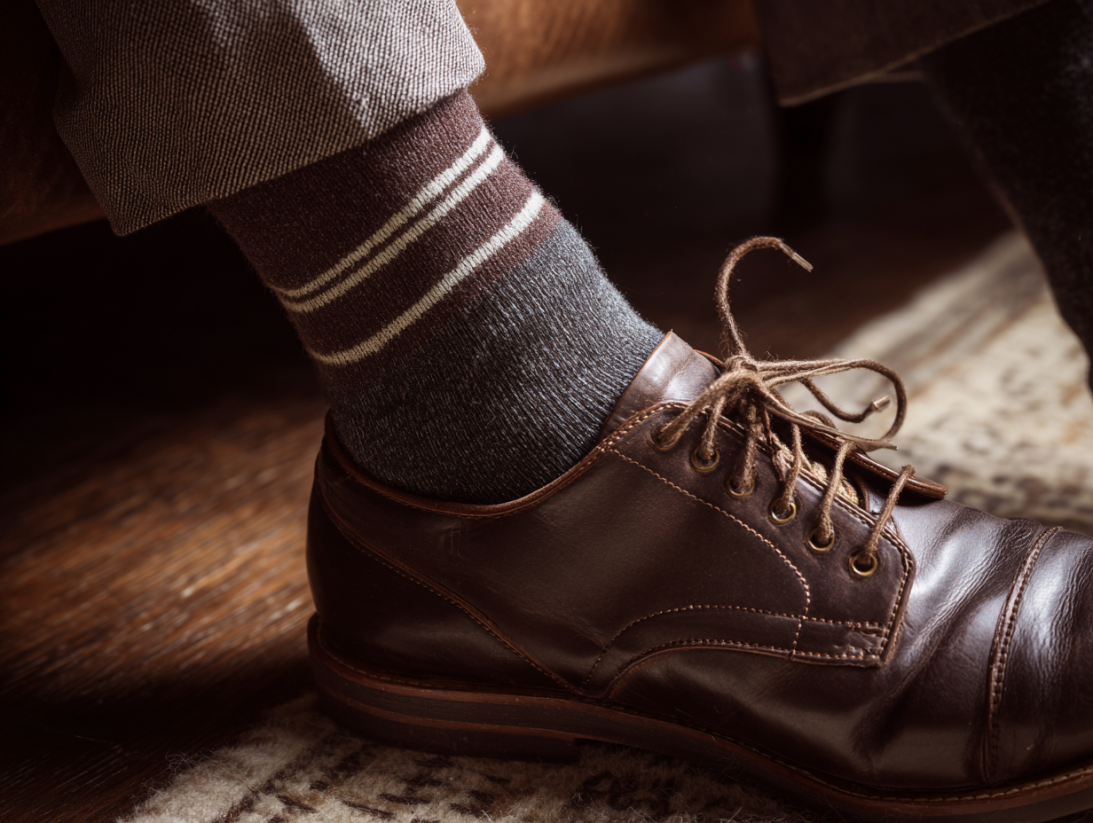
The Thick-Socks Method Is Still One of the Best Fast Fixes
If your shoes are only a little too snug, start with the least dramatic method first: thick socks and a short indoor wear session. It sounds almost too simple, but it works because it gently adds volume inside the shoe while letting the upper part start shaping around your foot. This is especially useful for leather shoes, boots, and other pairs that are stiff but basically the right size. Put on thick cotton or wool socks, wear the shoes around the house for about 20 to 30 minutes, and give your feet time to test the pressure points without committing to an all-day suffer-fest.
While you are wearing them, actually move. Walk around. Go up and down the hallway. Flex your feet. Sit for a minute, then stand again. You are trying to encourage the shoe to relax in the places where it feels snug, not just bake your feet in place like little misery dumplings. Brands that regularly deal with break-in issues recommend short wear sessions rather than a long one, because gradual shaping is less likely to leave you with blisters and regret.
One warning: do not keep going if the tightness turns into numbness, sharp pain, or toe crunching. If the shoes still feel very tight after a short session, move on to a more targeted method instead of just trying to overpower the problem.
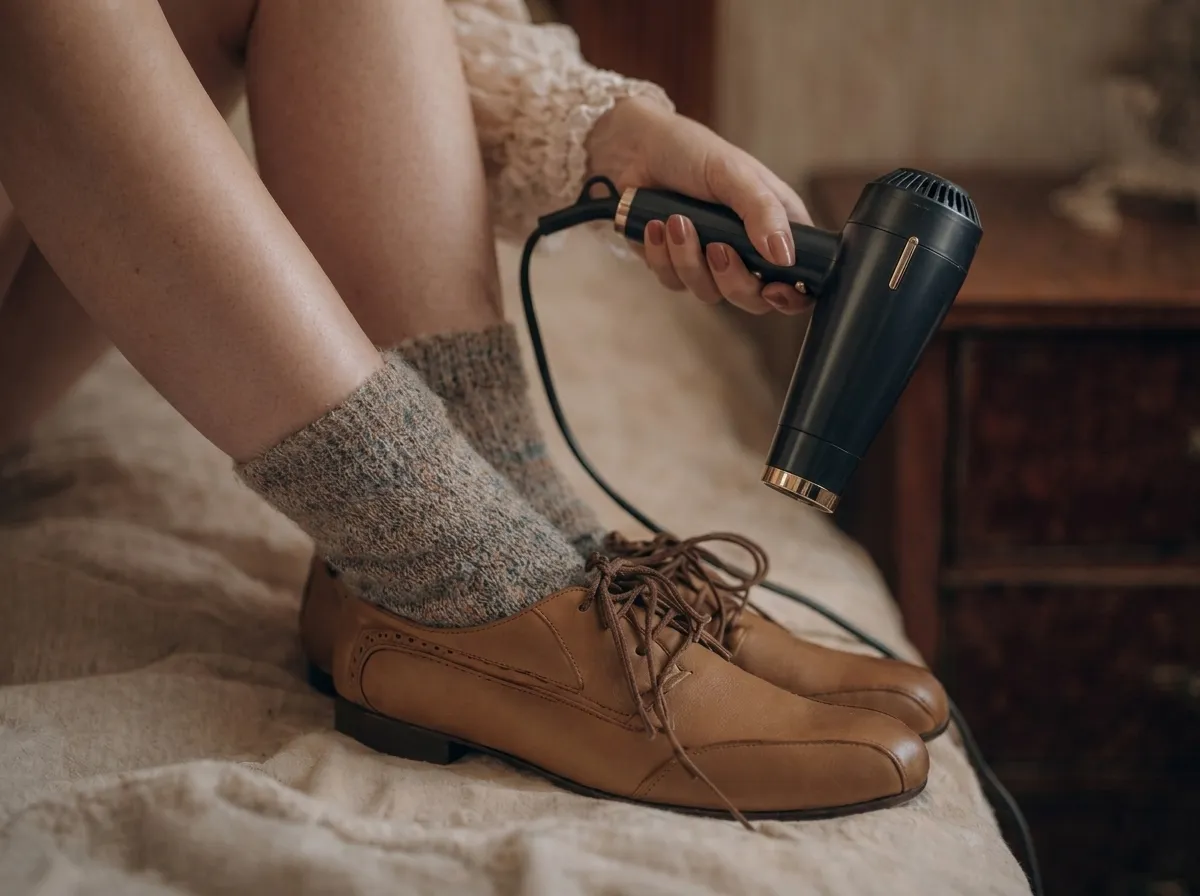
The Hairdryer Trick Can Help — But Only If You Use It Carefully
This is the quick fix people love because it feels satisfyingly dramatic: thick socks on, shoes on, and use the hairdryer all over your feet. And yes, for leather shoes, a little low heat can help soften the material enough to encourage a small stretch in the tight spots. A major footwear brand recommends using a hairdryer on low heat for about 20 to 30 seconds over the pinching area while wearing the shoes, then walking around until the leather cools so it keeps that adjusted shape. Used carefully, this can give fast relief when the issue is mild, and the material is genuine leather.
But here is the grown-up caveat nobody tells you in the viral hacks: heat is not magic, and even shoe brands disagree on how useful it really is long term. Dr. Martens, for example, notes that heat may soften leather briefly, but is not a true miracle fix once the shoe returns to room temperature. So think of this method as a nudge, not a total transformation. Great for a stubborn pinch, not great for shoes that are plainly the wrong fit.
And please do not blast patent leather, vinyl, or many synthetic shoes with heat just because a social post made it look easy. Non-leather materials can warp, crack, bubble, or damage the glue holding the shoe together. If your pair is shiny, plastic-feeling, or labeled synthetic, skip the dryer and use a safer option instead.
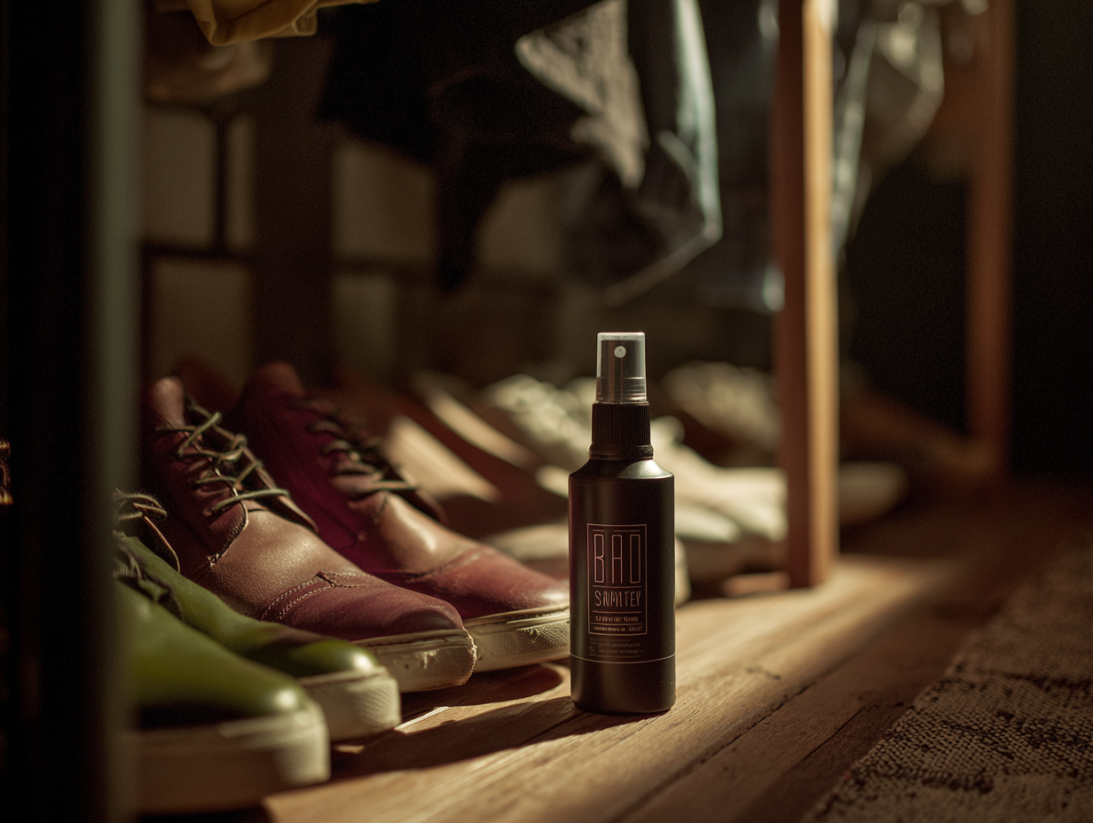
Stretch Spray Is the Best “I Need Results Fast” Upgrade
If you have a leather or suede pair that is just a bit too snug, a proper stretch spray is one of the fastest ways to make a home fix work better. These sprays relax the fibers, so the material becomes more pliable while you wear the shoe. The usual routine is simple: test the product on a hidden area first for color safety, spray lightly inside the tight spot, put on thick socks, then wear the shoes right away and walk around while the material dries. That whole process can fit neatly into half an hour.
This method is especially handy when the problem is not the whole shoe, but one irritating zone: the toe box, the instep, or that one side seam that seems personally offended by your existence. Because the spray softens a specific area, you can be much more targeted than with “just wear them and hope.” It is one of the easier ways to get a custom-feeling adjustment without marching your feet straight into blister territory.
The big limitation is material. Stretch sprays are generally meant for leather and suede, not vinyl or many synthetics. Some synthetic shoes simply do not stretch much at all; they mostly keep their shape, and forcing them can crack the upper or weaken adhesives. So if the shoe is faux leather or very plasticky, save your money, skip the spray, and decide whether the pair deserves a return instead.
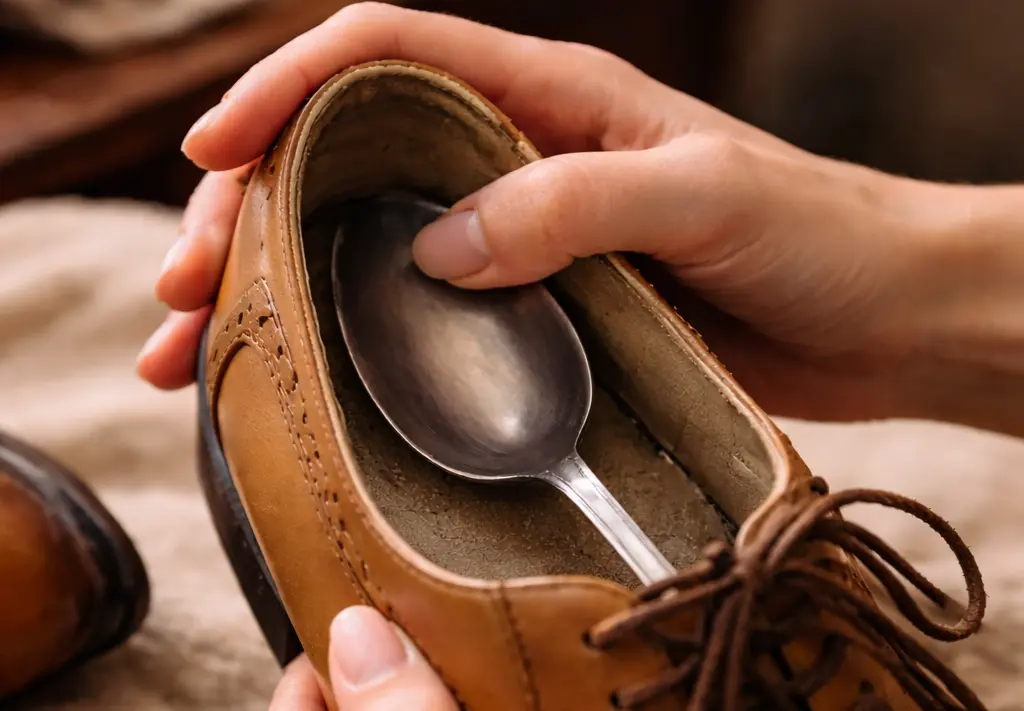
Fix the Exact Spot That Hurts Instead of Attacking the Whole Shoe
A lot of tight-shoe misery comes from treating the whole shoe like the enemy when really it is just one annoying hotspot. If the back of the shoe is rubbing against your skin, you do not need to stretch the toe area. You need to loosen and soften the heel area. One simple trick recommended by boot brands is to use a large spoon to gently work the heel or another stiff section from the inside. It helps relax that stubborn structure without soaking or overheating the entire shoe. For leather pairs, you can also massage the upper with your hands to soften it before a short wear session.
If your heel is the main drama queen, heel grips can help immediately by reducing friction while the rest of the shoe softens up. It solves the real-life problem of getting through the day. And if the upper just needs help holding a slightly roomier shape after your quick stretch session, stuffing the shoes with rolled socks, newspaper, or another mild filler while they rest can keep the material working in your favor.
The best results usually come from combining methods, not betting your whole future on one hack. For example: massage the leather, do 20 minutes in thick socks, then stuff the shoes while they cool and rest. That is still a very manageable at-home fix, and it is much kinder to both your feet and your shoes than using brute force in one intense session.
When to Stop, Return Them, or Call a Cobbler
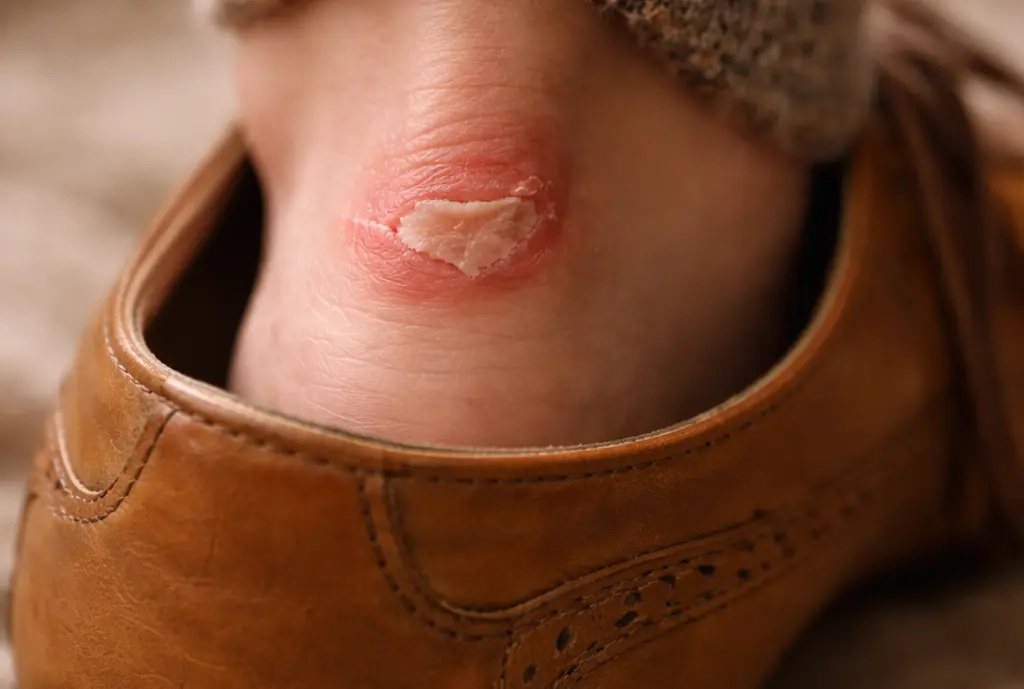
Here is the truth nobody wants when they are staring at a beautiful pair of shoes that hurt: some shoes should not be stretched at home because they are simply wrong for your feet. If your toes are pressed into the front, the shoe is too short. If you are getting sharp pain, repeated blisters, corns, calluses, heel rubbing that will not calm down, or toenail pressure, you are no longer “breaking them in.” You are auditioning for avoidable foot problems. Medical foot organizations specifically flag poor fit as a cause of blisters, corns, calluses, and toenail issues, and they advise getting footwear checked if pain starts affecting daily life.
If you have diabetes, numbness, or reduced circulation, properly fitted shoes matter more than clever hacks, because you may not notice injury early. Foot specialists recommend regular inspection, properly fitted shoes, and medical attention for symptoms rather than trying to self-manage pressure spots that could turn serious.
So here is the practical rule: stretch slightly snug shoes, not painfully tight shoes. If the pair is leather and only a little tight, you have a real chance. If it is synthetic, very tight, or too short, your smartest move is usually to return it, exchange it for a wider fit, or take it to a cobbler for targeted stretching. Sometimes the best shoe hack is knowing when to stop pretending a bad fit is a personal growth opportunity.
Source: https://www.tips-and-tricks.co/do-it-yourself/shoestretch/