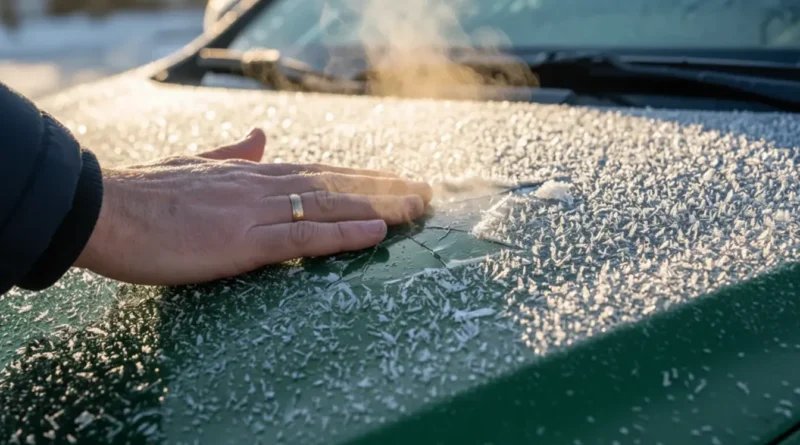
A Tap on the Hood Before Starting Can Prevent Serious Mechanical Damage and Animal Suffering in Winter
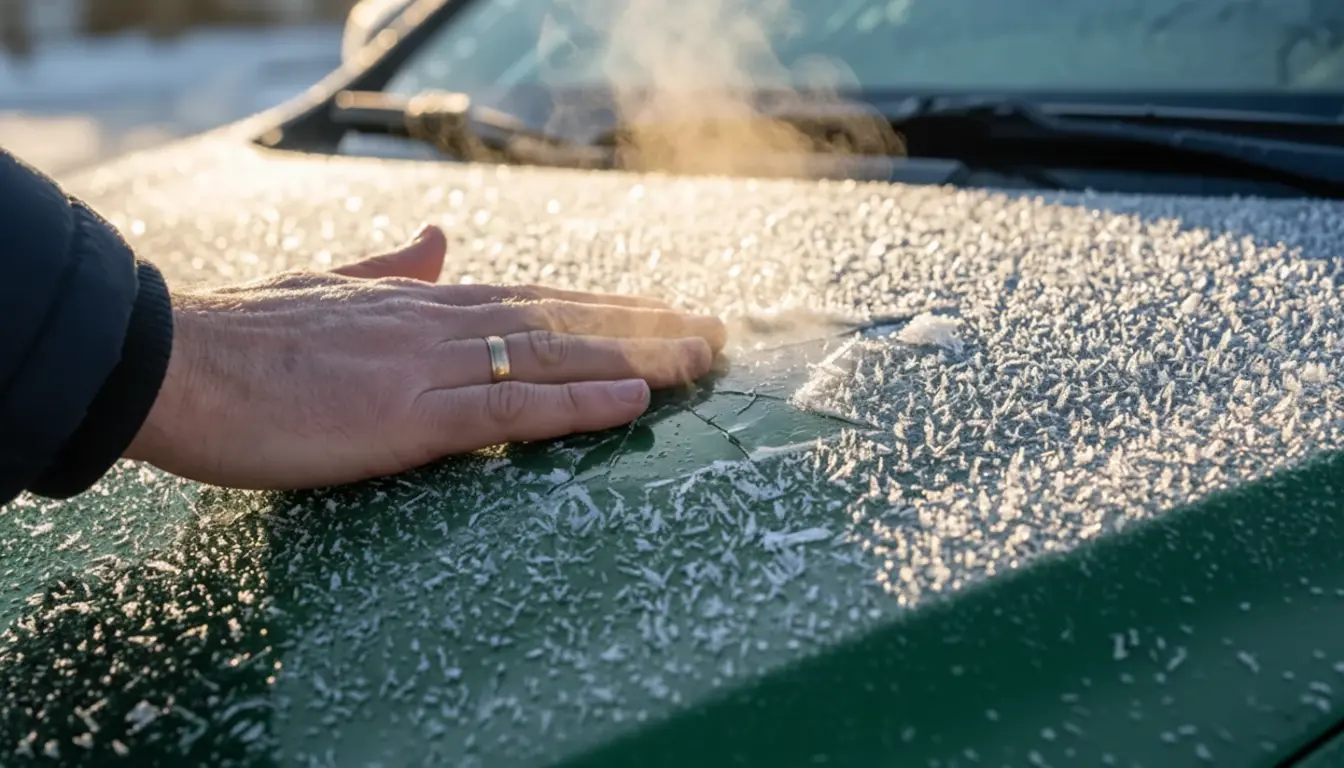
It’s a small effort that takes less than a second and costs nothing. Yet this simple action can make the difference between a safe drive to work and a traumatic morning with a repair bill running into thousands of euros. In winter, a parked car can turn into an irresistible trap for animals—with serious consequences.
When temperatures dip below zero, most drivers focus on scraping ice off their windows. However, there is a danger hidden from view, lurking in the warmest and driest place outdoors: the engine bay.
Read more to find out what you can do about it:
The Attraction of Residual Heat
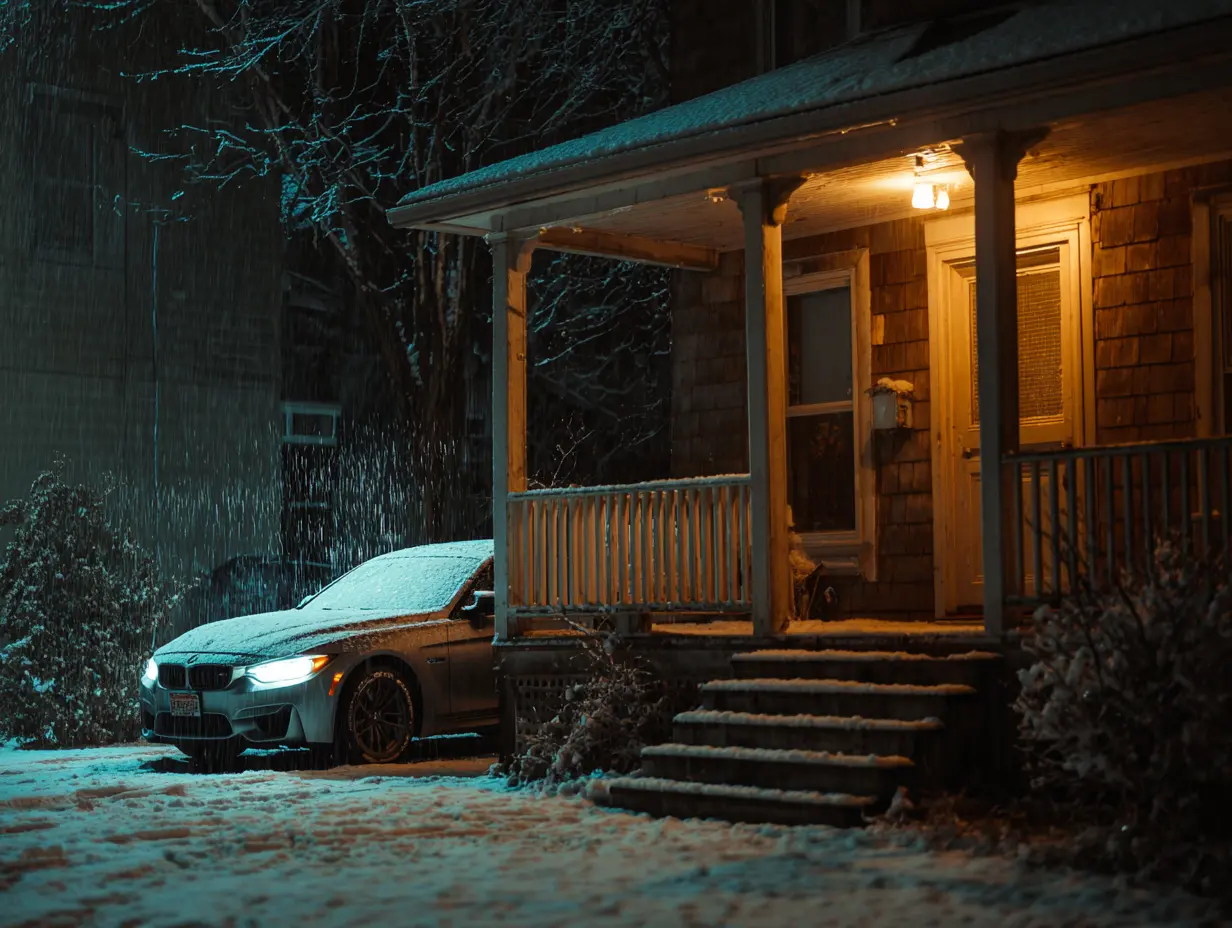
After a car is parked following a drive, the engine block continues to radiate heat for hours. For humans, this is merely residual energy—but for local wildlife, it’s a five-star hotel. In a frozen world, the insulated space under the hood becomes a perfect incubator: dry, sheltered from the wind, and comfortably warm.
Cats in particular—but also squirrels and rats—crawl up through the wheel arches or from underneath the chassis to nest on or next to the engine block. They often fall into a deep sleep there. The problem arises when the owner, unaware of what’s happening, gets in the car the next morning and presses the start button.
The Stone Marten: Public Enemy Number One

Beyond household pets, there is an even greater threat to the car’s mechanics: the stone marten. This predator has become a real nuisance across large parts of Europe. Martens don’t just seek warmth; they also display territorial behavior. If a marten smells a rival in “its” car, it attacks. In its fury, it bites anything it can reach.
This is where a bit of technical knowledge comes in. Much of the wiring in modern cars contains components made from soy or fish oil. To a marten, this is irresistible. They chew through ignition cables, bite into coolant hoses, and destroy the insulation under the hood. A chewed-through coolant hose can cause the engine to overheat and blow a head gasket—a repair that quickly becomes very expensive.
The Serpentine Belt
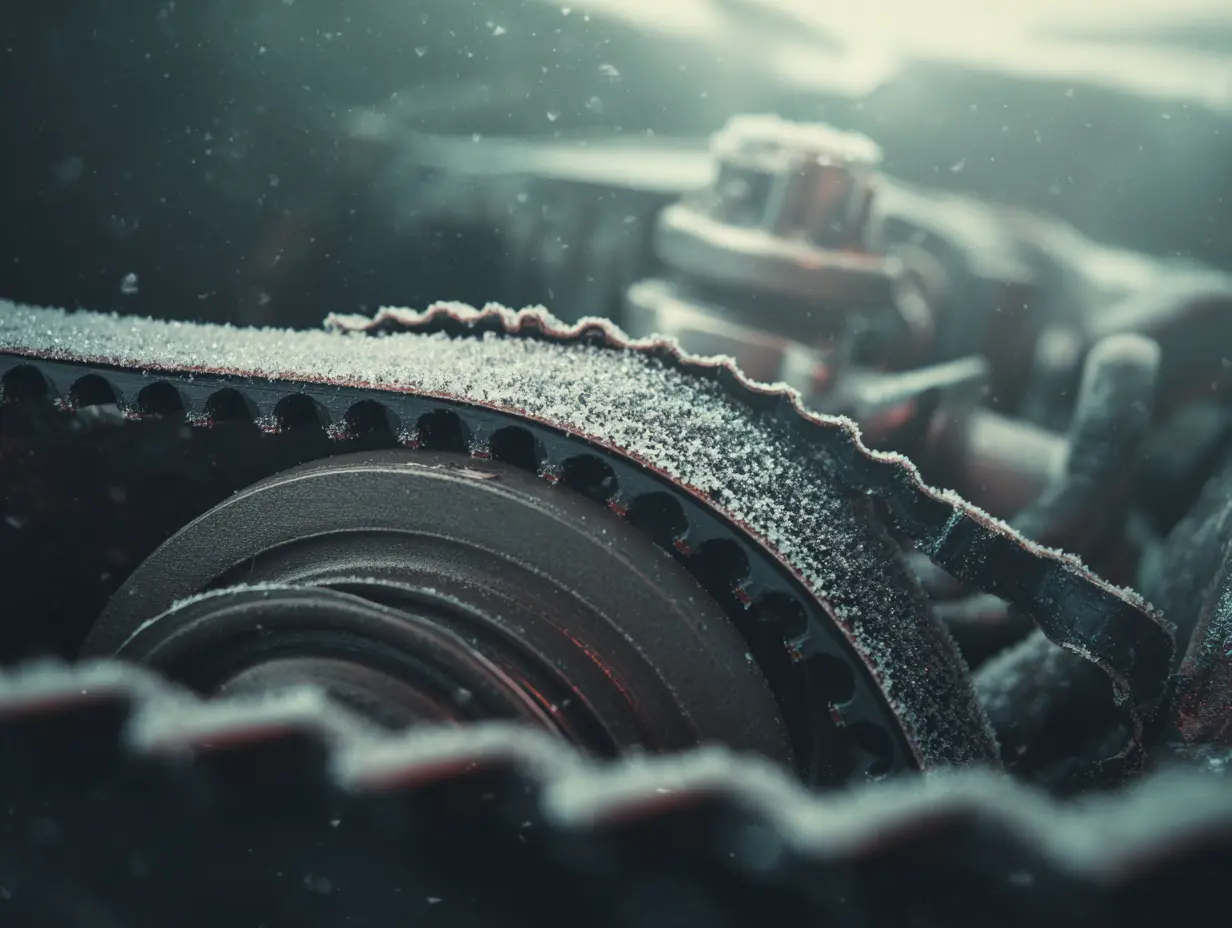
The greatest danger, however, lies in the moving parts. If an animal—whether a cat or a marten—is sleeping near the serpentine belt or the timing belt, the consequences when the engine is started are catastrophic. The belt can catch the animal, which is fatal not only for the animal but also for the engine.
There are countless cases in which the remains of an animal caused the serpentine belt to slip off its pulleys. In the worst cases, fragments of the belt can end up behind the timing belt cover. If the timing belt jumps or snaps as a result, the valves collide with the pistons. The result is an engine destroyed from the inside. Repair costs for an overhaul or replacement engine range from three thousand to ten thousand euros.
The Preventive Tap

The solution is as simple as it is effective. Before getting in the car, give the hood a few firm taps with the flat of your hand. Not so hard that you dent it, but hard enough to create vibrations and noise in the engine bay. This startles any sleeping animal and gives it a chance to escape via the wheel arch.
If you want to be extra sure, wait a few seconds after tapping or briefly honk the horn before starting the engine. It may be a primitive method in an age of high-tech sensors, but it’s the only way to be certain you’re not unintentionally ending an animal’s life—or destroying your own engine. For those who frequently have problems with martens, there are more advanced solutions such as ultrasonic repellents or electric contact plates, but the free tap on the hood remains the first line of defense.
It may sound like superstition, but any mechanic who has had to remove the sad remains of an animal from an engine bay will confirm that this ritual is a bitter necessity. It prevents animal suffering, saves a lot of mess, and protects your wallet from unnecessary expenses.