This Is What the Yellow Cloth and Other Secret Signals from Motorcyclists Mean
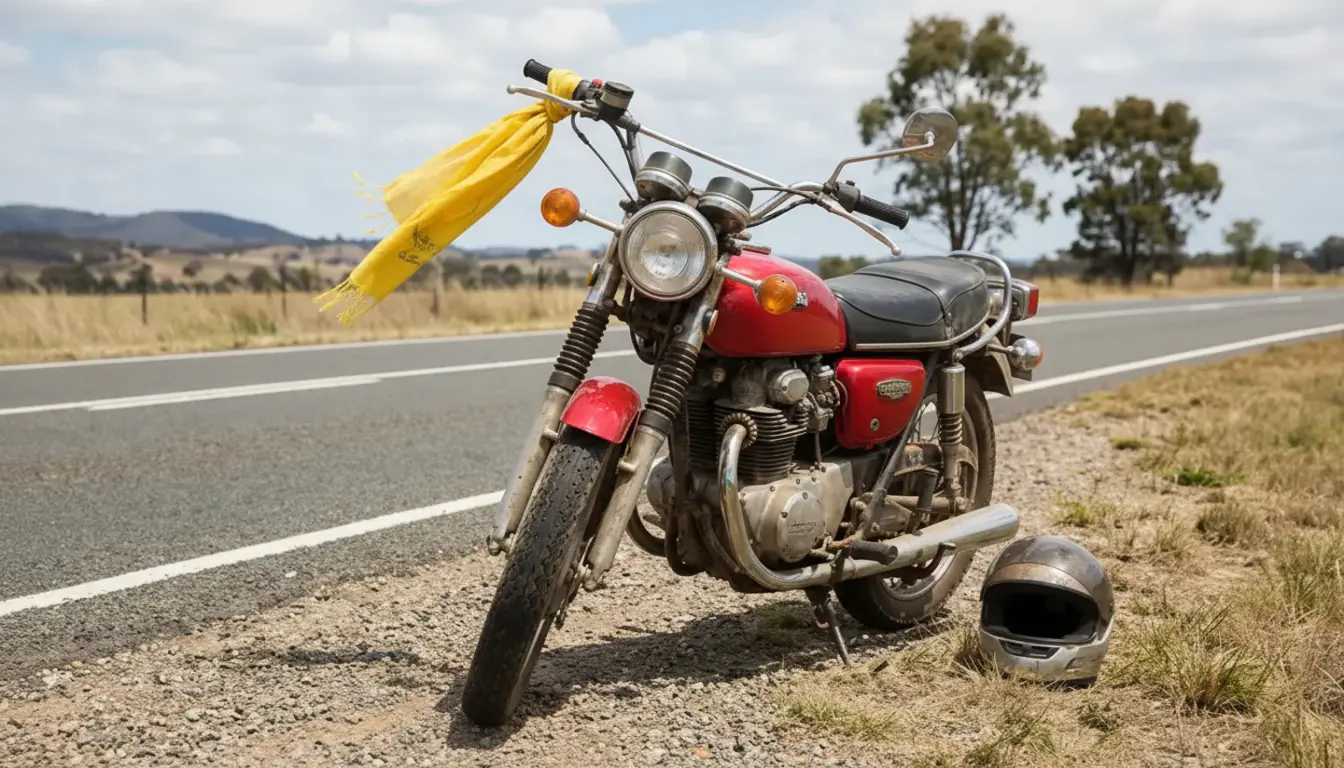
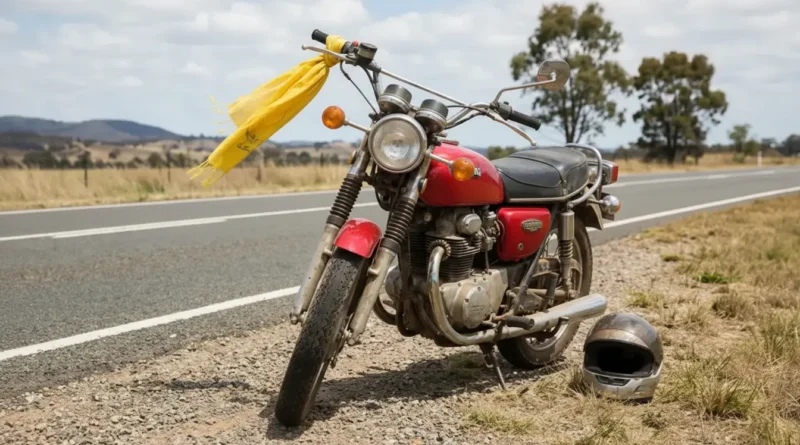
You’re driving on the highway and notice a motorcyclist standing by the roadside with a yellow cloth tied to his handlebars. Or one rides toward you and taps the top of his helmet.
Do you think he’s taking a break or has an itch? Wrong. In the motorcycle world, these are universal signals—and if you ignore them, you might leave someone in need behind or drive straight into trouble.
Head to the next page to find out what it really means:
The Secret Language of Motorcyclists
Car drivers often have no idea about the codes motorcyclists use among themselves. The waving, the foot sticking out—it’s all part of it. But according to the French website L’Internaute, the yellow cloth (or ribbon) on the handlebars is not a greeting, but a silent cry for help.
Especially in Central Europe and Scandinavia, this is the way to indicate you’ve broken down, run out of fuel, or need medical assistance. Yellow was chosen because it stands out, even in bad weather or at dusk. It simply means: “I’m not standing here for fun—help me.” Motorcyclists are known for their solidarity, but if you, as a driver, don’t recognize this signal, you may be passing someone who has already been waiting for hours.
Helmet on the Ground? Stop!
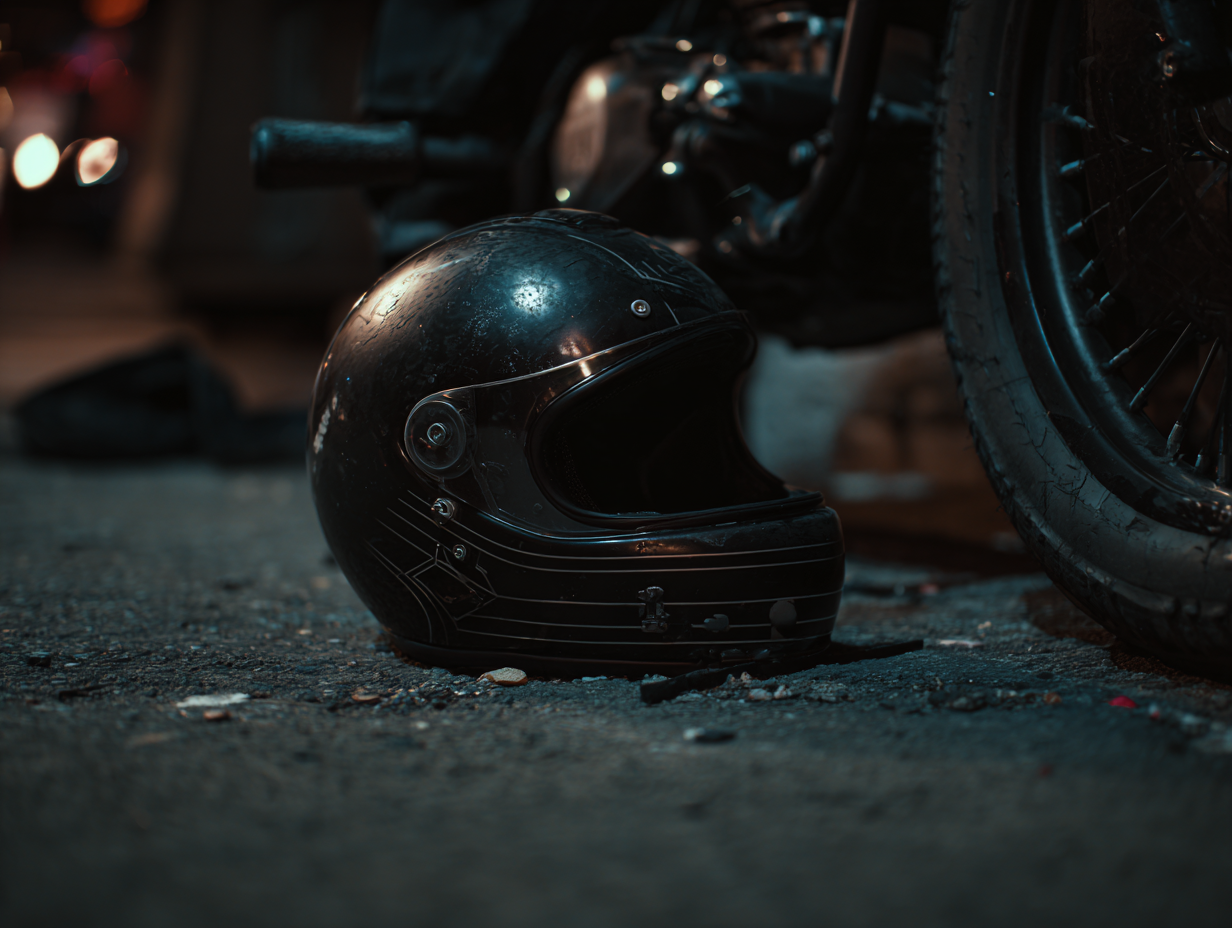
There’s another variant you should know, especially if you’re driving in countries like Spain. Do you see a motorcyclist who has placed his helmet on the asphalt behind his bike? That’s not carelessness—it’s another distress signal. A helmet on the ground means: “I need help.”
These are unwritten rules that can save lives. So the next time you see a yellow cloth fluttering or a helmet lying on the shoulder, don’t be a jerk. Stop for a moment to ask if everything is okay, or at the very least call 112 if the situation looks serious. You’d want someone to do the same for you if you had a flat tire in the middle of nowhere.
Waving Both Arms Means Trouble

One final tip for attentive road users: pay attention to body language. Someone cheerfully waving with one hand is probably just greeting you. But someone standing by the roadside and waving both arms up and down (like a bird) is trying to warn or stop you.
This is the international signal for an emergency or a dangerous obstacle ahead. If you see this, slow down and stay alert—something is seriously wrong.
Also Check for Stickers on the Helmet
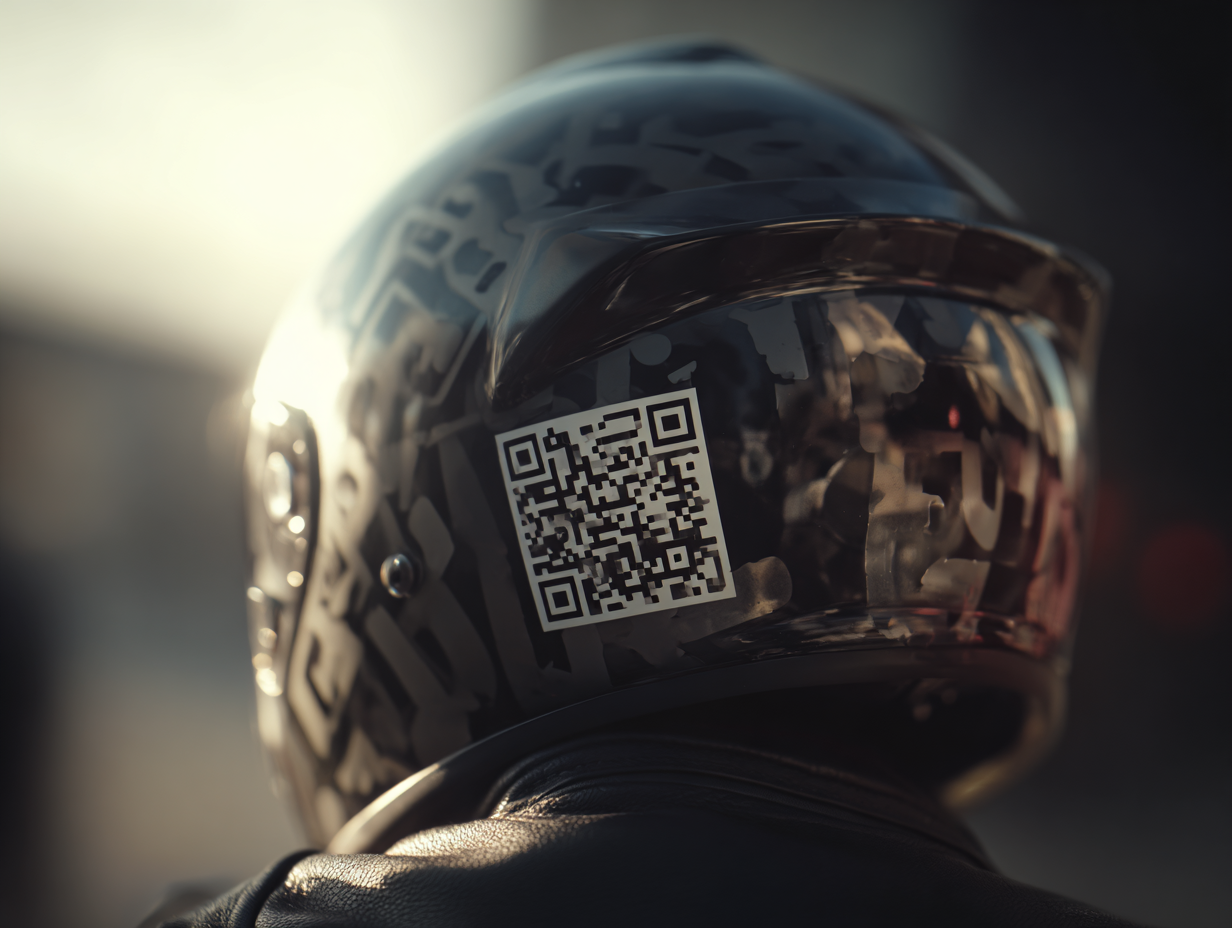
There’s another detail you should look for if you stop to help a motorcyclist. Many riders place an ICE sticker (In Case of Emergency) or a QR code on their helmet. If the motorcyclist is unresponsive, this can provide crucial information about blood type, allergies, and emergency contacts.
This system is becoming increasingly popular in France and Belgium. So if you stop at an accident and the rider is unconscious, look at the helmet. Never remove it (unless you’re trained or breathing has stopped), but search for that sticker. It could make the difference between life and death before emergency services arrive.
Tapping the Helmet: Police Ahead

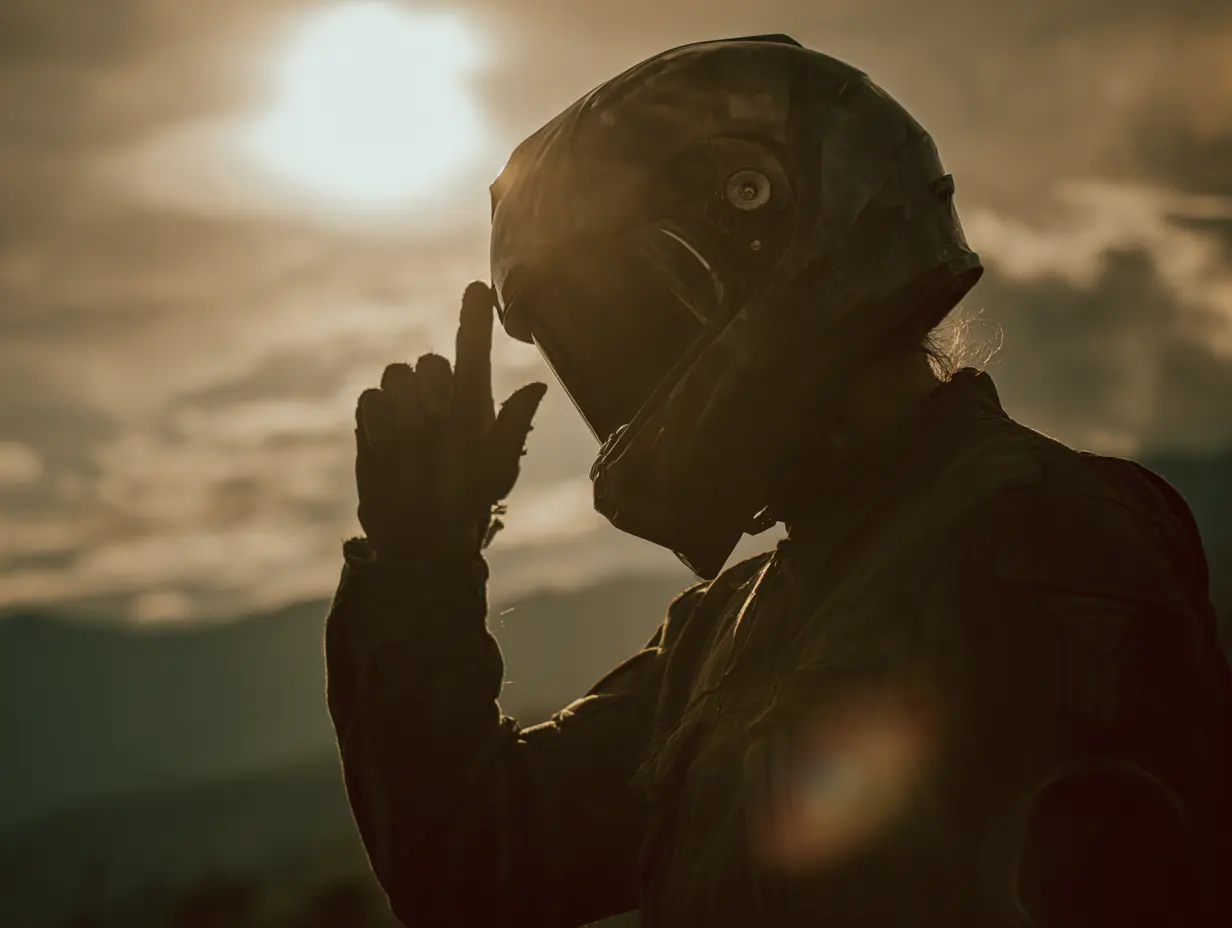
Do you see an oncoming motorcyclist tapping the top of his helmet with a flat hand? Slow down immediately. This isn’t a greeting, and he doesn’t have an itch. In the motorcycle world, this is the universal warning signal for “Police or speed cameras ahead.”
It’s a friendly heads-up that enforcement is happening further down the road. Car drivers flash their headlights; motorcyclists tap their “roof.” Ignore it, and there’s a good chance an unpleasant fine will be waiting for you a few kilometers ahead.
The Extended Leg: A Thank You

Another signal that often confuses drivers: you overtake a motorcyclist or make space in traffic, and he sticks out his right leg. Is he angry? Trying to kick? No.
Because a motorcyclist needs his right hand for the throttle, he often can’t wave to say thanks. The extended leg (the “foot”) is the motorcycle equivalent of a raised hand. He’s simply thanking you for letting him pass. No aggression—just good manners.
Source: https://www.tips-and-tricks.co/online/yellowbikecloth/