He Rented the Cheapest Car on the Lot. See What He Found in the Glove Compartment…
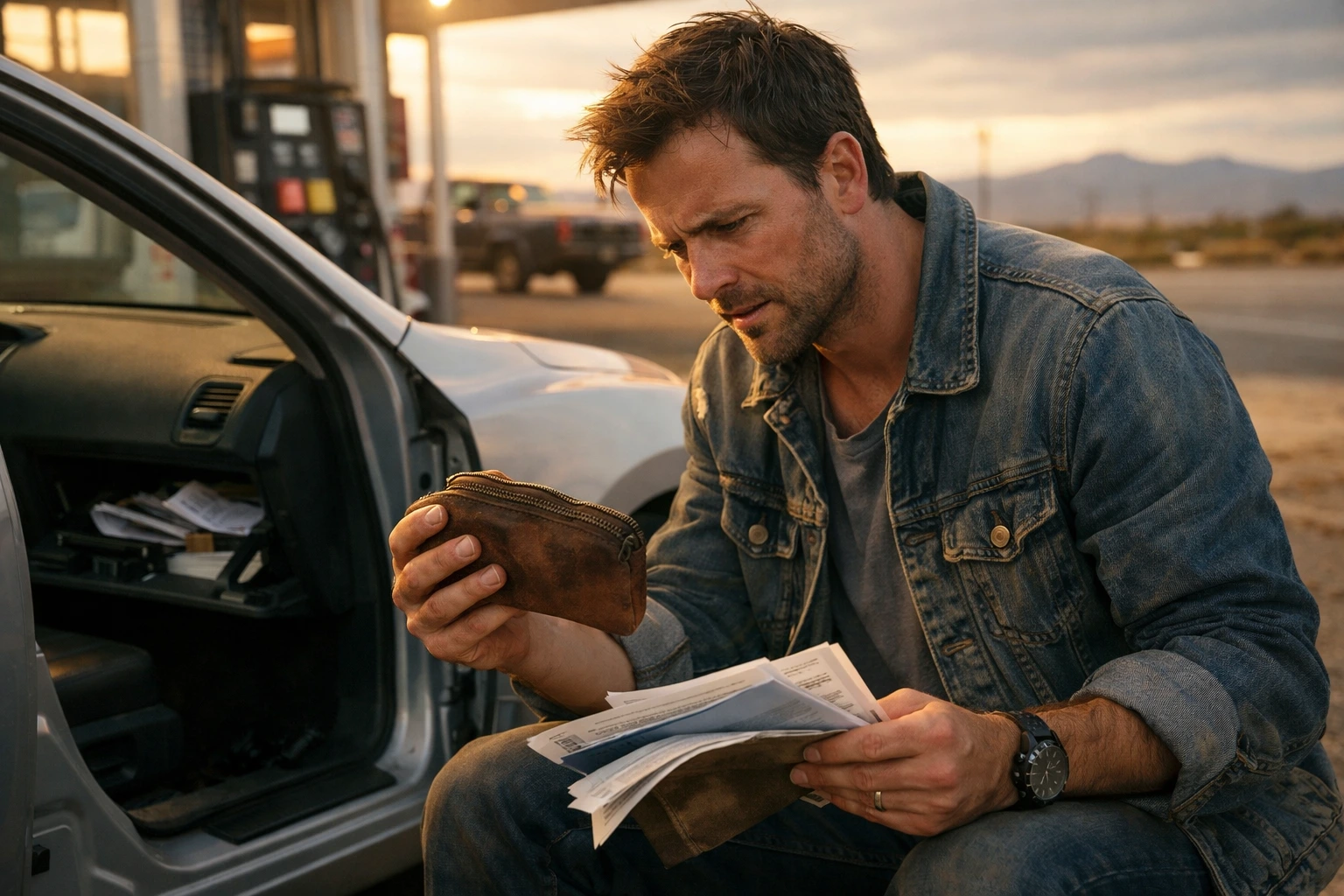
Daniel Mercer only rented the car because his own hatchback had decided to die on a Tuesday, which felt like the most insulting day for a breakdown. Not dramatic enough to justify panic, not quiet enough to deal with later. He had a three-hour drive ahead of him, a folder of invoices on the passenger seat, and just enough money in his account to make the rental feel like a bad joke. The silver sedan he was given was clean, ordinary, and a little older than the glossy vehicles shown on the company’s website. Still, it smelled faintly of lemon cleaner, the tank was half full, and the clerk slid the keys over with the bored confidence of someone who had done this a thousand times.
An hour into the drive, Daniel stopped at a gas station to grab coffee. When he got back in, he noticed the glove compartment hanging open by a few inches. He pushed it shut once, twice, then harder. It clicked, then popped back open again. Muttering under his breath, he crouched toward it and pulled out the owner’s manual, insurance papers, and a crumpled local road map that looked older than the car itself. Something behind the packet was catching the hinge. He reached in deeper, fingertips brushing felt, and tugged at what felt like a small pouch jammed into the back corner.
It was dark brown, soft with age, and no bigger than a folded wallet. Daniel almost shoved it back. People forgot chargers, sunglasses, parking stubs. That was normal. But this pouch had weight to it, the kind that made him pause. Standing there between the pumps, coffee cooling in one hand, he looked around the empty forecourt and felt the faintest shift in the day, as if something routine had just gone slightly off script.
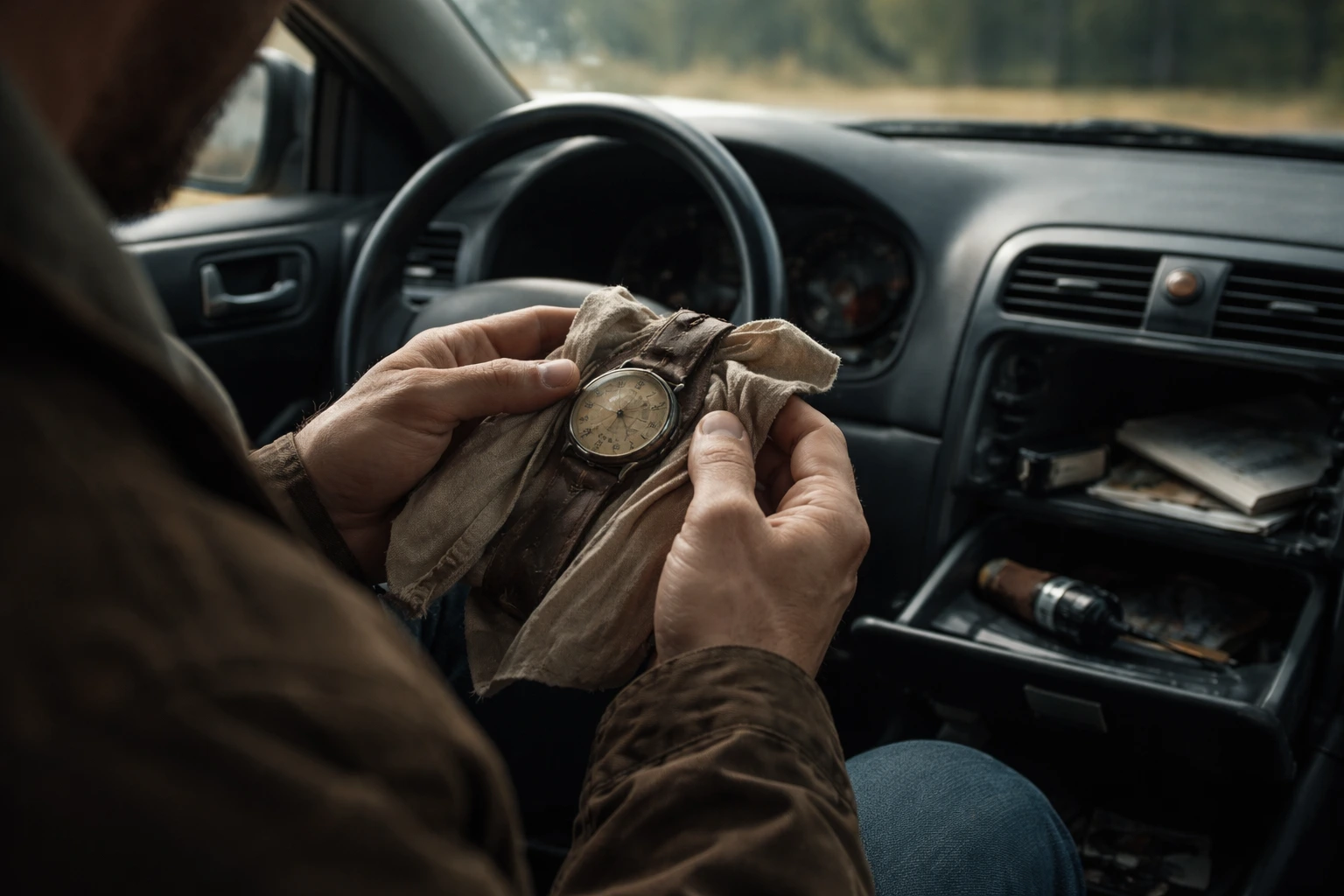
He did not open the pouch immediately. For ten more minutes, it sat on the passenger seat while he drove, as if ignoring it might return the day to normal. But curiosity is stubborn when it has actual weight. At the next rest stop, Daniel parked under a line of bare trees, switched off the engine, and finally unzipped it. Inside was a wristwatch wrapped in a faded microfiber cloth. At first glance it looked old rather than impressive. The crystal was scratched. The leather strap had been replaced at some point with a generic brown one. There was no shine, no dramatic sparkle, nothing that screamed money.
Still, the dial had a quiet seriousness to it. Cream-colored face. Black subdials. Metal pushers worn smooth by time. Daniel turned it over and saw the caseback had tiny nicks around the edges, as if someone had opened it before. He was no collector, but he knew enough to recognize that it was not a department-store piece. It felt dense in his palm, precise in a way cheap watches never did. He checked the pouch again, expecting perhaps a receipt or note, but there was only a folded slip of paper with half a name and part of a phone number so faded that neither could be read properly.
For a moment, he considered the easy option: take it back to the desk when he returned the car, let someone else deal with it, and forget the whole thing. But the more he looked at the watch, the stranger the situation felt. Why would something like this still be in a rental car? How many drivers had used this vehicle without noticing? And how long had that pouch been trapped behind the glove box, sitting inches away from strangers and waiting for one person to reach far enough?
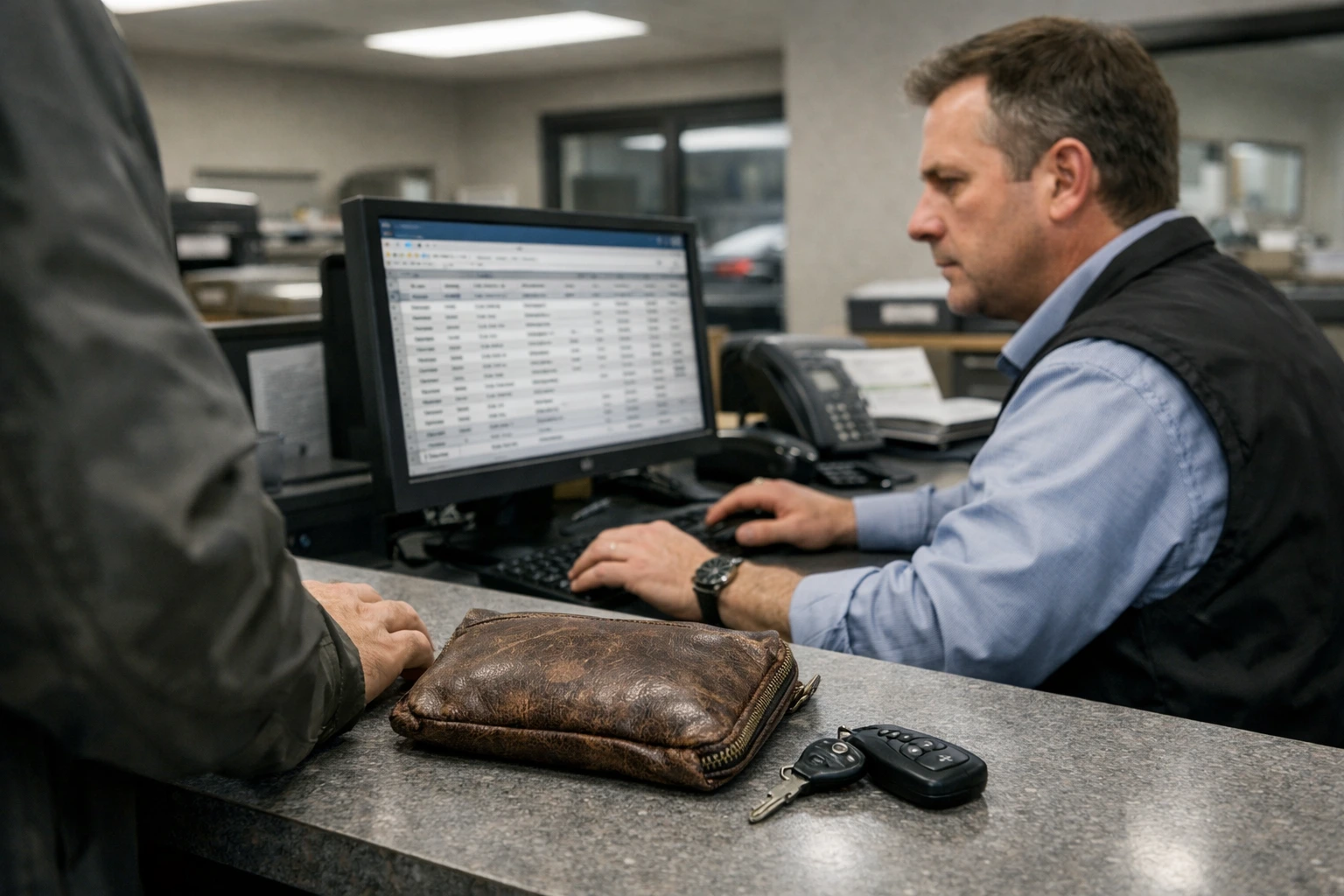
When Daniel returned the sedan the next morning, he did not simply hand the pouch over. He placed it carefully on the counter and asked for a written receipt. That was what changed everything. The young employee at the desk looked mildly annoyed at first, then intrigued. She called over the branch manager, a square-shouldered man named Frank who had the alert expression of someone suddenly sensing paperwork. Frank examined the watch without touching it, listened to Daniel explain where he had found it, and then asked the kind of question that made Daniel uneasy: “Would you mind staying ten minutes?”
Ten minutes became forty. Frank pulled the vehicle record, then another. The sedan had not started life as a rental at all. It had entered the company’s fleet only eight months earlier as part of a package purchase from a regional leasing business that was clearing out older vehicles. Before that, it had reportedly belonged to an estate account, though the digital record was thin and the paper archive was off-site. The car had been cleaned, inspected, and rented repeatedly, but nobody had ever reported a missing watch. No recent customer complaint matched it. No staff member recognized it. Daniel watched the manager’s face shift from administrative caution to real curiosity.
Frank finally said what Daniel had been thinking since the rest stop: the watch might be valuable, or it might be nothing. Either way, they would need to document it properly. He typed up a report, had Daniel sign where and when it was found, and promised the company would contact previous record holders. Before Daniel left, Frank asked one more thing. A local horologist—a specialist who handled high-end and vintage pieces—worked two blocks away. Would Daniel be willing to join him there that afternoon so the discovery could be assessed and witnessed from the start? Daniel had planned to get back on the road. Instead, he found himself nodding yes.
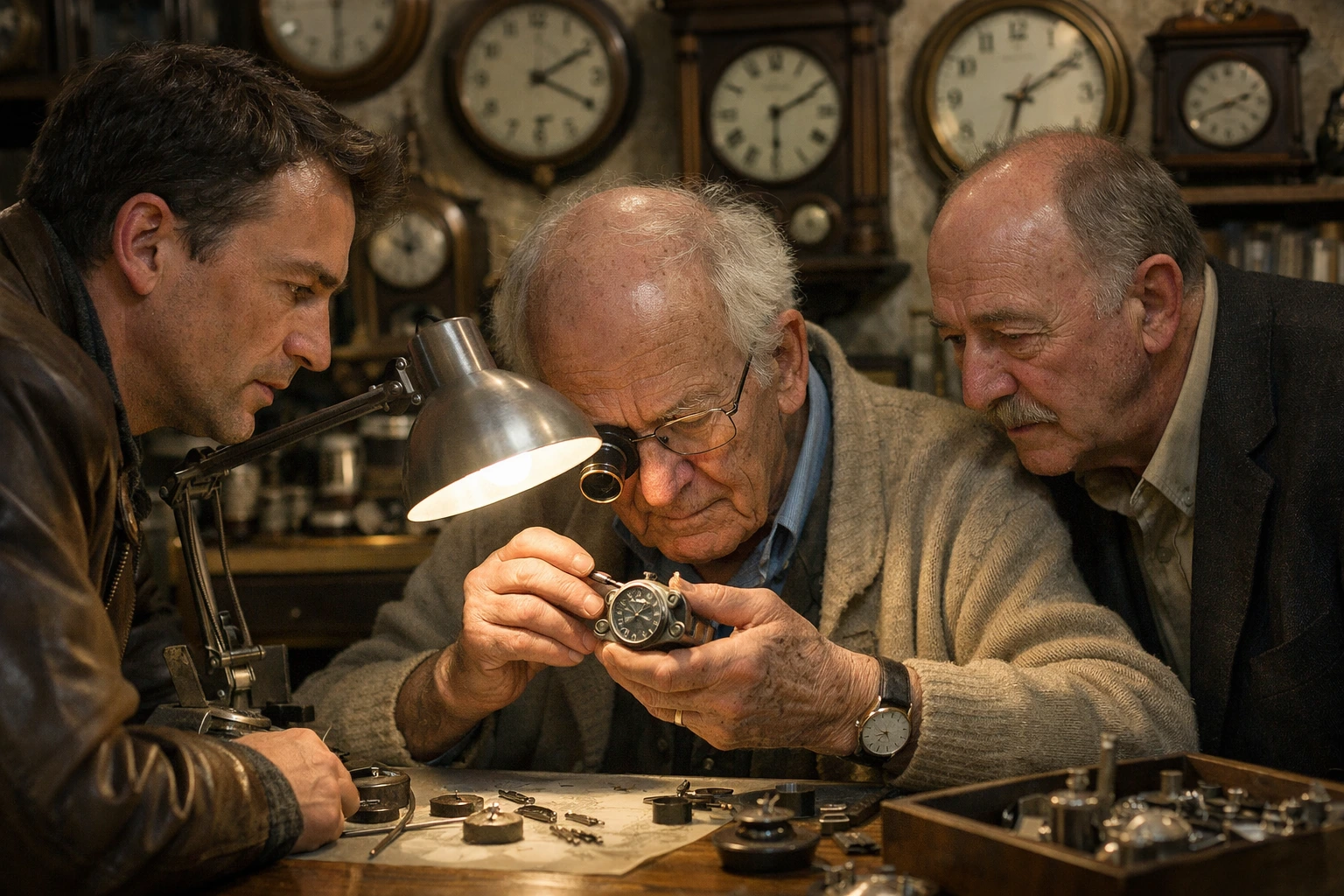
The specialist’s shop was narrower than Daniel expected, with old clocks ticking from every wall and a workbench lit by a single bright lamp. The horologist, a man in his late sixties with steady hands and magnifying loupes lined up like surgical tools, barely spoke for the first five minutes. He examined the dial, removed the strap, checked the reference and serial between the lugs, and opened the case with such calm precision that even Frank stopped fidgeting. Then he leaned back and let out a slow breath that seemed to change the temperature in the room.
It was genuine. More than genuine, it was important.
Not mint, not untouched, and certainly not perfect. But it was a rare manual-wind Rolex Daytona from the early 1970s, a model with the kind of collector demand Daniel had only heard about in passing. The replacement strap hurt nothing. The scratches were expected. The dial, movement, and case appeared original. Even in its worn condition, the watch could be worth well into six figures if authenticated fully and sold through the right auction house. Daniel actually laughed when he heard that, not because it was funny, but because his brain rejected it on impact. Six figures did not belong in the glove compartments.
What followed was less glamorous and more complicated. The rental company consulted an attorney. Notices were sent. The former leasing business was contacted. Archive records were pulled from storage. The estate reference was traced to a deceased businessman whose assets had been scattered years earlier. Family members were located, but none could prove ownership of the watch, and none even knew it existed. Weeks dragged into months. The watch sat in secure storage while experts verified every part of it. Daniel returned to ordinary life, except ordinary life now had one impossible object hanging over it like a second moon.
By the fourth month, Daniel had almost trained himself not to think about it. Then Frank called and asked him to come in. The attorney had finished the review. The company had done what it could: contacted prior businesses, traced the estate, notified possible heirs, and waited through the formal claim period. Nothing solid had emerged. The watch had never been listed as company inventory when the sedan entered the fleet, and no one had come forward with documentation strong enough to establish ownership. The rental agency, perhaps surprisingly, did not try to bury the matter in legal fog. Frank told Daniel that because he had reported the item immediately, cooperated throughout the process, and never tried to conceal the find, the company wanted to handle the sale transparently and share the proceeds with him.
Daniel stared at him for several seconds before asking the only sensible question: “You’re serious?”
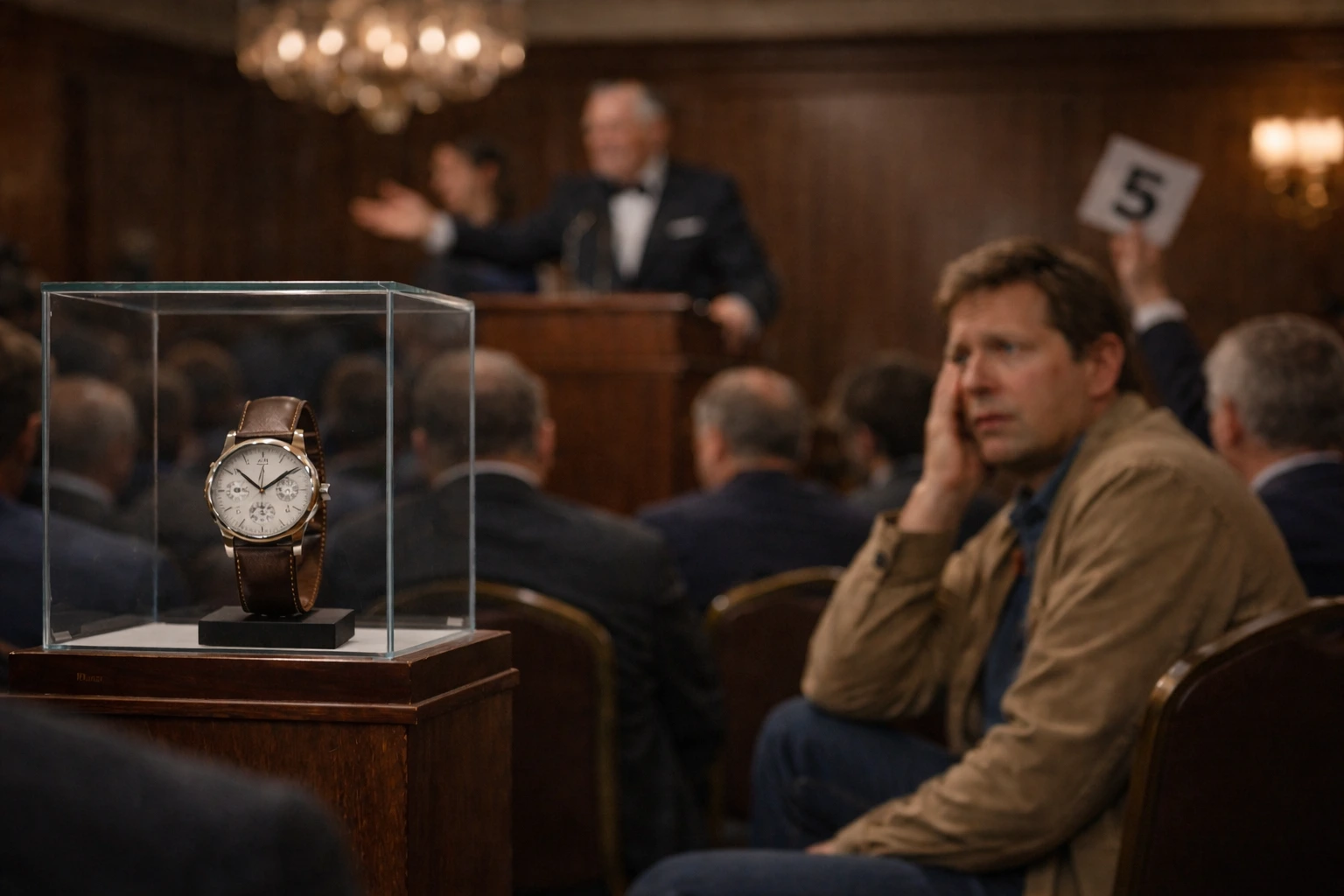
They consigned the watch to a respected auction house that specialized in vintage timepieces. The catalog photos made the scratched old object from the rest stop look almost regal. Bidding opened cautiously, then accelerated quickly. Collectors liked the model, the dial configuration, and the story did not hurt either. When the hammer finally fell, the price landed at $312,000. After commission, legal costs, and the agreed split, Daniel’s share came to a little over $146,000.
That kind of money does not make headlines in billionaire circles. But for Daniel, who had spent the year juggling repairs, late invoices, and the constant arithmetic of almost enough, it felt unreal. He paid off debt first. Then he replaced his dead car with one he actually owned. Then he put a down payment on a small townhouse with a narrow kitchen and a fig tree in the back garden. He kept waiting to wake up broke again. But the numbers stayed where they were.

The story might have ended there, but people rarely let stories like that rest. A local paper picked it up first, then a radio station, then one of those national websites that loves a headline with fate, luck, and money in the same sentence. Daniel hated the photos they chose of him, though he admitted the facts sounded better in print than they had in his own head. He made one point every time someone asked what lesson he took from it: the money came because he did not pocket the watch and disappear. Had he tried that, the piece would have been impossible to sell cleanly, and the whole thing might have become a legal nightmare.
Instead, the richest part of the story, at least in Daniel’s view, was how close he had come to missing it entirely. If the glove compartment had latched properly, he never would have touched the papers. If he had chosen a different rest stop, he might not have opened the pouch until later, or maybe not at all. If he had been in more of a hurry, he could have shoved the manual back in place and driven on. For months afterward, he caught himself glancing into every rental glove compartment with a half-smile, not because he expected lightning twice, but because he now understood how easily a life can tilt on something small and overlooked.
He still tells the story carefully, without pretending it turned him into a magnate. It did not. What it did was simpler and, somehow, better. A forgotten object, an honest decision, and one very strange afternoon gave him breathing room for the first time in years. Sometimes that is what “rich” really means.
Source: https://www.tips-and-tricks.co/various/glovecompartmentfortune/