The Kitchen Trick That’ll Save You Time and Effort: Never Peel an Egg the Hard Way Again!
The Breakfast Battle We’ve All Lost
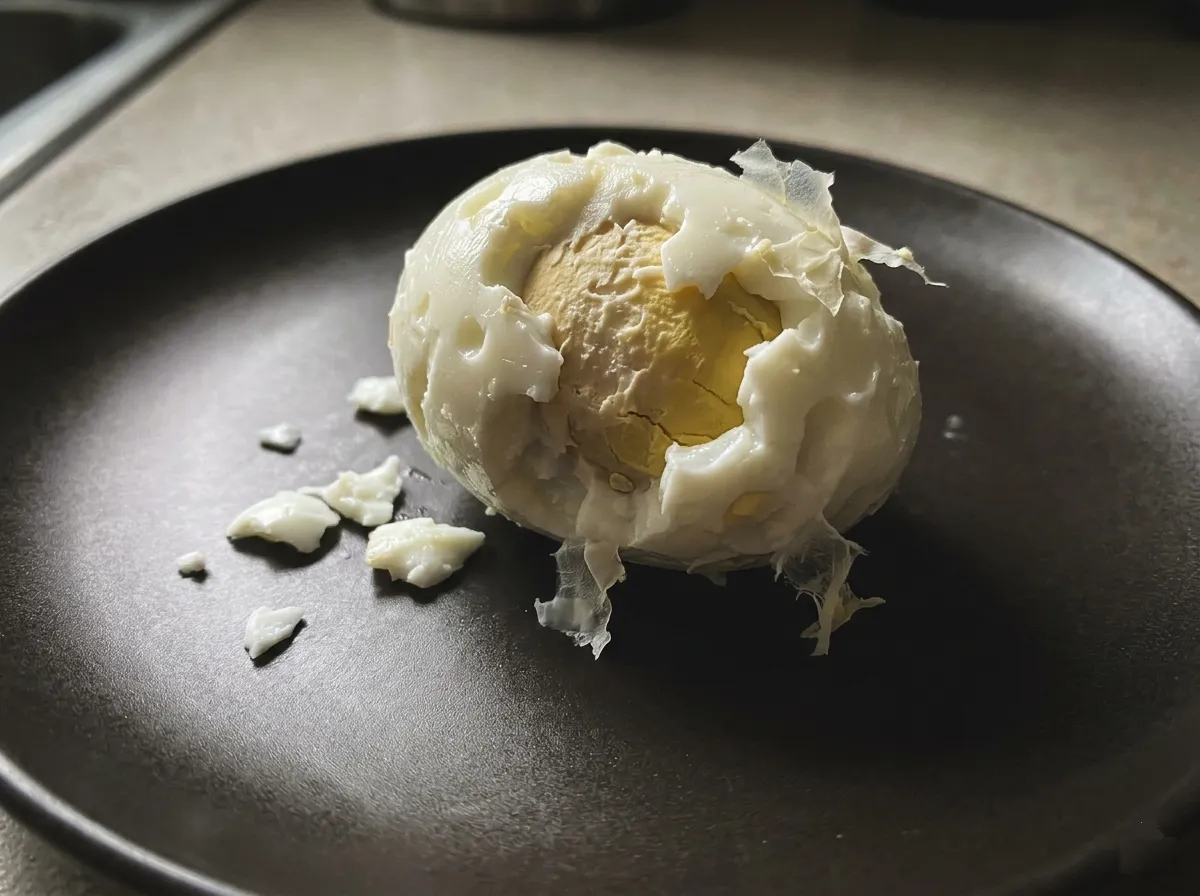
We have all been there. It is a slow Sunday morning, and you have just perfectly soft-boiled a batch of farm-fresh eggs for your avocado toast. You are hungry, the coffee is brewing, and everything seems perfect—until you try to peel that first egg. You start at the base, picking at a tiny shard of shell, only to realize that the membrane is fused to the white. Suddenly, you aren’t just peeling an egg; you are performing surgery. Pieces of the delicate whites are coming off with the shell, leaving you with a pockmarked, cratered mess that looks more like a golf ball than a gourmet meal.
It is one of the most frustrating minor inconveniences of modern life. You try the “under cold running water” trick, you try the “starting from the fat end” trick, and you even try that weird blowing-it-out-of-the-shell thing you saw on TikTok once. Nothing works consistently. Most of the time, you end up with shell under your fingernails and a bowl full of mangled protein. But what if I told you there is a method so simple, so fast, and so consistently perfect that it feels like a magic trick? No more picking, no more craters, and no more frustration. Are you ready to change your breakfast game forever?
The Secret Ingredient is… A Glass?
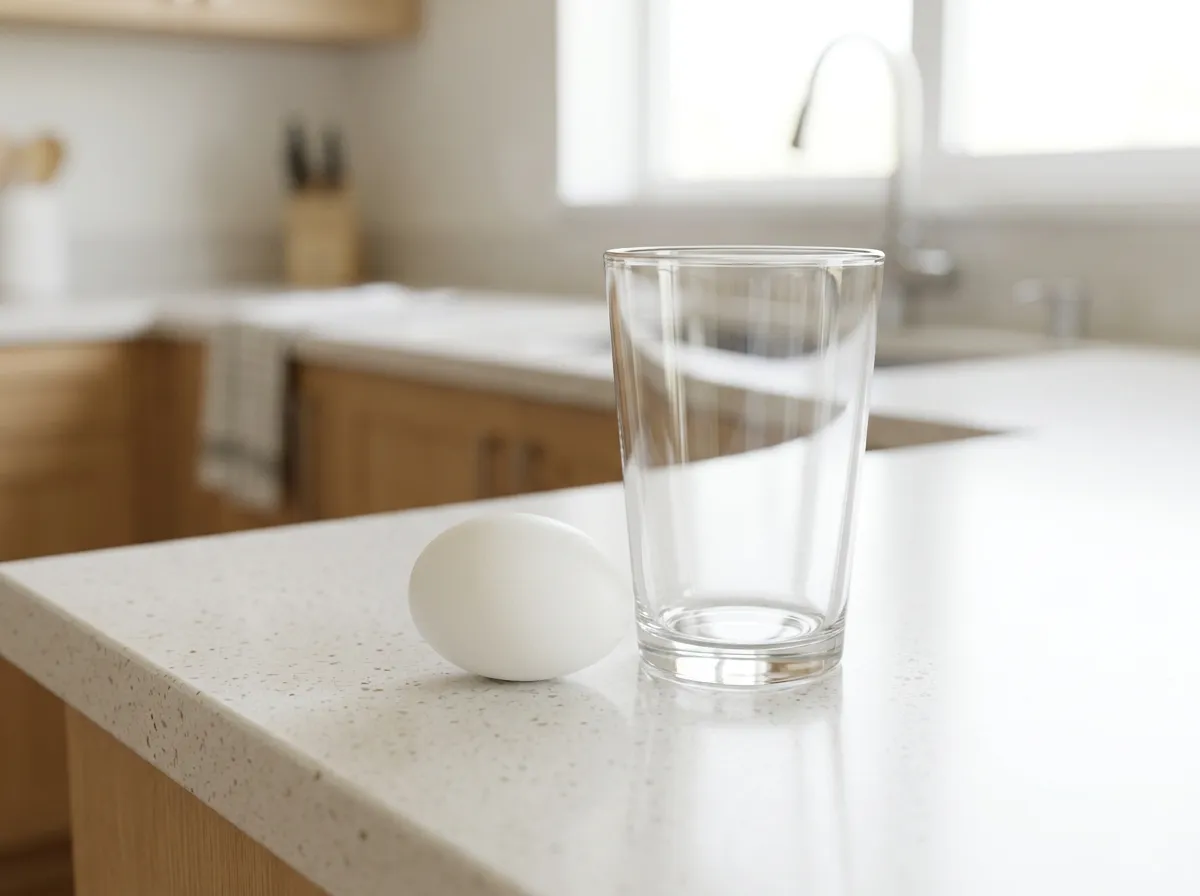
Forget everything you know about spoons, baking soda in the water, or specialized “egg peeler” gadgets that just take up drawer space. The tool you need is already in your cabinet, and you probably use it every day for your morning juice. The secret to the most satisfying egg peel of your life is a simple, sturdy glass of water. It sounds too easy to be true, right? We’ve been conditioned to believe that “hacks” require complicated steps or expensive tools, but this method relies on basic physics and a little bit of hydration.
The beauty of the “Glass of Water Method” is that it addresses the two biggest enemies of a clean peel: the stubborn membrane and the lack of uniform pressure. When you pick at an egg with your fingers, you’re applying uneven force to tiny areas. This causes the shell to shatter into a million jagged pieces. By using a glass and water, we’re going to create a cushion that allows the shell to separate from the white in one fell swoop. It’s almost therapeutic to watch. Ready to see how it’s done? Let’s grab our supplies and head to the sink.
The Prep and the Plunge
First things first: you need your boiled egg. Whether you like them hard-boiled for a salad or soft-boiled for dipping, this method works across the board. Once your egg is cooked to your liking, give it a quick “shock” in an ice bath to stop the cooking process—this is standard practice, but it helps firm up the whites. Now, grab that drinking glass. You want something large enough for the egg to move around in freely, but not so big that it’s cumbersome to hold. A standard 12-ounce water glass is usually the best choice for this operation.
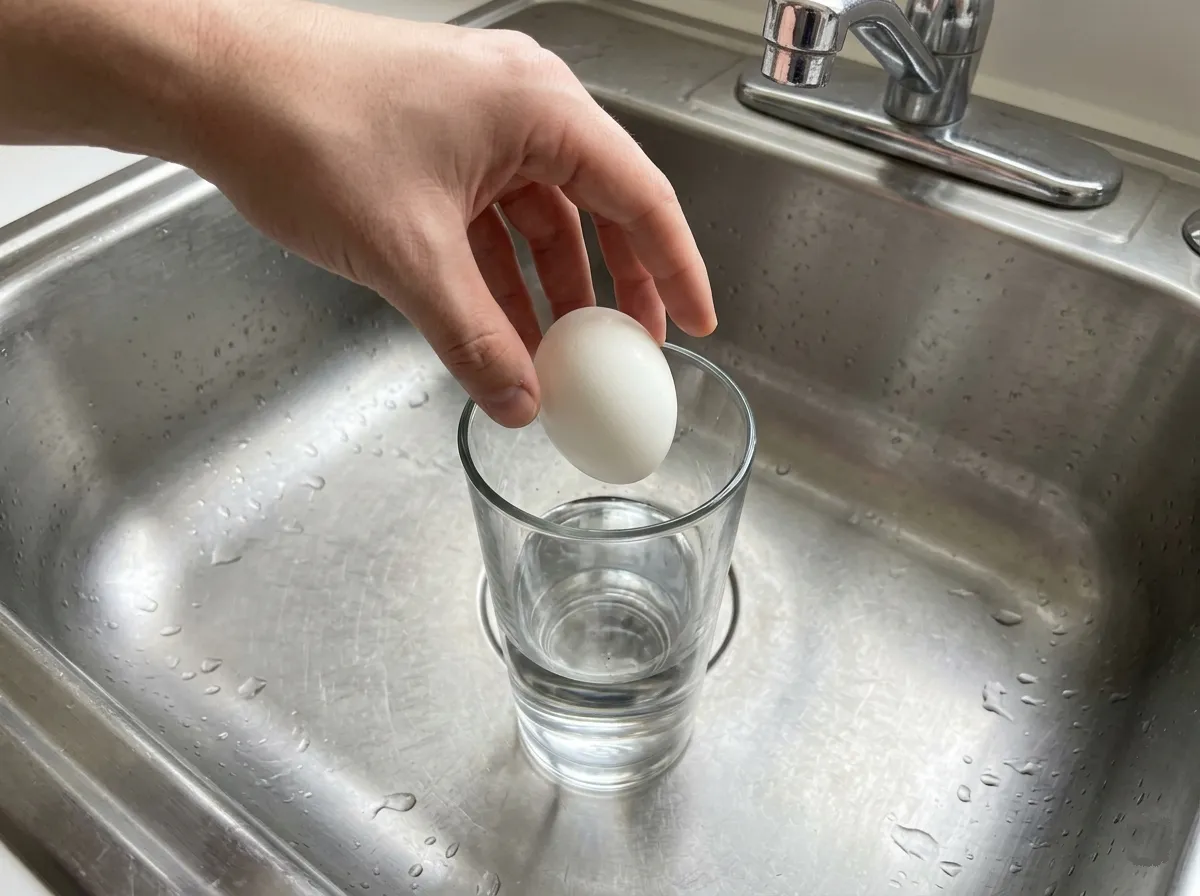
Take your glass to the sink and fill it with about an inch of cold water. You don’t need much; just enough to provide a liquid cushion. Now, take your boiled egg and gently drop it into the glass. At this point, it just looks like an egg taking a very shallow bath. You might be skeptical—how is a tiny bit of water and a glass going to do what twenty minutes of careful picking couldn’t? The magic happens in the next step, where we add the “action” to the equation. Brace yourself; things are about to get a little shaky!
The Shake That Changes Everything
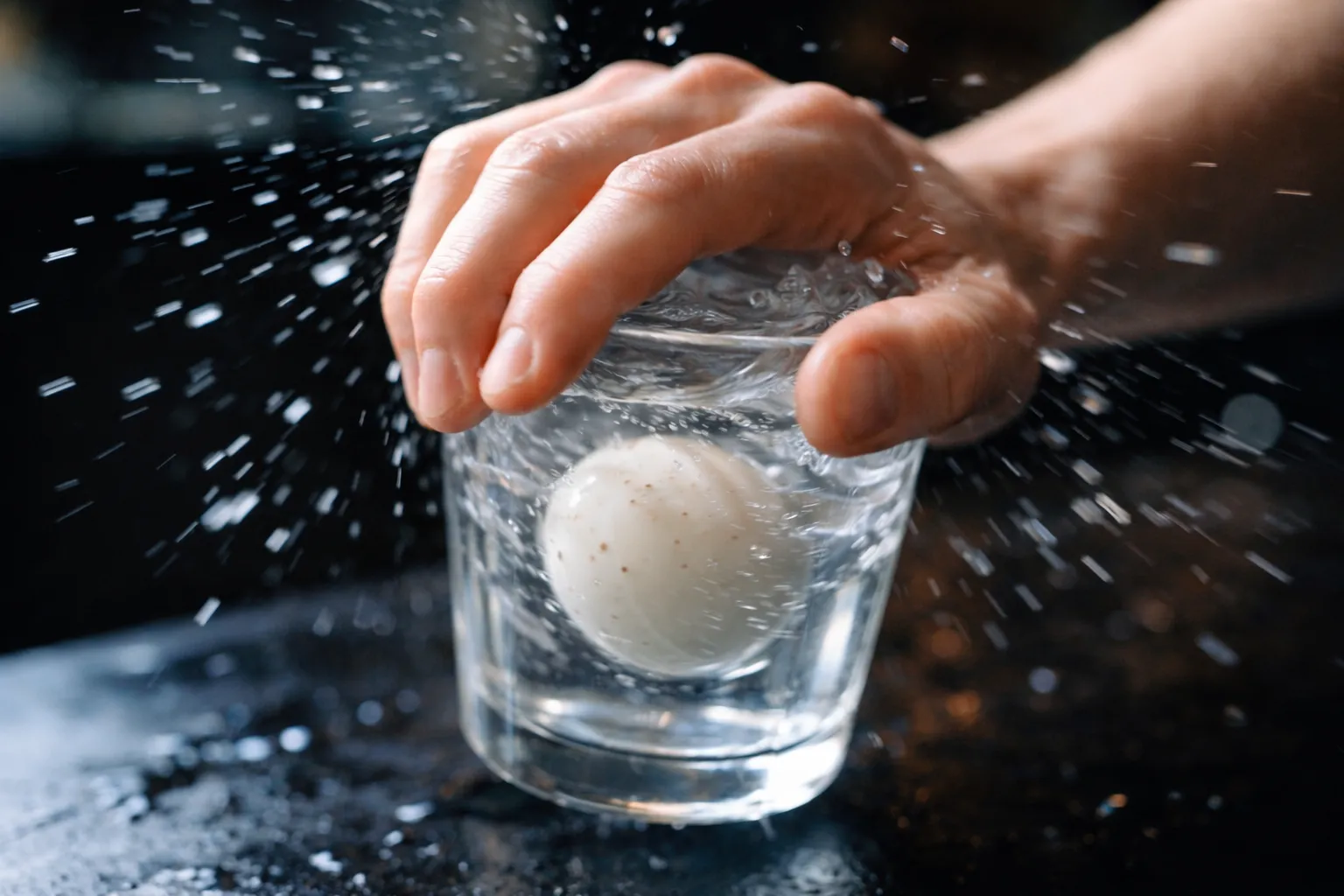
This is the part where you get to vent a little bit of that morning energy. Cover the top of the glass firmly with your palm, ensuring a watertight seal. You don’t want to be spraying egg-water all over your kitchen! Hold the glass securely and give it a vigorous shake over the sink. You want the egg to bounce against the sides of the glass and the surface of the water. Think of it like a cocktail shaker—you’re aiming for a firm, consistent motion for about five to ten seconds.
As you shake, you’ll hear the “clack-clack-clack” of the shell hitting the glass. The water acts as a lubricant and a pressure distributor, causing the shell to fracture into a “mosaic” pattern rather than individual shards. The moisture works its way under the membrane, essentially lifting the entire shell away from the egg white simultaneously. It’s a controlled chaos that achieves in seconds what your fingers couldn’t do in minutes. When you stop shaking, you’ll notice the water has turned a bit cloudy and the shell looks… different. It’s time for the big reveal.
The Ultimate “Sleeve” Reveal
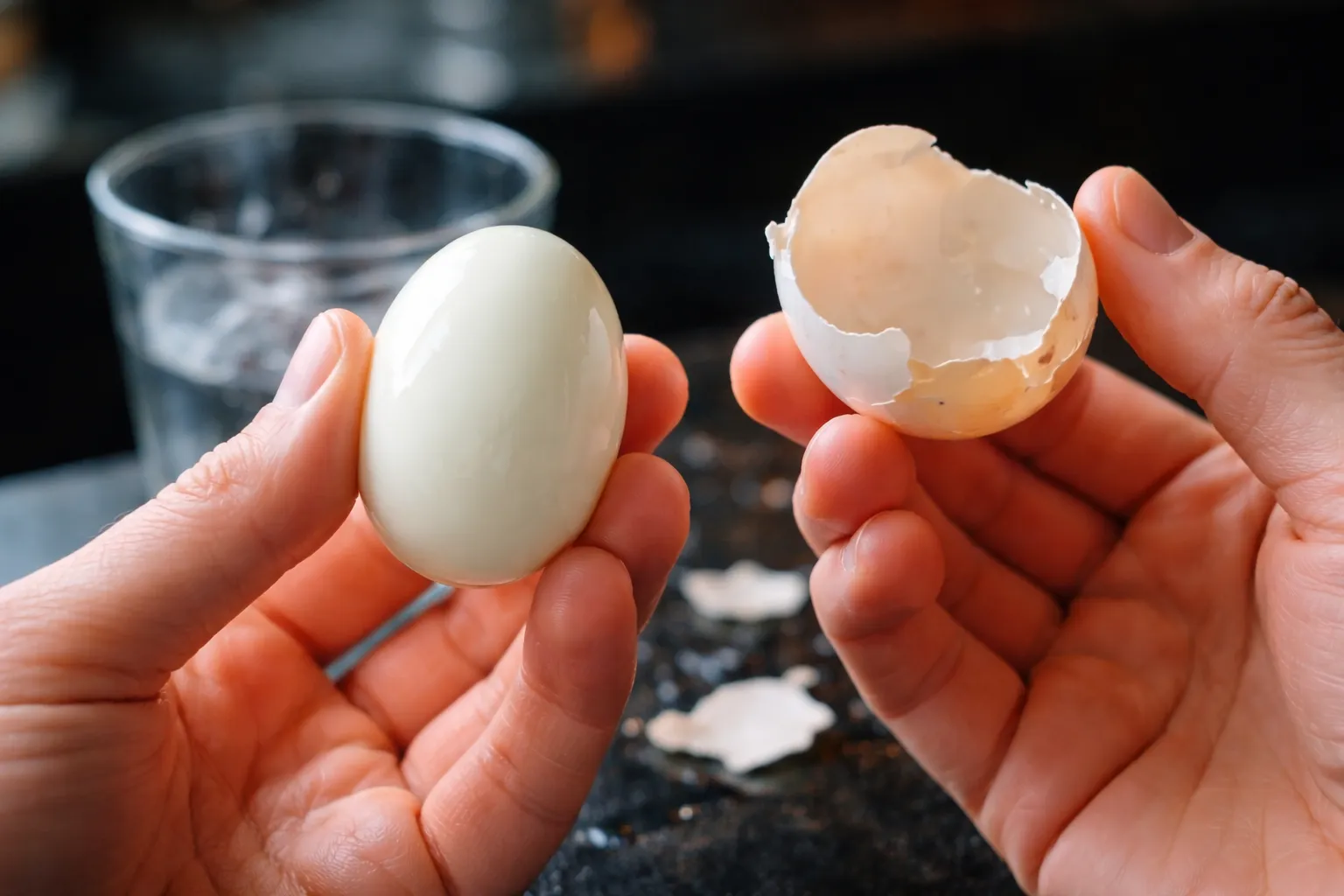
Now for the moment of truth. Stop shaking and look inside your glass. If you’ve done it right, the shell won’t just be cracked—it will be completely loosened. Take the egg out of the water. You should see that the shell has essentially become a loose “sleeve” around the egg. Often, you can see the water has actually seeped between the shell and the white, creating a visible gap. This is the “Aha!” moment where you realize you’ll never go back to the old way of peeling.
Simply pinch the shell and give it a gentle tug. In most cases, the entire shell will slide off in one or two large pieces, as if the egg is just shedding an unwanted coat. The result? A perfectly smooth, shiny, and undamaged egg. No craters, no wasted protein, and no frustration. It’s so fast you can peel an entire dozen in the time it used to take to do just one. Congratulations, you’ve just mastered the ultimate kitchen shortcut. Now, go enjoy that perfectly peeled egg—you’ve earned it!
Source: https://www.tips-and-tricks.co/lifehacks/eggpeelingtrick/