Our top 14 genius garden hacks that will save you a lot of money and time
Gardening can be a rewarding and relaxing hobby, but it can also be time-consuming and challenging. Here are some easy hacks to make your gardening experience more enjoyable and efficient.
Who doesn’t love a good garden hack? We all love to see a beautiful garden full of life and color. Keeping your garden beautiful can be hard sometimes and the job seems endless. As soon as you stop paying attention for a moment, your beautiful garden starts to look neglected. Nowadays there are so many garden gadgets on which you can spend a small fortune to make your garden look beautiful again. It’s tempting to buy those products but before you do that, continue reading. It doesn’t have to cost much if you want to have a beautiful outdoor space.
We have selected the best garden hacks that will save you a lot of money and time. The products will definitely surprise you because you most likely have them at home already. Read on and discover how you can make your outdoor space look better than ever!
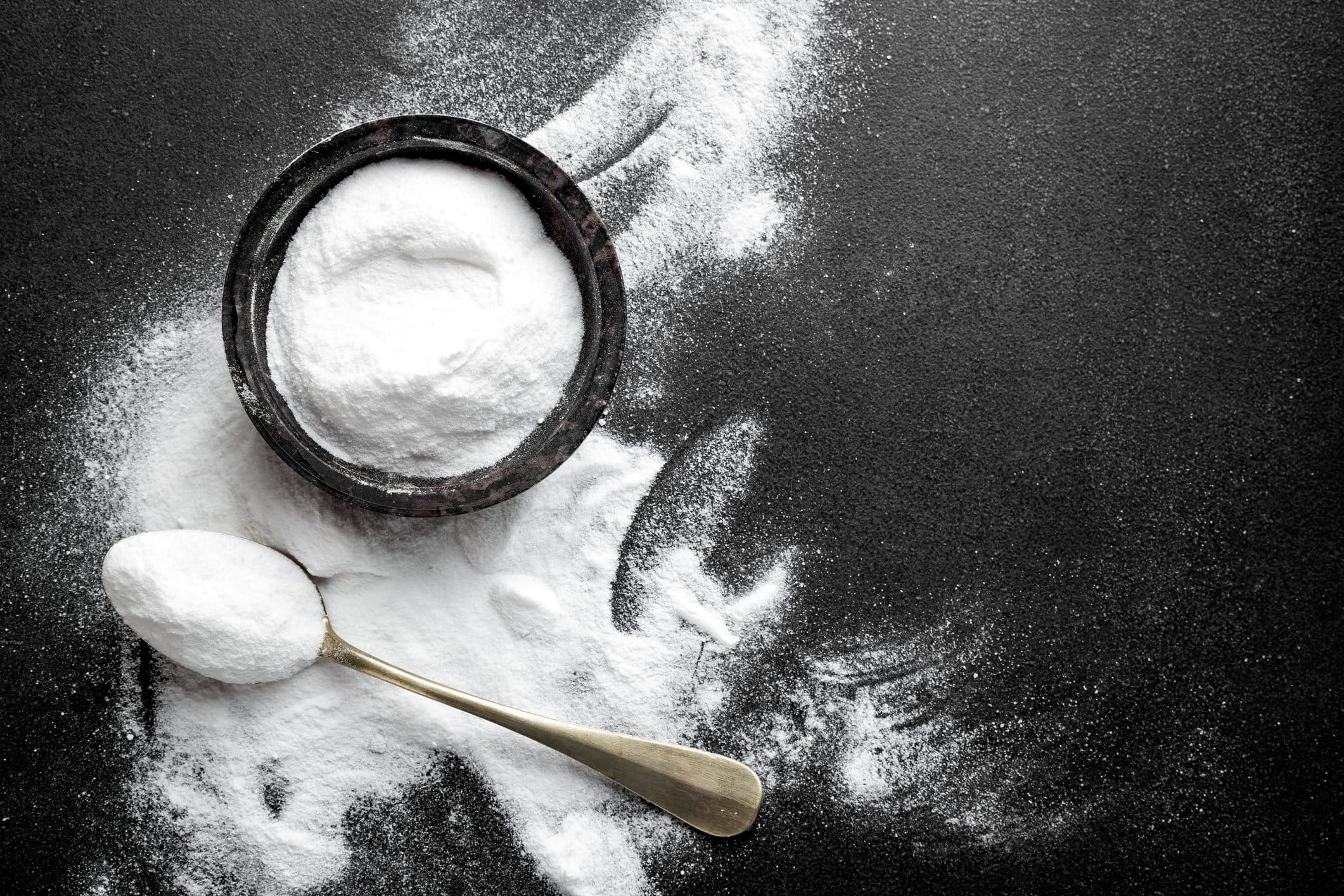
- Use baking soda to grow your tomatoes
Using baking soda in your garden can help improve the growth and health of your tomato plants. Here are some benefits of using baking soda for tomatoes:
- Baking soda can help prevent fungal diseases. Mixing a small amount of baking soda with water and spraying it on the leaves of your tomato plants can help prevent fungal diseases like late blight and leaf spot.
- Baking soda can improve the flavor of your tomatoes. Baking soda can help balance the pH of the soil, making it more alkaline. This can improve the flavor of your tomatoes, making them sweeter and less acidic.
- Baking soda is an inexpensive and natural solution. Baking soda is a natural and non-toxic substance that is inexpensive and easy to find. It is a safe and effective alternative to chemical fungicides.
- Baking soda is easy to use. Mixing a small amount of baking soda with water and spraying it on the leaves of your tomato plants is a simple and straightforward process.
- Use kitchen scraps to start a compost bin.
Using kitchen scraps in your garden is a simple and sustainable way to benefit your plants and the environment. You can use it to start a compost bin. This will provide a natural fertilizer for your plants and reduce waste. Collect your food waste, such as fruit and vegetable peels, coffee grounds, and eggshells, and add them to your compost bin. Over time, this organic material will break down and create a nutrient-rich soil amendment for your garden.
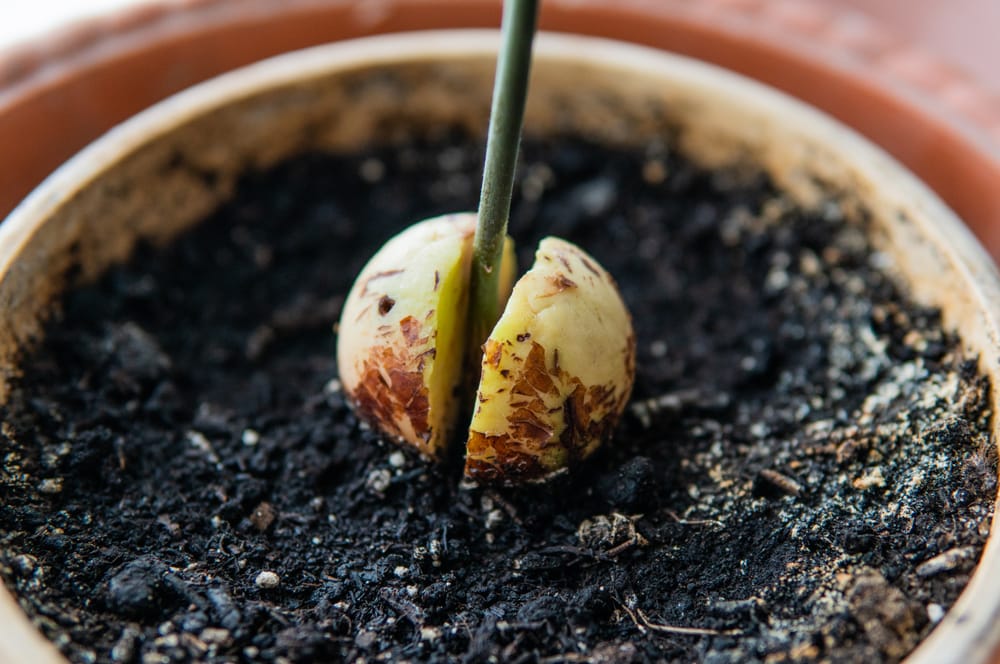
You can also use kitchen scraps as plant starters. Some kitchen scraps, like potato sprouts and avocado seeds, can be planted and grown into new plants. This is a fun and economical way to expand your garden.
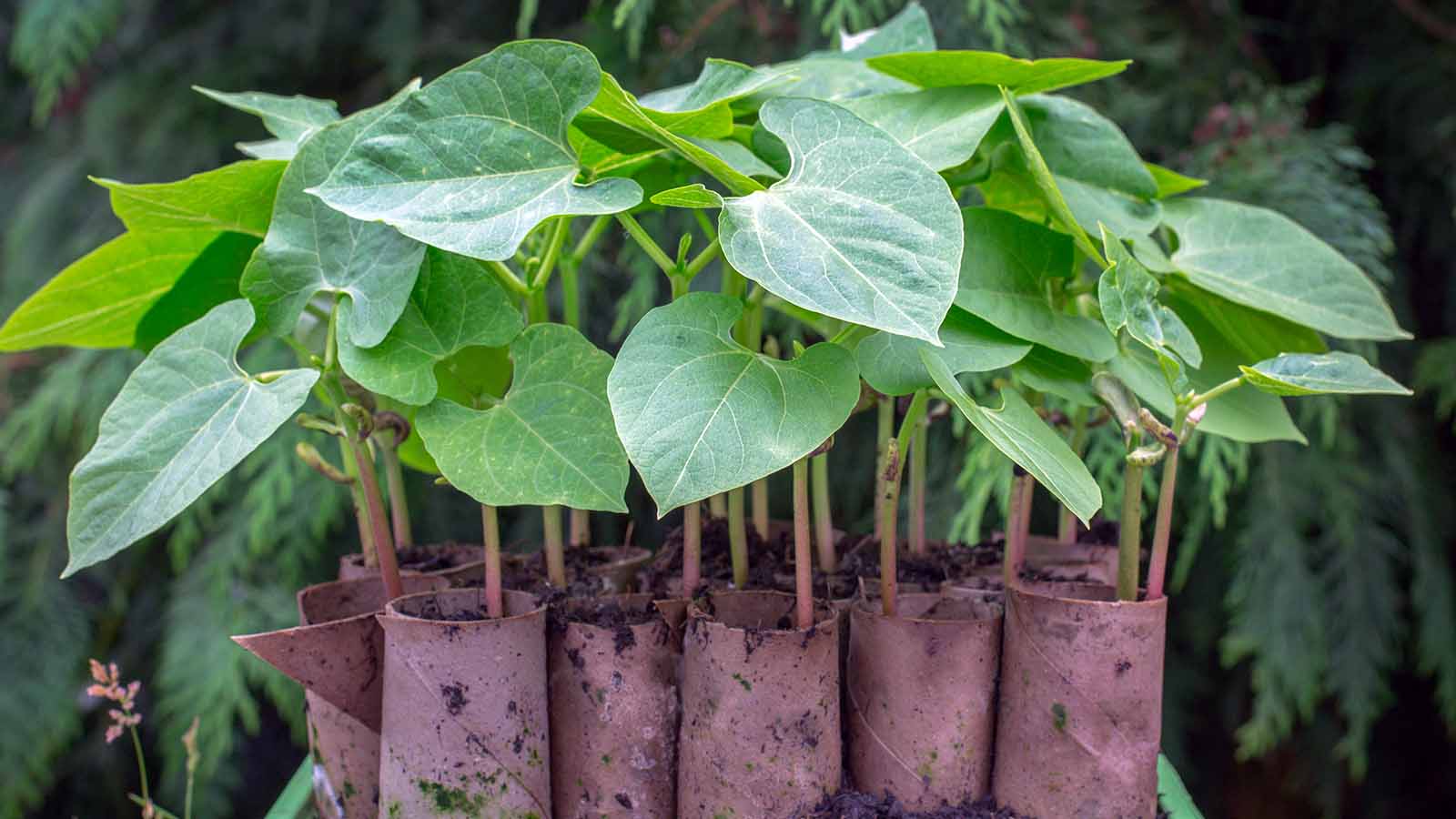
- Save and reuse plastic containers as starter pots for seeds or seedlings
Saving and reusing plastic containers as starter pots for seeds or seedlings in your garden is a simple and cost-effective way to get started with gardening. Here are some benefits of using plastic containers, like yogurt cups or takeout containers, as starter pots:
- Using plastic containers is an economical option. Many of us already have plastic containers in our homes, like yogurt cups or takeout containers, that we can repurpose for gardening. This saves money and reduces waste.
- Plastic containers are lightweight and easy to handle. They are a good option for small plants or seedlings that are still fragile and need to be moved around easily.
- Plastic containers provide good drainage. Most plastic containers have holes in the bottom that allow excess water to drain out, preventing root rot and other problems.
- Plastic containers are versatile. You can use different sizes and shapes of containers to suit your needs. For example, you can use small containers for herbs and larger containers for vegetables.
Overall, using plastic containers as starter pots for your garden is a simple and effective way to get started with gardening. It is an economical and sustainable option that can help you grow healthy plants.
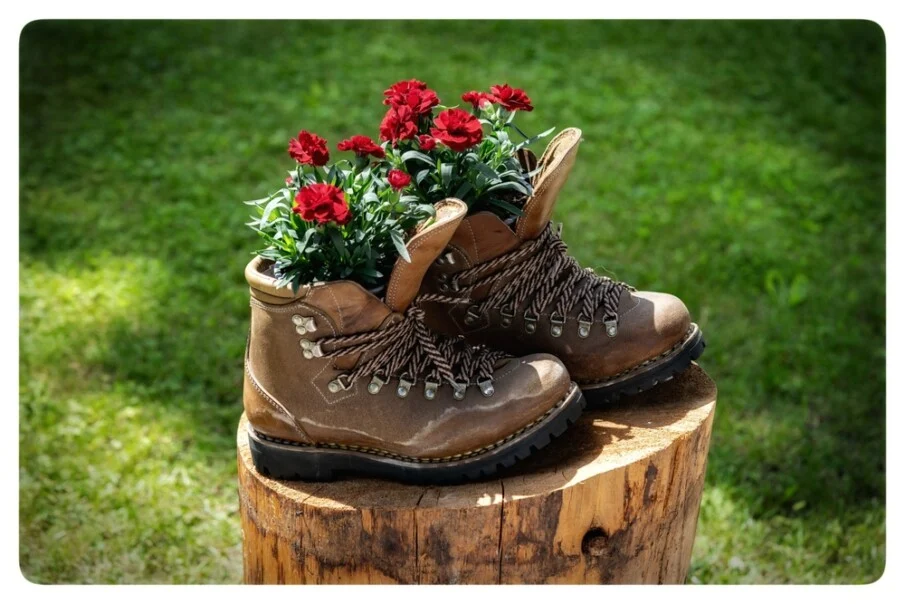
- Repurpose old shoes or boots as planters for small herbs or flowers
We almost didn’t believe it when someone told us to use old shoes as planters! But repurposing old shoes or boots as planters for small herbs or flowers is actually a fun and creative way to add some character to your garden. Using old shoes or boots as planters is an eco-friendly option. Instead of throwing away your old shoes or boots, you can give them a new purpose and extend their life. It also adds personality and charm to your garden.
You can use colorful or unique shoes or boots to create a playful and visually interesting display. On top of that, this is a good option for small plants. The size and shape of most shoes and boots make them perfect for growing herbs or small flowers that don’t need a lot of space. You can even paint, decorate, or personalize your old shoes or boots to really make them your own.
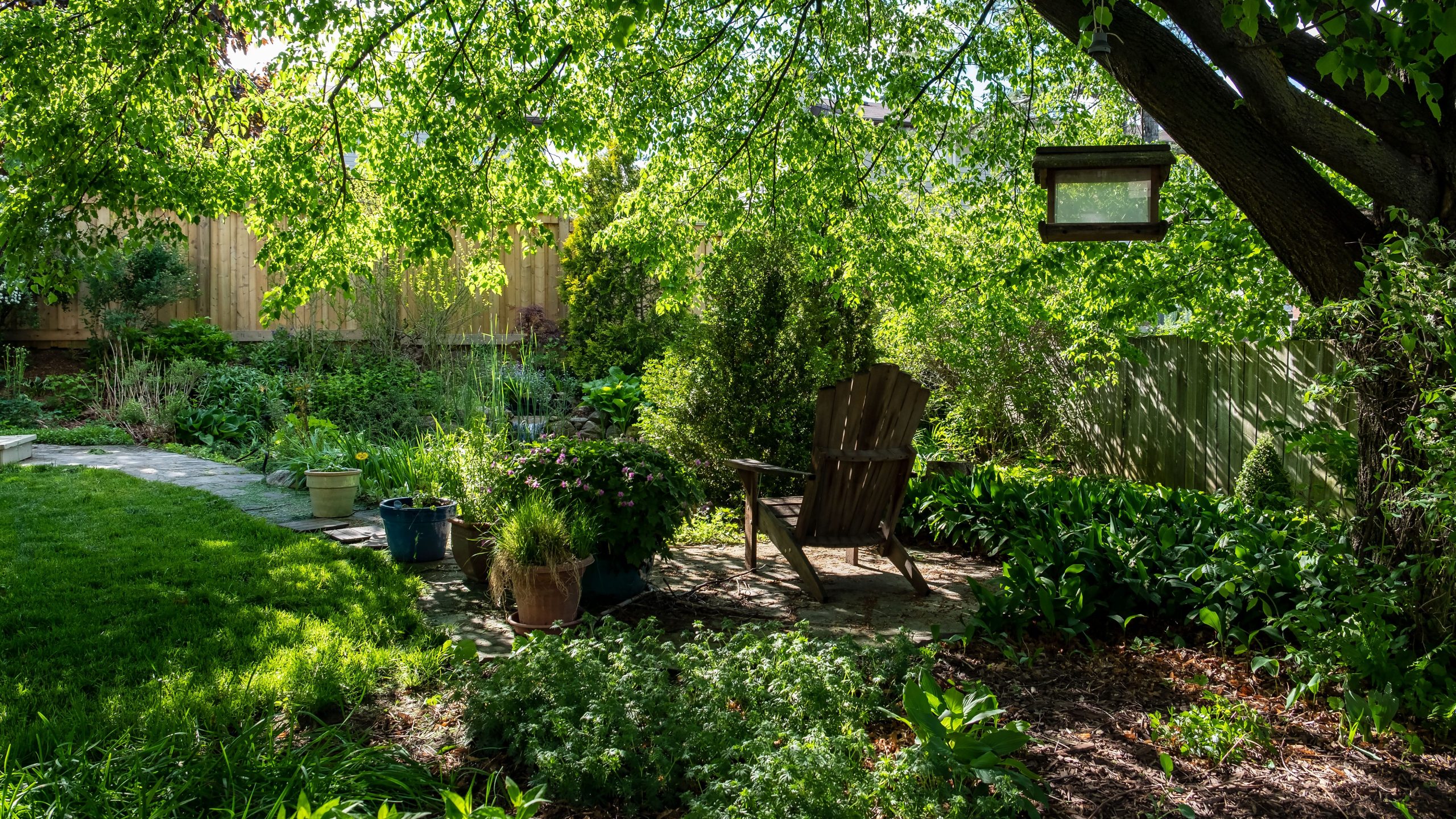
- Plant taller plants or trees on the north side of your garden to provide shade for heat-sensitive plants
Planting taller plants or trees on the north side of your garden provides shade for heat-sensitive plants. The north side of a garden typically receives less direct sunlight, so planting taller plants or trees there can provide a natural source of shade for plants that are sensitive to heat. It can also help to regulate the temperature in your garden. The shade provided by taller plants or trees can cool the air and reduce the overall temperature in your garden, making it more comfortable for you and your plants.
Furthermore, planting taller plants or trees on the north side of your garden can create a natural windbreak. The taller plants or trees can act as a barrier to block strong winds and protect your other plants from wind damage.
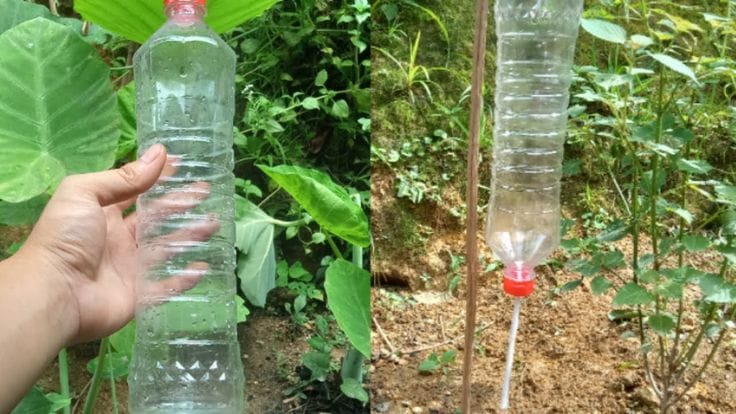
- Create a DIY drip irrigation system using plastic bottles or PVC pipes.
This next tip is also super handy for when you go on holidays during the summer months.
Creating a DIY drip irrigation system using plastic bottles or PVC pipes is a simple and effective way to water your plants gradually and efficiently. A DIY drip irrigation system conserves water. The water is delivered directly to the roots of your plants, reducing the amount of water lost through evaporation and runoff. A DIY drip irrigation system is easy to install and maintain. You can use simple materials, like plastic bottles or PVC pipes, to create a drip irrigation system that is tailored to your garden. The system provides precise watering. You can control the flow of water and adjust the amount of water delivered to each plant, depending on its needs. The system is also versatile.
You can use it for a variety of plants, including vegetables, herbs, and flowers. You can also adjust the system as your garden grows and changes. Super useful for when you’re not at home for a while or when you’re too busy to water them every day.

- Start a garden journal
Wait what? A garden journal helps you track your progress. You can record information about your plants, including when you planted them, how they are growing, and any problems or pests you have encountered. This will help you learn from your experiences and improve your gardening techniques.
It is also a valuable resource. Over time, your garden journal will become a valuable reference that you can use to plan your garden and make informed decisions about your plants
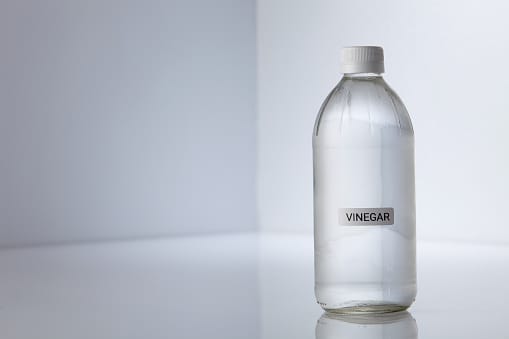
- Get rid of unwanted weeds with white vinegar and water
To get rid of unwanted weeds, mix equal parts white vinegar and water in a spray bottle and apply directly to the weeds. White vinegar is a natural and non-toxic weed killer. Unlike chemical herbicides, white vinegar is safe for people, pets, and the environment. It is effective against a wide range of weeds. It can kill weeds like dandelions, chickweed, and thistle, as well as grassy weeds like crabgrass and quackgrass.
This simple, cheap and effective solution is a natural and non-toxic option that can help you keep your garden weed-free without harming the environment.
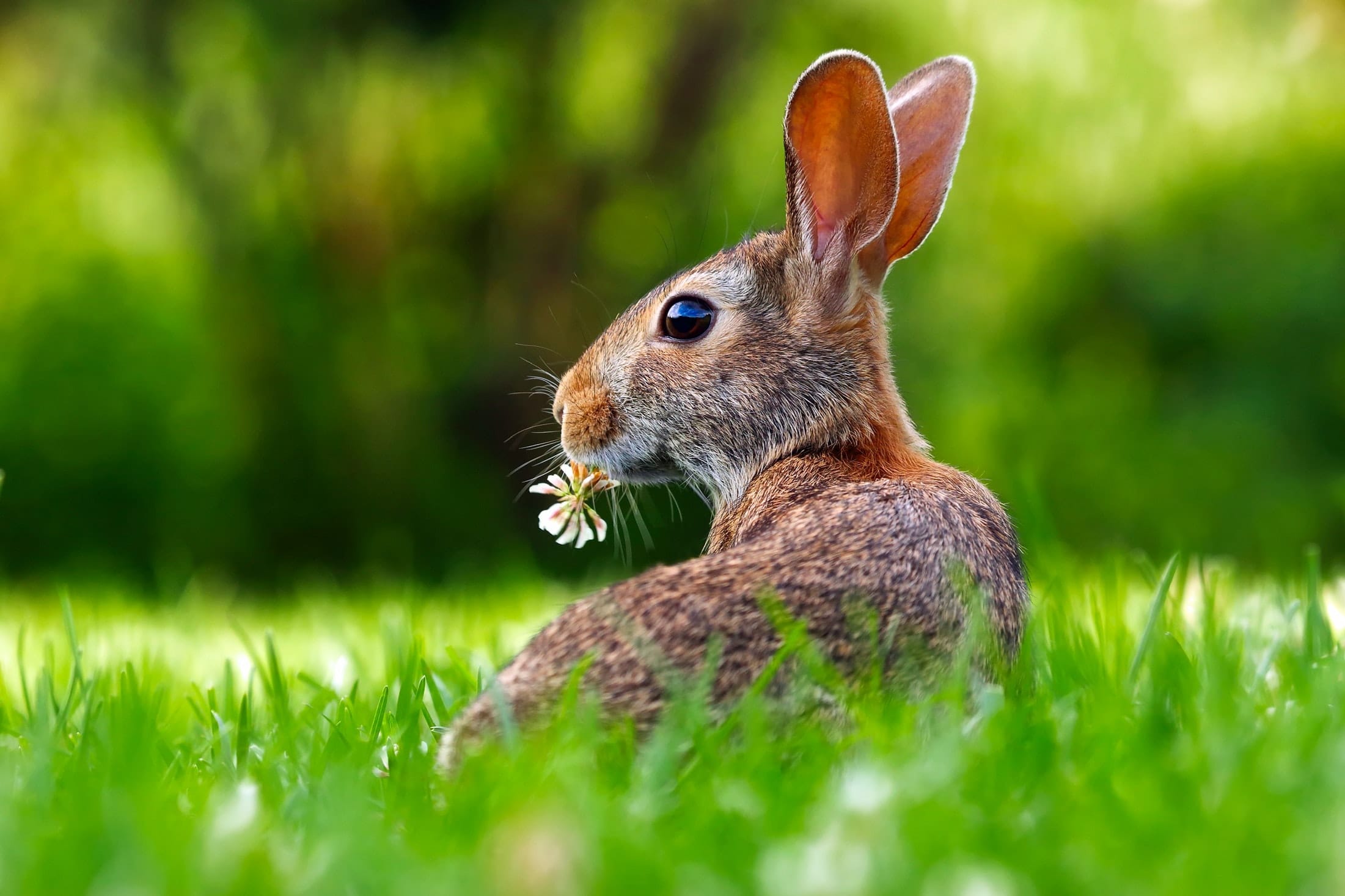
- Use natural repellents to deter rabbits and other animals from eating your plants
Natural repellents are safe for people, pets, and the environment. Unlike chemical repellents, natural repellents are non-toxic and will not harm the animals or the soil. Natural repellents are easy to find and use. You can use items that you already have in your home, like human hair or soap shavings, as natural repellents. You can also plant spicy herbs, like garlic or chili peppers, around your garden to deter animals.
You can use different natural repellents for different animals. For example, human hair can deter deer, while spicy herbs can deter rabbits. Natural repellents are cost-effective. Most natural repellents are inexpensive or free, and they can save you money on expensive chemical repellents.
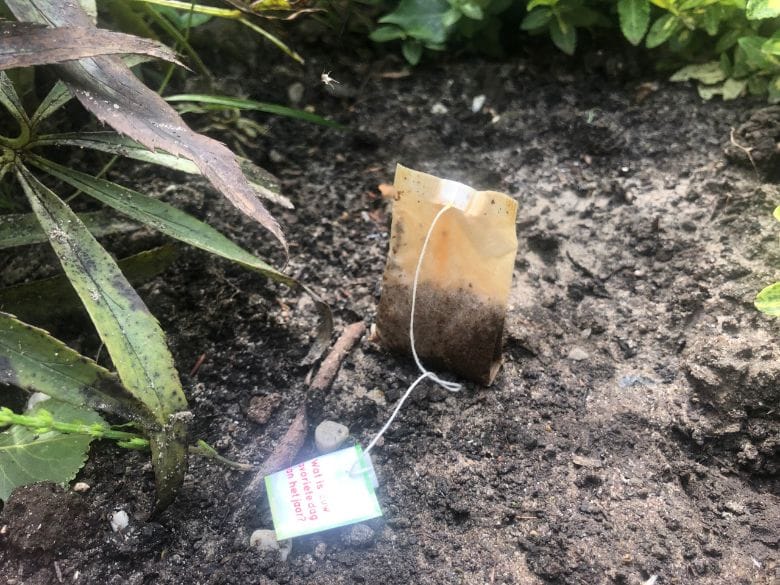
- Provide your garden with extra nutrition by adding a used tea bag to the earth
We usually throw out our used tea bags immediately after making tea. That’s a huge waste, though, because there are a couple of reasons why a used tea bag can make a big difference for your garden!
- By adding a tea bag to the earth in your garden, you provide it with extra nutrition. Tea leaves contain tannin and nutrients that serve as a natural fertilizer for the earth. The bag itself is made out of fibers from the stalk of the abaca plant, which is a type of banana plant. The tea will easily dissolve in the earth and provide a healthy environment for flowers and plants to grow.
- The tea bags also keep vermin at a distance. Used tea bags as well as coffee grounds help to keep vermin away from your flowers and plants. The smell chases away any creatures that would like to take a bite out of your precious plants.
- It’s also a very smart idea to add a used tea bag to your compost heap. The acids within the tea will speed up the process of disintegration of the compost. This means you’ll be able to use the compost for your garden much sooner than you would otherwise.
- Bury the used tea bag close to the roots of your flowers or plants in the earth. Doing this will help your plants and flowers retain more water within the earth. This way you will make sure they stay much healthier!
- By burying a used tea bag in the earth, you’ll make it a lot harder for weeds to grow alongside your healthy plants and flowers.
- The smell of tea bags will help keep cats out. Sprinkle some tea over the earth of your garden to prevent cats from peeing or pooping all over it.
- Worms can very easily eat tea leaves. When these leaves have been digested and get back into the earth they’ll produce even more nutrients for a super fertile garden.
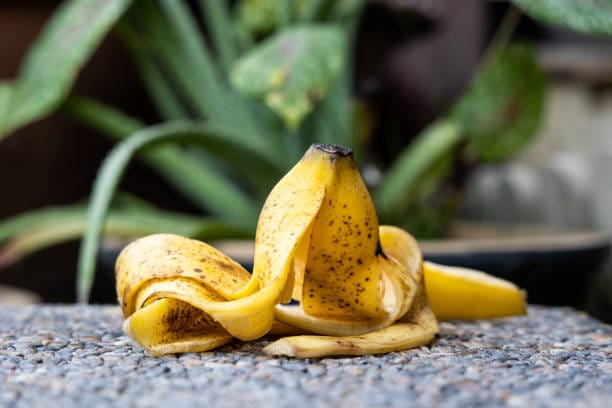
- Put bananas in your garden
Bananas are a versatile and nutritious fruit, but did you know that they can also be beneficial for your garden? Here are some reasons why you should consider putting bananas in your garden:
- Bananas are a natural source of potassium, which is an essential nutrient for healthy plant growth. When you add banana peels to your compost or directly to the soil, they will provide potassium to your plants.
- Bananas are a good source of organic matter. When they decompose, they add valuable carbon and other nutrients to the soil, improving its structure and fertility.
- Bananas can help attract beneficial insects to your garden. The flowers and fruits of banana plants are a favorite food of pollinators like bees and butterflies.
- Bananas can act as a natural mulch. When you add banana leaves or peels to the soil around your plants, they will help retain moisture and prevent weeds from growing.
- Bananas can provide shade for your garden. The large leaves of banana plants can create a canopy that protects your plants from the hot sun.
Overall, adding bananas to your garden can provide many benefits for your plants and the soil. It is an easy and sustainable way to improve the health of your garden.
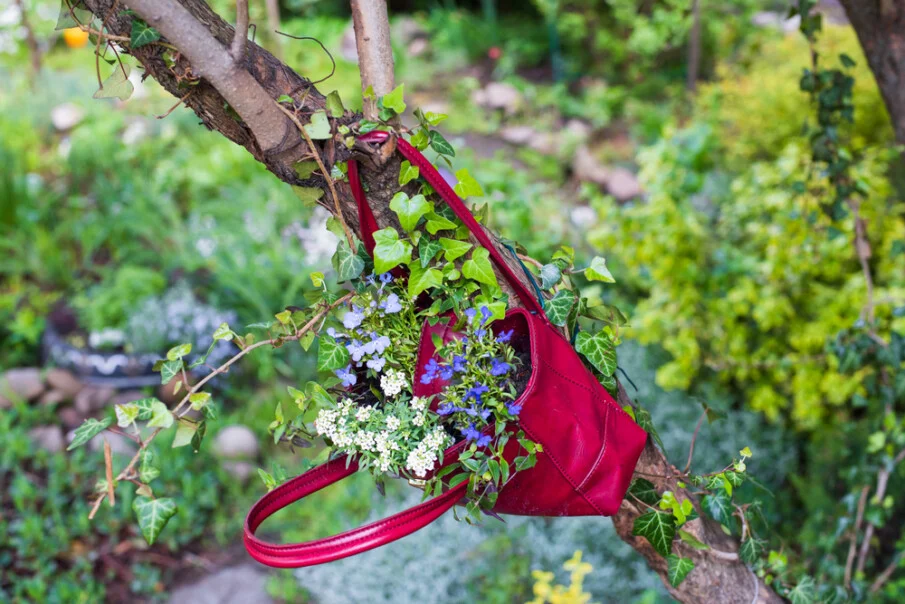
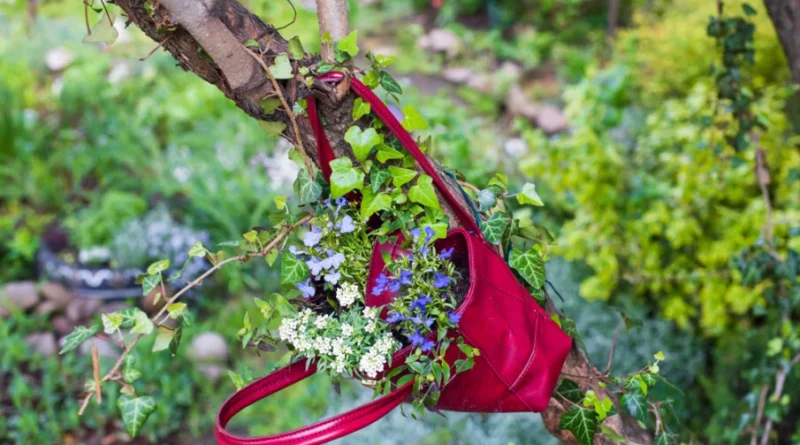
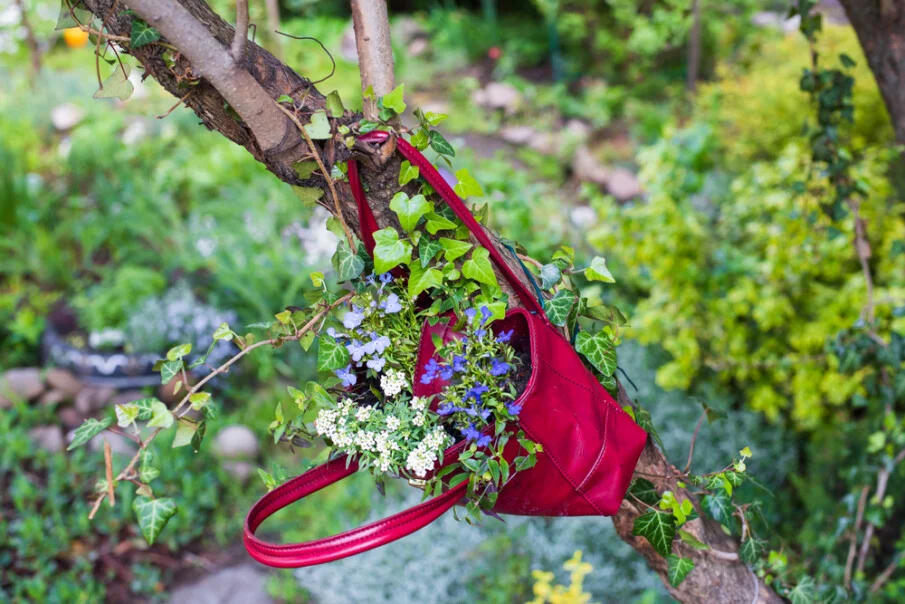
- Use an old purse as a planter
As if old shoes weren’t crazy enough. Purse planters are another unique and creative way to add a touch of greenery to your home or garden. These planters are shaped like purses, and are the perfect size for growing small plants and herbs.
Purse planters are made from a variety of materials, including ceramic, plastic, and even actual repurposed purses. They come in a range of sizes and styles, from chic and modern to whimsical and playful.
One of the great things about purse planters is that they are versatile and can be used in a variety of ways. They can be hung on a wall or placed on a windowsill, providing a pop of color and greenery in any space. They can also be placed on a patio or deck, adding a touch of nature to your outdoor living space.
Purse planters are a fun and unique way to add a touch of greenery to your home. They are the perfect size for growing small plants and herbs, and can be used in a variety of ways to add a pop of color and life to any space. Whether you are looking to add a touch of nature to your home or garden, purse planters are a creative and unique solution.
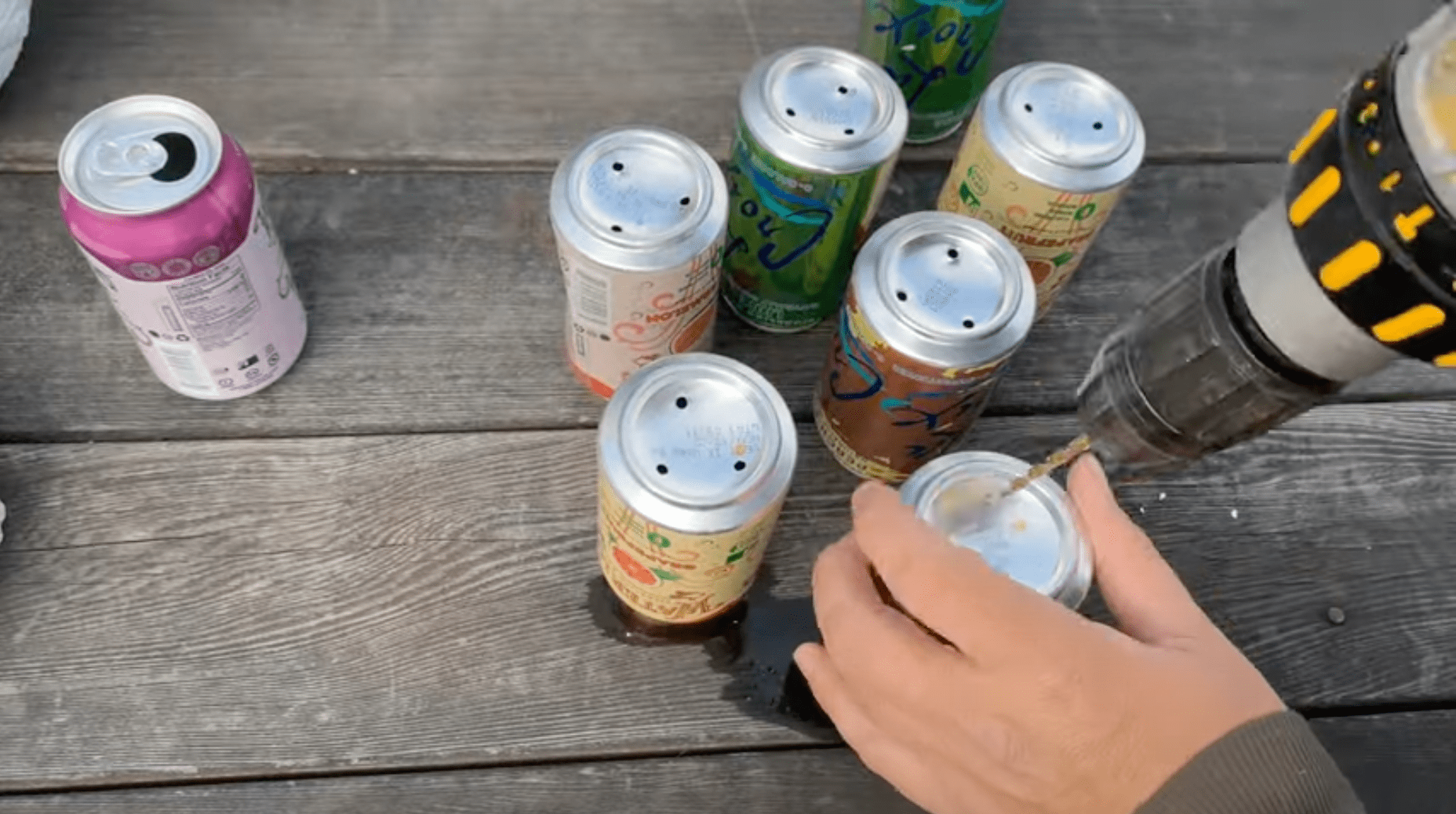
- Use old cans for drainage in your garden
Using old cans for drainage in your garden is a great way to repurpose materials and save money on drainage solutions.
Old cans, such as soda cans or soup cans, can be used as makeshift drainage holes in planters and pots. Simply punch a few holes in the bottom of the can using a nail or screw, and then place the can in the bottom of the planter before adding soil and plants.
The holes in the bottom of the can will allow excess water to drain out of the planter, helping to prevent root rot and other issues that can arise from overwatering. This simple and inexpensive drainage solution is perfect for small container gardens, and can be easily adapted to fit any size or shape of planter.
In addition to providing effective drainage, using old cans for drainage in your garden can also help to reduce waste and protect the environment. By repurposing old cans instead of throwing them away, you can help to keep these materials out of landfills and reduce your carbon footprint.
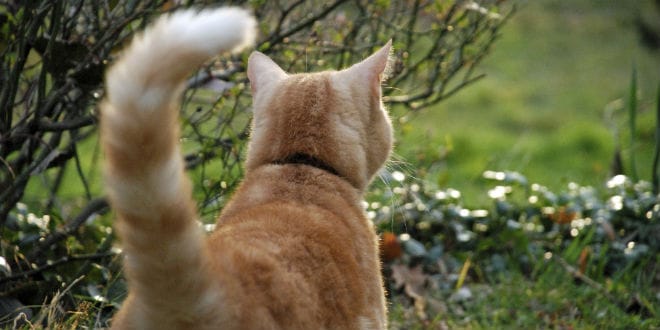
- Keep cats away with the smell of vinegar and citrus peel
You can keep cats out of your garden pretty easily by putting bowls of vinegar or citrus peel in various places around the garden (in particular those places the cat likes to visit). The cat will then definitely stay away from those places. Another thing cats hate is cayenne pepper. So it may be worth scattering a generous amount of cayenne pepper in places the cats like to visit. Then again, this may cause the cat to start sneezing violently, which makes us feel a bit sorry for it.
If you don’t have any of these products at home and don’t feel like going to the supermarket, you could also try using garlic, ground coffee or chili pepper.
Did you know about these natural gardening tips? Share them with your friends!
Source: Shutterstock, Youtube video stills, GettyImages/iStock, Veronique Stone/ Shutterstock, YelenaYemchu/ Getty Images/ iStockphoto, Marina Lohrbach/ Terra24, Chiyacat
Source: https://www.tips-and-tricks.co/home-and-garden/garden-hacks/