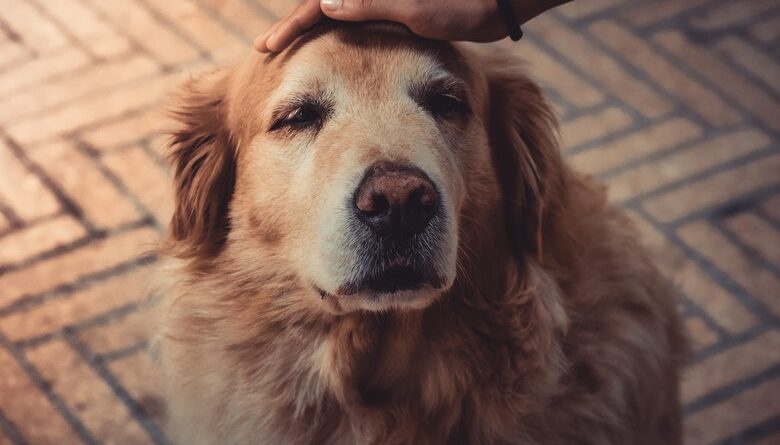
How to recognize if your pet is dealing with dementia
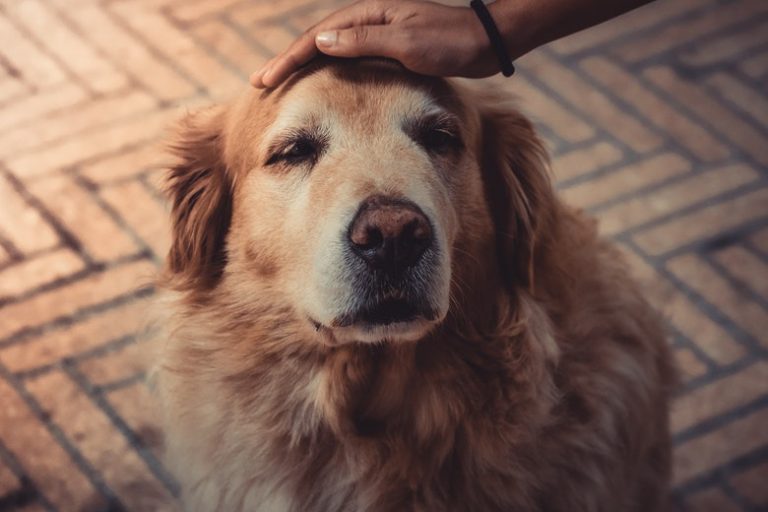
It could be the reason that your older pet is looking around dazedly.
Dementia is something that many people encounter. As we age, an increasing number of us are affected by this disease. This common disease causes damage to the brain. Did you know that it can also affect your beloved four-legged friends?
Read more on the next page!
Old age ailments
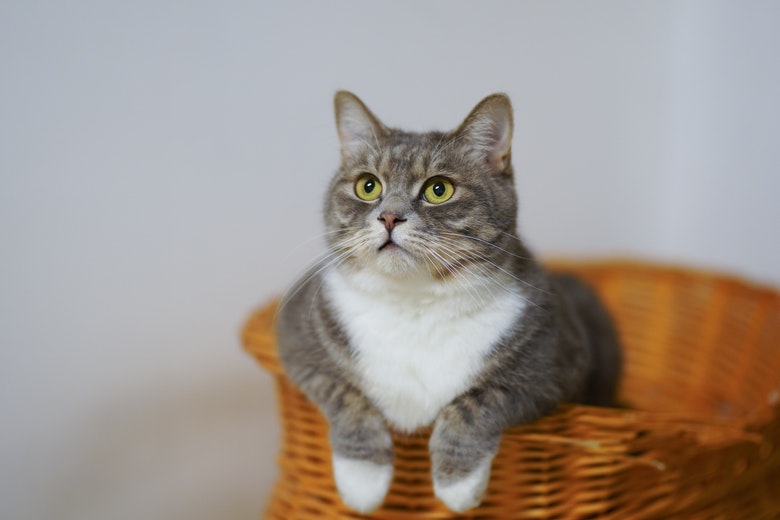
Better food, better care, and more love. Pets live longer than they did decades ago, as do us humans. This puts your old dog or cat at a higher risk of old-age ailments: an older pet has less energy, is stiffer and their joints suffer more often. Their kidneys can have problems as well, and one in ten dogs or cats will suffer from gallstones.
Often, it does not just stop at physical complaints: the animal brain is also affected by old age. You can expect that the furry elderly will not be as sharp as they used to be, but it could be a bit worse. Dogs and cats can suffer from Cognitive Dysfunction Syndrome (CDS), also known as dementia.
The beginning of the disease
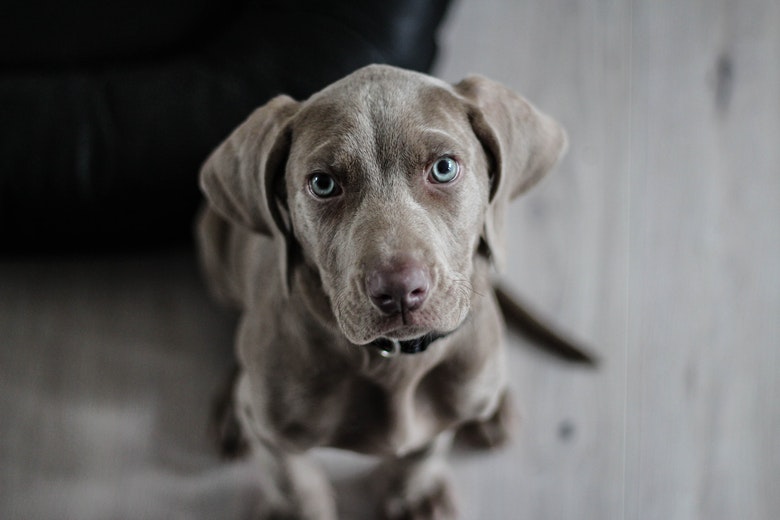
Early dementia in dogs and cats is often overlooked. The fact that your pet is slowing down, needs less attention, and plays less can be due to “normal” old age, but it can also be a harbinger of something more serious. If your animal suffers from CDS, these complaints do not stop, and they only get worse.
Dogs are often diagnosed earlier than cats because they often spend more time indoors and around their owners than cats. You probably already spent years with your four-legged friend, so you often recognize changes in behavior quickly. Few people know that these changes could be due to dementia.
As the disease progresses, the symptoms get more severe. You can read about this on the next page.
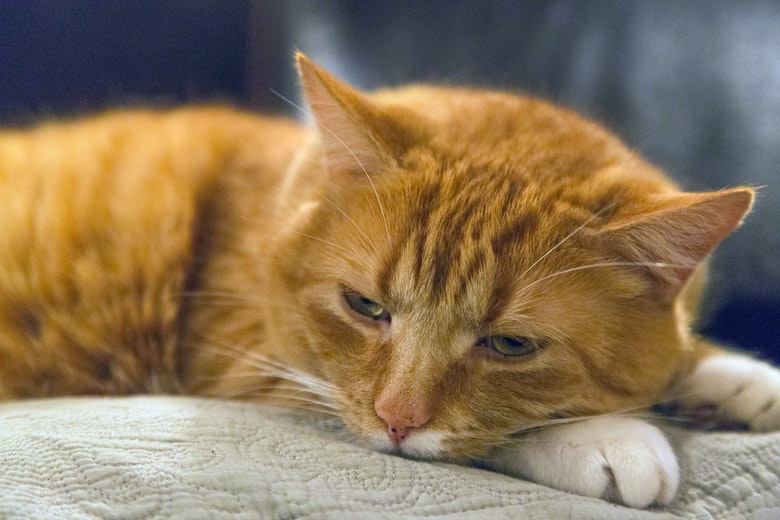
Symptoms
As the disease progresses, it becomes increasingly clear that something is wrong with your animal. His or her orientation gets worse, making it more difficult for them to find their way home. Also, your animal suddenly becomes a lot less dependent and withdraws more often: his or her character changes completely.
A disturbed night’s sleep is also a sign of dementia in animals. Dogs and cats with CDS often wake up at night and then haunt the house. It is also possible that they leave you a nasty surprise: an animal can become much more anxious due to dementia and therefore pee or defecate in the house more often. Those poor darlings…
Curious about how you can be certain whether your animal suffers from dementia? Read on quickly.
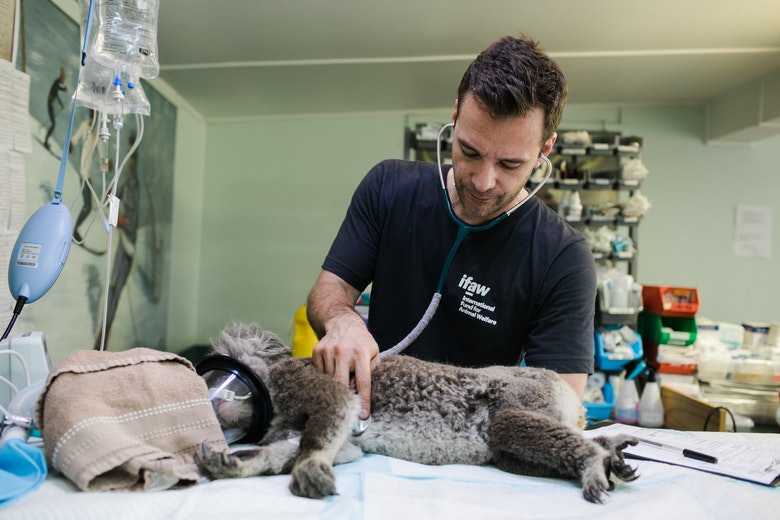
Diagnosis
Do you recognize the symptoms on the previous page, and do you want to know if your dog or cat has CDS? The only way to be 100% sure that your pet has dementia is to put the brain tissue under a microscope. Unfortunately, this is not possible with a live animal, so the vet will have to diagnose the pet differently.
The first step is to rule out other age-related diseases that could explain the symptoms. The vet does this, for example, by doing a physical and neurological examination, by examining the blood and urine of your four-legged friend, or by taking an MRI scan, or by means of an epidural. When all the other causes have been ruled out, the vet can come to a so-called probability diagnosis of dementia by combining the symptoms.
And then? Can you do something about it then? You will read it on the next page.
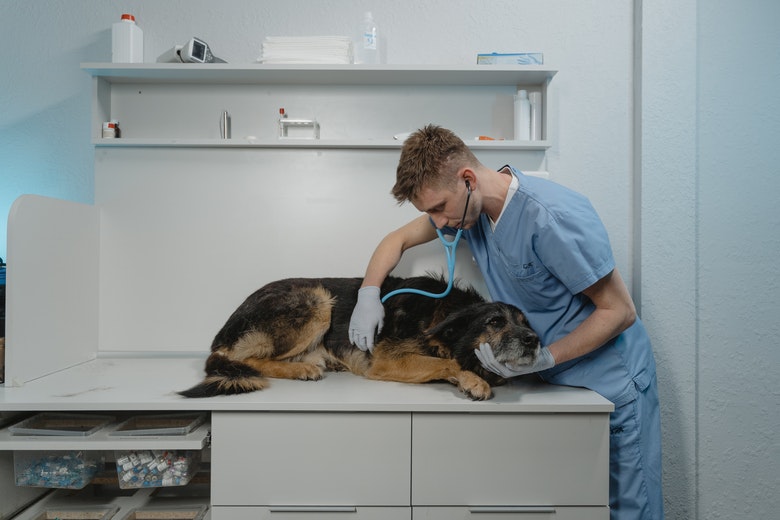
Treatment
The treatment of dementia in animals consists of 2 things: changing the diet and adjusting the handling of the animal. Unfortunately, it is not possible to cure CDS, but you can make the end of your animal’s life as pleasant as possible. Starting with changing their diet.
Providing proper nutrition to a demented animal is extremely important. For example, you will be able to find special dementia food for dogs that contains more omega-3 fat acids and antioxidants. Vets also recommend giving your pet a supplement. There is no special dementia diet for cats (yet), but it seems that the diets for osteoarthritis can have a positive effect on the disease’s course. Dietary supplements are also recommended for cats.
Adjustments in the handling of your animal are also very important. Read more about this on the next page!
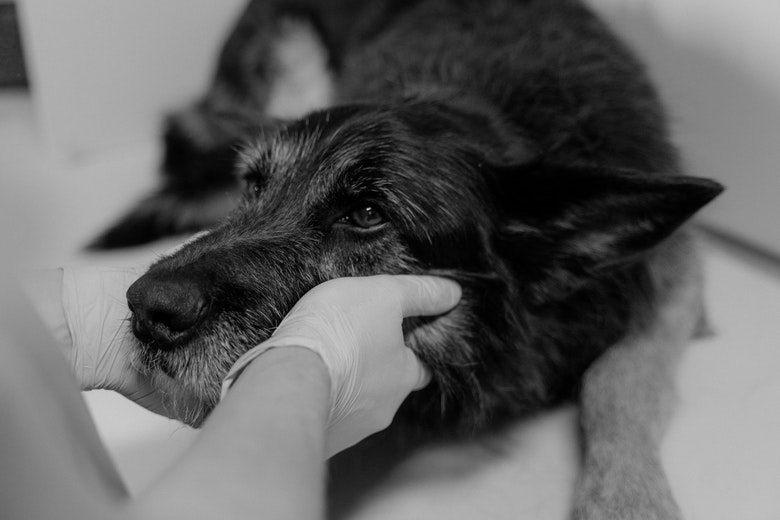
Dealing with a demented animal
Unfortunately, your demented pet is no longer as sharp as it used to be. You will have to give the animal a lot of attention and be patient. With dogs, it is best to combine commands with gestures to make it extra clear for your elderly animal what you are asking of them.
Keeping the animal active is also very important. Even though your pet has less desire to play or exercise, this is crucial. Too much change is also out of the question. For example, it is not a good idea to move places if your pet has dementia. Your current home may even become too big for the pet, and you may need to close off a room or part of it to prevent your pet from getting lost or disoriented.
Source: MCvoorDieren, MaxVandaag | Images: Pexels
Source: https://www.tips-and-tricks.co/various/how-to-recognize-if-your-pet-is-dealing-with-dementia/