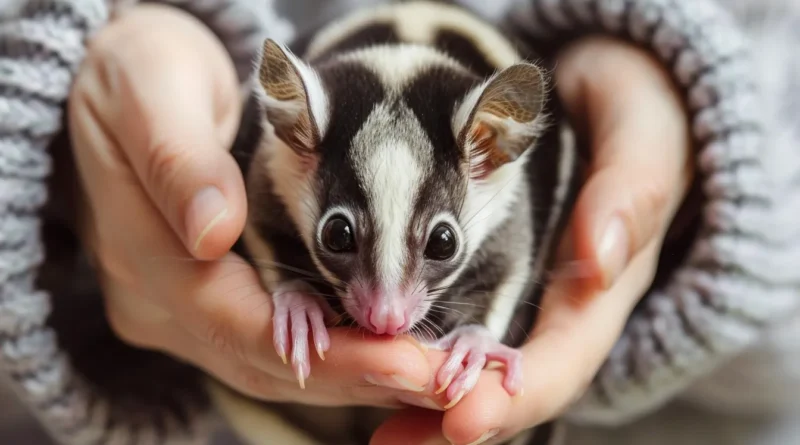
Unconventional Yet Easy-to-Keep Pets: Exotic Companions You Didn’t Know About
These are 5 pets that are surprisingly easy to keep and maintain. It might inspire you to get your own exotic pet!
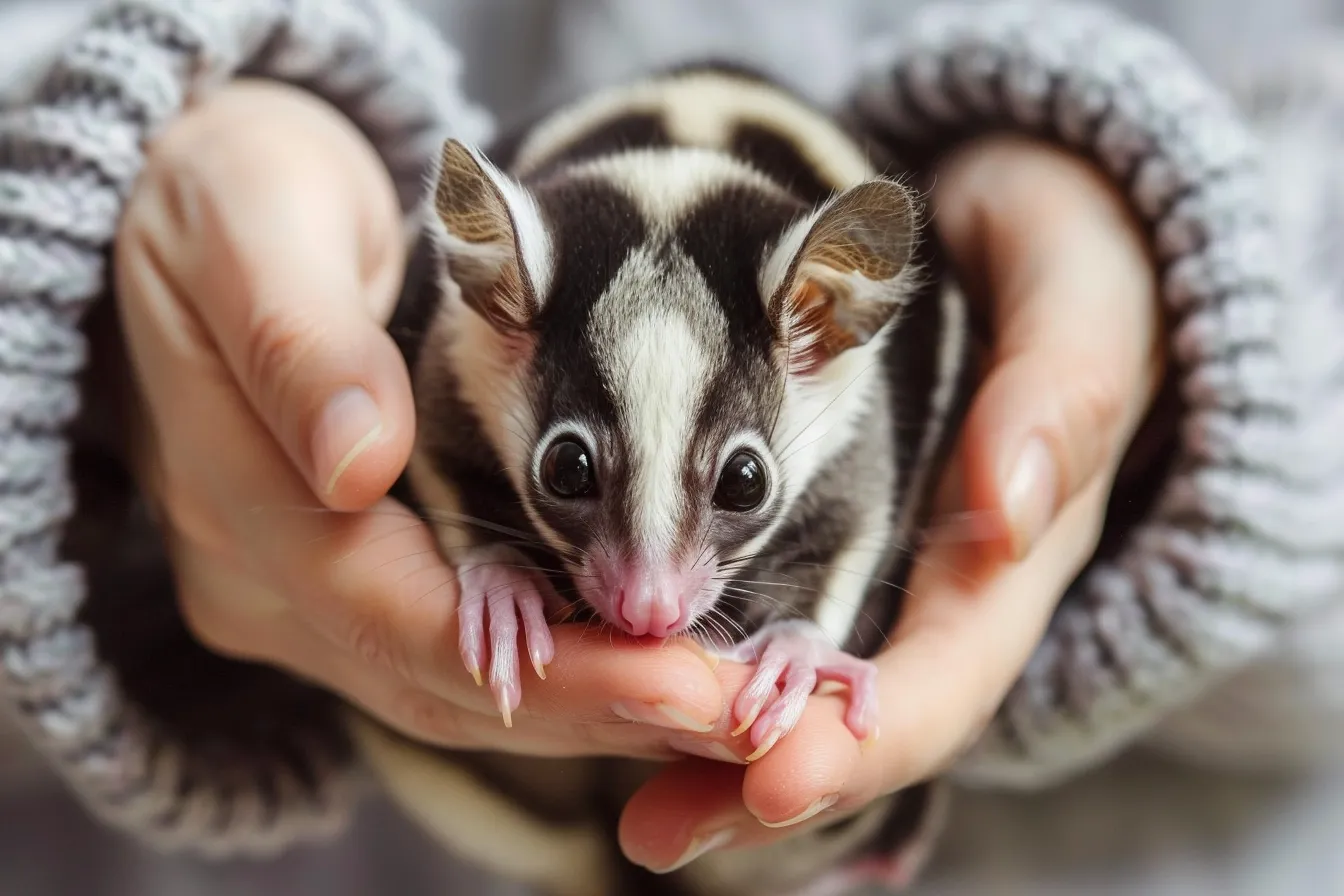
1. Sugar Glider: The Adorable Arboreal Acrobat
Native to Australia and Indonesia, the sugar glider is a small marsupial known for its endearing appearance and playful demeanor. With its large eyes, fluffy fur, and ability to glide through the air, the sugar glider has captured the hearts of many exotic pet enthusiasts.
Habitat and Maintenance
Setting up a suitable habitat for a sugar glider requires a spacious cage with multiple levels, branches, and hiding spots. Providing a balanced diet of fresh fruits, vegetables, protein sources, and specialized sugar glider pellets is essential for their health and well-being.
Go to the next page for another exotic, but easy-to-keep pet!
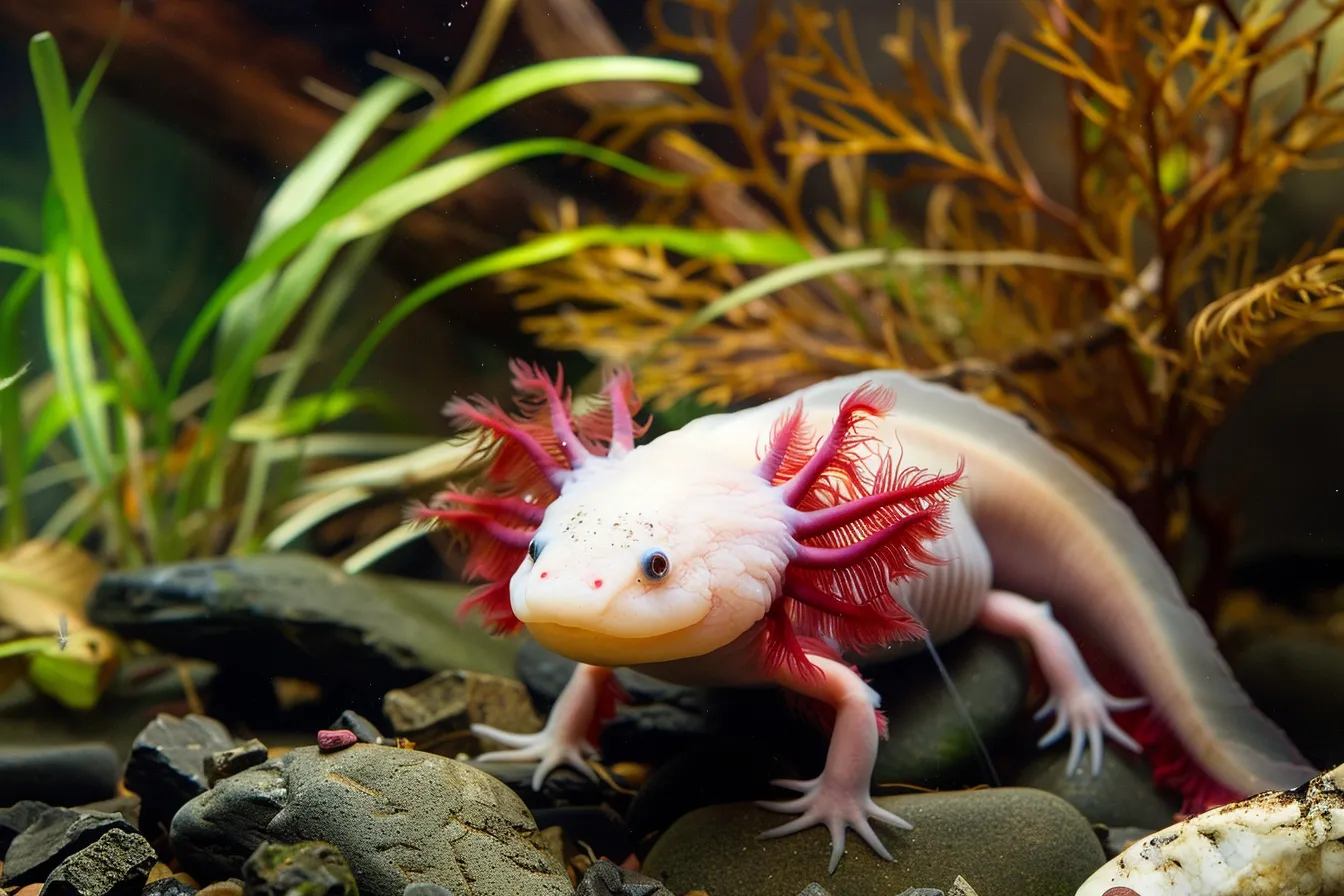
2. Axolotl: The Enigmatic Aquatic Wonder
Native to the lakes of Mexico, the axolotl is a captivating aquatic amphibian that has gained popularity in the pet trade. With its external gills, feathery external projections, and perpetual smile, the axolotl is often referred to as a “walking fish” or “Mexican walking fish.”
Habitat and Maintenance
Setting up a suitable habitat for an axolotl is relatively simple. A spacious tank with cool, clean water and hiding spots is essential. Axolotls are cold-water creatures and thrive in temperatures ranging from 60 to 70 degrees Fahrenheit.
Feeding axolotls is hassle-free; they primarily dine on small live prey like earthworms, bloodworms, and brine shrimp. With a varied diet and proper tank maintenance, axolotls can live for up to 15 years in captivity.
Go to the next page for another exotic, but easy-to-keep pet!
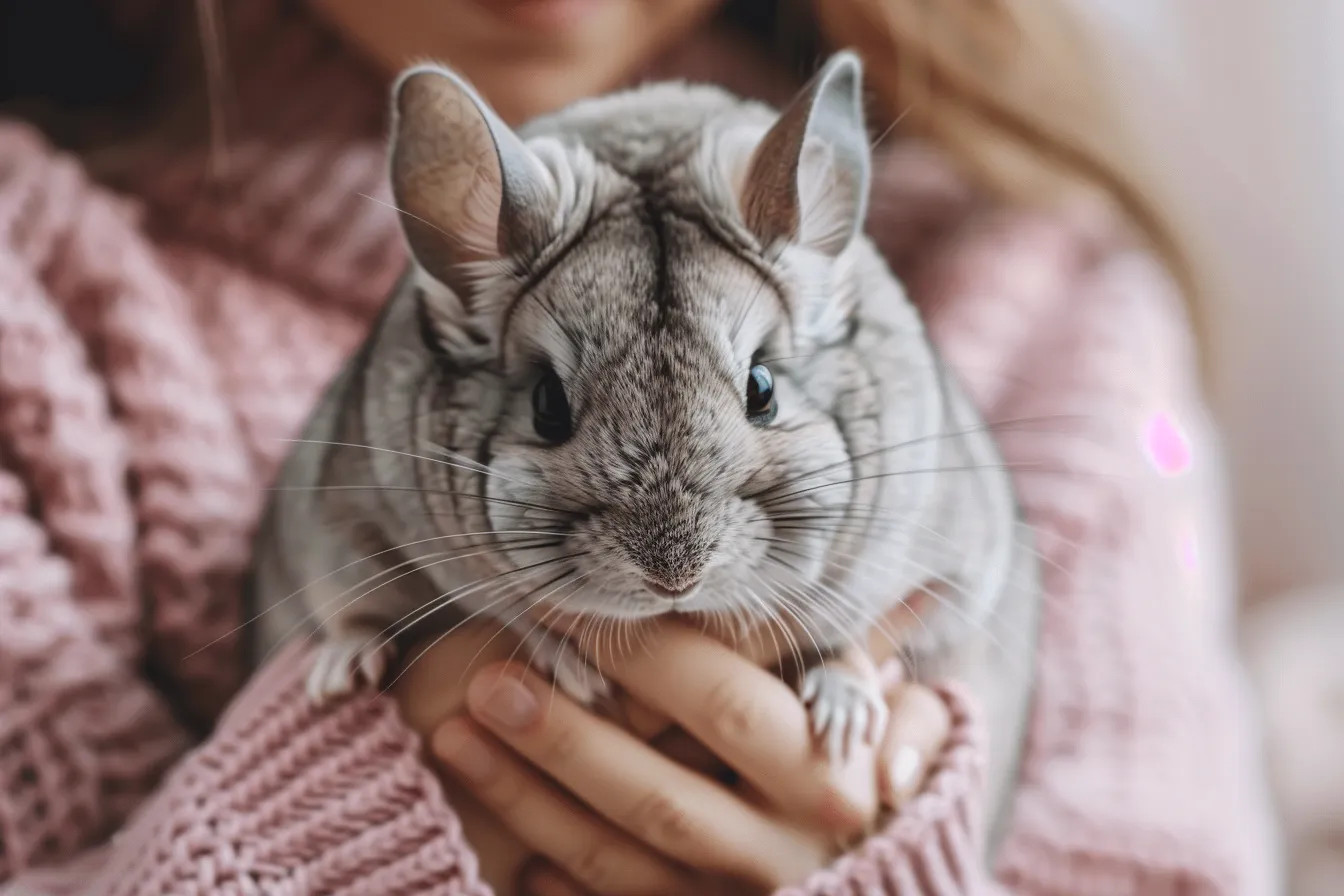
3. Chinchilla: Fluffy and Playful Rodent Companion
Chinchillas are small rodents native to the Andes Mountains in South America. Renowned for their soft, dense fur and energetic personalities, chinchillas have become popular exotic pets in recent years. Despite their delicate appearance, chinchillas are hardy animals that thrive in the right environment.
Habitat and Maintenance
Creating a suitable habitat for a chinchilla requires a spacious cage with multiple levels, platforms, and chew toys for enrichment. Providing a dust bath for grooming and a balanced diet of high-quality chinchilla pellets, hay, and occasional treats is essential for their health and well-being.
Go to the next page for another exotic, but easy-to-keep pet!
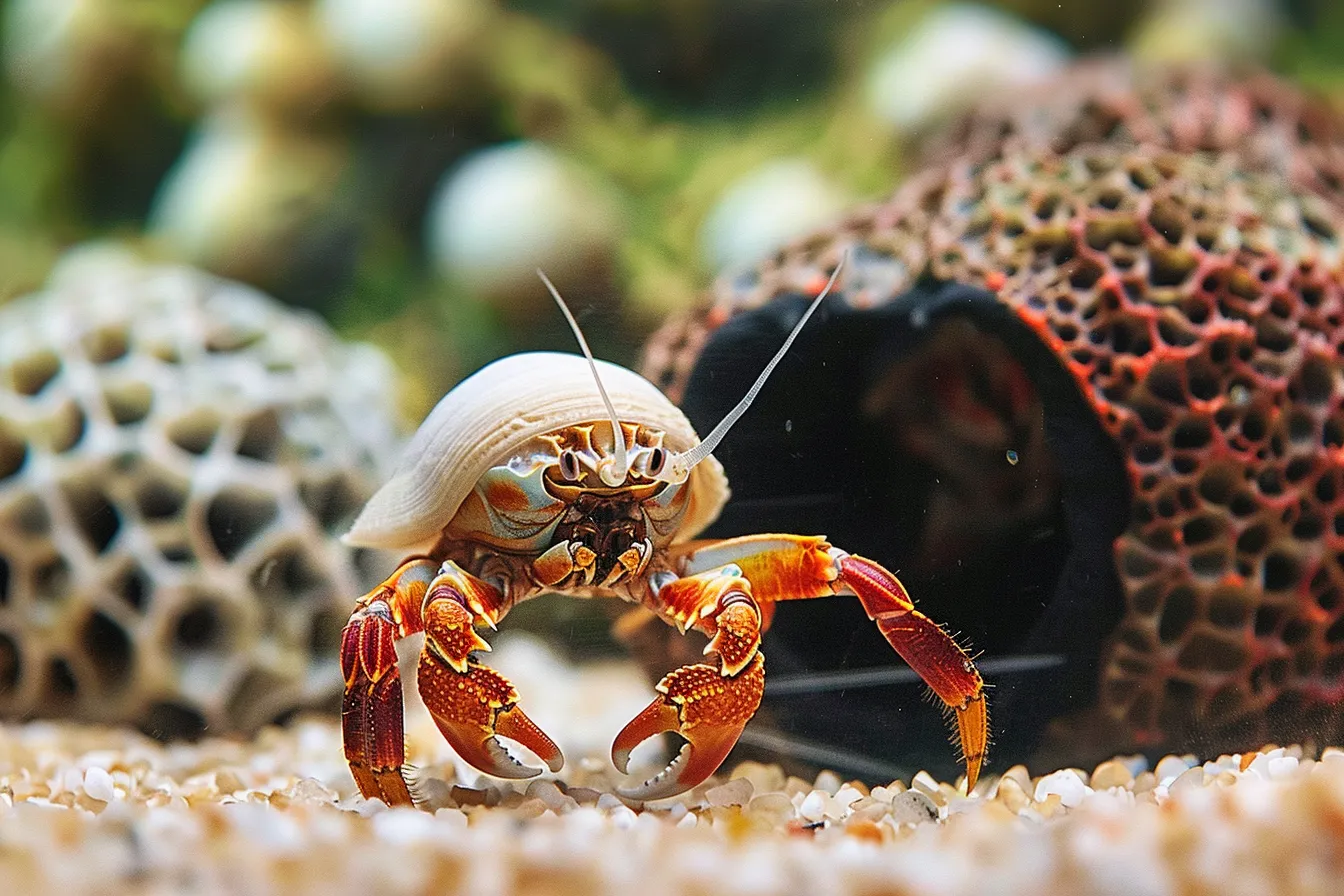
4. Hermit Crab: Quirky Crustacean Companion
Hermit crabs are charming crustaceans known for their peculiar habit of adopting empty shells as protective homes. Despite their name, hermit crabs are social creatures and thrive in groups, making them delightful pets for both children and adults.
Habitat and Maintenance
Creating a suitable habitat for hermit crabs is straightforward. A glass aquarium with sand, coconut fiber, or reptile substrate provides ample digging space. It’s crucial to maintain humidity levels between 70% and 80% to support their respiratory health.
Feeding hermit crabs is a breeze; they enjoy a diet of fresh fruits, vegetables, and commercial hermit crab food. Additionally, providing calcium supplements and access to saltwater for bathing promotes their overall well-being.
Go to the final page for the last exotic pet that is easy to maintain!
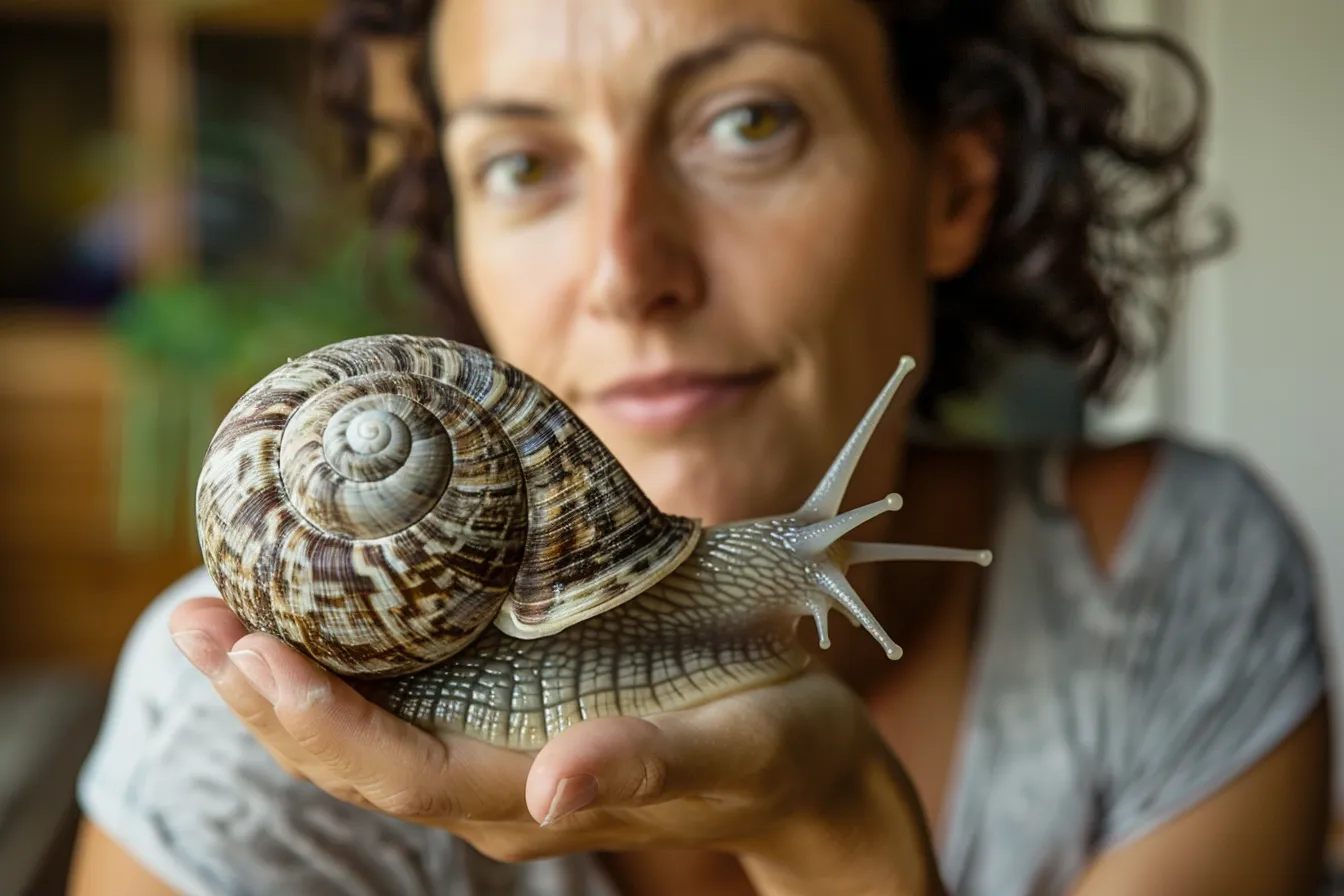
5. Giant African Land Snail: Slow and Steady Companion
Giant African land snails are intriguing gastropods known for their impressive size, distinctive shells, and ease of care. Originating from East Africa, these terrestrial mollusks have become popular pets worldwide due to their fascinating behavior and minimal maintenance requirements.
Habitat and Maintenance
Creating a suitable habitat for a giant African land snail is simple. A glass tank with a secure lid to prevent escape, substrate for burrowing, and a shallow dish of water for drinking and bathing are essential. Maintaining humidity levels between 70% and 80% is crucial for their well-being.
Feeding giant African land snails is straightforward; they thrive on a diet of fresh fruits, vegetables, and calcium supplements. Regularly cleaning their enclosure and providing ample ventilation are necessary for preventing odor and maintaining a healthy environment.
Conclusion
Exploring the world of exotic pets opens up a realm of possibilities beyond traditional companion animals. From arboreal acrobats to terrestrial invertebrates, there’s a diverse array of unique creatures waiting to capture your heart. By understanding their habitat requirements and maintenance needs, you can provide a loving home for these unconventional yet easy-to-keep pets.
Expand your horizons and embark on a rewarding journey of exotic pet ownership today!
Source: https://www.tips-and-tricks.co/home-and-garden/easypets-5p/