How much does a pack of cigarettes cost in other countries?
Illegal, expensive or still the most normal thing in the world?
All across the world, smoking has become less and less popular in recent years. Whereas a few decades ago it was normal for many to be smoking pack after pack, in most countries it is becoming increasingly rare to come across a chain smoker in the wild. How is the anti-smoking campaign coming along in different countries? And how does this affect the price of a pack of cigarettes? We take a trip around the world.
United Kingdom: frontrunner in the fight against smoking
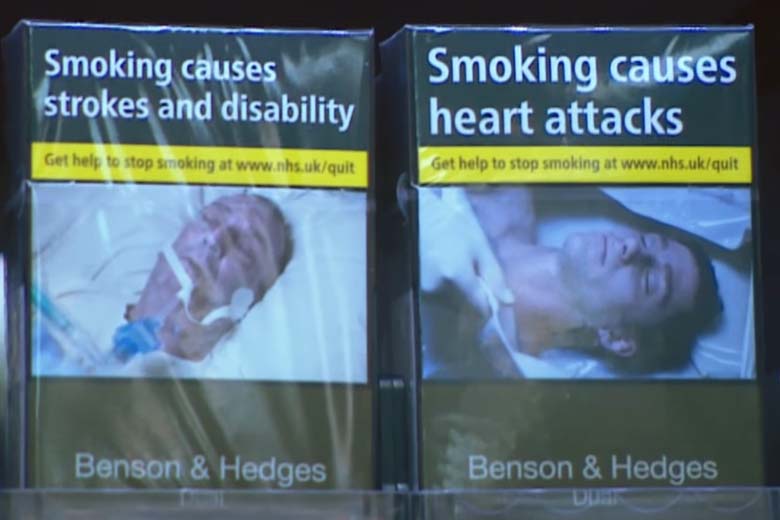
The British are known for enjoying pubs after work. And a cigarette goes very well with beer, you would think. Yet the opposite is true in the UK! The percentage of smokers in this country is currently around 14 percent. The smokers are discouraged, among other things, by the price of a pack of cigarettes. It is currently around 15 euros (17 USD).
They started early on in the UK. Around 2005 the first anti-smoking campaigns were started up. The smoking ban in the pubs has also been in place since 2007. How did the smokers deal with this measure? They shrugged and went outside to smoke from then on.
A plan has been drawn up in England under the name ‘to a smoke-free generation‘. One of the measures in this plan is to make cigarettes more expensive. Educational measures about the risks of smoking for pregnant women are part of the package too. Because even though the UK is very far ahead of other countries, around 10 percent of pregnant women in this country smoke during pregnancy. There is still room for improvement!
Germany: 1 in 4 people smoke
According to correspondent Jeroen Akkermans, Germany is a country of smokers. This is partly due to the power of the tobacco industry. This industry provides up to 7,500 jobs in Germany. A small pack of cigarettes in Germany costs 7.20 euros (8.15 USD). The percentage of smokers in Germany is therefore a lot higher than in the United Kingdom. Nearly 24 percent of Germans smoke occasionally. How much does a government collect in tobacco taxes in a country where nearly 1 in 4 people smoke? An amount of 15 billion euros (17 billion USD) per year.
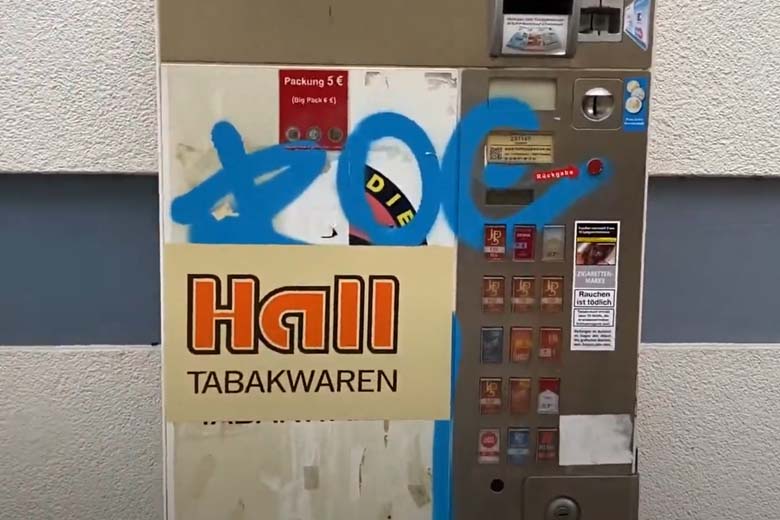
However, steps have now been taken to reduce the percentage of Germans that smoke. For example, the well-known shocking images on packages have been made mandatory and the price per package is being increased little by little. Yet in Germany there are still a number of things that you no longer find in most other countries. For example, you can still buy packs from cigarette vending machines on the street and cigarette brands are still allowed to advertise their products.
The Netherlands: plans to charge 10 euros per package
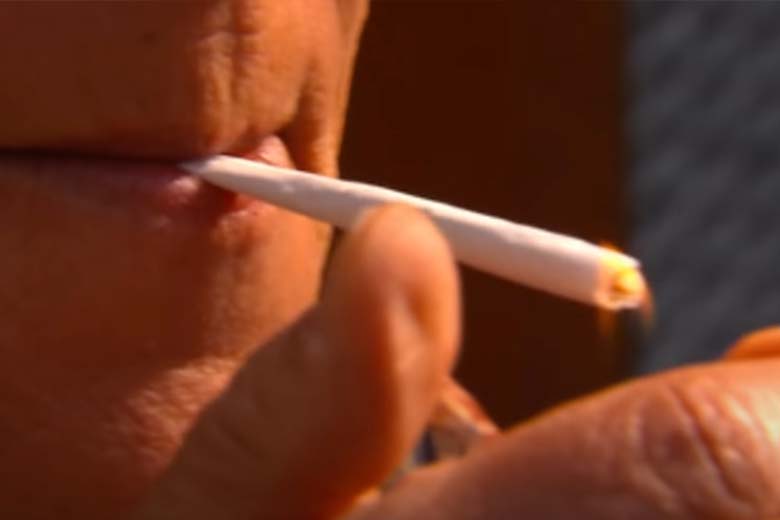
Smoking is becoming less and less normal in the Netherlands. In 2021, Lidl became the first supermarket in the country to stop selling tobacco products. They were preceded by drugstores, which already put an end to this in 2019. It’s becoming harder and harder to find a place that sells cigarettes, which discourages smoking even further. The number of smoking Dutch people decreased from 26 percent in 2014 to 20 percent in 2020.
The price increases also contribute to the declining percentage of smokers in this country. The price is not as high as in the United Kingdom, but a pack of cigarettes costs an average of 8.20 euros (9.28 USD). This is three times what it cost in the year 2000, when you only had to pay 3.21 euros (3.63 USD) on average. The plan of the Dutch government is to increase the price of a pack of cigarettes to 10 euros (11.32 USD) by 2023.

Russia: have a smoke with a police officer
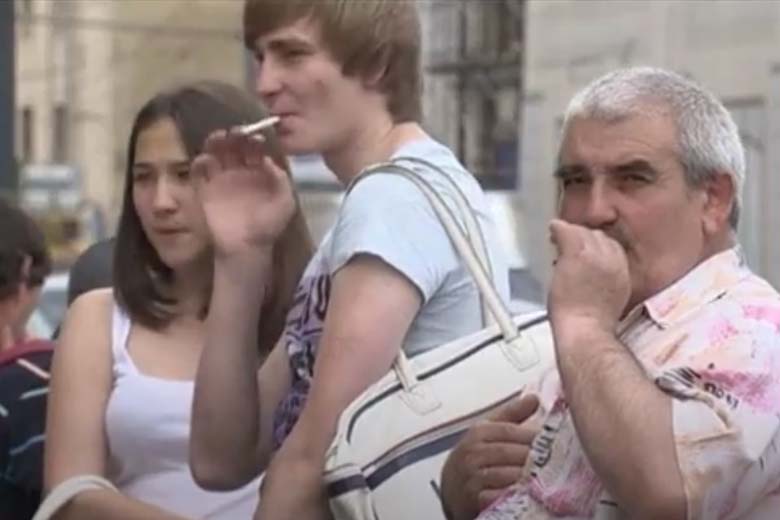
Nearly one in three adult Russians lights a cigarette every now and then. This is in part because the prices are very low. For a package of a more expensive foreign brand you still pay no more than two euros (2.26 USD). And those are the pricey packages. That of course is not very discouraging.
What should be discouraging are the fairly strict rules against smoking. Since 2013, it is no longer allowed to smoke in your workplace or in the catering industry. Even outdoor smoking has been limited. It is forbidden to smoke a cigarette within a radius of 15 meters from the entrances of hospitals, metro stations and playgrounds. Fortunately for avid smokers, these rules are hardly enforced. Often, police officers can be seen smoking in a place where this is not allowed. They surely won’t fine you if you do.

Australia: the cigarette prices ‘down under’ will shock you
Australia takes the cake in terms of the price per pack of cigarettes. A pack of 20 cigarettes costs an average of 25 euros (28 USD). Do you smoke a pack a day? Then you can expect to pay 9,000 euros (10,000 USD) per year. That’s worth a couple of vacations!
This extremely high price appears to be a very effective measure to help people quit smoking. In 1991 around 25 percent of Australians smoked. By 2021, this percentage had dropped to 11 percent.

China: part of the culture
This country does things a little differently. Here, you can’t buy packs of cigarettes in the supermarket or at a gas station, but in separate shops that must have a special permit. That does not mean that the price is a lot higher per se: you pay about 3.20 euros (3.62 USD) for an expensive brand. A cheaper brand costs less than 50 euro cents (0.57 USD). These are low prices, but they have increased in recent years. It cost even less before. These are not the famous brands like Camel and Marlboro, in China they smoke cigarettes manufactured by domestic brands. They do that en masse. Around 300 million Chinese people, a quarter of the population, like to light a cigarette from time to time.
Smoking is part of Chinese culture. When you walk into a store, chances are the seller will offer you a cigarette out of courtesy. For this reason, it’s not surprising that lung cancer is very prevalent in this country. In addition to raising the price of packs of cigarettes, China is taking even more measures in order to discourage smoking: smoking is no longer allowed on television and the Chinese are no longer allowed to light a cigarette in public buildings. But, just like in Russia, plenty of people ignore these rules.
Indonesia: smoking children
In Indonesia, little is done to discourage smoking. There are smoke-free places, such as at playgrounds and hospitals, health risks are mentioned on the packages, but other than that, much is allowed. For example, a cigarette manufacturer may simply advertise their product. Even on television, between 9:30 pm and 5:00 am. The price will do little in the way of discouraging the Indonesians either. For a package you pay an average of 21,000 Indonesian Rupiah. This sounds like a lot of money, but after conversion, a package is only 1.25 euros (1.41 USD).
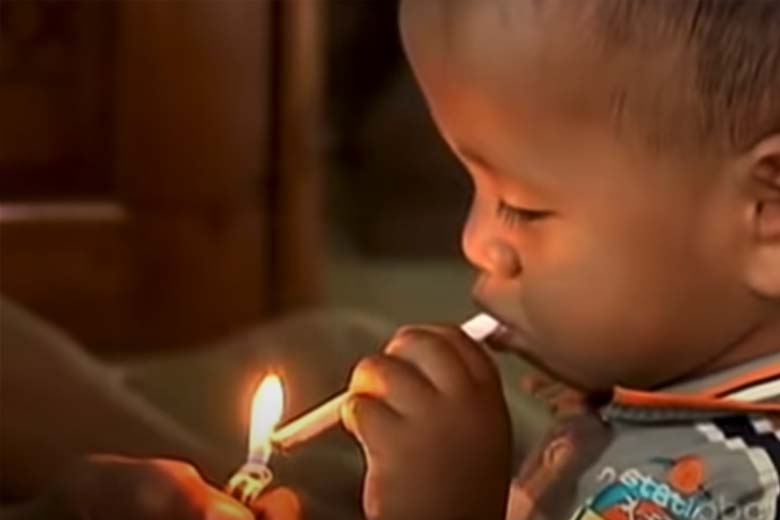
Also not an uncommon sight: smoking children. About 34 percent of Indonesians smoke. As do the children. In 2010, a video went viral showing a 2-year-old Indonesian toddler smoking 40 cigarettes a day. Fortunately, Aldi Rizal, now 13 years old, has stopped smoking since he was four years old.
Sweden: clean Scandinavian air
Smoking is not popular in Sweden. In 2016, only 11 percent of the total Swedish population smoked a cigarette every day. The Swedes were early in terms of anti-smoking measures. Smoking in bars and restaurants has been banned since May 2005. This law was passed with a lot of popular support at the time.
Another fact to write home about for the Scandinavians is that they were the only country to meet an ambitious World Health Organization target. They achieved this goal by having fewer than 20% of residents that smoke every day by the year 2000. Other countries should take that as an example! The price of a pack of cigarettes in Sweden? About 6.65 euros (7.52 USD) on average.
Source: RTL Nieuws, Folkhälsomyndigheten, Numbeo | Images: YouTube videostills, Pexels
Source: https://www.tips-and-tricks.co/various/how-much-does-a-pack-of-cigarettes-cost-in-other-countries/